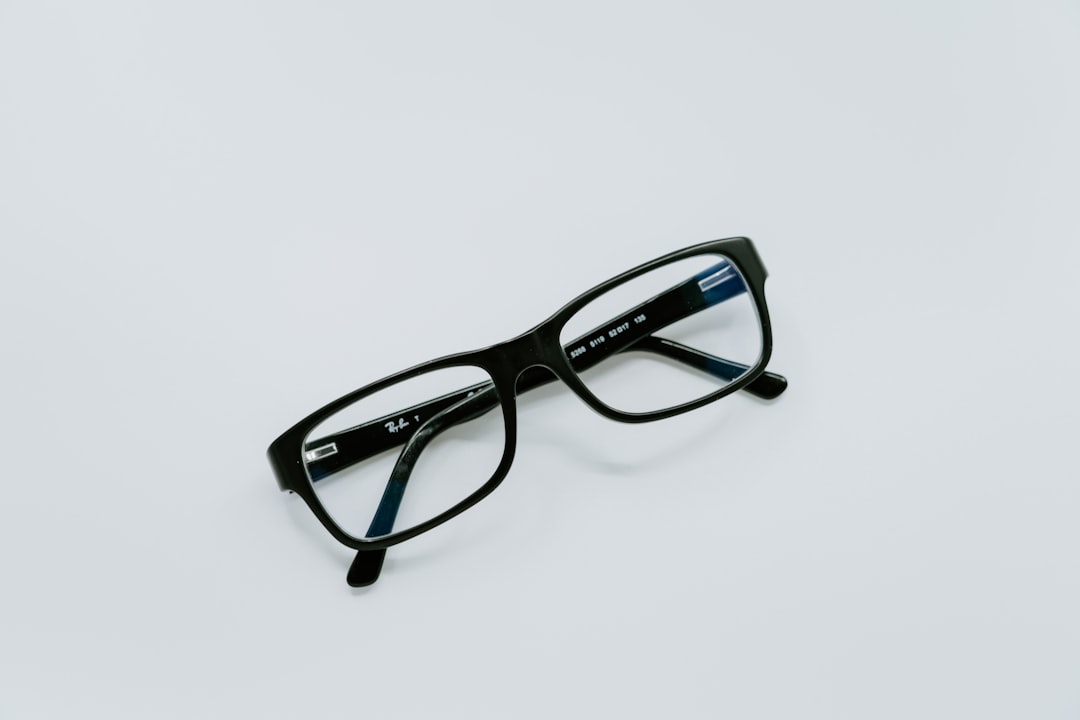
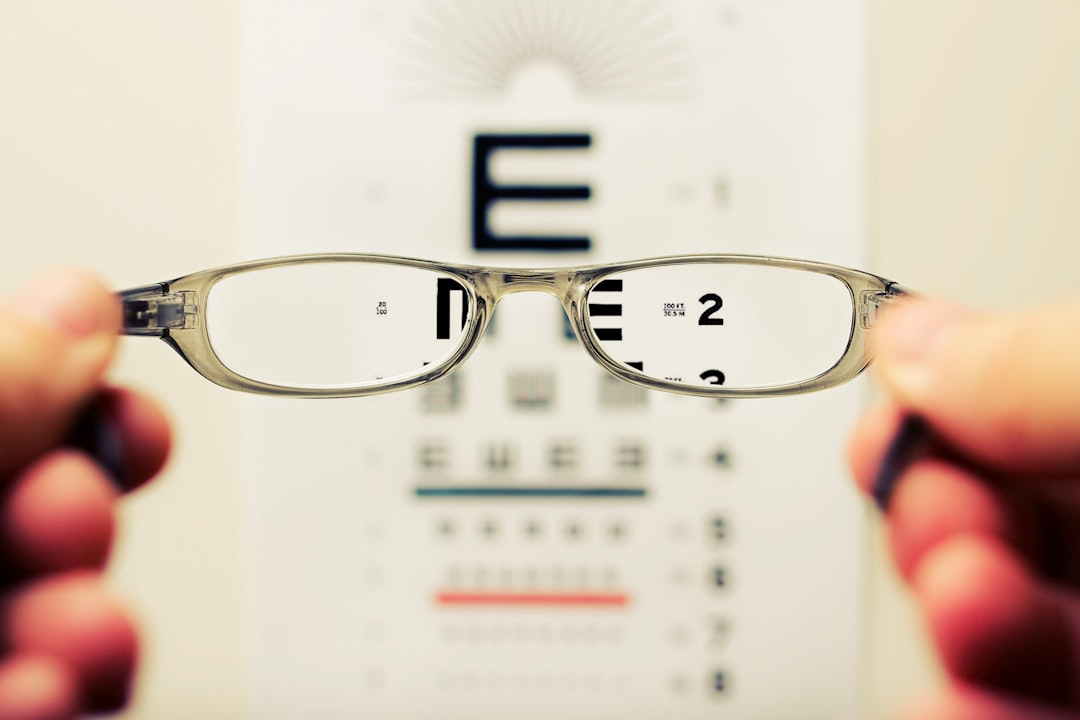
Choosing between single vision, bifocal, and progressive lenses can feel more confusing than choosing the frames themselves. This guide gives you a practical way to compare how each lens type works, where each one tends to fit best, what tradeoffs matter in daily wear, and when it makes sense to revisit your choice as your prescription, work habits, or lens options change. If you are trying to decide on the best lens type for reading and distance, or weighing a progressive lens comparison before you buy prescription glasses online, this article is designed to help you make a clearer decision without overcomplicating it.
Overview
At the simplest level, the difference is this: single vision lenses correct one field of vision, bifocals correct two, and progressive lenses correct multiple viewing distances in one lens without a visible line.
That short definition is useful, but it does not tell you which one will feel right on your face, at your desk, behind the wheel, or while moving through everyday life. The right choice depends less on marketing labels and more on how you actually use your eyes hour to hour.
Single vision lenses are made for one purpose at a time. They may be set up for distance, reading, or computer use, but not all three in one pair. They are often the most straightforward option and the easiest to adapt to.
Bifocals divide the lens into two zones, usually distance on top and reading below. They are practical and familiar, but the line between zones is visible, and the jump between powers can feel abrupt.
Progressive lenses offer a gradual change in power from distance to intermediate to near vision. They are often chosen by people who want one pair for many tasks and prefer the appearance of a line-free lens. They can be very convenient, but they usually require more careful fitting and a short adaptation period.
If you are comparing progressive lenses vs bifocals, the real question is usually not which is more advanced in theory. It is which one matches your visual habits, tolerance for adaptation, and expectations for comfort. If you are deciding between single vision vs progressive lenses, the key issue is whether you want task-specific simplicity or all-in-one flexibility.
For anyone ordering prescription glasses online, lens type also affects frame choice, fitting precision, and how important accurate measurements become. Before placing an order, it helps to understand your prescription details and measurements. Our guides to how to read your eyeglass prescription and how to measure pupillary distance at home can make that process much easier.
How to compare options
The easiest way to compare lens types is to stop thinking in terms of “best” and start thinking in terms of “best for what.” A useful multifocal lenses guide should answer five practical questions.
1. How many distances do you need to see clearly in one typical day?
If most of your day revolves around one task, such as driving or reading, single vision may be enough. If you regularly shift between road signs, dashboard displays, laptop screens, and printed text, a multifocal option becomes more appealing.
2. Do you want one pair to do everything, or do you prefer multiple specialized pairs?
Some people are happier with dedicated reading glasses, dedicated distance glasses, and possibly computer glasses for work. Others want one pair they can leave on most of the day. Neither approach is universally better. It depends on your routine and tolerance for swapping glasses.
3. How sensitive are you to adaptation?
Single vision lenses are usually the easiest to get used to. Bifocals may feel familiar quickly if you like clear separation between zones. Progressives can take more time because your eyes and head movement need to learn where each viewing area sits in the lens.
4. What kind of work do you do?
A person who spends long hours at a desktop setup may have different needs than someone who moves constantly between meetings, errands, and driving. The best glasses for work are not always the best glasses for everything else. A standard progressive may work well for mixed daily use, while a dedicated computer single vision lens may be more comfortable for heavy screen work.
5. How important are cosmetics and frame style?
If you strongly prefer a seamless look, progressives often appeal because they do not have a visible segment line. If style matters but simplicity matters more, single vision can be a clean choice. Frame depth and shape can also affect how much room a lens has for different viewing zones, which matters especially with progressives and bifocals.
When comparing options online, it helps to build your shortlist around your real routine:
- What percentage of your day is distance, screen, and reading?
- Do you want to wear glasses while walking, shopping, and socializing without taking them off?
- Are you willing to adapt for a week or two if the long-term convenience is better?
- Do you need a backup pair with a simpler setup?
If you are shopping online and want a broader framework for ordering frames and lenses together, see our checklist for how to buy prescription glasses online.
Feature-by-feature breakdown
Here is where the comparison becomes practical. Instead of treating these lenses as competing categories, it helps to examine how they perform across daily-use criteria.
Visual range
Single vision: One corrected distance only. Excellent if your need is specific and stable. Not ideal if you need help at several distances in the same moment.
Bifocals: Two corrected distances, usually far and near. Better than single vision for people who need reading help but still want distance correction in one pair. Intermediate vision, such as computer distance, may still be a weak spot.
Progressives: Distance, intermediate, and near in one lens. This is the main reason many wearers choose them. They can be especially useful for people who want smoother transitions between tasks.
Ease of adaptation
Single vision: Usually the simplest. Most wearers adapt quickly unless the prescription has changed significantly.
Bifocals: Moderate. The line is obvious, but the visual zones are easy to identify. Some people actually prefer that clarity.
Progressives: Often the most demanding at first. You may need to learn to point your nose toward what you want to see and move your head more deliberately. Many adapt well, but some never love the experience.
Appearance
Single vision: Clean and minimal. No visible segment line.
Bifocals: Visible line. Some wearers do not mind it at all; others feel it makes the lenses look more clinical or dated.
Progressives: No visible line, which is one reason they are common in premium eyewear and designer eyeglasses.
Intermediate vision
Single vision: Strong if made specifically for computer or office distance, weak if configured only for distance or reading.
Bifocals: Usually limited. This is one of the biggest reasons some wearers move away from bifocals.
Progressives: Better coverage for intermediate tasks, though comfort varies depending on lens design and how much of your day is spent on screens.
Reading comfort
Single vision: Excellent if set up as reading glasses.
Bifocals: Usually strong for reading because the near segment is clear and easy to find.
Progressives: Convenient, though the near zone can feel narrower than dedicated reading lenses. For long reading sessions, some people still prefer a separate pair.
Walking and stairs
Single vision: Usually easiest, especially distance single vision.
Bifocals: The abrupt near segment can sometimes be distracting when looking downward.
Progressives: Some wearers need time to get comfortable, especially on stairs or uneven ground, because the lower lens area is designed for near tasks.
Fitting sensitivity
Single vision: More forgiving, though accurate PD still matters.
Bifocals: Requires proper segment placement.
Progressives: The most fitting-sensitive of the three. Accurate pupillary distance measurement, fitting height, and frame positioning all matter more here than many first-time buyers expect.
This is why frame selection should not be treated separately from lens selection. A very shallow fashion frame may not provide the same comfortable progressive experience as a frame with more vertical space. If you are balancing lens needs with style, it can help to read our guide to designer eyeglasses vs affordable glasses before deciding where to spend more of your budget.
Cost and value
Because pricing varies widely by retailer, lens material, prescription complexity, and coatings, it is better to think in terms of value than fixed cost.
Single vision is usually the simplest lens category and often the most budget-friendly entry point.
Bifocals may sit above single vision depending on the build and lens package.
Progressives often cost more because the lens design is more complex and the fitting precision matters more. That added cost may be worthwhile if one well-fitted pair replaces multiple task-specific pairs.
Also remember that the lens type is only part of the total package. Material and coating choices affect comfort and clarity, too. Stronger prescriptions may benefit from high index lenses and lens coatings such as anti reflective coating, especially if you want a lighter, cleaner-looking pair for daily wear.
Best fit by scenario
If you are still deciding, matching the lens to your routine is often more helpful than comparing technical definitions.
Choose single vision if:
- You mainly need correction for one distance only.
- You want the easiest possible adaptation.
- You do not mind owning separate pairs for reading, computer use, or distance.
- You want a straightforward backup pair.
A common example: You are in your 20s or 30s with a stable distance prescription and spend most of your day driving, socializing, and working on a setup that does not require frequent refocusing between far and near. Or you want dedicated glasses for work and separate reading help later in the day.
Choose bifocals if:
- You want one pair for distance and reading, but you do not care about a visible line.
- You prefer clearly defined zones over a gradual blend.
- You do not rely heavily on intermediate distance for screens.
- You already wear bifocals and are comfortable with them.
A common example: You mostly switch between looking across the room and reading up close, and you want a no-nonsense setup without learning to use a progressive corridor.
Choose progressives if:
- You want one pair for distance, intermediate, and near tasks.
- You regularly move between driving, walking, screens, and reading.
- You want a line-free appearance.
- You are willing to allow time for adaptation and make careful fitting a priority.
A common example: You work on a laptop, check your phone throughout the day, meet people in person, commute, and read labels, menus, and documents without wanting to swap glasses every hour.
Consider a two-pair strategy if:
- You like progressives for daily life but want a dedicated computer or reading pair for long focused sessions.
- You have tried progressives and want a simpler backup option.
- Your job creates unusual visual demands that a general-purpose lens cannot fully satisfy.
For many people, the most comfortable solution is not a single perfect pair but a primary pair plus one specialty pair. That is especially true if you spend long hours at screens. If blue-filtering options are part of your decision, our article on blue light glasses can help you separate useful upgrades from optional extras.
If you also need sun protection, the same lens-type logic can carry into prescription sunglasses. A person who wears progressives indoors may prefer prescription sunglasses with a similar setup outdoors, while someone who only needs distance correction may keep sunglasses simple. For driving-focused use, see our guide to prescription sunglasses for driving, polarized lenses, and fit.
When to revisit
Your lens choice is not permanent. The best time to revisit single vision vs progressive, or progressive lenses vs bifocals, is whenever your daily habits change as much as your prescription.
Here are practical signs it is time to reassess:
- Your prescription changes, especially if near vision or ADD power becomes part of the conversation.
- Your work setup changes, such as moving from mobile work to long desk hours.
- You are taking glasses on and off all day and starting to find that routine annoying.
- You are avoiding certain tasks, like reading labels, checking menus, or using the computer for long stretches because your current lenses are awkward.
- Your frame style changes to a shape that may suit different lens designs better or worse.
- New lens options appear from your retailer, especially improved progressive designs or more suitable office-specific lenses.
- You are ordering online from a new store and want to confirm measurement requirements, remake policies, and fitting support.
A simple action plan can help:
- Review how you use your glasses in a normal week, not an idealized one.
- Check your current prescription details and whether an ADD value is present.
- Decide whether you want one general pair, multiple task pairs, or a primary-and-backup setup.
- Choose frames that support the lens design, especially if ordering progressives.
- Confirm measurement accuracy before checkout.
If your current pair feels slightly off, resist the urge to assume the lens type itself is always the problem. Fit, frame tilt, measurement accuracy, and lens upgrades all affect the final experience. Small adjustments can matter. If needed, keep a simpler secondary pair on hand and use our guide to basic eyewear fixes and when to see a pro for minor comfort issues.
The clearest takeaway is this: single vision is best for simplicity, bifocals are best for two clearly separated distances, and progressives are best for people who want seamless all-day flexibility and are willing to prioritize fitting and adaptation. The best lens type for reading and distance is the one that matches your actual life, not just the broadest feature list. Revisit the decision when your prescription changes, when your work or screen habits shift, or when new lens options make a different setup more appealing than it was before.