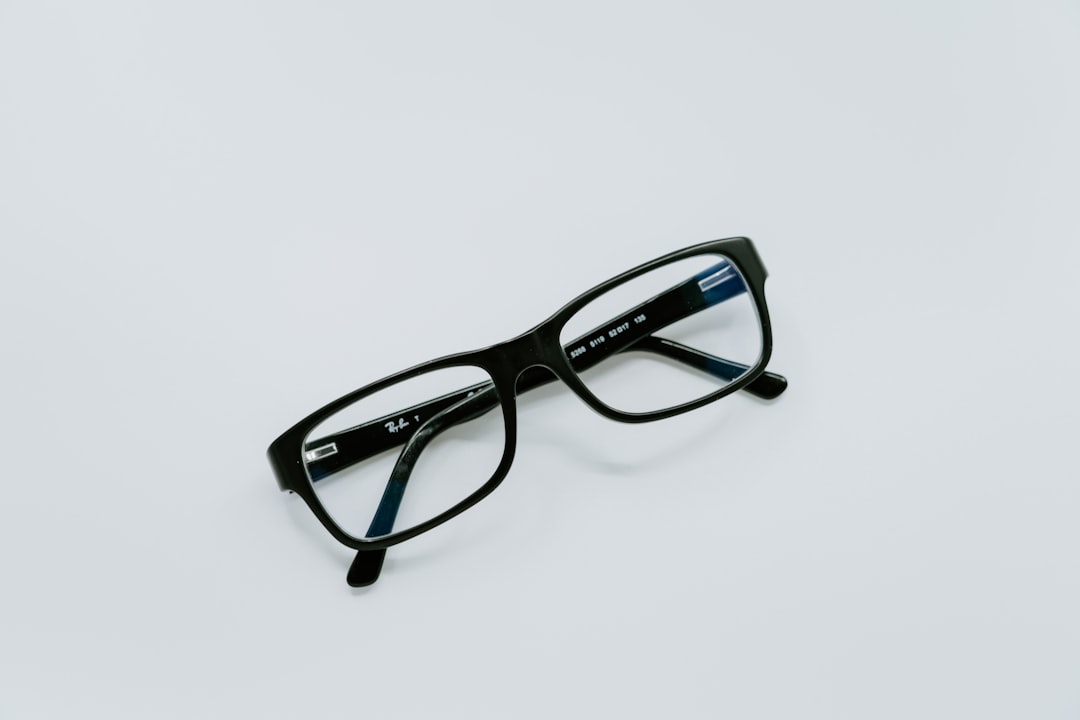
Shopping for eyeglasses online often comes down to one big question: are designer eyeglasses actually better, or are affordable glasses the smarter buy? The truth is more nuanced than price alone. In some categories, premium frames absolutely justify the upgrade because you get better finishing, stronger hardware, more refined fit, and often a more reassuring service experience; in others, the value gap is much smaller, and affordable options can deliver nearly the same day-to-day performance. If you want a deeper buying framework for the whole shopping journey, start with our guide to pricing and cost tradeoffs in retail, then pair it with a practical lens on transparent pricing so you can judge what you are really paying for.
This guide breaks down the differences in frame materials, craftsmanship, lens quality, warranty coverage, and customer service so you can decide where to invest and where to save. We will also look at men's eyewear and women's frames through the lens of real buying behavior, because style preferences, face-shape goals, and work/lifestyle needs all affect value. As you read, keep in mind that a premium frame is not automatically a premium purchase, and a budget frame is not automatically a compromise. The best decision usually comes from matching the product tier to the job it needs to do, much like the logic in portfolio decisions where you either operate efficiently or orchestrate a higher-touch, higher-value option.
1. What Actually Makes Designer Eyeglasses More Expensive?
Brand equity is part of the price, but not the whole story
When people hear “designer,” they often assume the price is mostly marketing. Branding does matter, but it does not explain everything. Designer houses and premium optical labels usually invest more in frame development, hinge engineering, finishing, and quality control, and those costs show up in the final retail price. That said, part of what you are paying for is confidence: confident design language, consistent sizing, polished materials, and a more predictable fit experience. For shoppers comparing premium and value tiers, the lesson from upgrade-fatigue style comparisons is useful: once differences become incremental, the decision is less about features and more about how much you personally value them.
Materials and construction drive a real chunk of value
Higher-end frames often use acetate with richer color layering, beta titanium, stainless steel with finer plating, or mixed-material builds that balance strength and comfort. These materials are not just about looks; they affect weight, flexibility, corrosion resistance, and how well the frame keeps its shape over time. Premium acetate can feel denser and smoother at the edges, while better metal alloys can make a frame lighter without feeling flimsy. If you want a practical model for comparing product tiers, the framework in a buyer’s comparison guide translates well: compare inputs, not labels.
Craftsmanship and finish are where premium frames usually separate
The most noticeable difference between designer eyeglasses and affordable glasses often shows up in the details you can feel rather than the features listed on a product page. Smoothly milled edges, even polishing, secure hinge alignment, and balanced temple tension all contribute to comfort and longevity. On a designer frame, the surface finish is more likely to resist looking “worn” after a few months, and the frame is more likely to sit symmetrically on the face without obvious tweaking. If you are shopping for a refined everyday pair, that finishing can matter more than a logo—especially for workwear and polished flagship-level decision making where quality signals matter.
2. Affordable Glasses Have Improved: Here’s Why Value Has Changed
Mass production has narrowed the quality gap
Affordable glasses today are not what they were a decade ago. Better manufacturing, improved online retail logistics, and stronger competition have pushed entry-level and mid-tier frames to become more consistent, more comfortable, and more stylish than before. Many value frames now use durable acetate, flexible spring hinges, and lightweight metals that were once reserved for higher price points. In other words, the “cheap equals bad” rule no longer holds. For shoppers who care about practical buying windows, the timing logic in budget purchase timing applies well to eyewear too: value improves when you buy at the right moment and avoid paying a premium simply because you are in a rush.
Style selection is often better at the value tier
Affordable glasses frequently offer broader experimentation: more shapes, colors, and trend-driven silhouettes at a lower risk. That matters if your face shape is still a work in progress, if you want separate looks for office and weekend wear, or if you rotate between bold and conservative styles. For many first-time buyers, the best use of budget frames is not “settling”; it is learning what you actually wear. If you are exploring new silhouettes, the same consumer logic that drives value-conscious trend shopping can help you avoid overcommitting to a style that may feel too dramatic after a week.
Value glasses can be the smarter backup pair
Affordable frames are often the best place to save when you need a second pair, a travel pair, or a backup for sports, commuting, or unpredictable weather. If you lose or damage a pair, replacement cost matters more than prestige. A stylish low-cost frame with a reliable lens package may outperform an expensive option that you are afraid to wear daily. This is similar to the logic in affordable phone plans for travelers: if the product’s main job is utility and flexibility, overpaying can reduce value rather than improve it.
3. Frame Materials: Where the Premium Difference Is Real
Acetate vs. injected plastic vs. metal
Not all frame materials are equal. Acetate is often the sweet spot for richer color, a more substantial feel, and easier adjustment by an optician. Injection-molded plastic is generally cheaper and lighter, but can feel less refined and may show wear sooner. Metal frames vary widely: stainless steel is common and practical, titanium is lighter and highly corrosion-resistant, and premium alloys can improve comfort for long wear days. If you want to compare product construction more rigorously, the mindset in this monitor buyer’s guide is helpful: look at specs that affect daily use, not just headline branding.
Hinges, nose pads, and temple design matter more than most shoppers realize
The hinge is one of the easiest places to spot the quality difference between designer eyeglasses and affordable glasses. A well-made hinge should open smoothly, hold alignment, and survive repeated use without loosening quickly. Adjustable nose pads can improve fit for metal frames, while integrated nose bridges on acetate frames create a cleaner look but require better initial sizing. Temple design also influences comfort; a frame that distributes pressure well will feel better after eight hours than a “lighter” frame that pinches behind the ears. Think of it the same way you would think about maintenance tools: the small components protect the bigger investment.
Weight, balance, and face-shape harmony
A frame can be technically durable and still feel wrong on the face. Premium frames often have better balance, so the glasses sit straight without sliding, tilting, or creating pressure points. That balance affects how flattering the frame looks, especially in women’s frames with more decorative details or men’s eyewear with bolder brow lines and wider silhouettes. The right weight distribution can make a frame appear more elegant and less bulky, which is one reason some designer styles look expensive even in simple colorways. For shoppers focusing on fit, it helps to approach eyewear like spec-first shopping: measurements and balance beat hype.
4. Lens Quality Comparison: Where You Should Never Cut Corners
The frame may be the visible purchase, but lenses do the real work
Frame price gets attention because it is easy to see, but lens quality often matters more for comfort, clarity, and eye health. A low-cost frame with excellent lenses can feel much better than a premium frame paired with weak optics. Lens materials, index, coatings, and prescription accuracy all influence the experience. If you wear your glasses all day, the difference between an average lens package and a well-chosen one can be dramatic, especially for progressive users or anyone who works on screens. For a deeper perspective on how feature gaps can be misleading, see upgrade fatigue in product reviews: the tiny details are where value hides.
What to prioritize in lens specs
There are a few lens upgrades that usually deliver strong value. Anti-reflective coating reduces glare and improves night driving and screen comfort. A proper index choice helps keep thicker prescriptions lighter and more attractive. Scratch resistance matters because even a beautiful frame looks bad when the lenses are hazy or damaged. Blue-light filtering is more controversial in terms of eye-health claims, but some users like the comfort effect. For a consumer-oriented explanation of when premium add-ons are worth it, the approach in careful product expectation guides is useful: understand what a feature truly does before paying for it.
Prescription accuracy and ordering support are part of lens quality
The best lenses are useless if your prescription is entered incorrectly. That is why service, verification, and post-order support should be part of the lens-quality comparison. Good online eyewear retailers make it easy to upload prescriptions, check pupillary distance guidance, and understand whether your Rx is single vision, progressive, or specialty. The confidence you get from smoother order handling is part of the value equation, similar to how delivery disruption guidance reduces friction in other purchase categories. In eyewear, support is not a bonus; it is part of getting the product right.
5. Warranty and Service: The Hidden Value Layer
Why a better warranty can justify a higher frame price
A strong warranty designer glasses package often includes coverage for defects, limited replacements, or clearer repair pathways. That matters because frames are wearable items exposed to sweat, drops, heat, and daily handling. A brand that stands behind its product lowers your risk, especially if you are buying a more expensive style for everyday use. Not every warranty is equal, though, and some premium labels use the brand name to justify coverage that is actually quite narrow. For a consumer mindset on judging promises versus proof, the framework in proof over promise is directly relevant.
Service experience can be as important as the frame itself
Returns, exchanges, sizing help, and virtual try-on tools are all part of the real product. A retailer that lets you compare face fit digitally, understand frame width, and swap sizes easily can save you from an expensive mistake. That is especially important for online shoppers who cannot physically test temple pressure or bridge fit before buying. When service is poor, even a cheap frame can become costly because of time lost and return friction. For a service-first purchase model, think about the operational approach in vendor vetting checklists: smooth infrastructure is a signal of trustworthiness.
Return policies should influence your decision more than many shoppers realize
A generous return or exchange policy can make affordable glasses safer to try, while a weak policy can make a premium purchase feel risky. If you are trying a new silhouette, or if you are uncertain about the bridge fit for your face, a supportive return policy can be worth real money. This is where cost versus value eyewear becomes very concrete: the cheapest frame is not the cheapest total experience if the return process is difficult. In the same way that delivery disruption management protects customer satisfaction, flexible eyewear service protects the purchase decision.
6. When Designer Eyeglasses Are Worth the Premium
Daily wear with high visibility
If you wear glasses every day, especially in professional settings or public-facing roles, designer eyeglasses can be worth the upgrade. The comfort difference from better balance, better materials, and better finishing becomes more noticeable the longer you wear them. Premium frames also tend to hold a polished look longer, which matters when glasses are part of your personal brand. For customers building a wardrobe of intentional accessories, the decision resembles choosing premium travel or lifestyle products in high-value electronics deals: you pay more only when the experience meaningfully improves.
When you care about the aesthetic signal
Some frames do more than correct vision; they shape how you are perceived. A designer frame can communicate creativity, authority, minimalism, or luxury in a way a basic frame cannot always replicate. This is especially relevant for men’s eyewear when the goal is a sharper, more structured look, and for women’s frames when a refined silhouette or elegant color story is part of the outfit. If your glasses are an anchor piece in your style, the premium can be justified. The same principle appears in design-led everyday gear: form is part of utility.
When durability and long-term rotation matter
If you tend to keep one pair for years, or if you rotate only a few frames, premium construction can pay off because the per-wear cost falls over time. Better materials can resist warping, and better hardware may need fewer adjustments. For many shoppers, that long-term stability is the real value, not the logo. This mirrors how consumers justify a higher-cost, longer-lasting purchase in premium smartwatch shopping: if you use it every day, the cost spreads out.
7. When Affordable Glasses Offer Better Value
Trends, backups, and experimental styles
Affordable glasses are often the best choice if you like to switch styles regularly. Fashion cycles move quickly, and a bold geometric frame that feels perfect this season may feel dated later. Budget-friendly options let you test new looks without overcommitting, which is especially useful if you are still figuring out which shapes flatter your face. If you want a broader approach to value-first buying, the mindset in value trend shopping and seasonal deal timing can help you stay selective.
Backup pair, travel pair, and active-lifestyle use
There is a strong case for saving on a secondary frame. Travel, commuting, fitness, and beach days all increase the chance of scratches, drops, and loss. In those situations, an affordable frame with dependable lenses is usually the smartest buy because replacement risk is high. You may not need premium finishing for a pair that lives in your gym bag or carry-on. This logic is similar to pay-as-you-go utility purchases: flexibility beats prestige.
Prescription changes and life-stage changes
If your prescription is likely to change soon, spending heavily on a frame can be inefficient. This is especially true for younger shoppers, students, or anyone transitioning from single vision to progressive lenses. Affordable glasses let you adapt faster when your vision needs change and make it easier to test different lens setups. That practical agility is often more valuable than overinvesting in a frame you may replace soon. For a similar lens on changing needs and timing, consider the logic behind smart timing for budget purchases.
8. How to Compare Cost vs Value Eyewear Like a Pro
Build a total-cost checklist
Instead of asking “Is this expensive?” ask “What am I actually getting for the price?” A useful checklist includes frame material, hinge quality, lens package, coating options, prescription complexity, shipping speed, return policy, and warranty terms. When you compare products this way, a cheaper frame can win if the total package is stronger, and a pricier frame can win if it includes better service and lower risk. The idea is very similar to the procurement approach used in vendor due diligence checklists: evaluate the whole system, not a single line item.
Use a “cost per wear” lens
One of the simplest ways to judge value is to estimate how often you will wear the glasses. A $220 premium frame worn nearly every day for two years may be a better buy than a $60 frame you dislike and leave in a drawer. On the other hand, a $70 backup pair you only use occasionally may be a better value than a luxury frame that serves the same role. Cost per wear is a practical way to remove emotion from the decision and focus on utility. It is the same spirit behind risk-adjusted decision making: value depends on frequency, risk, and payback.
Match the frame tier to the role
Not every pair needs to do everything. Your primary daily glasses, fashion-forward event glasses, and backup or travel pair should not all be evaluated with the same standard. If you split roles this way, you can spend more where the glasses are most visible and save where durability and replacement ease matter more. This approach also aligns with how smart buyers organize retail portfolios in portfolio decision models: allocate premium spend only where it changes the outcome.
9. Practical Shopping Advice for Men’s Eyewear and Women’s Frames
Men’s eyewear: structure, proportion, and versatility
Many men prioritize frames that feel understated, strong, and versatile enough for work and casual use. In that case, premium materials can matter because simple shapes reveal quality more easily than ornate ones do. A thin metal frame with sloppy plating or an acetate frame with uneven polish tends to stand out more because the design is minimalist. If you want more guidance on making quality visible in a clean design, the thinking in skills-first evaluation applies nicely: ask what the frame can actually do, not just what category it belongs to.
Women’s frames: balance between style expression and practicality
Women’s frames often cover a wider range of colors, silhouettes, and decorative details, which makes value analysis even more important. A statement frame may be worth paying more for if it becomes a signature accessory, but a trendy shape may be better bought affordably if you only want to try the look. Comfort still matters just as much as aesthetics, especially with larger acetate frames or decorative temple pieces. For shoppers who like accessories that complement a lifestyle, the style-versus-function tension in luxury-meets-practicality travel picks is a good analogy.
Virtual try-on reduces expensive mistakes
One of the biggest advantages of shopping online is being able to use virtual try-on tools before buying. These tools do not replace real measurements, but they do reduce uncertainty about width, shape, and style balance. When combined with frame dimensions and return policies, virtual try-on can make affordable glasses much safer to buy and premium glasses much easier to justify. It is a lot like the confirmation value found in high-quality landing pages: clarity drives conversion and confidence.
10. Final Buying Matrix: Spend Here, Save There
Where to spend more
Spend more on the frame if you wear glasses every day, want a high-end style signal, need lightweight comfort, or care about refined finish and longevity. Spend more on lenses if you have a strong prescription, need progressives, drive at night, or spend long hours on screens. Spend more on service if you are unsure about fit or are ordering your first online pair. In short: invest where the glasses affect comfort, confidence, and accuracy most directly. If you need a practical decision model, the rule-based approach in proof-based evaluation is the right mindset.
Where to save
Save on trendy frames you may not wear long, backup pairs, travel pairs, and any style you are still testing. Save when the premium is mostly a logo and the material difference is minor. Save when the retailer gives you similar lens options, return support, and measurement tools at a lower price. This is where affordable glasses often deliver the best value: they let you get the essentials right without paying for status. The logic is similar to basic-but-effective housing decisions: if the core need is met, extra luxury is optional.
Best rule of thumb
If the pair is for daily wear and will be seen constantly, premium can be worth it. If the pair is experimental, secondary, or likely to be replaced soon, affordable is usually smarter. If the lenses are complex, prioritize the best lens package you can afford and treat the frame choice as the place to flex or save depending on your budget. That balance is the heart of cost vs value eyewear, and it is the best way to shop with confidence.
Pro Tip: The most expensive mistake is buying a frame you love but never wear. Use virtual try-on, check dimensions carefully, and choose the pair you will actually put on every morning.
Comparison Table: Designer Eyeglasses vs Affordable Glasses
| Category | Designer Eyeglasses | Affordable Glasses | Best For |
|---|---|---|---|
| Frame materials | Premium acetate, titanium, refined alloys | Injected plastic, standard acetate, basic metal | Designer for daily wear and comfort; affordable for backups and trend tests |
| Craftsmanship | Stronger finishing, smoother edges, tighter alignment | Good but more variable quality control | Designer when precision and polish matter |
| Lens quality | Often bundled with premium lens options, but not always | Can be excellent if you choose the right package | Choose based on prescription needs, not brand name |
| Warranty | Usually stronger brand-backed warranty designer glasses coverage | May be limited but sometimes surprisingly flexible | Designer for long-term peace of mind |
| Service | May include premium support, but varies by retailer | Online retailers often compete aggressively on service | Affordable when returns/exchanges are easy |
| Style variety | Iconic silhouettes and brand-led design language | Broader experimentation at lower risk | Designer for signature looks; affordable for trend exploration |
| Value over time | High if worn daily and kept for years | High if used as backup, travel, or fashion rotation | Depends on usage frequency |
Frequently Asked Questions
Are designer eyeglasses always better quality than affordable glasses?
No. Designer eyeglasses are often better finished and may use higher-end materials, but affordable glasses can still offer excellent value if the frame construction, lens package, and service are strong. The best choice depends on how often you will wear them and what features matter most to you.
What matters more: frame materials or lens quality?
For most wearers, lens quality matters more because the lenses directly affect vision clarity, comfort, and eye strain. Frame materials matter a lot for fit, weight, and durability, but a great frame cannot compensate for poor lenses.
How do I know if a warranty on designer glasses is worth it?
Check what the warranty actually covers: defects, hinge issues, coating problems, accidental damage, or replacement discounts. A strong warranty is valuable if you wear the glasses daily or tend to keep frames for a long time.
Can affordable glasses work for progressive lenses?
Yes, affordable glasses can absolutely work with progressive lenses if the retailer offers accurate fitting support and quality lens options. In fact, many shoppers choose a budget-friendly frame and invest more in the progressive lens package.
Are virtual try-on tools accurate enough to help me choose?
Virtual try-on tools are very useful for style and proportion, but they should be combined with frame measurements, bridge width, and return policy review. They reduce uncertainty, but they do not replace precise sizing.
Where should I save money when buying glasses online?
Save on trendy or backup frames, and save on logos when the real differences are small. Do not cut corners on prescription accuracy, lens quality, or a retailer with poor return support.
Related Reading
- Shipping, Fuel, and Feelings: Adapting Your Packaging and Pricing When Delivery Costs Rise - Learn how pricing changes affect perceived value and customer trust.
- Transparent Pricing During Component Shocks: How to Communicate Cost Pass-Through Without Losing Customers - A smart framework for understanding premium pricing signals.
- Navigating Shipment Woes: How to Handle Delivery Disruptions Like a Pro - Helpful if you are worried about online order timing and fulfillment.
- Vendor Due Diligence for Analytics: A Procurement Checklist for Marketing Leaders - A useful checklist mindset for comparing eyewear retailers.
- Proof Over Promise: A Practical Framework to Audit Wellness Tech Before You Buy - A strong guide for evaluating claims before spending more.