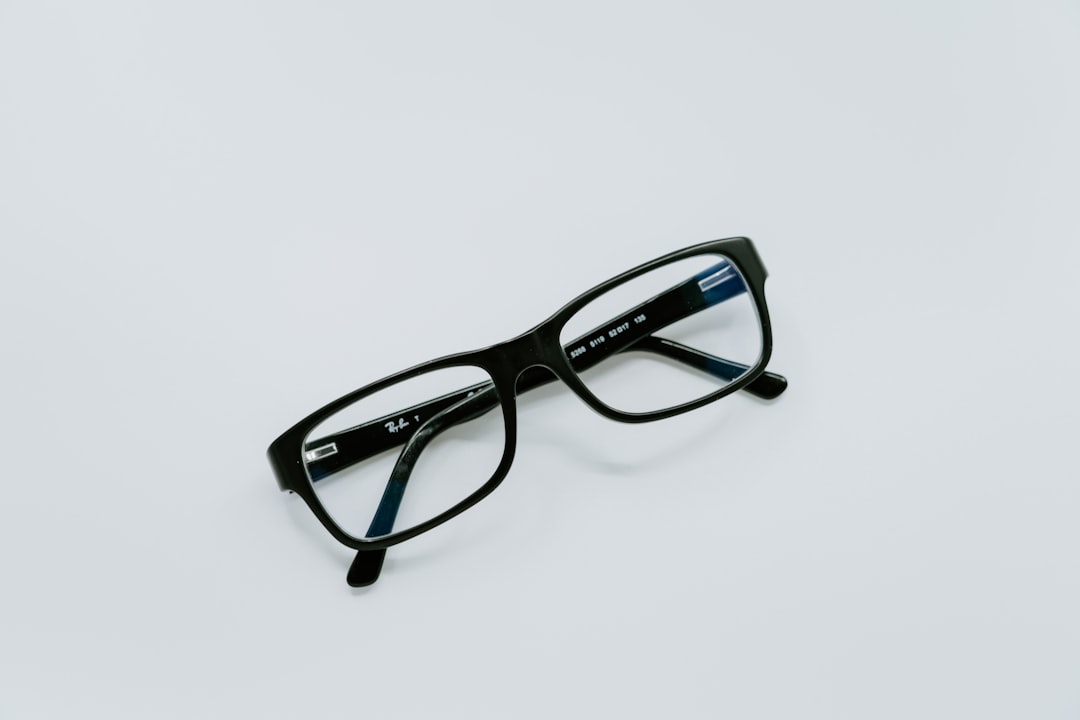
If you are deciding between single vision lenses and reading glasses, the real question is not which option is better in general, but which one matches the way you actually use your eyes each day. This guide explains the difference in plain language, shows how to compare both options when shopping online, and helps you choose the most practical pair for near work, distance viewing, or a mix of both. If you have ever wondered, “Do I need reading glasses or prescription glasses?” this is the place to start.
Overview
Here is the short version: reading glasses are made for close-up tasks, while single vision lenses are prescription lenses designed to correct one field of vision at a time. That field can be near, intermediate, or distance depending on what your prescription calls for.
This is where many shoppers get confused. Reading glasses are often discussed as if they are a separate category from prescription glasses, but they overlap. Some reading glasses are simple over-the-counter magnifiers with the same power in both lenses. Others are prescription reading glasses made to match your exact needs, including differences between your right and left eye, astigmatism correction, and custom lens positioning.
Single vision lenses, meanwhile, are defined by how they work, not by when you wear them. A single vision lens has one consistent prescription power across the lens. That prescription might be for distance, such as driving or watching a screen across the room, or for near work, such as reading, crafting, or desk tasks.
So when people compare single vision vs reading glasses, they are usually comparing one of these situations:
- Over-the-counter readers vs custom prescription single vision reading lenses
- Single vision distance glasses vs reading glasses for near work
- One all-purpose pair they hope will do everything vs separate task-specific pairs
The right choice depends on your prescription, your age, your daily routine, and your tolerance for switching between pairs.
As a basic rule:
- Choose reading glasses if your only problem is near vision and you do not need correction for distance.
- Choose single vision prescription lenses if you need precise correction for one distance range, whether that range is far away or up close.
- Consider a broader conversation about progressives or multifocal options if you need help at more than one distance and do not want to swap glasses often.
If you are shopping online, it also helps to understand your prescription details, including your pupillary distance measurement and whether you have astigmatism. For a practical ordering checklist, see Online Glasses Buying Checklist: What to Verify Before You Place an Order.
How to compare options
The easiest way to compare options is to ignore the marketing labels at first and focus on how, where, and how long you wear your glasses.
Use these five questions as your decision framework.
1. What distance do you need to see clearly?
This is the most important question. If your problem appears only when reading a menu, checking your phone, or working with a book in your lap, near vision correction may be enough. If road signs, classroom boards, or faces across the room are blurry, you are dealing with distance correction instead.
Single vision lenses can be made for either of those needs. Basic reading glasses are only for near work.
2. Do both eyes need the same correction?
Over-the-counter readers assume both eyes need the same magnification and that you do not need astigmatism correction. That works for some people, but not for everyone. If one eye differs from the other, or if your prescription includes cylinder and axis values, a custom prescription pair is usually the better fit.
This is one reason many shoppers who start with drugstore readers eventually move to prescription glasses online: comfort and clarity often improve when the lenses match the actual prescription instead of a generic approximation.
3. How long do you wear the glasses at a time?
For ten minutes of occasional menu reading, simple readers may be enough. For two to eight hours of computer work, professional reading, drafting, studying, or close handwork, lens accuracy and frame comfort matter much more. Small fit issues become noticeable over time.
Long wear sessions are also where lens upgrades can make a practical difference. Anti reflective coating may improve visual comfort under office lighting, and lighter lens materials may help reduce pressure on the nose if your prescription is stronger.
4. Are you trying to solve one problem or avoid switching pairs?
Some buyers want the best glasses for near vision and do not mind taking them off when walking around. Others want a pair they can wear all day. That second goal often leads people toward distance single vision glasses, separate reading glasses, or eventually progressive lenses if both near and far vision need correction.
If you are cost-comparing these setups, read How to Compare Eyeglass Prices Online Without Missing Lens Upgrade Costs. The frame price alone rarely tells the full story.
5. Will you use them in one environment or many?
A pair kept in the kitchen drawer for recipes is different from a pair worn in an office, on commutes, and during evening reading. The more settings your glasses need to handle, the more useful custom fit, durable materials, and carefully chosen lens options become.
If comfort matters because you wear glasses throughout the day, lightweight materials can make a noticeable difference. A helpful companion read is Lightweight Glasses Guide: Best Frame Materials for All-Day Comfort.
Feature-by-feature breakdown
To make the comparison practical, here is what each option does well and where each one tends to fall short.
Single vision lenses explained
Single vision lenses have one prescription power across the entire lens. That makes them straightforward, predictable, and easy to adapt to for many wearers. They are commonly used for:
- Distance correction for nearsightedness
- Near correction for reading or close work
- Intermediate correction for specific work distances, such as desktop monitor use
The key advantage is precision. Single vision prescription lenses can account for the full prescription in each eye, including sphere, cylinder, and axis values. They can also be centered more accurately to the wearer, which matters for both clarity and comfort.
Common reasons to choose single vision lenses:
- You have a current prescription from an eye exam
- Your right and left eye need different correction
- You have astigmatism
- You need distance glasses rather than near-only help
- You want a dedicated pair for reading, computer use, or driving
Potential downside:
- They only correct one range, so they are not a complete solution if you need help both near and far
What reading glasses are best for
Reading glasses are for near vision tasks. In common usage, the term often refers to ready-made readers sold in fixed strengths like +1.00 or +2.00. These can be useful if you only need mild near magnification and your eyes have similar needs.
They are often chosen because they are simple and accessible. If your distance vision is fine and you just need help with books, labels, or your phone, a basic pair may feel like an easy solution.
Common reasons to choose reading glasses:
- You only need help with close-up tasks
- You wear them briefly rather than all day
- You do not need astigmatism correction
- Both eyes are comfortable with the same magnification
- You want an inexpensive backup pair for occasional use
Potential downsides:
- Generic fit for the prescription rather than personalized correction
- No correction for distance vision
- Can cause discomfort if the strength is wrong or if your eyes differ significantly
Reading glasses vs distance glasses
This is a separate comparison that often gets mixed into the conversation. Distance glasses help you see objects far away more clearly. Reading glasses help with near tasks. Neither one is better overall; they simply solve different problems.
If your main issue is blurry distance vision, reading glasses will not fix it. If your issue is arm's-length text becoming hard to focus on, distance glasses are not the right tool unless your prescription specifically addresses that near range.
Put simply:
- Distance glasses = road signs, lecture screens, TV across the room, general far vision
- Reading glasses = books, labels, menus, phones, sewing, close paperwork
Comfort, fit, and frame choice
The lens type matters most, but frame choice should not be an afterthought. A pair used only for quick reading can tolerate a wider range of frame styles. A pair worn for long sessions should fit carefully at the bridge, temples, and lens width.
When shopping for premium eyewear or designer eyeglasses online, pay attention to:
- Frame width compared with your current well-fitting pair
- Bridge design and nose support
- Temple length
- Lens height if you prefer a larger reading area
- Material weight, especially for all-day wear
If you want frames that work across different outfits and face shapes, see Unisex Glasses Styles That Actually Work Across Different Face Shapes. If you are considering durability and lightness, Titanium Glasses Guide: Are Titanium Frames Worth the Price? is also useful.
Lens upgrades worth considering
Not every upgrade is necessary, but some make sense depending on how you use the glasses.
- Anti reflective coating: Helpful for reading under overhead lights, using screens, and reducing distracting reflections.
- Blue light filters: Often considered for screen-heavy routines, though comfort needs vary by user.
- High index lenses: Worth exploring if your prescription is stronger and you want thinner lenses.
- Scratch resistance and easy-clean coatings: Useful for glasses that live in bags, desks, or nightstands.
These choices matter more on frequently worn prescription pairs than on occasional backup readers.
Best fit by scenario
If you are still unsure which option to buy, these common use cases can help narrow it down.
Scenario 1: You only struggle with fine print up close
If distance vision is still clear and your near-vision need is occasional, reading glasses may be enough. This is especially true if both eyes are comfortable with the same magnification and you do not have a more complex prescription.
Best fit: simple reading glasses for occasional near tasks, or prescription reading glasses if you want more precise comfort.
Scenario 2: You have a real prescription and one eye differs from the other
If your exam shows different values by eye, or if astigmatism is part of the prescription, generic readers are usually a compromise. In this case, single vision prescription lenses for near work are often the better choice.
Best fit: custom single vision lenses made to your prescription.
Scenario 3: You need help for computer work but not for books in your lap
Computer distance sits between near and far for many users. Basic readers may feel too strong or not positioned well for a monitor. A dedicated single vision pair for intermediate use can be more comfortable for work.
Best fit: single vision computer glasses based on your prescription and working distance.
Scenario 4: You drive, walk, and read throughout the day
If your visual needs shift between distance and near tasks, one near-only pair will not cover everything. You may end up constantly taking glasses on and off or carrying multiple pairs.
Best fit: often separate distance and reading glasses, or a conversation with your eye care provider about progressive lenses if you want fewer swaps.
Scenario 5: You want a low-cost backup pair
If you already own a primary prescription pair, a simple reader or a secondary single vision pair can be useful to keep at work, in a travel bag, or by the bed. The better choice depends on whether that backup is for general use or only close-up tasks.
Best fit: readers for occasional near-only backup; single vision prescription glasses for a more versatile backup within one visual range.
Scenario 6: You are buying glasses online for the first time
First-time online buyers often do best with the most straightforward lens setup. Single vision lenses are generally simpler to order than more complex multifocal options, but only if you have an up-to-date prescription and accurate measurements. If you are considering readers without a prescription, be realistic about their limits.
Best fit: choose the simplest option that actually matches your need, and verify all measurements before ordering.
When to revisit
Your choice today may not be the best choice a year from now. Vision needs change, routines change, and online buying options change too. This is one of those eyewear topics worth revisiting whenever the inputs shift.
Reassess your decision if any of the following happens:
- Your current glasses no longer feel comfortable for the tasks you do most
- You start moving between near and distance work more often
- You notice headaches, squinting, or frequent refocusing
- Your eye exam results change
- You are replacing worn frames or scratched lenses
- You want a better pair for work, travel, or all-day wear
- Lens options, bundles, or return policies change when shopping online
If your current pair feels less effective than it used to, it may be time to review both your prescription and the condition of the glasses themselves. See When to Replace Your Glasses: Signs Your Frames or Lenses Are Past Their Prime.
Before you buy, use this simple action plan:
- Identify your main task: near, intermediate, or distance.
- Check whether both eyes need the same correction.
- Review your prescription for astigmatism or unequal powers.
- Decide whether the glasses are for occasional use or long daily wear.
- Compare total cost, including lens upgrades, not just frame price.
- Measure carefully and confirm return terms before placing an online order.
And once your glasses arrive, proper care helps them last longer and perform better. A quick refresher on maintenance can save you from avoidable scratches: How to Clean Glasses Properly Without Scratching the Lenses.
The bottom line is simple. If you need close-up help only and your eyes are uncomplicated, reading glasses may be enough. If you need precise, prescription-based correction for near, intermediate, or distance vision, single vision lenses are the more accurate tool. Buy based on the distance you need to see clearly, not just the label on the product page.