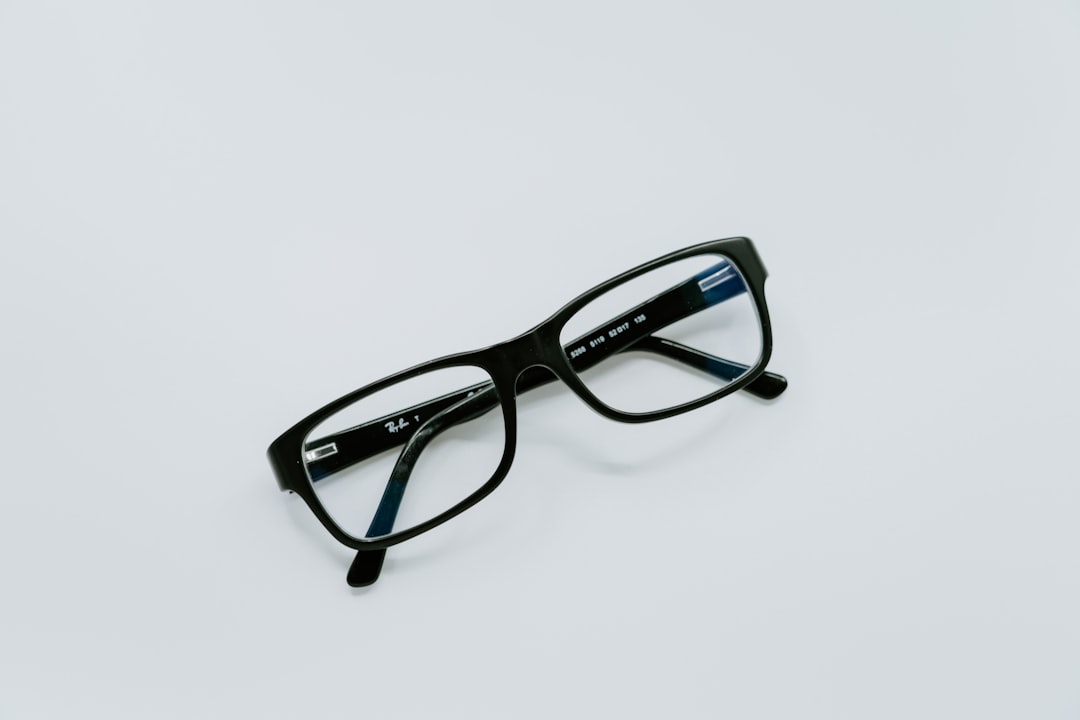
Titanium frames have a reputation for being light, durable, and expensive—but that does not automatically make them the right choice for every glasses buyer. This guide helps you make a practical decision. You will learn what titanium usually offers, how to estimate whether the upgrade is worth the price for your own prescription and wearing habits, which inputs matter most when comparing frames online, and when it makes sense to recalculate your decision as prices, prescriptions, or daily needs change.
Overview
If you are shopping for premium eyewear, titanium glasses often appear in the same conversation as designer eyeglasses, lightweight glasses frames, and other premium metal frames. The appeal is straightforward: titanium is commonly associated with low weight, corrosion resistance, and a clean, understated look that works well in both professional and casual settings. For many buyers, that combination feels worth paying more for. For others, the premium is hard to justify once lenses, coatings, and prescription upgrades are added to the cart.
The better question is not simply are titanium frames worth it. It is worth it for whom, under which conditions, and compared with what alternative. A person who wears glasses all day, dislikes pressure on the nose, and wants a durable frame for travel or long workdays may value titanium differently than someone who rotates several fashion pairs and mainly wants a statement shape.
That is why a titanium glasses guide should start with buying context rather than material mythology. Frame materials matter, but they are only one part of the final experience. Comfort depends on fit. Durability depends on design as much as metal type. Style depends on shape, finish, bridge fit, and how the frame sits on your face. Lens thickness and weight can also change how “light” a pair actually feels once your prescription is installed.
As a broad rule, titanium can be a smart upgrade when you want:
- a frame that feels especially light for all-day wear
- a refined, minimal aesthetic rather than a bold acetate look
- a material that is often a good fit for warm climates, commuting, or frequent travel
- a premium frame you expect to wear often, not occasionally
It may be less compelling when you want:
- the thick, sculptural look of acetate frames
- a lower-cost backup pair
- highly trend-driven styling over long-term versatility
- a frame where the design itself matters more than the material
If you are still deciding between material families, it helps to compare titanium with other options before focusing on brand or finish. Our guide to acetate vs metal glasses frames is a useful companion if you are trying to understand the tradeoffs in comfort, durability, style, and price.
For most online shoppers, the real decision comes down to value. Titanium eyeglass frames benefits are meaningful, but only if they align with your use case. The sections below will help you estimate that value in a repeatable way.
How to estimate
Use this section to turn a vague preference into a buying decision. The simplest way to estimate whether titanium is worth the price is to score the frame upgrade against four practical factors: wear time, comfort priority, replacement expectations, and total order cost.
Think of it as a personal value calculator rather than a universal rule.
Step 1: Start with your wear pattern
Ask how often you will actually wear the pair.
- Primary everyday pair: Titanium is often easiest to justify here because small comfort improvements are felt all day.
- Work-only pair: Titanium may still make sense if you spend long hours in glasses, especially at a desk or in meetings where low weight and clean styling matter.
- Occasional or fashion pair: The material premium can be harder to justify unless titanium is central to the look you want.
Step 2: Estimate your sensitivity to frame weight and pressure
Some buyers notice every gram. Others barely register frame weight unless the fit is poor. If you have had issues with nose pressure, temple fatigue, sliding, or a frame that simply feels “there” all day, lightweight glasses frames may have more value to you than to someone who adapts easily to most materials.
Be careful, though: frame shape, lens size, bridge design, and lens material all influence the final feel. A titanium frame with large lenses and a strong prescription may not feel as light as you expect. If your prescription is moderate to strong, lens choices can matter just as much as frame material. See High-Index Lenses Explained for a practical guide to when thinner lenses are worth considering.
Step 3: Compare the premium, not just the price tag
When buyers ask whether titanium frames are worth it, they often compare the total price of one titanium pair with one cheaper pair. A better method is to compare the extra amount paid for titanium against the extra benefits you expect to receive.
Use this simple formula:
Estimated titanium value = comfort benefit + durability benefit + style satisfaction + wear frequency benefit - premium paid
You do not need exact numbers. A rating system works well:
- Rate each benefit from 1 to 5
- Rate the premium paid from 1 to 5
- If the combined benefits clearly outweigh the premium, titanium is more likely to be worth it for you
Example scoring:
- Comfort benefit: 5
- Durability benefit: 4
- Style satisfaction: 4
- Wear frequency benefit: 5
- Premium paid: 3
That profile usually points toward yes.
Step 4: Consider cost per wear
This is one of the most useful ways to judge premium eyewear. If you expect to wear one pair most days for a long period, a higher upfront cost can make sense. If you regularly switch among several pairs, the value of paying more for one frame may be lower.
You do not need a precise lifespan estimate. Just ask:
- Will this be my main pair?
- Will I wear it for long stretches at a time?
- Do I want a frame that disappears on the face rather than makes a bold statement?
- Would I regret buying the cheaper option if it feels heavier or less refined?
If most of your answers are yes, titanium moves up the list.
Step 5: Make sure the frame style still works for your face and wardrobe
No material upgrade can fix a poor shape choice. Before paying more for titanium, make sure the frame width, bridge fit, lens height, and silhouette actually suit you. A well-chosen stainless or acetate frame will almost always beat an expensive titanium frame that misses on fit or style. If you need help narrowing silhouettes, our guide to the best glasses for face shape can help you filter options more effectively.
Inputs and assumptions
To make a sensible estimate, use the same inputs each time you compare frames. This keeps the decision grounded, especially when shopping for prescription glasses online.
1. Frame role
Define whether the pair is your everyday pair, office pair, travel pair, backup pair, or style pair. Titanium tends to deliver the strongest value when the frame has a high-use role.
2. Prescription complexity
Your prescription changes how a frame performs. Stronger prescriptions can increase lens thickness and weight, making lens material more important. Progressive lenses can also influence frame choice because they typically need enough lens height and a stable fit. If you are combining titanium with multifocal wear, review Progressive Lenses vs Bifocals vs Single Vision before choosing a very small or highly stylized frame.
If you are unsure how to read your prescription, use How to Read Your Eyeglass Prescription first. It will help you separate frame decisions from lens decisions.
3. Lens package
The frame is only part of the order total. A buyer who is focused only on frame material can underestimate how much lens upgrades shape both cost and comfort. Include these assumptions in your estimate:
- single vision, progressive, or reading lens type
- standard or high-index lens material
- coatings such as anti-reflective, scratch-resistant, UV, or hydrophobic treatments
- blue-light filtering if relevant to your work habits
If you need a refresher on coatings, see Lens Coatings Comparison. For blue-light decisions, a grounded place to start is Blue Light Glasses vs Blue Light Filter Lenses.
4. Fit confidence
Online shoppers often overfocus on material and underfocus on fit data. Frame width, lens width, bridge width, and temple length all matter. So does your pupillary distance when ordering prescription lenses. If you are buying glasses online, include a fit-confidence check in your estimate:
- Do you know your current frame measurements?
- Do you have a pair that already fits well?
- Can you compare bridge style and frame width accurately?
- Do you have an up-to-date PD measurement?
If not, read How to Measure PD at Home and use your current pair as a reference before paying a premium for any frame material.
5. Style horizon
How long do you want the frame to feel current? Titanium often suits buyers who prefer quiet, versatile, unisex eyewear that can cross seasons and dress codes. If your style changes quickly, the premium may be harder to spread over time.
6. Maintenance expectations
No frame material is maintenance-free. The practical question is whether you want a frame that tends toward subtle long-term wear rather than obvious visual aging. Buyers who are hard on glasses should also pay attention to hinge design, nose pad construction, and overall frame engineering—not just whether the listing says titanium.
7. Your comparison baseline
Always compare titanium against a realistic alternative: another quality metal frame, a well-made acetate frame, or a lower-cost backup option. If the alternative already solves your comfort and style needs, titanium may be an upgrade without a meaningful payoff. If the alternative leaves you with known annoyances, the premium may be easier to justify.
Worked examples
These examples use simple assumptions rather than fixed market prices. The point is to show how the decision framework works.
Example 1: The everyday office wearer
You wear glasses from morning to evening, mostly for work. You value a clean look, often use video calls, and dislike heavy frames by late afternoon. Your pair will be worn almost every day, and you want something understated rather than trend-led.
Estimated result: Titanium is often worth stronger consideration.
Why: High wear frequency increases the value of lightweight comfort. A simple titanium shape also tends to integrate well with professional wardrobes. In this scenario, the premium is spread across many hours of use.
Example 2: The style-first buyer with multiple pairs
You rotate several frames depending on outfit, season, or mood. You enjoy shape and color variation more than low weight, and no single pair dominates your week.
Estimated result: Titanium may be optional rather than necessary.
Why: The cost-per-wear case is weaker. If your priority is visual variety, acetate or another material may deliver more obvious style differentiation for the same budget.
Example 3: The strong prescription shopper
You need prescription glasses online and are considering titanium because you want the lightest possible pair. However, your prescription may require thicker or heavier lenses unless you choose a thinner lens material.
Estimated result: Recalculate before deciding.
Why: In this case, lens choices may have as much effect on comfort as the frame material. Titanium could still be worthwhile, but only if paired with a lens setup that supports the goal. Review high-index lenses before treating frame material as the whole solution.
Example 4: The travel and commuting buyer
You wear one pair frequently, move between work and transit, and want something that feels light, easy, and adaptable across settings. You care less about bold fashion and more about low-friction daily use.
Estimated result: Titanium often makes practical sense.
Why: A premium material can feel more justified when your main goal is dependable everyday comfort in varied conditions.
Example 5: The progressive-lens buyer choosing a small frame
You want a sleek titanium frame but also need progressive lenses. The frame you like is visually minimal and somewhat shallow.
Estimated result: Pause and verify fit and lens suitability first.
Why: Progressives need enough usable lens area and a stable fit. Titanium can still be a good choice, but the shape has to support the lens design. Frame material should not override lens function.
When to recalculate
Your answer can change over time, which is exactly why this topic is worth revisiting. Recalculate your titanium decision when one of these inputs changes:
- Your prescription changes. New lens thickness, a move to progressive lenses, or a different lens material can alter the comfort equation.
- Your wearing habits change. A pair that was once occasional may become your primary work pair.
- Your budget changes. The premium may feel more or less justified depending on what else is in the order.
- You are comparing different frame categories. Switching from bold acetate frames to minimalist metal eyeglass frames changes the style goal.
- Online pricing moves. If the difference between titanium and alternatives narrows or widens, your value estimate should change with it.
- You have learned more about your fit. Better measurements, a clearer sense of bridge preference, or a successful previous online order can make a premium purchase less risky.
Before you check out, use this quick action list:
- Decide whether the pair is everyday, occasional, or specialized.
- Compare titanium against one real alternative, not a vague cheaper option.
- Include lens upgrades in the total decision, especially high-index or progressive lenses.
- Confirm your measurements and PD before ordering online.
- Make sure the frame shape suits your face, not just your wish list.
- Choose titanium because it improves your daily experience, not just because it sounds premium.
So, are titanium frames worth the price? For many shoppers, yes—especially when comfort, low weight, and long-term wear matter more than bold material expression. But titanium is best understood as a targeted upgrade, not an automatic one. If you estimate its value against your actual use, rather than its reputation, you are far more likely to end up with premium eyewear that feels worth it every time you put it on.