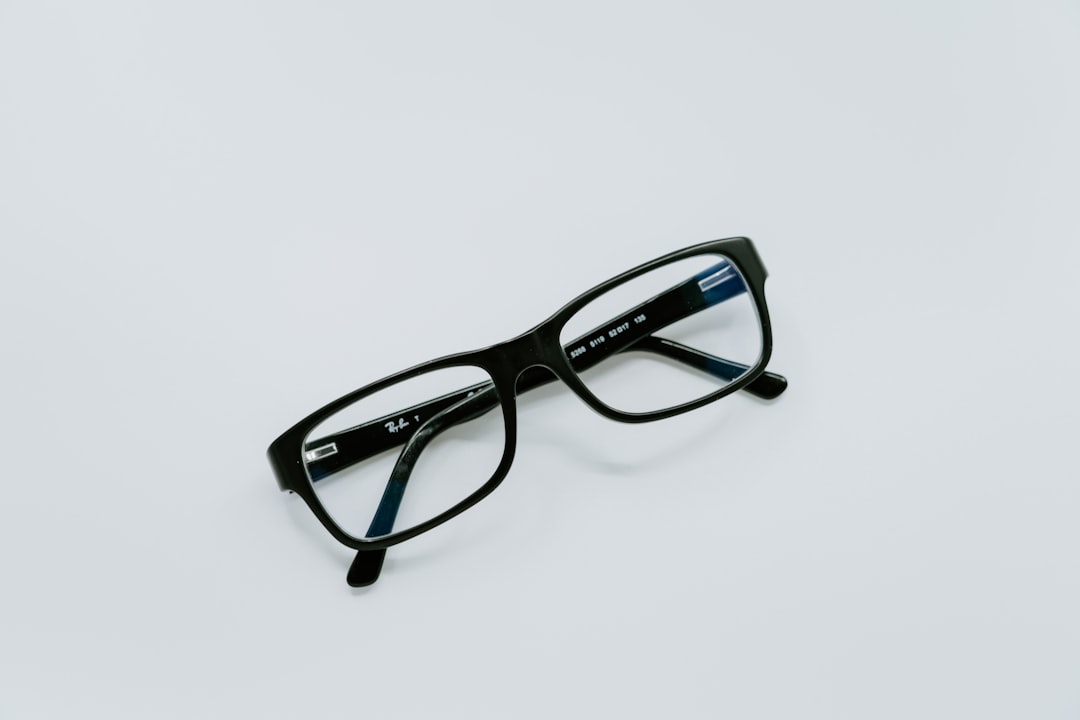
Choosing between acetate and metal glasses frames is less about which material is universally better and more about which one fits your prescription, comfort needs, style preferences, and replacement cycle. This guide gives you a practical way to compare acetate vs metal glasses frames over time, including how they tend to feel on the face, how they wear, what details affect durability, and how to estimate value before you buy glasses online.
Overview
If you are trying to decide on the best frame material for glasses, it helps to start with a simple truth: frame material affects daily experience more than many shoppers expect. Two pairs can carry the same prescription lenses and look equally polished in product photos, yet feel completely different after a full workday, a commute, or a summer afternoon outdoors.
Acetate frames and metal eyeglass frames each have clear strengths. Acetate is often chosen for color depth, bolder shapes, and a more substantial feel. Metal is often chosen for its lighter profile, cleaner lines, and easier nose-pad adjustment. Neither category is automatically more premium. In premium eyewear, quality depends on execution: hinge construction, finishing, fit, lens compatibility, and how well the frame suits your routine.
For most buyers, the comparison comes down to four questions:
- Comfort: Which material will feel better for long wear?
- Durability: Which frame is more likely to hold up in your habits and environment?
- Style: Which material supports the look you want, from subtle to statement?
- Price over time: Which option gives better value once you factor in adjustments, repairs, and replacement timing?
That last point matters. Many shoppers focus only on the listed frame price, but total ownership cost can be shaped by how often the frame needs tune-ups, whether the bridge fit works for your nose shape, and whether your lenses are likely to be thick, heavy, or progressive. If you wear glasses every day, a frame that is slightly better matched to your use case may be the better buy even if the upfront cost is higher.
As a quick rule of thumb, acetate frame benefits tend to show up most in style expression, color richness, and all-in-one bridge simplicity. Metal vs plastic eyeglass frames often tilts in favor of metal when a shopper wants a lighter visual profile, adjustable nose pads, or a more understated work pair. But there are important exceptions, especially once lens thickness, face shape, and fit are part of the decision.
If you are still narrowing down silhouette first, our guide to best glasses for face shape can help before you compare materials in detail.
How to estimate
Here is a repeatable way to compare acetate vs metal glasses frames without guessing. Think of the decision as a scorecard rather than a single yes-or-no question.
Step 1: Rate your wearing pattern.
- Daily wear, 8 to 14 hours
- Part-time wear, mostly computer or driving
- Occasional wear, backup or style pair
The more hours you wear glasses, the more comfort and fit precision matter.
Step 2: Identify your fit sensitivity.
- Do glasses slide easily on your nose?
- Do your ears get sore from temple pressure?
- Do you need a very precise bridge fit?
- Have adjustable nose pads worked well for you in the past?
Metal frames often have an advantage for fine-tuning because many styles include adjustable nose pads. Acetate can still fit very well, but fit depends more on how the frame’s built-in bridge and temple geometry match your features from the start.
Step 3: Consider your prescription and lens plan.
- Single vision or progressive lenses?
- Higher prescription that may benefit from thinner lenses?
- Need for blue light filter, anti reflective coating, or photochromic options?
Frame choice and lens choice interact. A stronger prescription may change how heavy the finished glasses feel. A frame with a deeper lens area may work better for some progressive lenses. If your prescription is stronger, review when thinner high-index lenses are worth the upgrade and which lens type makes sense before choosing a frame purely on appearance.
Step 4: Estimate upkeep over two years.
You do not need exact prices. Use relative inputs:
- Initial frame cost: lower, medium, or higher within your budget
- Adjustment frequency: rarely, sometimes, often
- Repair likelihood: low, moderate, high based on your habits
- Replacement likelihood: fashion refresh, accidental damage, or prescription change
Step 5: Score each material from 1 to 5 in the categories below.
- Long-wear comfort
- Fit adjustability
- Durable glasses frame material for your routine
- Style flexibility
- Compatibility with your lenses
- Value over expected ownership period
This simple calculator-style approach keeps the decision grounded. It is especially useful when comparing designer eyeglasses online, where photos highlight style but not how a frame behaves after months of wear.
If you are ordering prescription glasses online, verify your prescription details and measurements before committing. Our eyeglass prescription guide and PD measurement guide can help reduce ordering errors that get mistaken for frame problems.
Inputs and assumptions
To compare materials fairly, you need to understand what is actually being compared. “Acetate” and “metal” are broad labels, not guarantees of quality. Construction details matter.
Acetate frames: what to assume
Acetate frames are typically associated with a thicker, sculpted look and richer color options than many injected plastic frames. In premium eyewear, acetate frames often stand out for layered tones, polished surfaces, and shapes that feel substantial without being overly heavy when made well.
Common advantages:
- Strong style presence, from classic tortoise to translucent neutrals
- Smooth finish and warmer hand feel
- No separate nose pads on many designs, which some wearers prefer for simplicity
- Can visually balance thicker lenses better in many full-rim styles
Common tradeoffs:
- May feel heavier than a slim metal frame
- Bridge fit is less adjustable in many designs
- Thickness can feel bulky for buyers who want a minimal look
- Some wearers notice more slipping in warm weather if the bridge fit is not ideal
Acetate often works well for shoppers who want a statement frame, a vintage-inspired silhouette, or fuller rims that pair well with stronger prescriptions.
Metal frames: what to assume
Metal eyeglass frames often deliver a lighter visual footprint and, in many styles, a more adjustable fit. They can range from fine wireframe looks to more architectural shapes with thicker rims or mixed-material construction.
Common advantages:
- Often lighter in feel, especially in thinner designs
- Adjustable nose pads can improve fit precision
- Clean, refined appearance that works well in professional settings
- Good option for buyers who want eyewear to feel less visually dominant
Common tradeoffs:
- Nose pads may require maintenance or replacement over time
- Very thin metal styles can feel less substantial to some wearers
- Finish wear may show differently depending on use and care
- Some buyers simply prefer the tactile feel of acetate over exposed metal
Metal is often a strong choice for glasses for work, unisex eyewear styles, and shoppers who know they need fit adjustments after purchase.
Lens and lifestyle assumptions that change the answer
The best frame material for glasses changes when one of these inputs changes:
- Prescription strength: Higher prescriptions may make lens thickness and weight more relevant.
- Lens type: Progressive lenses may benefit from specific frame depths and stable fit.
- Environment: Heat, humidity, commuting, and travel affect wear patterns.
- Use case: Office pair, all-day pair, fashion pair, or backup pair.
- Personal habits: Frequent on-off use, carrying glasses loosely in a bag, or wearing them on top of the head can stress frames.
If you are evaluating lens upgrades alongside frame material, it helps to compare coatings too. Our lens coatings comparison covers anti reflective coating and related options that can matter as much as the frame itself for day-to-day satisfaction.
A practical comparison table in words
For comfort, metal often wins on adjustability; acetate often wins for wearers who dislike nose pads and prefer a smoother, single-piece feel across the bridge.
For durability, neither material wins universally. The durable glasses frame material for you depends on where stress occurs. If your glasses frequently need bridge or pad adjustments, metal may be easier to tune. If you want a sturdier full-rim presence and do not need much bridge adjustment, acetate can be an excellent daily option.
For style, acetate usually offers more visible color and shape personality. Metal usually offers more visual restraint and versatility across dress codes.
For price, the smart comparison is not acetate vs metal in the abstract. It is the specific frame design, brand positioning, finish quality, and how long you realistically expect to keep the pair.
Worked examples
These examples use assumptions rather than fixed prices, so you can adapt them as collections and pricing change.
Example 1: Daily office wear with long screen time
Profile: Wears glasses 10 hours a day, wants a polished look for meetings, has a moderate prescription, and values a lightweight feel.
Likely priorities: Comfort, low facial fatigue, professional styling, anti-glare performance.
Material lean: Metal may come out ahead if adjustable nose pads help fine-tune the fit and reduce slipping during long workdays. A thinner visual profile can also feel less distracting on the face.
What to check before buying: Temple length, bridge design, and whether the lens shape is deep enough if progressive lenses are involved. If blue-light-related features are part of the plan, compare marketing claims carefully with our articles on what blue light glasses actually do and blue light glasses vs blue light filter lenses.
Example 2: Stronger prescription and thicker lenses
Profile: Higher prescription, wants the finished glasses to feel balanced and look intentional rather than lens-heavy.
Likely priorities: Lens edge appearance, frame stability, all-day wear.
Material lean: Acetate often becomes more attractive here, especially in full-rim shapes that can visually integrate lens thickness better. The frame may look more substantial in a way that feels deliberate rather than compensatory.
What to check before buying: Ask whether high index lenses are recommended and avoid choosing a frame solely by frontal appearance. Side profile matters more with stronger prescriptions.
Example 3: Minimalist style and frequent fit adjustments
Profile: Prefers subtle eyewear, has a nose bridge that makes fit difficult, and often needs adjustments after a few weeks.
Likely priorities: Fit precision, low-profile design, easy maintenance.
Material lean: Metal is often the practical choice because adjustable nose pads allow more granular tuning. That can save time and frustration over the life of the pair.
What to check before buying: Hinge feel, pad comfort, and whether the frame is too narrow to begin with. Material will not fix a wrong size.
Example 4: Fashion-forward pair for weekend wear
Profile: Already owns a practical work pair and wants a second pair with more color or personality.
Likely priorities: Style, texture, trend flexibility, occasional wear comfort.
Material lean: Acetate frame benefits are often easiest to appreciate here. Bolder silhouettes, translucent colors, and thicker rims can make the second pair feel meaningfully different from an everyday neutral frame.
What to check before buying: Whether the frame still supports your actual prescription needs. A style-first pair should still fit your lenses and face well.
Example 5: Value-focused online shopper
Profile: Wants to buy glasses online with fewer surprises and is comparing several frame materials at once.
Likely priorities: Reliable fit, easy lens pairing, sensible long-term value.
Material lean: Either material can work, but the safer decision usually comes from past experience. If your current acetate pair fits comfortably and stays in place, similar measurements may reduce risk. If your current best-fitting pair relies on adjustable nose pads, metal may be the more repeatable online choice.
What to check before buying: Compare size numbers, lens width, bridge width, temple length, and return terms. For budget planning, our piece on designer eyeglasses vs affordable glasses can help you decide where material, lenses, and branding matter most.
When to recalculate
Revisit the acetate vs metal decision whenever one of the underlying inputs changes. This is the part many shoppers skip, and it is often why a frame that once worked well suddenly does not.
Recalculate if your prescription changes. Even a modest change can alter lens weight, edge thickness, and how stable a frame feels. A material that was comfortable with a lighter lens build may feel different later.
Recalculate if you switch lens type. Moving from single vision to progressive lenses can change your ideal frame depth, stability needs, and comfort priorities.
Recalculate if your daily routine changes. More commuting, more travel, more screen time, or more outdoor use can all shift what matters. If you are adding sunglasses to the mix, see our guide to sunglasses for driving for lens considerations that are separate from optical frame style.
Recalculate when collection pricing changes. Since this is a standing comparison, frame value should be reviewed whenever current assortments or promotions move enough to affect the gap between acetate and metal options. A small price difference may justify choosing the better fit. A larger difference may push you toward a more practical second-best option if the use case is occasional.
Recalculate after repeated adjustments. If one type of frame regularly needs tune-ups, that is meaningful data. What seems like a minor inconvenience in the first month often turns into a clear pattern by month six.
Before your next purchase, use this short checklist:
- Write down your current best-fitting frame measurements.
- List your wear pattern: all-day, work-only, or occasional.
- Note whether you prefer adjustable nose pads or a molded bridge.
- Confirm your prescription details and PD.
- Decide whether style subtlety or visual impact matters more for this pair.
- Estimate your ownership period: one season, one to two years, or longer.
- Score acetate and metal from 1 to 5 on comfort, adjustability, durability, style, and value.
If the scores are close, choose the material that best matches your strongest pain point. For many buyers, that is comfort. For others, it is lens compatibility or appearance. The right answer is usually not the frame that looks best in isolation, but the one that makes the complete pair easier to live with.
In the end, acetate vs metal glasses frames is not a trend question. It is a fit-and-use question. Acetate tends to reward shoppers who want expressive style, fuller rims, and a substantial feel. Metal tends to reward shoppers who want precise adjustability, lightweight wear, and cleaner visual lines. Compare them using your own inputs, and the better material usually becomes clear.