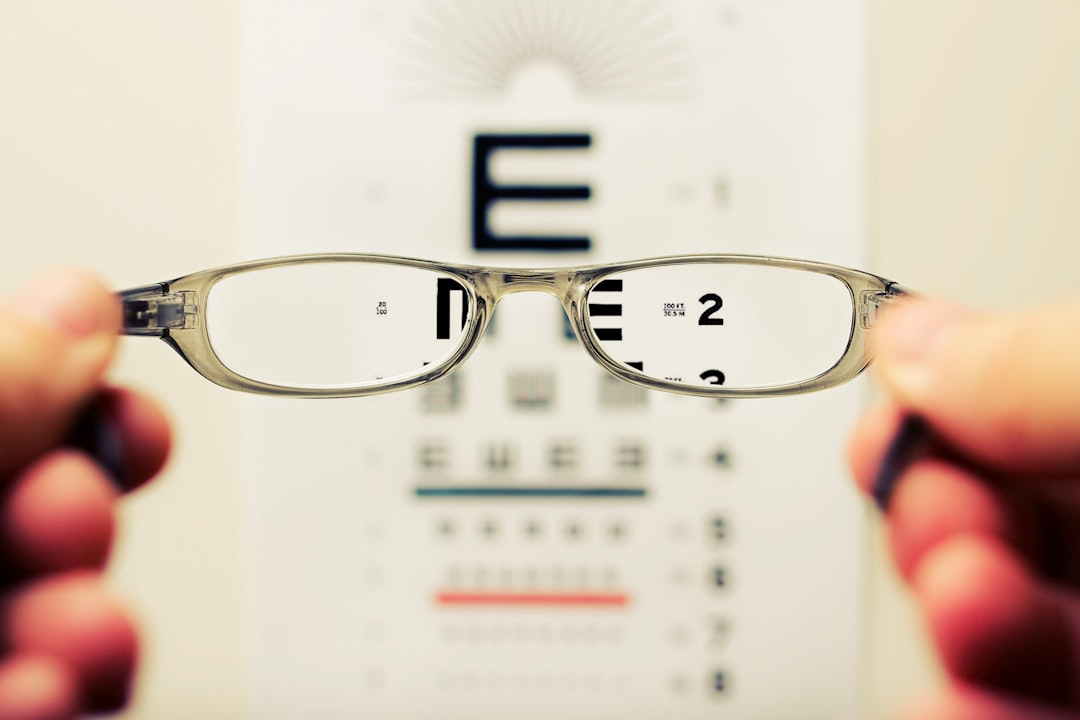
If you spend hours each day looking at a monitor, laptop, tablet, or phone, the right glasses can make work feel easier and more stable. This computer glasses guide explains who needs computer eyewear, which lens features actually matter, and how to review your setup over time so your glasses keep matching the way you work. Rather than treating computer glasses as a single product category, it helps to think of them as a practical combination of prescription, lens design, coatings, and fit choices built around your screen distance and daily habits.
Overview
Here is the short version: computer glasses are most useful when your regular glasses are not optimized for the distance and conditions of screen work. That may mean you wear distance glasses all day even though your monitor sits at an intermediate range. It may mean your progressive lenses work well for general life but feel less comfortable during long desk sessions. Or it may mean you have no prescription at all, but still want better comfort from glare control, stable focus, and predictable fit.
Computer eyewear is often discussed alongside blue light glasses, but that framing can be too narrow. For most shoppers, the more important questions are practical ones:
- What distance do you use most while working?
- Do you switch often between screen, keyboard, desk, and people across the room?
- Are you dealing with glare from overhead lighting or windows?
- Do your current lenses feel tiring by the end of the day?
- Do your frames stay comfortable through long wear?
The best lenses for computer work depend on those answers. A person using a large desktop monitor at a fixed workstation may need something different from someone moving between a laptop, phone, meetings, and commuting. In other words, computer glasses are less about a trend and more about matching lens design to task distance.
Who is most likely to benefit from computer glasses?
- Office workers and remote workers who spend multiple hours on screens at a consistent distance.
- People with progressives who find themselves tilting their head to locate the clearest part of the lens.
- Contact lens wearers who want a dedicated pair of glasses for desk work and evening screen time.
- Students switching between documents, tablets, and lectures.
- Creative professionals who need stable focus and controlled reflections for detailed visual work.
- Anyone with eye strain symptoms that seem linked to prolonged near and intermediate tasks.
That last point needs one calm clarification: discomfort during screen use is not always caused by the glasses themselves. Workspace lighting, monitor height, dry eyes, poor posture, and an outdated prescription can all contribute. Computer eyewear can help, but it works best as part of a larger comfort setup.
For shoppers comparing options online, it is helpful to separate lens decisions into four categories:
- Prescription type: none, single vision, occupational, reading, or progressive.
- Working distance: near, intermediate, or mixed use.
- Lens features: anti reflective coating, scratch resistance, material choice, optional filtering.
- Frame fit: comfort, stability, and lens area that supports your viewing habits.
If you are still deciding between task-specific lenses and a more general pair, a useful companion read is Single Vision vs Reading Glasses: Which Option Should You Buy?. It helps clarify where computer use fits between reading-only and broader daily wear.
Which lens features matter most for office glasses?
The single most consistently useful upgrade for computer eyewear is an anti reflective coating. Reflections from monitors, task lamps, and overhead lights can make lenses feel visually busy, even when the prescription is correct. A good anti reflective coating helps reduce distracting reflections and can make screen viewing feel cleaner.
Other helpful features often include:
- Appropriate lens design for your working distance, especially if your monitor sits farther away than reading material.
- Reasonable lens material selection, such as high index lenses for stronger prescriptions when thinner lenses improve comfort and appearance.
- Scratch resistance and easy-care coatings, which matter if your work pair is handled often or carried between desk, bag, and commute.
- Blue-light filtering options, if you prefer them or find they suit your environment, though they should be seen as optional rather than the entire purpose of computer glasses.
Frame choice matters too. Lightweight frames with a secure fit often feel better over long work sessions than heavier styles that slide or pinch. For many shoppers, all-day wear comfort comes down to stable nose support, temple pressure, and enough lens height to avoid constantly adjusting your posture. If comfort is a top concern, Lightweight Glasses Guide: Best Frame Materials for All-Day Comfort is worth bookmarking.
Maintenance cycle
Computer glasses are not a one-time decision. The best way to keep them useful is to review them on a regular cycle, especially if your work habits or devices change. A simple maintenance routine makes this topic worth revisiting instead of treating it as solved forever.
A practical review cycle looks like this:
Every 3 to 6 months: check your work pattern
Ask whether your screen setup still matches the pair you wear. Did you move from office desktop to laptop-only work? Add a second monitor? Start working on a tablet during travel? Change from part-time to full-time screen work? Even small changes in average viewing distance can affect comfort.
Every 6 to 12 months: review lens performance
Look for signs that your lenses are no longer serving the task well. Are reflections more noticeable? Do the lenses look scratched or hazy? Have you started removing your glasses to read or leaning back to see the monitor clearly? Those are useful clues.
At each eye exam: discuss actual screen distance
Bring a realistic description of your work. Many people simply say they use a computer, but that leaves out the details that matter. Mention how far away your monitor sits, whether you use two screens, whether you read printed documents, and whether you need to see coworkers or a presentation screen across the room.
Whenever you replace frames: revisit lens goals too
Frame changes affect more than style. Different lens heights, wrap, and fit can change how practical a pair feels for desk work. If you buy glasses online, review frame dimensions and your pupillary distance measurement carefully. A style that looks good in photos may not be ideal if it sits too low or feels unstable during long wear.
This maintenance approach is especially useful when buying prescription glasses online. Online shopping makes it easier to compare lens upgrades, but it also puts more responsibility on the shopper to verify details. Before ordering, review total cost, lens options, and fit assumptions rather than focusing only on the frame price. Two helpful resources are How to Compare Eyeglass Prices Online Without Missing Lens Upgrade Costs and Online Glasses Buying Checklist: What to Verify Before You Place an Order.
A simple computer glasses maintenance checklist:
- Confirm your current prescription is still accurate for screen work.
- Measure or estimate your usual monitor distance.
- Check if your main task is near, intermediate, or mixed range.
- Inspect lens coatings for scratches, haze, or peeling.
- Evaluate glare in your workspace at different times of day.
- Make sure the frame still sits level and does not slide.
- Notice whether you are changing posture to find a clear zone.
- Clean lenses properly so dirt is not mistaken for optical fatigue.
On that last point, daily maintenance matters more than many shoppers realize. Dirty lenses increase scatter and reduce clarity, especially under office lighting. If your glasses always look smeared by midafternoon, proper cleaning is part of comfort, not just appearance. See How to Clean Glasses Properly Without Scratching the Lenses for a reliable cleaning routine.
Signals that require updates
This section helps you identify when your current computer eyewear setup deserves a closer look. Not every symptom means you need new glasses, but several repeated patterns usually point to a lens, fit, or usage mismatch.
1. You lean forward or backward to find clarity.
If you keep changing your body position to make the monitor look sharper, your lenses may not be optimized for that distance. This is common with people using general progressives for desk work.
2. You tilt your chin up or down through the day.
Head posture is a major clue. If you are “searching” through the lens for a usable area, an occupational lens or dedicated computer pair may be a better fit than your current everyday design.
3. Reflections bother you more than they used to.
Glare complaints can come from lighting changes, but they can also signal worn coatings, dirt buildup, or a need for a better anti reflective coating.
4. Your work setup changed.
A new monitor size, dual-screen arrangement, standing desk, or laptop-heavy routine can shift your ideal lens choice. The glasses did not necessarily get worse; the job changed.
5. You get through the morning fine but struggle later.
This pattern often suggests cumulative fatigue rather than immediate blur. Lens comfort, frame weight, dryness, and concentration habits may all be involved.
6. You remove your glasses for some tasks and put them back on for others.
If you are constantly switching, that behavior is telling you something. It may mean your all-purpose pair is not truly all-purpose for your workflow.
7. Your lenses show visible wear.
Scratches, coating wear, and persistent haze reduce visual quality in subtle ways. If the pair is aging, review whether it is time to replace it. When to Replace Your Glasses: Signs Your Frames or Lenses Are Past Their Prime offers a practical replacement framework.
8. You are shopping with a new prescription.
Any prescription change is a natural moment to reconsider whether your next pair should be optimized for work rather than just general use.
9. Search language and product labeling have become confusing.
When shopping online, terms like computer eyewear, blue light glasses, office lenses, reading glasses, and work progressives can overlap. If product pages emphasize one feature while leaving out working distance or lens design details, slow down and verify what is actually being sold.
For readers trying to keep this topic current, this is one of the most important update triggers: when search intent shifts, the best guidance may need refreshing too. If online stores increasingly market all screen-related eyewear as blue light glasses, it becomes even more valuable to revisit the basics and ask what problem the lenses are solving.
Common issues
Most disappointment with computer glasses comes from a few predictable mistakes. Knowing them in advance helps you buy more confidently and avoid paying for upgrades that do not match your real needs.
Issue 1: Treating all screen use as the same.
Working on a phone in short bursts is not the same as spending eight hours at a desktop monitor. Near and intermediate tasks place different demands on the eyes and on lens design. The more specific you are about your primary use, the better your outcome tends to be.
Issue 2: Buying blue light filtering and ignoring everything else.
Some shoppers focus only on blue-light filtering because it is easy to market and easy to compare. But if the prescription, lens type, and anti reflective coating are wrong for your task, filtering alone is unlikely to fix the real problem. In many cases, office glasses lens features that affect clarity and reflections matter more.
Issue 3: Using general progressive lenses for long desk sessions without testing comfort.
Progressive lenses are useful for many people, but a general-purpose progressive is a compromise by design. It supports multiple distances, which can be excellent for daily life, but not always ideal for prolonged computer work. If your neck or shoulders feel tense by the end of the day, it is worth considering whether the issue is lens design rather than only screen time.
Issue 4: Overlooking frame fit.
Even premium eyewear performs poorly when the frame slips, pinches, or sits too far from your face. A stable bridge fit and balanced temple pressure help keep your visual zones where you expect them to be. Computer glasses should be easy to forget you are wearing.
Issue 5: Choosing lens material by habit rather than prescription.
High index lenses can be a smart choice for stronger prescriptions, especially if thinner, lighter lenses improve balance and appearance. But they are not automatically necessary for every shopper. Material decisions should follow prescription strength, frame choice, and comfort goals.
Issue 6: Poor cleaning and storage habits.
Smudges, microfiber neglect, and casual storage in bags or desk drawers shorten the useful life of work glasses. A pair used every day in office environments benefits from consistent care.
Issue 7: Shopping online without verifying measurements.
When you buy glasses online, lens quality and frame fit both depend on getting the order details right. Prescription accuracy, frame dimensions, and pupillary distance measurement all deserve attention. If you are trying to find the right balance between style and work function, keep the frame shape secondary to wearability during long screen sessions.
There is also a style question many shoppers quietly worry about: do work glasses have to look technical or overly plain? Not at all. Many designer eyeglasses and clean unisex styles work well for office use, as long as fit and lens specifications come first. If you want a pair that feels versatile beyond the desk, Unisex Glasses Styles That Actually Work Across Different Face Shapes can help narrow the field without losing practicality.
When to revisit
If you want computer eyewear that keeps working for you, revisit this topic at moments when your routine changes, not just when your glasses break. The goal is simple: make sure your lenses still match the way you actually spend your day.
Revisit your computer glasses setup when:
- You start a new job or move to a different workspace.
- Your main device changes from desktop to laptop or vice versa.
- You add multiple monitors or a standing desk.
- Your prescription changes.
- Your progressives feel less comfortable for office tasks.
- Your lenses are scratched, hazy, or difficult to clean.
- You notice more glare from lighting or windows.
- You are replacing frames and can reassess lens options at the same time.
A practical action plan before your next purchase:
- Write down your main work distances: screen, keyboard, papers, and across-room viewing.
- List the problems you want to solve: glare, posture strain, task switching, or all-day comfort.
- Decide whether this pair is for desk-only use or general daily wear too.
- Prioritize anti reflective coating and appropriate lens design before optional extras.
- Choose a frame that stays secure and feels light enough for long sessions.
- Compare total lens package cost, not just frame price.
- Check care needs so the pair stays useful over time.
If you also spend significant time driving, outdoors, or moving between indoor and outdoor environments, consider your broader eyewear system rather than forcing one pair to do everything. A desk pair, an everyday pair, and dedicated sun protection can each serve a different role. For outdoor use, related resources include Prescription Sunglasses Guide: Lens Colors, Polarization, and RX Options, UV400 Sunglasses Explained: How to Check Real UV Protection, and Polarized vs Non-Polarized Sunglasses: When Each Option Is Better.
The lasting takeaway is that computer glasses are not a yes-or-no product so much as a fit between your eyes, your prescription, your devices, and your work habits. If your current pair feels effortless, keep using it and review it periodically. If it does not, the answer is usually not more marketing language. It is a clearer match between lens function and real-world use.