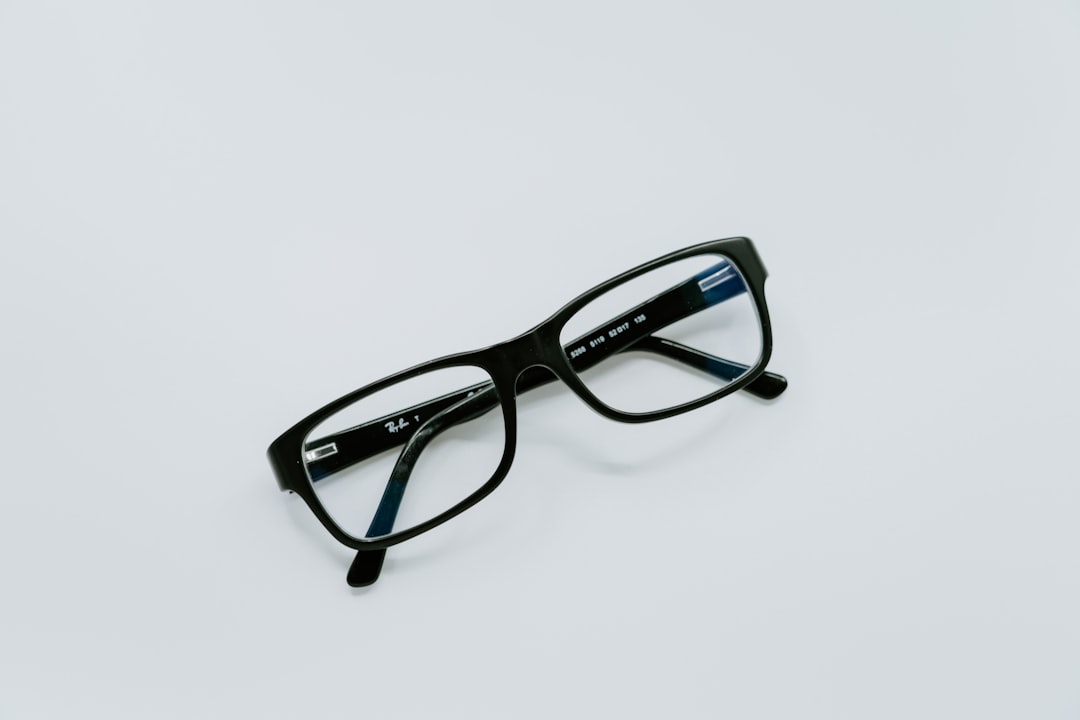
Unisex glasses styles can be genuinely versatile, but only when shape, size, proportion, and material are considered together rather than treated as trends. This guide explains which gender neutral frame styles work across different face shapes, how to evaluate them when you buy glasses online, and how to keep your choices current as your prescription, wardrobe, and preferences change over time.
Overview
If you are shopping for unisex eyewear, the goal is not to find a frame that looks anonymous. It is to find one that feels balanced, wearable, and adaptable across settings: work, weekends, travel, video calls, and prescription use. The best unisex eyeglass frames usually share a few qualities. They have clean lines, moderate proportions, colors that are easy to style, and enough structure to flatter more than one face shape without looking overly trend-driven.
That matters because face shape advice is helpful, but it is often oversimplified. A round face does not always need sharp angles. A square face does not always need soft curves. An oval face is not automatically suited to every frame on the page. In practice, successful unisex glasses styles come down to five things: frame width, lens depth, bridge fit, temple comfort, and visual weight.
For most shoppers, a good starting point includes these classic glasses styles:
- Panto frames with softly rounded lenses and a subtle keyhole or universal bridge
- Wayfarer-inspired rectangles with moderate angles and medium thickness
- Rounded squares that blend structure with softness
- Thin metal rounds when the size stays proportional to the face
- Browline-inspired shapes with restrained contrast rather than heavy top rims
- Soft aviator optical frames with a refined, not oversized, silhouette
These styles tend to work because they sit in the middle of the design spectrum. They are not extremely narrow, dramatically oversized, ultra-geometric, or highly embellished. That middle ground is where gender neutral glasses usually feel strongest.
Face shape still plays an important role, especially if you want frames for different face shapes that remain easy to wear over time:
- Round faces often benefit from frames with some definition, such as rounded squares, rectangles, or panto styles with a slightly wider profile.
- Square faces often suit softer edges, including panto shapes, round metals, and gently curved acetate frames.
- Oval faces usually have the most flexibility, but medium-width frames with balanced depth tend to look the most intentional.
- Heart-shaped faces often work well with lighter-looking frames, lower visual weight, and shapes that do not add too much width at the brow.
If you want deeper shape-specific guidance, see Best Glasses for Face Shape: A Practical Guide for Round, Oval, Square, and Heart Faces.
Material also changes how a unisex frame reads. Acetate frames usually look bolder, warmer, and more substantial. Metal eyeglass frames often look lighter, cleaner, and more understated. Neither is inherently better. If you want a style piece with more presence, acetate is often the better choice. If you want something minimal for everyday wear, metal may feel more versatile. For a fuller comparison, read Acetate vs Metal Glasses Frames: Comfort, Durability, Style, and Price.
One useful rule: when in doubt, choose moderation. Medium-width frames, moderate lens height, and simple colorways such as black, tortoise, crystal, brushed silver, gunmetal, or warm gold usually create the broadest unisex appeal. These shades and shapes pair well with both casual and tailored clothing, which is part of what makes premium eyewear feel worth revisiting rather than disposable.
Maintenance cycle
This section gives you a practical refresh routine so your eyewear choices stay relevant instead of drifting into impulse buying. Unisex eyewear is one of the easiest categories to maintain well because the strongest styles are usually stable from year to year. The update is less about replacing everything and more about checking whether your current frames still match your face, lifestyle, and lens needs.
A useful maintenance cycle is to review your eyewear in three layers: every season, every year, and every prescription change.
Seasonal review: quick style check
Every few months, look at your current frames in natural light and ask a few simple questions:
- Do these still feel like my style, or am I wearing them out of habit?
- Are they easy to pair with most of my wardrobe?
- Do the color and finish still feel current to me?
- Do they sit comfortably for a full workday?
This is also a good time to decide whether you want one more expressive pair or one quieter pair. Many people do best with a two-frame wardrobe: one dependable everyday prescription pair and one more style-forward option. In unisex eyewear, that might mean a classic dark acetate frame plus a thinner metal frame for lighter visual impact.
Annual review: fit, wear, and proportion
Once a year, take a more critical look. Frame trends shift slowly, but facial hair, hairstyle, makeup habits, weight changes, and personal style can all change how glasses sit and look. A frame that felt sharp two years ago may now feel too narrow, too heavy, or too formal.
At this stage, assess:
- Width: Are the frame edges aligned well with your face, or do they look pinched or overly wide?
- Depth: Is the lens height flattering, especially on video calls and in photos?
- Bridge: Does the frame stay in place without pressure points?
- Visual weight: Does the thickness of the frame overpower your features or disappear too much?
This is where many shoppers discover that the most flattering unisex glasses styles are not necessarily the boldest ones. Balance tends to age better than novelty.
Prescription review: style and lens compatibility
Whenever your prescription changes, revisit frame shape with your lens requirements in mind. This matters especially for stronger prescriptions, progressive lenses, and high index lenses. A frame that looks excellent as a demo frame may be less practical once real lenses are added.
For example:
- Very small round frames may be limiting for some progressive lenses.
- Oversized acetate frames may add unnecessary lens thickness for stronger prescriptions.
- Ultra-thin metal shapes may show edge thickness more clearly depending on prescription strength.
If you are comparing lens options, these related guides can help: High-Index Lenses Explained: When Thinner Lenses Are Worth the Upgrade and Progressive Lenses vs Bifocals vs Single Vision: Which Lens Type Makes Sense?.
For online shoppers, your maintenance cycle should also include a fit check before reordering. Confirm your PD and prescription details rather than assuming an old order is still correct. Useful references include Pupillary Distance Guide: How to Measure PD at Home for Glasses Orders and How to Read Your Eyeglass Prescription: Sphere, Cylinder, Axis, Add, and Prism Explained.
Signals that require updates
This section helps you spot when your current unisex frames no longer serve you well. You do not need to replace glasses every time a trend shifts, but some signals are worth taking seriously.
1. Your frame shape is working against your features
If your glasses dominate your face in photos, slide constantly, or create a tired look around the eyes, it may not be a quality issue. It may be the wrong shape or proportion. This often happens when a frame is too deep, too narrow, or too top-heavy.
A common example: someone with a smaller or heart-shaped face buys a thick, flat-top acetate frame because it looks stylish on a product page. In daily wear, the strong brow line may feel too heavy. A softer panto or rounded square shape would likely be more balanced while still reading as contemporary and gender neutral.
2. Your style has shifted toward cleaner or more expressive dressing
Eyewear should support your wardrobe, not compete with it. If your clothing has become more minimal, a busy patterned acetate may feel harder to wear. If your wardrobe has become more expressive, a plain rimless or very thin frame may start to feel too quiet. Unisex eyewear is broad enough that you can move in either direction without losing versatility.
3. Your lens needs have changed
A frame style that worked for non-prescription or low-prescription use may not be the best choice once you need stronger correction, blue light filter lenses, or progressives. Lens upgrades can also change how a frame performs in daily life. If you spend long hours on screens or under office lighting, coatings may matter as much as style. See Lens Coatings Comparison: Anti-Reflective, Scratch-Resistant, UV, and Hydrophobic and Blue Light Glasses vs Blue Light Filter Lenses: What Buyers Should Know.
4. Materials no longer match your priorities
You may have started with acetate frames for style but now want a lighter all-day pair. Or perhaps you began with metal and now want more color and presence. If comfort, durability, or finish quality has become a priority, it may be time to compare materials more closely. Titanium, for example, appeals to shoppers who want strength with lower weight. For that angle, read Titanium Glasses Guide: Are Titanium Frames Worth the Price?.
5. Search intent has shifted when you shop
This guide is meant to be revisited because the way people shop for glasses online changes over time. One year, you may search for “classic glasses styles.” Later, you may care more about “best unisex eyeglass frames for work,” “gender neutral glasses for strong prescription,” or “frames for different face shapes with progressive lenses.” When your questions change, your shortlist should change too.
Common issues
This section covers the most frequent mistakes people make when choosing unisex glasses styles online and how to correct them without starting from scratch.
Choosing “unisex” as a label instead of a fit strategy
Many shoppers assume that if a frame is labeled unisex eyewear, it will automatically suit more people. In reality, the label is only a starting point. What matters more is whether the width, bridge, and lens shape fit your face. A well-designed frame can be gender neutral and still be a poor match if the sizing is wrong.
Fix: Compare the frame measurements with a pair you already wear comfortably. Pay close attention to lens width, bridge width, and temple length. If available, use virtual try-on, but do not rely on it alone.
Following face shape advice too literally
Face shape guides are useful, but they can become restrictive. A round face can wear round glasses if the size, width, and thickness are right. A square face can wear rectangular frames if the edges are not too severe. The point is balance, not rigid correction.
Fix: Use face shape guidance as a filter, not a rulebook. Narrow your options to two or three frame families, then evaluate fit and proportion within those families.
Ignoring lens thickness and prescription needs
Designer eyeglasses and premium eyewear often look best when the lens and frame work together. A beautiful thin frame can become less practical if your prescription produces thicker lens edges. Likewise, a very oversized shape may add weight and depth you do not want.
Fix: If your prescription is moderate to strong, consider whether high index lenses would improve the final look and comfort. Pair stronger prescriptions with frame shapes that help control edge thickness and maintain balance.
Overcorrecting toward trends
Very thick translucent acetate, micro-ovals, dramatic geometric shapes, and oversized retro silhouettes may all have their moment. Some of them can work well. But if you want an evergreen pair, trend-led details should be secondary to fit and proportion.
Fix: Build around one stable frame shape first, then add trend through color, finish, or a second pair. This keeps your main glasses useful even when fashion changes.
Forgetting the use case
A frame that looks great for social wear may not be ideal for office lighting, commuting, or all-day screen use. Likewise, if you want prescription sunglasses in a unisex style, the best optical frame may not translate perfectly outdoors.
Fix: Match the frame to the main job. Everyday work pair, going-out pair, and prescription sunglasses can each be unisex without being identical. If sunglasses are part of your rotation, see Choosing the Best Sunglasses for Driving: Polarized Lenses, Tint Choices, and Fit Tips.
When to revisit
If you want this topic to stay useful, revisit it on a schedule rather than only when your current pair breaks. A practical review rhythm is every six to twelve months, or sooner if your prescription, work habits, or personal style changes. The goal is not constant replacement. It is better decision-making.
Use this simple checklist the next time you shop for unisex glasses styles:
- Start with your use case. Are you buying an everyday pair, a style pair, glasses for work, or prescription sunglasses?
- Define your comfort baseline. Pull out a pair that already fits well and compare measurements.
- Choose one of three reliable shape families. Panto, rounded square, or clean rectangle are usually the safest evergreen starting points.
- Pick your material intentionally. Acetate for presence, metal for lightness, titanium if weight and durability are priorities.
- Check lens compatibility. Confirm whether your prescription, progressive needs, or high index preference suit the frame depth and size.
- Keep color practical. If this is your primary pair, choose a tone you can wear five days a week without thinking about it.
- Review return and fit details before ordering. Especially when you buy glasses online, accuracy matters more than impulse.
The best unisex eyeglass frames are not the most neutral ones. They are the ones that feel considered: balanced on the face, compatible with your lenses, and easy to wear across different settings. That is why this topic is worth revisiting. As trends shift and your own habits evolve, the strongest answer usually stays the same: choose frames with clear proportions, dependable materials, and enough personality to feel like your style rather than a generic category.