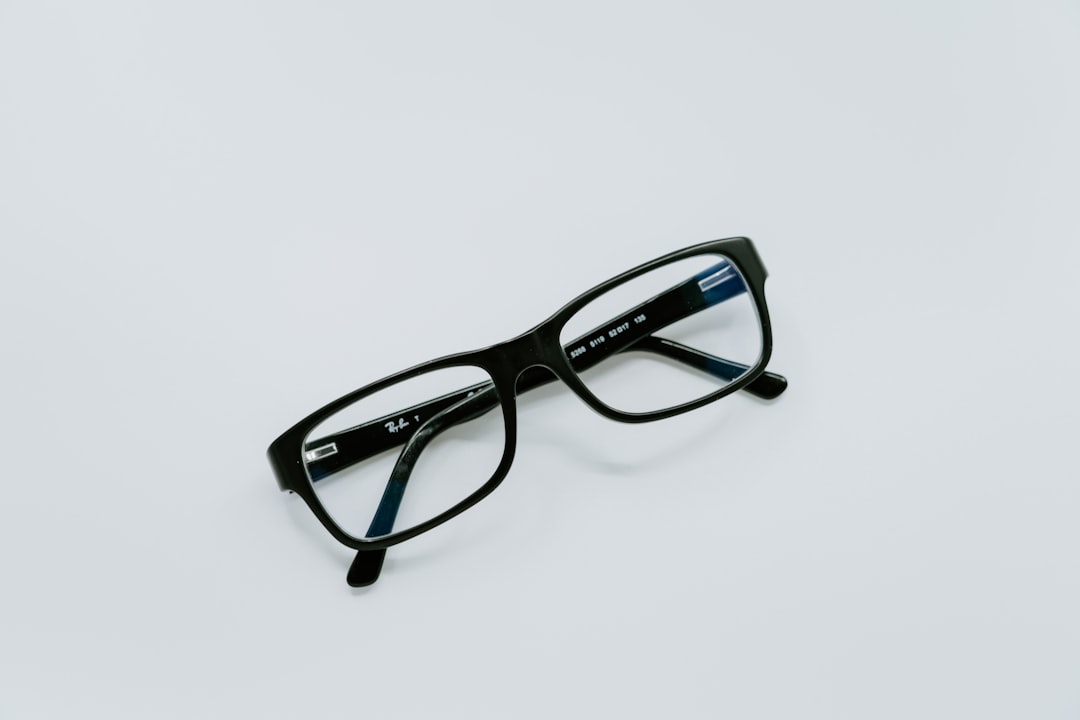
Buying prescription glasses online can feel like making a high-stakes purchase in a category where fit, clarity, and comfort matter every single day. The good news: with the right checklist, it becomes a straightforward process you can approach with confidence, even if you’ve never ordered eyewear sight unseen before. Think of this guide as your friendly, expert walkthrough for every decision that matters, from reading your prescription and measuring PD measurement to choosing lens upgrades, checking frame fit, and understanding the fine print on return policy glasses.
If you’ve ever hesitated because you weren’t sure whether a frame would suit your face, whether progressives would work online, or whether a budget option could still be durable, you are exactly who this guide is for. We’ll break down the process into steps, use plain English, and show you how to avoid the most common mistakes people make when shopping for affordable glasses. We’ll also point you toward practical resources like online eyeglasses fitting tips and virtual try-on glasses guidance so you can narrow your choices before you buy.
1) Start with your prescription: what every number means
Know the difference between SPH, CYL, and ADD
Your prescription is the foundation of everything else, so it’s worth taking five minutes to decode it before you shop. The most common values are sphere (SPH), cylinder (CYL), axis, and, for multifocal wearers, ADD power. SPH corrects nearsightedness or farsightedness, CYL and axis correct astigmatism, and ADD helps with near vision in progressive lenses or bifocals. If any part of your prescription looks confusing, call your eye doctor’s office and ask for a copy in writing; that’s normal and should be easy to get.
Check whether your prescription is single-vision, bifocal, or progressive
One of the biggest online ordering mistakes is assuming all prescriptions use the same lens setup. A single-vision prescription is simpler, while a multifocal prescription may require progressive lenses or other specialized lens designs. If you wear progressives, make sure the retailer asks for accurate fitting details, because progressive placement affects how comfortably you can read, use a laptop, and look across a room. For a deeper overview of shopping choices and trade-offs, it can help to read related buying guides like How to Buy a New Phone on Sale—Avoiding Carrier and Retailer Traps, which shows the same principle: a good deal only matters if the specs match your needs.
Don’t ignore the expiration date
Many prescriptions are valid for one to two years, depending on local regulations and your doctor’s recommendation. An expired prescription can lead to blurry distance vision, headaches, or a pair of glasses that technically arrives correctly made but still feels wrong because your vision changed. If your eyes have shifted, you may also need updated measurements for anti-reflective coating or other lens enhancements, especially if you work in bright lights, on screens, or drive at night. The simplest rule is this: if the prescription is old, get an eye exam before you order.
2) Measure your pupillary distance correctly
Why PD matters so much for online glasses
Your pupillary distance, or PD, tells the optical lab where to center the lenses so the prescription aligns with your eyes. If PD is off, the lenses can induce eye strain, headaches, or a “swimmy” feeling, especially in stronger prescriptions and progressives. This is why PD measurement matters as much as the prescription itself when ordering prescription glasses online. If a retailer lets you proceed without asking for PD, that’s not necessarily a red flag, but it does mean you should double-check whether it’s required for your lens type.
How to measure PD at home without guessing
You can measure PD with a millimeter ruler, a mirror, and a friend, or with a phone-based tool if the retailer provides one. The most important thing is to measure carefully at eye level and keep your head still, because even a small error can matter in high prescriptions. For most adults, the PD is usually between 54 mm and 74 mm, but the exact number varies. If you wear progressives, some retailers also ask for monocular PDs, which are the distance from the bridge of your nose to each pupil separately; that’s more precise and especially helpful for progressive lenses.
Single PD versus dual PD: what’s the difference?
A single PD is one number, like 63 mm. A dual or monocular PD splits that number into two measurements, like 31/32.5, and is often preferred for multifocal or high-prescription glasses because it better captures facial asymmetry. If your retailer offers a virtual tool, use it; a good online eyeglasses fitting flow often includes a built-in PD step that reduces avoidable errors. In the same way that enterprise SEO audit checklists reduce risk by standardizing the process, a precise PD measurement reduces the risk of a costly remake.
3) Choose the right frame shape, material, and size
Frame shape should balance style and function
When people shop for glasses, they often think first about style, but fit should come first because comfort determines whether you’ll actually wear them. Frame shape can soften angles, widen narrow faces, or add structure to round features, but the best frame is the one that sits properly on your nose and doesn’t slide down when you talk or smile. This is where virtual try-on glasses and photo-based fitting tools help, because they let you compare how different silhouettes look before committing. A frame that looks great online but pinches at the temples or sits too low will become a regret, not a bargain.
Understand frame measurements like eye size, bridge, and temple length
Most frames list three or four measurements, often in millimeters: eye size, bridge width, temple length, and sometimes lens height. Eye size affects the width of each lens opening, bridge width affects how the glasses sit on your nose, and temple length affects how securely the arms wrap around your head. If you already own a pair of glasses that fits well, look inside the temple arm and use those numbers as a starting point. For shoppers comparing styles across brands, resources like multiple-SKU buying frameworks can be surprisingly useful: they teach you to compare product variants systematically instead of relying on visuals alone.
Pick materials based on your lifestyle
Acetate frames are popular because they look premium, come in rich colors, and often feel substantial. Metal frames can be lightweight and adjustable, making them a smart choice if you want a barely-there feel or need frequent fit tweaks. Titanium and memory metal offer extra durability and flexibility, which may be worth the upgrade if you’re rough on eyewear or travel often. If you’re shopping for affordable glasses, it’s still worth checking whether the low price comes with a stable hinge, decent nose pads, and a return window that gives you room to test the fit at home.
4) Use virtual try-on, but don’t stop there
Virtual try-on is a decision aid, not a guarantee
Virtual try-on glasses tools are excellent for narrowing down shape, color, and proportion. They help answer questions like whether oversized frames overwhelm your face or whether a round frame feels too soft for your style. But remember: virtual try-on shows appearance better than it shows pressure points, bridge fit, lens thickness, or how the glasses feel after three hours of wear. That’s why the smartest shoppers use virtual try-on as one step in a broader selection process, not as the final decision.
Check how the frame sits on your face in photos and videos
If a site lets you upload a photo or use live camera view, take advantage of it from multiple angles. Look for signs that the frame sits level, your eyes are centered in the lenses, and the temples don’t flare dramatically outward. If the frame appears too wide, your lenses may sit too far from your eyes; if it’s too narrow, you may feel pressure at the temples. For a broader lesson in comparing product claims with real-world experience, see Micro-UX Wins, which illustrates why small usability signals strongly influence purchase confidence.
Use your current glasses as a benchmark
If you already have glasses that fit well, compare the listed dimensions of your current pair to the pair you’re considering online. This is one of the most reliable ways to shop sight unseen because it anchors your decision in an object your face already tolerates comfortably. Measure the lens width, bridge width, and temple length, then use those numbers to filter options. It’s not glamorous, but it’s how experienced buyers avoid expensive mistakes—similar to how savvy shoppers avoid traps in buying guides for electronics: compare the specs, not just the headline price.
5) Choose the right lenses for your vision needs
Single-vision, reading, and computer lenses
The lens choice should follow how you use your eyes during the day. If you mainly need help at one distance, single-vision lenses may be enough. If you spend long hours at a screen, ask whether you need dedicated computer lenses or a specific focal setup that reduces neck strain and eye fatigue. If your work involves frequent switching between close and distance vision, progressives may be the most practical option despite the learning curve. For readers who want a more consumer-friendly breakdown of product labeling and claims, How to Read Supplement Labels for Digestive and Metabolic Claims is a useful example of how to decode dense product information.
Why anti-reflective coating is often worth it
Anti-reflective coating reduces glare from overhead lighting, headlights, screens, and flash photography, which can make vision feel clearer and your glasses look better in photos. It’s one of the most common upgrades because it improves both performance and appearance. Many shoppers notice less eye strain, especially if they spend a lot of time on computers or driving after dark. If you’re trying to balance price and comfort, AR coating is usually one of the highest-value upgrades available.
Progressive lenses require more precision than standard lenses
Progressive lenses are wonderfully convenient because they combine near, intermediate, and distance vision in one lens, but they are less forgiving during the ordering process. Small errors in PD, frame height, or how the glasses sit on your face can affect the usable corridor for reading and computer work. That’s why retailers often ask for additional measurements and why you should be especially careful with frame size. If you’re new to progressives, start by reviewing a dedicated guide such as progressive lens basics and make sure your chosen retailer offers support if you need adjustments later.
6) Compare price honestly: cheap, affordable, and value-first are not the same thing
What “affordable” should include
People often search for affordable glasses and assume the lowest sticker price is automatically the best deal. In reality, affordability should include lens quality, coating options, frame durability, shipping, and the return or remake policy. A frame that costs less up front but has weak hinges, limited lens options, or expensive returns can become the more expensive choice. The best online eyewear value is the one that gets worn comfortably, holds up over time, and comes with sensible customer support.
Watch for hidden costs in lens upgrades and checkout
Prescription eyewear pricing can jump quickly once you add high-index lenses, AR coating, photochromic tint, blue-light filtering, or progressives. Before checkout, compare the final total, not the teaser price, and check whether the site clearly labels which features are included. Good retailers tend to explain the trade-offs up front, while weaker ones bury costs in the last step of the funnel. This is similar to the way careful buyers evaluate major purchases in guides like How to Buy a New Phone on Sale—Avoiding Carrier and Retailer Traps: the advertised discount matters less than the final delivered value.
Read quality signals beyond price tags
Look for lens material details, warranty information, frame composition, and whether the retailer publishes measurements and product specs clearly. Transparent specs are a trust signal because they help you compare apples to apples. If the site offers a virtual try-on, published fitting guidance, and a robust support team, that often indicates a better overall shopping experience than a site focused on flash sales alone. For a helpful perspective on using data to validate claims, the article on retail data platforms and sustainability claims is a good reminder that trustworthy sellers make information easy to verify.
| Lens / Frame Choice | Best For | Pros | Watch Out For |
|---|---|---|---|
| Single-vision lenses | Distance or reading only | Simple, usually lower cost | Won’t solve multiple focal needs |
| Progressive lenses | All-day multifocal wear | No visible line, flexible use | Need accurate measurements and fit |
| Anti-reflective coating | Screen users, drivers, photo-sensitive wearers | Reduces glare, improves clarity | Adds cost; quality varies by seller |
| Acetate frames | Style-forward shoppers | Richer colors, solid feel | Can be heavier than metal |
| Titanium frames | Comfort, durability, long wear | Lightweight, strong, adjustable | Usually higher price |
7) Read the return policy like a pro
What a good return policy should clearly state
A strong return policy glasses page should tell you the return window, whether prescription items are eligible, who pays return shipping, and whether exchanges are free. It should also explain whether you can return lenses if the prescription is wrong, the frame doesn’t fit, or you simply changed your mind. If the policy is vague, heavily restricted, or buried under exception language, that’s a warning sign. Your goal is to reduce uncertainty before you place the order, not after the box arrives.
Understand remake and warranty options
Some retailers offer a one-time remake if the prescription is entered correctly but the glasses still don’t work because of a verification issue or measurement discrepancy. Others offer warranties for manufacturing defects, scratches, or frame failure. These policies matter because prescription glasses are functional products, not just fashion accessories. For a parallel example of how to navigate consumer protection and hidden costs, the article on retailer traps shows why guarantee terms should be part of the purchase decision.
Document everything at checkout and delivery
Save screenshots of your prescription entry, PD, frame selection, and order confirmation so you have a record if something goes wrong. When the glasses arrive, inspect them immediately for visible defects, compare the frame size to the product listing, and test the lenses in real-world settings: reading, computer use, outdoors, and driving if appropriate. If there’s a problem, contact support while you’re still inside the return window. That simple habit can make the difference between a painless exchange and a drawn-out customer service battle.
8) Order with confidence using a final pre-check checklist
Your pre-purchase checklist
Before you click buy, verify six things: your prescription is current, your PD is measured correctly, your frame dimensions fit your face, your lens choice matches your vision needs, your coating upgrades are intentional, and the return policy is acceptable. If all six are checked, you’re in a strong position to order. This is the online eyewear version of a disciplined buying process in any category, whether you’re comparing products, services, or subscriptions. In other words, don’t rely on hope; rely on a list.
Why first-time buyers should start with lower-risk choices
If this is your first time buying glasses online, consider starting with a frame shape similar to one you already know works, and avoid making every possible upgrade at once. That approach helps you isolate what matters: fit, prescription accuracy, and lens comfort. Once you know a retailer’s sizing and service quality are reliable, you can experiment more with bolder styles or more advanced lens packages. If you want more ideas for smart comparison shopping, browse micro-UX buying behavior insights and product comparison frameworks that reinforce the same principle: reduce variables when the purchase matters.
A practical example of the process in real life
Imagine a customer who wears a single-vision distance prescription, spends eight hours a day on laptops, and has a round face with a medium-width nose bridge. The safest online strategy is to select a frame with dimensions close to their current glasses, use a live camera try-on to shortlist two or three shapes, choose AR coating, and confirm the return policy before checkout. If the shopper later decides they want progressives, they can return to the process with more specific measurements and a better understanding of what feels comfortable. That step-by-step discipline is exactly how people turn a potentially risky online purchase into a reliable one.
9) Troubleshoot common online glasses problems before they happen
Blurry vision after delivery
If the glasses arrive but vision feels off, the first question is whether the prescription or PD was entered incorrectly. The second question is whether the frame fits differently than expected, shifting the optical center. Third, consider adaptation time, especially with new progressives or a major prescription change. If the issue persists after a few days, contact support immediately and reference your order details and measurements. A retailer that responds quickly is far more valuable than one that merely advertises low prices.
Frames feel too tight or too loose
Fit problems are common and often fixable, especially with metal frames that can be adjusted. Acetate frames can sometimes be warmed and adjusted as well, but they may need professional help. If you notice pain behind the ears, slipping on the nose, or pressure points at the temples, don’t ignore them because small discomforts become big reasons not to wear glasses. The best online retailers acknowledge that eyewear is both a product and a fit experience, not just an item in a box.
When to escalate to an exchange or remake
If the glasses are clearly miscentered, the prescription feels wrong after a reasonable adaptation period, or the frame size is obviously incompatible with your face, use the return or remake policy. Keep your communication polite and specific: note what feels wrong, when you noticed it, and what measurements were used. That gives support a better chance to solve the problem fast. For an example of structured communication in a high-stakes purchase journey, see Buying a New Phone on Sale—Avoiding Carrier and Retailer Traps, where clarity prevents buyer regret.
Pro Tip: The best online glasses purchase is not the cheapest pair in the cart. It’s the pair that matches your prescription, fits your face, includes the right lens upgrades, and comes with a return policy that protects you if something needs correcting.
10) Final checklist and shopper FAQ
The six-step ordering summary
Before checkout, confirm your prescription, measure PD, compare frame dimensions, choose lenses intentionally, review the return policy, and save all order records. That sequence turns a nervous first-time purchase into a manageable process. If you follow it, you can shop more confidently for everything from classic optical frames to trendy styles via virtual try-on glasses tools. The point is not to eliminate every risk; it is to make the remaining risk small and understandable.
Remember that eyewear is a personal health product as much as a fashion accessory. A pair that looks great but gives you a headache is not a win, and a cheap pair that never gets worn is not really affordable. Use fit, clarity, and policy transparency as your three decision pillars, and you’ll dramatically improve your odds of getting it right the first time. For shoppers who want to keep learning, the broader consumer lesson in smart online buying applies perfectly here: verify the details, then buy with confidence.
Frequently Asked Questions
Do I need my pupillary distance to buy glasses online?
Usually yes, especially for prescription glasses and progressives. PD measurement helps center the lenses correctly so your eyes line up with the optical sweet spot. Even small errors can affect clarity, comfort, and adaptation.
Can I order progressives online?
Yes, but be precise. You’ll need an accurate prescription, correct PD, and ideally monocular PDs and fitting height if the retailer asks for them. Progressives are more sensitive to fitting errors than single-vision lenses.
Are virtual try-on glasses accurate?
They’re helpful for style and proportion, but they cannot fully predict comfort, nose-bridge fit, or how the frame feels after hours of wear. Use them to narrow choices, then check dimensions and return policies before buying.
What lens upgrade is most worth it?
For many people, anti-reflective coating offers the best balance of comfort and value because it reduces glare and improves visual clarity. If you use screens heavily or drive at night, it is often worth the extra cost.
What should I do if my glasses arrive and the prescription feels wrong?
Compare your prescription entry, PD, and frame dimensions against your order record, then contact the retailer right away. If the site offers a remake or exchange window, use it promptly and document the issue clearly.
Related Reading
- Micro-UX Wins: Apply Buyer Behaviour Research to Improve Your Product Pages - Learn how subtle design choices influence trust and conversion.
- How to Buy a New Phone on Sale—Avoiding Carrier and Retailer Traps - A smart shopper’s guide to spotting hidden costs and fine print.
- Operate or Orchestrate: A Simple Framework for Small Brands with Multiple SKUs - Useful for comparing variants without getting overwhelmed.
- How Retail Data Platforms Can Help You Verify Sustainability Claims in Textiles - A helpful model for evaluating product claims with evidence.
- How to Read Supplement Labels for Digestive and Metabolic Claims - Great practice for decoding dense product information carefully.