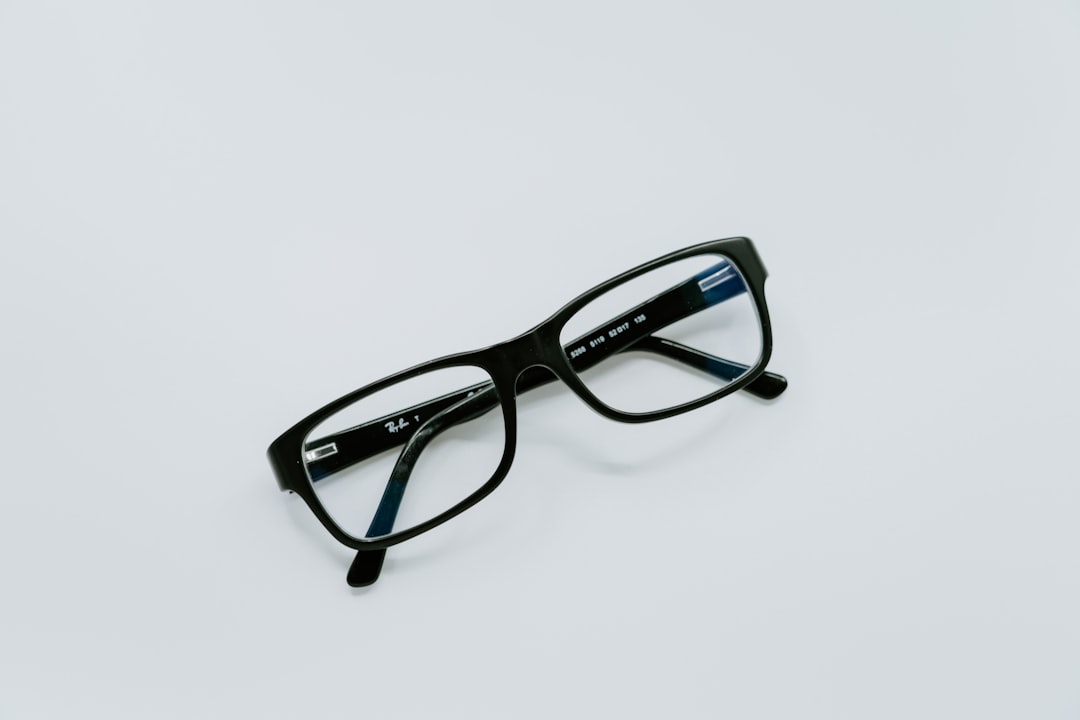
If you wear glasses every day, you already know the smallest issue can feel huge: a loose screw, a crooked temple, or a nose pad that suddenly digs into your skin. The good news is that many common problems can be handled at home with a few careful steps, the right tools, and a little patience. The bad news is that some repairs can turn a minor annoyance into a frame crack, a scratched lens, or a ruined coating if you push too far. This guide walks you through the safest at-home repair tips, shows you what to avoid, and explains exactly when it is smarter to stop and see a professional.
Whether you bought affordable glasses, are comparing designer eyeglasses, or ordered prescription glasses online, the same principle applies: small maintenance tasks can extend the life of your eyewear, but only if you understand the limits. If you are still shopping and want to reduce fit uncertainty before your glasses arrive, use virtual try-on glasses tools and review frame measurements carefully. And if you are choosing frames by style, this matters just as much for women's frames as it does for men's eyewear.
1. Start with a Safety Mindset: What You Can Fix and What You Should Never Force
Know the difference between maintenance and repair
Most at-home eyewear work is really maintenance, not true repair. Tightening a loose screw, replacing a nose pad, or gently reshaping a temple arm falls into the maintenance category because you are restoring the frame to its intended condition. True repair, by contrast, involves cracked acetate, bent metal that keeps springing back, stripped hinge barrels, or lens coatings that are failing. Those situations usually require special parts, heat control, or tools that protect the frame material from permanent damage.
A helpful rule: if the issue can be fixed without heat, glues, sanding, or excessive force, it may be a safe DIY task. If your first instinct is to improvise with household items, pause. A quick online search can make a job look easy, but as with the 60-second truth test, you want to verify the method before acting on it. Eyewear is precise hardware, and precision matters when the frame is sitting millimeters from your eyes.
Check the frame material before doing anything
Different materials behave very differently under stress. Metal frames can usually handle careful screw tightening and minor bending, while acetate and other plastic frames can crack if you overflex the temples. Rimless and semi-rimless glasses require extra caution because the lenses themselves may be tensioned by screws, nylon thread, or hidden supports. If you are wearing premium or lightweight frames, treat every movement as if you are working on a delicate watch rather than a sturdy tool.
Before touching anything, inspect the bridge, hinges, nose pads, and temple tips under bright light. Look for hairline cracks, bent screw posts, loose lens seating, or a coating defect near the edges. If you see a crack near the hinge or lens drill hole, stop immediately. That is the eyewear version of a structural failure, and it is far better to use a pro than to lose the frame entirely.
Keep the right expectations about results
At-home repair should make glasses functional, comfortable, and safe again. It should not make them look factory-new if they are already worn, scratched, or deformed. If your glasses are expensive, include coatings like anti-reflective coating, or feature specialty lens designs, you need to be more cautious because some fixes can affect the lens surface. Understanding that limit saves you from accidentally turning a small wobble into an expensive replacement.
Think of DIY eyewear care the way careful shoppers think about value purchases: you are trying to maximize utility while protecting the long-term investment. That mindset is similar to reading how to score certified refurb deals without getting burned—you want the upside, but only if the condition checks out. With glasses, the stakes are visual clarity and comfort, so caution is not optional.
2. Your At-Home Eyewear Toolkit: Simple Tools That Prevent Bigger Damage
The basic kit every glasses wearer should have
You do not need a lab to handle simple eyewear maintenance. A good starter kit includes a precision screwdriver set, a microfiber cloth, a small bowl or tray for screws, silicone or rubber replacement nose pads, a magnifier or phone flashlight, and a soft toothbrush for debris. If you wear glasses daily, this kit pays for itself by preventing emergency runs, especially when a loose hinge starts rattling before work or travel.
For travel or on-the-go backup, a compact repair kit is worth keeping in your bag or desk drawer. This is especially practical if you also rotate between everyday glasses and polarized sunglasses, since a loose screw on sunwear can be just as disruptive as a problem with your prescription pair. If you routinely switch styles, it helps to keep a separate repair kit near the frames you wear most often.
What not to use at home
Avoid superglue, forceful pliers, hair dryers on high heat, tape on lens surfaces, and random household screws. Superglue can fog lenses, damage coatings, and create a permanent mess near the hinge. Standard pliers can leave bite marks on metal frames or distort the alignment so badly that the glasses no longer sit level. Heat can be helpful in trained hands, but uncontrolled heat can warp acetate and weaken coatings or nose pad materials.
Lens coatings are especially vulnerable to bad DIY choices. If your pair has premium treatments, such as scratch protection or anti-reflective coating, never scrub with abrasive materials. A failed cleaning or repair attempt can create haze, edge separation, or tiny surface fractures that are difficult to reverse. When in doubt, preserve the lens first and worry about the frame second.
Set up a clean, well-lit workspace
Eyewear repair is easier when you can see tiny parts clearly and keep them from disappearing. Work over a light-colored towel so screws, pads, and washers do not bounce away. Good lighting helps you identify stripped threads or a warped hinge before you start tightening. If you rush on a cluttered table, you increase the chance of losing a part or scratching the lens during reassembly.
This may sound basic, but proper setup is one of the most underrated best practices for extending the life of your gear. Glasses are no different from any other everyday item that benefits from regular maintenance and a clean environment. Slow, organized work is what separates a quick fix from a costly mistake.
3. Tightening Loose Screws Without Stripping the Hinge
How to tighten a hinge screw correctly
A loose hinge is the most common eyewear problem, and it is usually the easiest to address. Start by opening the temple arm and using a properly sized precision screwdriver, not an oversized one that slips. Turn the screw clockwise with light pressure until it feels snug, then stop. You are looking for firm resistance, not maximum tightness, because over-torquing can strip the hinge barrel and make the screw spin uselessly.
If the screw keeps backing out, the thread may be worn or the hinge may need replacement. Some people try to jam the screw in harder, but that often widens the hole or misaligns the temple. If a screw turns but never tightens, or falls out repeatedly, that is your sign to move beyond DIY and have a technician inspect the hinge. A tiny stripped screw can become a much bigger frame failure if ignored.
What to do if the screw is missing
If the screw is completely gone, you can sometimes replace it with a matching eyewear screw from a repair kit. The key is to match length, diameter, and head style as closely as possible. Insert the screw gently and thread it by hand first if possible; if it resists immediately, do not force it. Forcing the wrong screw can split the hinge barrel or damage the surrounding frame material.
When you are shopping for affordable glasses, it is worth asking whether the retailer offers replacement hardware or simple aftercare guidance. That kind of support matters when the pair becomes part of your everyday routine. And if you are comparing frame styles online, choose a retailer that makes dimensions transparent, because the right size reduces unnecessary hinge stress in the first place.
When repeated loosening means deeper trouble
Some frames loosen because the screws are the wrong size or because the hinge barrel is worn out. Others loosen because the frame fit is wrong and the temples are under constant stress. If your glasses need tightening every few days, there may be a larger fit problem or a design issue with the frame geometry. In that case, a professional adjustment is more effective than endless screw maintenance.
This is especially true for fashion-forward styles like oversized acetate or lightweight metal frames in men's eyewear and women's frames. The more style-driven the frame, the more likely it is to trade some durability for looks. If you love the style but hate the upkeep, a professional can often improve the fit more safely than repeated home fixes.
4. Replacing Nose Pads for Better Comfort and Grip
Signs your nose pads need replacement
Nose pads do more than rest on your face; they control balance, slide resistance, and how weight is distributed across the bridge. If you notice greenish discoloration, hardened silicone, slipping glasses, or pressure marks on your nose, it is time to replace them. Old nose pads can also collect skin oil and debris that make glasses feel less stable, even if the frame itself is fine.
Replacing them is one of the safest at-home tasks because it improves comfort without touching the lens or altering the overall frame structure. Use a small screwdriver to remove the old pad screw, hold the new pad in position, and reinstall the screw carefully. If the mount is brittle or the screw refuses to seat, stop and have the frame serviced. A cracked nose pad arm is not something to “just push through.”
Choosing the right replacement material
Silicone pads tend to be softer and grippier, while harder pads can feel more durable but less cushioned. If you wear glasses for long hours, a softer pad can reduce pressure, especially on narrow bridges. However, some people prefer slightly firmer pads because they glide less and hold position better in humid weather. Your best option depends on skin sensitivity, bridge shape, and how often your glasses slide down.
For shoppers comparing prescription glasses online, nose pad style is worth checking before buying, particularly if you already know certain bridge designs work better for your face. A frame can look perfect in virtual try-on glasses but still feel wrong if the pads or bridge are not suitable for your nose shape. This is one reason why fit details matter as much as style photos.
How to keep replacements from falling off again
Once new pads are installed, test them by gently opening and closing the temples and placing the glasses on your face for a few minutes. If one pad sits higher than the other, the frame will feel crooked, so adjust before the screw settles. A tiny amount of evenness can make a big difference in how the frames sit and how your pupils align with the optical center of the lenses. Comfort is not cosmetic; it affects visual performance.
If replacement pads keep loosening, the mounting arm may be worn or bent. That is the point where professional service becomes worthwhile, especially on premium or custom-fit frames. The cost of a professional adjustment is often lower than replacing a damaged bridge component later.
5. Minor Frame Adjustments: Straightening Temples and Fixing a Crooked Fit
How to make small adjustments safely
Minor alignment changes are possible at home, but they should be tiny and deliberate. If one temple sits higher, you can sometimes correct the tilt with gentle hand pressure on the metal arms. For acetate frames, use only very slight flexing and never bend near the hinge line, where stress concentrates. The goal is to restore symmetry, not to reshape the frame from scratch.
A practical test is to place the glasses on a flat surface and see whether both temples touch evenly. If the frame rocks, the fit may be off or one side may be twisted. Correcting a subtle twist can make a surprisingly big difference in how the frames sit on your face. But if the bend is dramatic, resist the urge to “even it out” with force.
Why the wrong adjustment can ruin the fit
Too much pressure can weaken the frame, especially around delicate materials or decorative elements. Some readers may recognize this from comparing styles online: just as you would read carefully before choosing a pair of designer eyeglasses, you should respect the frame’s construction and limits. A bold silhouette may look sturdy, but decorative acetate, slim metal bridges, and spring hinges each behave differently under stress. One wrong bend can make the frame unstable or uneven permanently.
If your glasses are slipping, pinching, or sitting too low after adjustment, the issue may not be the frame shape alone. It could be the temple angle, bridge fit, or even the lens weight distribution. In those cases, a professional can adjust the frame more precisely using heat, alignment tools, and experience with different materials.
Special caution for sunglasses and coated lenses
When working on polarized sunglasses, be extra careful not to stress the lens edges or twist the frame too aggressively. Sunglasses often have tighter fits because they are designed to block light more completely, and lens movement can compromise comfort or alignment. If the sunglasses also have premium coatings or mirrored finishes, the risk of visible damage is higher. What looks like a simple bend can expose a weak point at the lens seating area.
That same caution applies to everyday glasses with specialized coatings. A small adjustment is fine, but a large one can create lens stress that eventually affects vision clarity. If the frame creaks, pops, or resists even gentle movement, stop and let a pro handle it.
6. Lenses, Coatings, and Why Some Problems Should Never Be DIY
Scratch and coating problems are different from frame problems
Many people assume all eyewear issues are mechanical, but lenses have their own rules. Scratches, coating peeling, and edge chips are not solved by tightening a screw. If your lenses have wear on an anti-reflective coating, DIY polishing can worsen glare and distort the surface. Once a coating fails, it usually needs lens replacement rather than a home fix.
It is tempting to try “magic” solutions for scratched lenses, but most of them trade one problem for several others. Polishes can change the lens curvature or leave residues that interfere with clarity. If you notice a cloudy spot, edge separation, or a chip in the vision zone, do not experiment. That is a replacement conversation, not a repair project.
Prescription accuracy matters more than appearance
If your glasses seem off after a repair, the issue may not be the frame at all. A crooked frame can make you feel as if your prescription is wrong, but lens alignment, pupillary distance, and optical center all matter. This is one reason people buying prescription glasses online should pay attention to order details and return policies. Even a great frame becomes frustrating if the fit or lens positioning is wrong.
If you are unsure whether the problem is the glasses or your prescription, compare how the lenses feel before and after any adjustment. If symptoms like headaches, distortion, or eye strain persist, stop repairing and start troubleshooting. That may mean confirming your prescription with your eye care provider or requesting a remake.
Why damaged lenses often justify replacement
For many consumers, the decision to replace instead of repair comes down to value. If your frame is inexpensive and the lenses are scratched or damaged, replacement may be more cost-effective than repair. If you invested in custom lenses, progressives, or high-end coatings, a pro assessment is almost always worth it. The bigger the lens investment, the less sense it makes to gamble with a home experiment.
Think of it the same way savvy shoppers think about return windows and first-order savings. Sometimes the smartest move is not to spend more time trying to rescue the item. It is to compare the cost of repair against a new pair of affordable glasses and choose the option that preserves both clarity and budget.
7. A Practical Decision Guide: DIY Repair, Professional Repair, or Replacement?
Use a simple triage framework
A good decision framework starts with three questions: Is the damage cosmetic, mechanical, or optical? Is the frame material sturdy enough for a small adjustment? And does the problem affect how you see, not just how the glasses feel? If the answer points to a minor mechanical issue, DIY may be appropriate. If the damage affects lens integrity, hinges, or structural stability, professional help is the safer choice.
| Problem | DIY-Friendly? | Best Next Step | Risk If You Force It | Typical Outcome |
|---|---|---|---|---|
| Loose hinge screw | Yes | Tighten with precision screwdriver | Stripped screw or hinge barrel | Fast fix if threads are intact |
| Missing nose pad | Usually | Replace pad with matching kit | Bent mount or lost screw | Improved comfort and fit |
| Temples sit unevenly | Sometimes | Gentle alignment only | Frame crack or permanent twist | Minor fit correction |
| Lens scratch in vision zone | No | Replace lens or frame | Coating damage worsens | Professional evaluation needed |
| Crack at hinge or bridge | No | Stop and see a pro | Complete frame failure | Repair or replacement decision |
This table is meant to keep you from second-guessing yourself when you are holding a screwdriver in one hand and your glasses in the other. It is better to be conservative than to improvise. A few minutes of caution can save a frame that might otherwise be ruined.
When replacement makes more sense than repair
Replacement is often the right move when the frame is old, the lenses are scratched, or the repair cost approaches the price of a new pair. That is particularly true when the frame style no longer fits your needs or your face shape has changed due to hairstyle, weight shifts, or new comfort preferences. Shopping for new frames also gives you the chance to compare fit, style, and budget side by side. If you are browsing women's frames or men's eyewear, virtual tools can help narrow choices before purchase.
When buying again, look for clear frame measurements, transparent lens options, and easy returns. That is especially helpful if you want to avoid a repeat of the same fit issue that sent you down the repair path in the first place.
Know when to go to a professional immediately
Go straight to a professional if the hinge is broken, the frame is cracked, the lens is popped out and will not reseat securely, or the glasses have a visible structural deformity. Also seek help if the glasses are causing headaches, eye strain, or distorted vision after a repair attempt. Professionals have the tools to heat, align, replace, and verify the fit without risking the lens surface or the frame finish. That expertise is especially important for complex or higher-value eyewear.
If you own premium frames, special lens packages, or polarized sunwear, professional service often protects the overall value better than a do-it-yourself workaround. Treat it like any high-value item: there is a time for maintenance and a time for a specialist.
8. How to Keep Eyewear in Better Shape So You Need Fewer Repairs
Daily habits that prevent wear and tear
Most eyeglass damage happens through tiny, repeated habits. Taking glasses on and off with one hand, placing them lens-down, leaving them in a hot car, or using clothing to wipe lenses all add up over time. A microfiber cloth, a hard case, and two-handed removal can dramatically reduce repair needs. These habits are simple, but they have a measurable effect on frame longevity.
Consider it the eyewear version of maintaining other everyday gear: a little routine care prevents a lot of replacements. If you already invest in affordable glasses, it makes sense to protect that value with better daily handling. The cheapest repair is the one you never need to make.
Storage and cleaning matter more than most people think
Store glasses in a rigid case whenever they are not on your face. Avoid tossing them in a bag with keys, pens, or chargers, because tiny impacts can loosen screws or scratch coatings. Clean lenses with approved solutions and a microfiber cloth rather than paper products or shirt fabric. If you wear polarized sunglasses regularly, rinse off dust and salt before wiping to protect the lens surface.
This matters even more for coated lenses. High-performance finishes can make your vision clearer and more comfortable, but only if you protect them from abrasives and harsh chemicals. Good cleaning is not just about appearance; it is a preservation strategy.
Choose better-fitting frames from the start
Many repairs begin as fit problems that could have been avoided at purchase. Frame width, bridge style, temple length, and lens size all influence whether a pair stays stable on your face. Using virtual try-on glasses helps with appearance, but checking measurements is what helps with long-term comfort. A frame that looks great but slips every hour will generate more repairs than one that fits well from day one.
If you are comparing styles for work, daily wear, or sun protection, read product details carefully and think about how you actually use eyewear. A practical fit decision is often more valuable than a trend-driven one. That is especially true when choosing between fashion-forward and everyday frame shapes.
9. FAQ: Common Eyewear Repair Questions
Can I use regular household glue to fix broken glasses?
It is strongly discouraged. Household glue can fog lenses, weaken the frame finish, and create a brittle bond that fails quickly. It can also seep into hinge areas or lens seats, making professional repair harder. If a frame is cracked, a professional should evaluate whether it can be repaired safely or should be replaced.
How tight should a glasses screw be?
Snug, not forced. Stop when the screw resists comfortably and the hinge no longer wobbles. If you keep turning to the point of strain, you risk stripping the hinge barrel. If the screw never tightens, the thread may be damaged and should be serviced professionally.
Are nose pad replacements safe to do at home?
Yes, in most metal-frame cases. Nose pad replacement is one of the safest at-home repairs because it does not involve the lens surface or major frame reshaping. The main risks are losing the screw or bending the mount too far. If the mount is cracked or brittle, stop and take it to a professional.
Why do my glasses still feel crooked after I fixed them?
The issue may be a temple angle problem, uneven nose pad height, or a frame that is structurally warped. Sometimes the lenses are seated correctly, but the frame itself is twisted enough to affect how it sits on your face. If small adjustments do not help, a professional can realign the frame more precisely.
When should I replace the glasses instead of repairing them?
Replace them when the lenses are scratched in the vision zone, the frame is cracked, the hinge is broken, or repeated repairs are becoming a pattern. If the cost of professional repair approaches the cost of a new pair, replacement usually makes more sense. This is especially true for older frames or lower-cost eyewear where parts may be hard to source.
Can anti-reflective coating be repaired at home?
No. If an anti-reflective coating is peeling, cloudy, or scratched, the lens usually needs replacement. DIY polishing can make the damage worse and affect optical clarity. Protect the coating with proper cleaning instead of trying to restore it with abrasives.
10. Final Takeaway: Save Money with Smart DIY, But Respect the Limits
The real value of knowing basic repair tips
The ability to handle small eyewear fixes at home saves time, reduces frustration, and can extend the life of your favorite pair. Tightening a loose screw or replacing a nose pad is practical, cost-saving, and perfectly reasonable for most people. Those small wins matter whether you rely on one everyday pair or rotate between multiple frames for work, travel, and weekends. The goal is not to become an optician; it is to become a more confident eyewear owner.
At the same time, the smartest repair decision is often the one that prevents damage. If you respect the frame material, protect lens coatings, and recognize when a problem is structural, you avoid the most expensive mistakes. That is especially important if you buy prescription glasses online and want to preserve the value of your purchase for as long as possible.
Use DIY for maintenance, pros for precision
Think of DIY as the first line of defense and professional service as the safeguard. Home repair is best for simple, reversible issues, while pros handle cracks, coatings, and deep alignment problems. If you are ever unsure, stop before you make the problem worse. In eyewear, restraint is a skill.
And if you are still in the shopping phase, remember that good fit reduces the need for repair in the first place. Use virtual try-on glasses, compare measurements, and choose frames designed for your lifestyle rather than your impulse. The best repair strategy is a smarter purchase strategy.
Related Reading
- Best April Savings for New Customers: First-Order Deals Across Groceries, Beauty, and Tech - Useful if you want to compare eyewear savings with other first-order promotions.
- The 60-Second Truth Test: Quick Moves to Vet Any Viral Headline - A smart reminder to verify repair advice before trying it.
- Best Practices for Extending the Life of Your Yoga Mat - A practical guide to maintaining everyday gear so it lasts longer.
- Wireless Doorbell Deals: How to Choose the Right Smart Home Security Upgrade - Helpful if you like comparison frameworks for buying durable products.
- How to Score Certified Refurb AirPods Max 2 Deals Without Getting Burned - A strong read on avoiding costly mistakes when buying refurbished items.