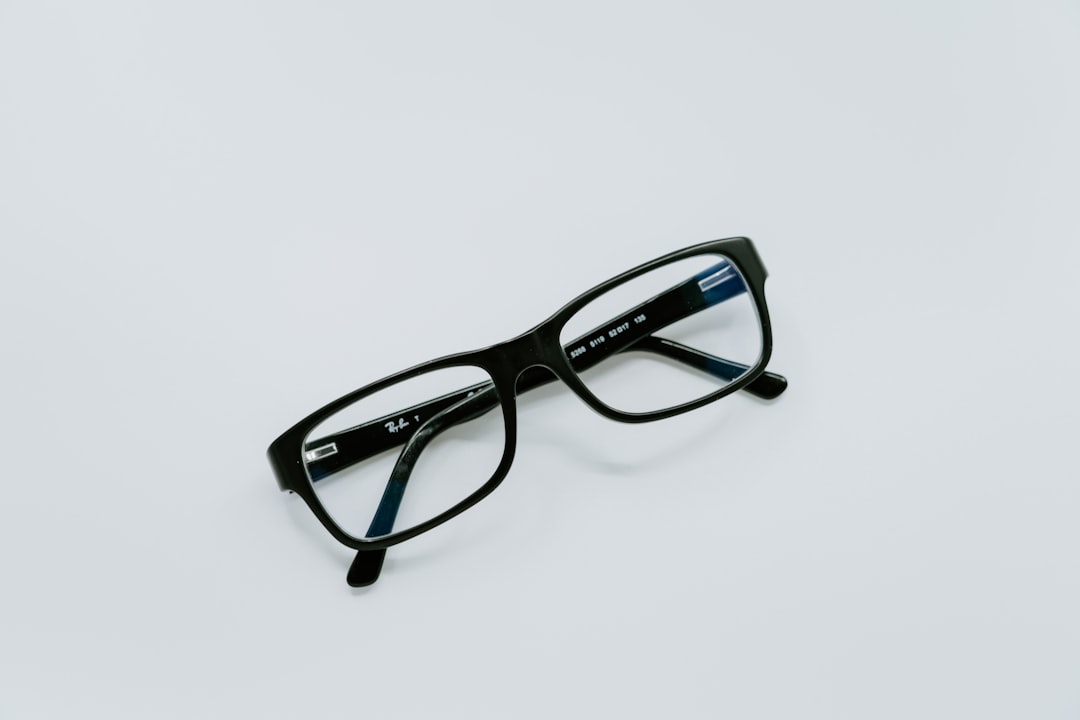
If you have ever looked inside a pair of frames and seen a sequence like 52-18-140, you have already found the basic sizing code that helps you shop for glasses more confidently online. This guide explains what those numbers mean, how they relate to fit, and when they do not tell the full story. It is designed to be a practical reference you can return to whenever you compare new eyeglass frames, replace a favorite pair, or double-check whether a style is likely to work with your face shape, prescription, and comfort preferences.
Overview
The short version is simple: 52-18-140 usually refers to three frame measurements in millimeters. In most cases, they mean:
- 52 = lens width
- 18 = bridge width
- 140 = temple length
These numbers are often printed on the inside of the temple arm, on the bridge, or somewhere discreet along the frame interior. They are a useful starting point for anyone trying to understand what do eyeglass numbers mean, but they are not the whole fit story.
Here is how each number works in practice.
Lens width
The first number, 52 in this example, is the horizontal width of one lens at its widest point. This is usually the measurement shoppers pay attention to first because it gives a rough sense of whether the frame runs narrow, medium, or wide.
As a general shopping guide:
- Smaller lens widths often suit narrower faces or more compact looks.
- Medium lens widths are common in versatile everyday frames.
- Larger lens widths may work better for wider faces or oversized styling.
But lens width does not equal total frame width. Two frames with the same 52 mm lens width can fit very differently depending on bridge shape, hinge design, frame material, and overall front width.
Bridge width
The middle number, 18, is the distance between the lenses at the bridge. This measurement affects how the frame sits on your nose. A bridge that is too narrow may pinch. One that is too wide may let the frame slide down.
This matters even more when comparing acetate frames with molded saddle bridges versus metal eyeglass frames with adjustable nose pads. On acetate, the bridge fit is often less adjustable. On metal frames, a skilled adjustment can improve comfort significantly.
Temple length
The final number, 140, is the length of the temple arm from hinge to ear tip. If temples are too short, the glasses may feel tight or sit too far forward. If too long, they may not anchor securely behind the ears.
Temple length is easy to overlook when you buy glasses online, but it affects all-day comfort more than many shoppers expect.
So what does 52-18-140 mean on frames?
In practical terms, 52 18 140 glasses meaning is this: the frame has a 52 mm lens width, an 18 mm bridge, and 140 mm temples. If your current pair fits well and has similar numbers, that is a good clue that the new pair may be in the right size range.
Still, use those numbers as a guide, not a guarantee. Frame shape can change fit just as much as raw measurements do. A soft round frame, a deep square frame, and a narrow rectangle can all share the same printed size while wearing differently on the face.
A simple glasses size chart explained
There is no single universal chart that fits every brand, but this rough interpretation is helpful when learning how to find frame size:
- Lens width: often falls into small, medium, or large ranges depending on the style category
- Bridge: affects nose fit and lens spacing
- Temple: affects how securely the frame rests behind the ears
- Total frame width: often more useful than lens width alone if the retailer provides it
- Lens height: especially important for progressive lenses and overall visual balance
If you are shopping for premium eyewear, look beyond the three-number code and check whether the product page also lists front width, lens height, and fit notes. Those extra details usually make online comparison easier.
For deeper style guidance, it can also help to pair sizing with shape advice. See Best Glasses for Face Shape: A Practical Guide for Round, Oval, Square, and Heart Faces and Unisex Glasses Styles That Actually Work Across Different Face Shapes.
Maintenance cycle
This topic stays useful because frame shopping habits, product pages, and fit expectations change over time. The basics of an eyeglass measurements guide remain steady, but your own reference points should be refreshed regularly.
A good maintenance cycle for frame sizing is simple: revisit your measurements whenever you replace a pair, switch frame materials, update your prescription, or start shopping a new category such as designer eyeglasses, blue light glasses, or prescription sunglasses.
Start with your current best-fitting pair
The easiest way to keep your sizing knowledge current is to use the pair you already wear most comfortably. Check the inside of the frame for the printed numbers. Write them down or save them in your phone along with a few fit notes:
- Does the bridge stay in place?
- Do the temples feel snug, neutral, or tight?
- Does the frame look too wide, too narrow, or balanced?
- Does the lens height work well for your prescription and daily use?
That creates a personal baseline that is often more useful than generic small-medium-large labels.
Refresh your notes when your needs change
Repeat that check when any of these change:
- You move from acetate frames to metal eyeglass frames or the reverse.
- You switch from single-vision lenses to progressive lenses.
- You begin wearing glasses for work all day and comfort becomes more important.
- You try oversized, narrow, or fashion-forward shapes outside your usual style.
- You shop a new brand with different fit tendencies.
For example, a frame size that worked well for single-vision lenses may not be ideal for progressives if the lens height is too shallow. Likewise, a bridge width that feels fine on metal frames with nose pads may not feel as secure on acetate.
Keep a simple fit record
If you shop for prescription glasses online, create a small personal fit record with these fields:
- Best-fitting frame numbers
- Approximate total front width, if known
- Preferred material: acetate, titanium, stainless steel, mixed
- Nose fit notes: low bridge, standard bridge, adjustable pads preferred
- Prescription type: single vision, readers, progressives
- Any comfort issues after long wear
This is the kind of reference that makes repeat shopping faster and reduces guesswork over time.
If you are comparing materials while updating your size notes, see Acetate vs Metal Glasses Frames: Comfort, Durability, Style, and Price and Titanium Glasses Guide: Are Titanium Frames Worth the Price?.
Signals that require updates
Even an evergreen guide like this one benefits from occasional revision. If you are using this article as a sizing reference, revisit it when search intent or shopping norms shift, and revisit your own measurements when your real-world fit changes.
Retailers start emphasizing different measurements
Some stores highlight only the classic three-number code. Others now surface total width, lens height, bridge style, virtual try-on data, or fit categories like narrow, standard, and wide. If product pages begin offering more detailed fit information, your comparison method should update too.
In many cases, total front width and lens height are more practical than temple length alone, especially when comparing larger fashion frames or prescription-ready sunglasses.
Your prescription changes
Prescription strength can affect ideal frame choice. Higher prescriptions may benefit from more careful frame sizing, lens shape selection, and lens material planning. That does not change what 52-18-140 means, but it can change whether a frame with those numbers is the best option for you.
If you need stronger lenses, you may start paying more attention to lens width, eye size, and options such as high index lenses or anti reflective coating. A smaller, better-centered lens shape can sometimes be more practical than a larger fashion frame.
You are considering progressives or multifocals
When moving into progressive lenses, revisit frame size guidance with extra attention to lens depth and fitting height. A frame can have familiar width and bridge numbers yet still feel unsuitable if the lens area is too short for comfortable progressive use.
This is one of the clearest examples of why the printed numbers are necessary but incomplete.
You notice recurring comfort problems
Update your fit assumptions if you repeatedly experience:
- Glasses sliding down
- Pressure behind the ears
- Pinching at the nose
- Frames touching cheeks when you smile
- Eyes looking poorly centered in the lenses
Those issues often point to a mismatch between measurements, bridge design, frame curvature, or overall width. For a fuller fit breakdown, read How Glasses Should Fit: Bridge, Temple, Nose Pad, and Frame Width Basics.
Category changes also matter
If you move from optical frames to prescription sunglasses, frame sizing may need another look. Wrap, shield, or larger sunglass shapes can behave differently even if the printed numbers look familiar. For more on that category, see Prescription Sunglasses Guide: Lens Colors, Polarization, and RX Options.
Common issues
The biggest sizing mistakes happen when shoppers treat the printed numbers as a complete answer. They are useful, but they work best alongside shape, material, and fit context.
Issue 1: Assuming the same numbers always mean the same fit
Two frames marked 52-18-140 can wear very differently. One may have thick acetate rims, another a thin metal build. One may have a keyhole bridge, another adjustable nose pads. One may be softly rounded, another angular and flat across the brow.
That is why a true glasses fit guide goes beyond the size stamp.
Issue 2: Ignoring total width
Shoppers often focus on lens width because it is the easiest number to understand. But total width frequently tells you more about whether the frame will look balanced on your face. If the retailer provides full front width, use it.
If not, compare multiple details together:
- Lens width
- Bridge width
- Frame shape
- Hinge placement
- Model photos on different face sizes, if available
Common issues
Another common issue is overlooking how frame material changes fit behavior. Acetate tends to feel more fixed in its shape, while metal frames with adjustable pads may allow finer tuning. Neither is inherently better. The best choice depends on your nose shape, sensitivity to pressure points, and whether you want a cleaner sculpted look or greater adjustability.
Issue 3: Forgetting about bridge style
A printed bridge width is only part of the picture. The shape of the bridge matters too. A low, wide nose bridge may need a different fit approach than a higher, narrower one. This is especially important when shopping online without trying on frames in person.
Issue 4: Using old measurements without checking wear patterns
Your favorite pair may no longer be the best reference if it has stretched over time or been adjusted repeatedly. If the current fit feels loose or crooked, use the stamped numbers carefully and focus on how the frame looked and felt when it fit best.
Issue 5: Not pairing frame size with prescription needs
Frame size is part of shopping, not the entire decision. If you have a stronger prescription, need blue light filtering for work, or plan to order multifocals, lens suitability matters as much as frame dimensions. Related reading: Blue Light Glasses vs Blue Light Filter Lenses: What Buyers Should Know.
A practical checklist before you order
Before you check out, compare these points:
- Do the printed frame numbers closely match a pair you already like?
- Does the overall frame width look similar or intentionally different?
- Is the bridge style compatible with your nose shape?
- Is the lens height sufficient for your prescription type?
- Does the material match your comfort preferences?
- Are you choosing the frame for all-day wear, style rotation, screen use, or outdoor use?
If sunglasses are part of your comparison set, these may also help: UV400 Sunglasses Explained: How to Check Real UV Protection, Polarized vs Non-Polarized Sunglasses: When Each Option Is Better, and Best Sunglasses Lens Colors for Driving, Fishing, Hiking, and Everyday Wear.
When to revisit
Use this guide again any time you are replacing a pair, trying a new frame shape, changing lens type, or noticing that your current glasses no longer feel right. The most useful habit is to revisit sizing before you shop, not after you receive a pair that almost works.
Here is a simple return-to-this-page routine:
- Every time you shop online: confirm your best-fitting numbers and note whether you want the same fit or a different look.
- When your prescription changes: recheck whether your preferred frame dimensions still suit your lens needs.
- When moving into progressives: review lens height and frame depth more carefully.
- When trying a new material or brand: compare fit notes, not just size stamps.
- On a scheduled review cycle: refresh your saved measurements every year or whenever you replace your main pair.
The most practical takeaway is this: the size code inside your frames is a strong starting point, but not a stand-alone verdict. If you remember one thing from this glasses size chart explained guide, let it be this: 52-18-140 tells you the frame's basic measurements, while real fit depends on shape, width, bridge design, material, and your prescription.
Save your current frame numbers, add a few personal fit notes, and use both together. That small step makes it easier to buy glasses online with less uncertainty and better odds of landing on a pair you will want to wear every day.