A good pair of glasses should feel secure, sit level, and stay comfortable for hours without needing constant adjustment. This guide explains how glasses should fit at the bridge, temples, nose pads, and overall frame width so you can choose better online, troubleshoot discomfort, and know when a small adjustment will fix the problem versus when you need a different size.
Overview
If you have ever wondered why one pair feels effortless and another slides, pinches, or leaves marks, the answer is usually fit rather than style. Frame shape matters, and lens options matter, but comfort starts with the way the frame sits on your face.
The most useful way to think about fit is to break it into four parts: bridge, nose pads, temple length, and frame width. Each part does a different job. The bridge helps support the glasses at the center. Nose pads fine-tune contact and balance. The temples keep the frame stable over and behind the ears. Frame width affects whether the glasses feel proportionate and stable across the front of the face.
This matters even more when you buy prescription glasses online, because a frame that looks right in photos may still fit poorly in person. A practical glasses fit guide helps you compare frame measurements, understand where discomfort comes from, and avoid returning pairs that were never likely to work.
As a basic standard, glasses should:
- Rest evenly on your face without tilting to one side
- Stay in place when you look down or move normally
- Not pinch your nose, temples, or behind your ears
- Keep the lenses centered in front of your eyes
- Avoid touching your cheeks or eyelashes during normal wear
If a frame misses one of those points, there may still be a fix. But first it helps to know which part of the frame is causing the issue.
Core framework
Use this section as a repeatable checklist whenever you try on a new pair or compare eyeglass frames online.
1. Bridge fit: where comfort starts
The bridge is the part of the frame that sits over your nose. In a practical sense, bridge fit determines whether glasses slide down, sit too high, or create pressure at the center of the face.
A good bridge fit means the frame feels supported without squeezing. On plastic or acetate frames, the bridge shape is fixed, so the frame either matches your nose well or it does not. On many metal eyeglass frames, adjustable nose pads offer more flexibility.
Signs the bridge fits well:
- The glasses stay in place during normal movement
- There is no strong pressure or pinching on the sides or top of the nose
- The frame sits at a natural height, not too low or unusually high
- The weight feels distributed rather than concentrated at one point
Signs the bridge fit is off:
- The glasses slide constantly, even when the temples feel fine
- You see deep pressure marks after short wear
- The frame sits so close that your eyelashes brush the lenses
- The frame perches too high and looks lifted off the face
When people search for bridge fit glasses, they are often trying to solve one of two opposite problems: too loose or too tight. A wide bridge on a narrow nose often leads to sliding. A narrow bridge on a broader nose often causes pinching. Small measurement differences can change comfort more than expected.
2. Nose pads: small parts, big effect
Nose pads are especially important on metal frames, rimless styles, and some premium eyewear designed for more precise adjustment. Their job is not just comfort. They also affect frame height, lens position, and whether the frame sits level.
Proper nose pad contact should feel balanced on both sides. The pads should touch the nose evenly and not dig in at sharp angles. If one pad sits flatter than the other, the frame can lean, wobble, or place uneven pressure on the bridge.
What well-adjusted nose pads do:
- Reduce slipping
- Help center the lenses in front of the eyes
- Improve comfort for longer wear
- Create a little space between the lenses and your cheeks
Common nose pad problems include pads that are too tight, too wide, uneven, or positioned at the wrong angle. This is one reason metal frames can be easier to fine-tune than acetate frames. If you often struggle with fit, adjustable nose pads may be worth prioritizing, especially for progressive lenses, multifocal wearers, or anyone who needs stable lens positioning throughout the day.
3. Temple length: security without pressure
The temples are the arms of the glasses that extend to the ears. Temple length glasses sizing is often overlooked, but it has a direct effect on comfort and stability.
Temples that are too short may pull the frame forward or create pressure behind the ears. Temples that are too long may not anchor the frame properly, which can lead to slipping or a loose feel even if the front of the frame seems right.
A good temple fit usually means:
- The arms reach comfortably over the ears
- The frame feels secure without gripping tightly at the sides of the head
- There is no soreness behind the ears after extended wear
- The glasses do not shift excessively when you talk, smile, or look down
If the sides of your head feel squeezed, the issue may be temple tension or overall frame width rather than temple length alone. But if the glasses keep moving despite a decent front fit, the temple length may be part of the problem.
4. Frame width: the big-picture measurement
If you want one measurement to narrow options quickly online, start with frame width. A reliable frame width guide helps you compare your current glasses to new pairs and eliminate sizes that are unlikely to work.
Frame width affects both comfort and appearance. Frames that are too narrow can pinch at the temples and look cramped on the face. Frames that are too wide may slide, sit awkwardly, and make the eyes appear off-center in the lenses.
In broad terms, a suitable frame width means:
- The frame front aligns well with the width of your face
- Your eyes sit roughly near the horizontal center of each lens
- The temples do not flare outward sharply
- The frame does not extend dramatically beyond the sides of your face
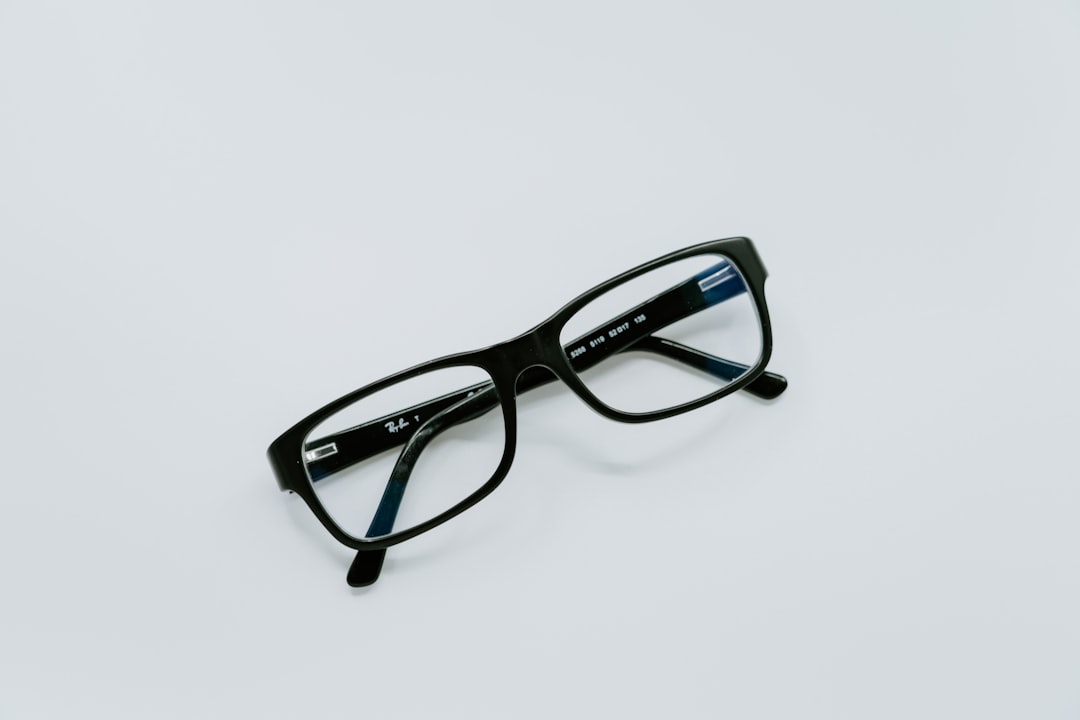
This is where measurement labels can help. Many eyeglass frames list lens width, bridge width, and temple length on the inside of the arm. Those numbers do not tell the whole fit story, but they provide a useful baseline when you buy glasses online. Comparing those numbers to a pair that already fits well is often more useful than guessing based on product photos.
5. Lens position and vertical fit
Even when width and bridge are close, vertical positioning can still make a pair feel wrong. The lenses should sit in front of your eyes in a way that supports clear vision and normal facial movement. If the frame sits too low, you may look over parts of the lens more than intended. If it sits too high, it may crowd your brows or rest too close to your cheeks.
This is especially important for progressive lenses, blue light glasses used for work, and prescription sunglasses. For progressives, fitting height matters because the lens contains different viewing zones. For work glasses, a stable, level fit helps reduce constant repositioning during screen use. For sunglasses, wrap, tilt, and cheek contact all influence comfort. If sun protection is part of your shopping list, it also helps to understand related lens topics such as UV400 protection, polarized vs non-polarized lenses, and this prescription sunglasses guide.
Practical examples
Here is how to apply the framework in real buying and troubleshooting situations.
Example 1: The glasses slide down all day
If your glasses slide, many people assume the temples are too loose. Sometimes that is true, but start with the bridge. A bridge that is too wide or nose pads that sit too open often cause the frame to creep downward. If the frame is acetate, there may be limited adjustment room. If the frame is metal with nose pads, a small adjustment may solve it.
Also check frame weight. Heavier lenses or larger lens shapes can make a slightly loose bridge feel much worse. If you have a stronger prescription, lens material and coatings may change the balance. For related reading, a lens-specific comparison can help, such as this guide to lens coatings.
Example 2: The glasses leave marks on your nose
Light marks are not always a problem, especially after long wear, but deep or painful marks usually point to too much pressure. The bridge may be too narrow, the nose pads may be too tight, or the frame may be carrying too much weight in one spot. If you feel pressure quickly after putting the glasses on, the size is probably not right.
Example 3: The frame pinches at the sides of your head
This usually suggests the frame width is too narrow. The temples may bow outward rather than following a smooth line back to your ears. Over time, that pressure can cause headaches or sore spots. A slightly wider version of the same frame often fixes the issue better than repeated bending.
Example 4: The lenses touch your cheeks when you smile
This can happen when the frame sits too low, the bridge fit is off, or the lens shape is too deep for your face. It is common with oversized styles and some fashion-forward designer eyeglasses. A minor adjustment may help, but sometimes the frame shape simply does not match your facial structure.
Example 5: The glasses feel secure but look too small
Comfort and visual proportion are related, but not identical. A frame can feel technically wearable and still look undersized. If your pupils sit too close to the outer lens edges, or if the frame front looks noticeably narrow compared with your face, you may want a wider size or a different shape. If style is part of your decision, these guides on the best glasses for face shape and unisex eyewear styles can help narrow options without losing sight of fit.
Example 6: Online shopping with an existing pair as reference
This is one of the best ways to reduce guesswork. Take a pair that fits well and note the measurements printed inside the temple. Use those numbers as your starting point, then compare:
- Lens width: helps estimate overall front size and lens proportion
- Bridge width: gives a clue about center fit, though bridge shape still matters
- Temple length: helps with reach and security behind the ears
Then compare the total frame width if the retailer lists it. Total width is often more practical than isolated measurements because it reflects how wide the front actually is on the face.
Material matters too. Acetate frames and metal eyeglass frames behave differently in fit and adjustment. If you are deciding between them, see acetate vs metal glasses frames. If you want something especially light and durable, titanium frames are also worth understanding.
Common mistakes
Many fit issues come from predictable mistakes. Avoiding them can save time and returns.
Choosing by lens width alone
Lens width is useful, but it does not guarantee fit. Two frames with the same lens width can feel very different because bridge shape, total frame width, temple design, and nose pad structure vary.
Assuming discomfort will always “break in”
Some frames soften slightly with wear, but real pressure points usually signal a fit problem. If glasses hurt right away, do not assume time will fix them.
Ignoring the bridge because the style looks good
This is common with designer eyeglasses and trend-driven shapes. A frame may look perfect from the front but fail at the bridge. Since the bridge controls support, this is rarely a detail to overlook.
Over-tightening for stability
People often try to stop slipping by increasing side pressure. That can create soreness at the temples without solving the root cause. Stability should come from balanced fit, not just tighter arms.
Using a flattering virtual try-on as a fit decision
Virtual try-on tools can help with proportion and style, but they are less reliable for pressure, temple reach, and bridge compatibility. Use them as a visual filter, not a complete sizing tool.
Forgetting that prescription needs can affect fit priorities
A simple pair of blue light glasses for occasional desk work may tolerate a broader fit range than progressive lenses or all-day prescription wear. The more your visual performance depends on stable positioning, the more precise fit becomes. If you are comparing screen-use options, see blue light glasses vs blue light filter lenses.
When to revisit
Glasses fit is not a one-time decision. Revisit this checklist whenever your needs, frame style, or lens setup changes.
It is worth reassessing fit when:
- You switch from single vision to progressive lenses
- You move from lightweight to thicker or higher-power prescription lenses
- You change from acetate frames to metal or titanium
- You buy prescription sunglasses or a larger wrap style
- Your current glasses start slipping or feeling uneven after months of wear
- You notice recurring red marks, headaches, or pressure behind the ears
- You are trying a very different shape from your usual eyeglass frames
Before you buy your next pair, use this simple action plan:
- Put on the pair you wear most comfortably and note what works: no slipping, no pinching, good lens height, no cheek contact.
- Write down the frame measurements printed inside the temple, then compare them to new options.
- Check total frame width if available, not just lens width.
- Decide whether you need adjustable nose pads based on your past fit issues.
- Consider your lens type. Progressives, prescription sunglasses, and glasses for work all benefit from stable positioning.
- When in doubt, prioritize fit over trend. A frame you wear comfortably will almost always become the better long-term choice.
The best premium eyewear does not just look refined on the shelf. It fits well enough that you stop thinking about it once it is on. If you return to one rule from this guide, let it be this: a good fit should feel balanced everywhere at once, not perfect in one area and problematic in another. That balance is what turns a frame from acceptable into truly wearable.