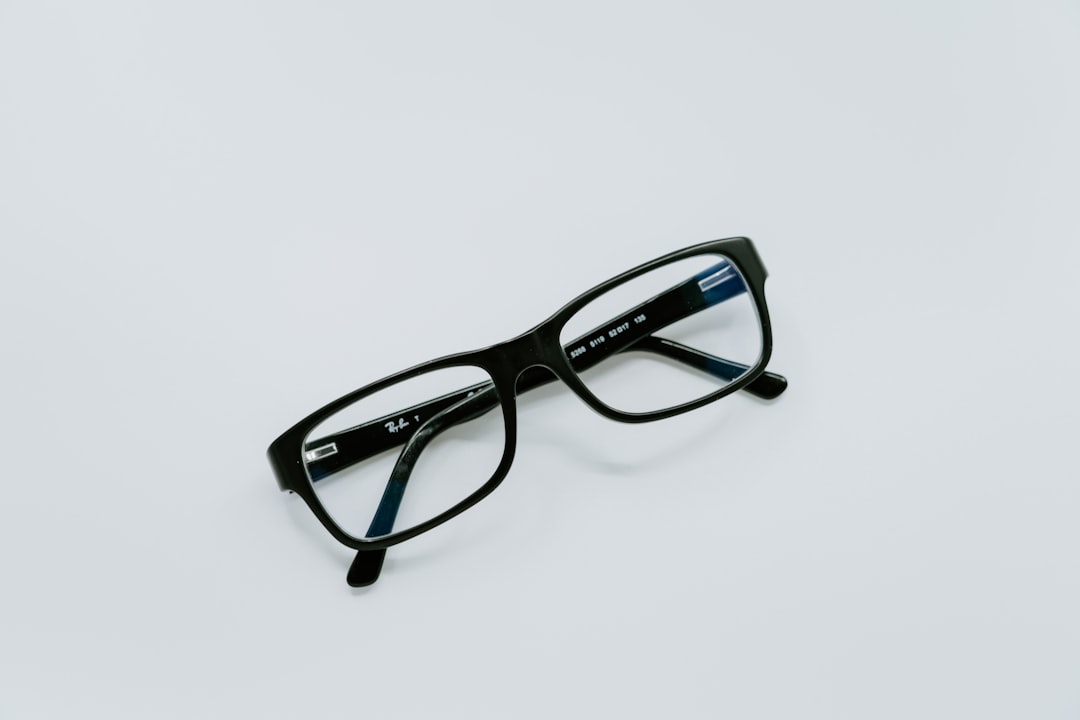
Eyewear retail is a rapidly evolving landscape where style, technology, and consumer expectations intersect. However, by observing innovation in sectors like telecom and consumer electronics, eyewear brands can accelerate their own industry innovation and deliver superior retail experiences. This comprehensive guide dives deep into cross-industry lessons that can revolutionize how eyewear companies approach product development, customer interaction, and market positioning.
1. Embracing Omnichannel Retail Strategies from Telecom
The Power of Seamless Multi-Platform Engagement
Telecom giants have mastered the art of omnichannel retailing — integrating physical stores, online portals, and mobile apps fluidly. Eyewear brands can borrow this approach to reduce friction between virtual try-on, prescription input, and final purchase processes. Customers seeking a smooth journey benefit from consistency whether shopping on mobile, desktop, or in-store.
Subscription Models and Customer Retention
Many telecom providers successfully use subscription plans to ensure steady revenue and loyalty. Eyewear brands might adopt subscription offers or membership models that encourage routine lens replacement or seasonal frame upgrades, echoing lessons from subscription offers in other verticals.
Data-Driven Customer Personalization
By harnessing customer data, telecom firms carefully personalize promotions and support. Eyewear brands can likewise employ data analytics to recommend frames based on face shape, previous purchases, and lifestyle — elevating the customer's path to purchase with targeted insights.
2. Leveraging Product Innovation from Consumer Electronics
Smart Wearables and Integrating Tech
Consumer electronics have pushed boundaries through smart device integration, as seen in wearables like smartwatches. Eyewear brands can innovate by embedding sensors, augmented reality (AR), or health-monitoring features directly into frames, echoing trends in wearable tech.
Enhanced Virtual Try-On Using AI and AR
Electronics companies often pioneer immersive AI-powered visualizations. Applying advanced AR fitting tools can address a primary eyewear pain point: uncertainty in fit and appearance. Brands adopting AI-enhanced try-on tech will substantially reduce return rates and improve conversions — a lesson mirrored in AI-enhanced search for community engagement.
Modular Designs for Personalized Customization
Modularity lets consumer electronics offer customizable components improving both utility and style. Eyewear could follow by offering interchangeable temple arms, nose pads, or lens modules to meet unique prescription and fashion needs, increasing overall product value.
3. Customer Experience Optimization Inspired by Telecom Support Systems
Real-Time Chat and Support Accessibility
Telecom companies invest heavily in real-time online support ensuring consumers can resolve doubts immediately. Eyewear retailers can up their customer service game with instant chatbots and live reps trained on lens specifications and frame fitting, reducing cart abandonment.
Transparent Pricing with Clear Breakdown
One of telecom’s customer satisfaction pillars is transparent billing. Applying that clarity to the eyewear purchase, with detailed costs of lenses, coatings, and frames visible up front, eliminates confusion about “hidden” charges — fostering trust.
Flexible Return & Warranty Policies
Returning or exchanging eyewear can be intimidating. Adopting telecom-style lenient return periods and robust warranty options reduces purchase hesitancy, as demonstrated by brands streamlining these policies to match customer expectations.
4. Supply Chain and Fulfillment Efficiency from Consumer Electronics
Strategic Distribution Center Automation
The consumer electronics industry increasingly relies on warehouse automation to fulfill orders rapidly and accurately. Eyewear retailers can maximize profitability and customer satisfaction by adopting similar distribution automation practices, ensuring faster delivery times for prescription glasses.
Inventory Transparency and Demand Forecasting
Electronics brands use sophisticated demand forecasting to minimize stockouts and overstock. Eyewear stores that integrate real-time inventory visibility and smart reorder algorithms can avoid delays on popular or designer frames.
Eco-Conscious Packaging Innovations
With growing consumer concern over sustainability, borrowing eco-friendly packaging solutions from electronic companies can enhance brand image and meet modern expectations, similar to initiatives in other industries embracing green packaging.
5. Marketing and Brand Engagement Techniques from Top Tech Firms
Influencer and Identity-Based Campaigns
Tech giants often leverage influencers adeptly to build brand narratives. Eyewear brands can harness the power of celebrity impact — from celebrities wearing frames to user-generated content — to grow authentic engagement, as analyzed in celebrity impact case studies.
Interactive Content and Customer Polls
Interactive experiences drive higher engagement. Inspired by sports fan polls and gaming event practices, eyewear companies can invite customers to participate in frame design votes or style challenges — elevating brand loyalty (interactive fan polls).
Harnessing Social Media for Discovery and Sales
Learning from salon brands mastering TikTok visibility, eyewear retailers can unlock the potential of short video tutorials and trend spotlights to attract younger demographics (social media strategies).
6. Integrating AI and Machine Learning for Personalized Shopping Journeys
AI-Driven Frame & Lens Recommendations
Borrowing from AI advancements demonstrated in news and publishing, eyewear sites can deliver personalized options by analyzing user preferences and face shape data, akin to AI in publishing enhancing content relevance.
Voice-Activated Search and Purchase
As voice agents revolutionize user interactions, eyewear brands may soon offer full voice navigation to streamline buying prescription glasses without typing, inspired by tech industry voice assistants.
Customer Insights Through Chat Analysis
An AI-enhanced approach to analyzing customer conversations provides sharp insights into product concerns and preferences, which eyewear retailers can employ to refine offerings and marketing strategies further, reminiscent of the value found in AI-enhanced search.
7. Competitive Pricing Tactics from Consumer Electronics and Telecom
Dynamic Pricing Based on Market Data
Consumer electronics use data-driven dynamic pricing models to optimize sales based on demand and competition. Eyewear retailers with transparent pricing tools can respond quickly to market trends and promotions, enhancing competitiveness.
Bundled Offers and Value Packages
Similar to telecom bundle plans, eyewear brands can entice customers with combo deals — for example, offering lenses plus exclusive coatings and case accessories at discounted rates — a strategy supported by our guide on retail strategies.
Loyalty Programs and Reward Tiers
Engaging loyal customers through tiered rewards encourages repeat purchases. Borrowing from various industries including pet supplies (subscription offers) and gaming, eyewear brands can build robust systems to generate lifetime value.
8. Quality Transparency and Material Authenticity Inspired by Electronics
Third-Party Certifications and Testing
Much like electronics that highlight compliance with safety and quality standards, eyewear should clearly communicate lens coatings, frame durability, and material authenticity through visible certifications to build trust.
Detailed Spec Sheets for Informed Choices
Detailed technical specifications for lenses and frames, including polarizing efficiencies or UV protection levels, echo the clear specs model used in electronics (comparative analysis), helping customers compare products confidently.
Customer Testimonials and Real-World Reviews
Encouraging customers to share experiences helps close trust gaps. Consumer electronics’ focus on verified reviews offers a roadmap for eyewear brands to showcase authentic buyer feedback, which enhances authoritativeness.
9. Visual Merchandising and Product Presentation Techniques
High-Resolution Interactive Imagery
Electronics brands increasingly offer 360-degree high-res interactive product images. Eyewear brands can leverage similar visual assets on virtual try-ons supplemented by ultra-detailed frame close-ups.
Limited Editions and Collector’s Items
Tying into consumer desire for exclusivity, eyewear can adopt limited edition releases with storytelling inspired by collectible markets, akin to limited edition collectibles.
In-Store Experience Inspired by Other Sectors
Consumer electronics stores often create immersive, tech-savvy dedicated retail environments. Eyewear dealers can benefit from experiential setups offering virtual mirror stations, customization kiosks, and engaging demos, making shopping memorable.
10. Strategic Partnerships and Collaborations
Co-Branding with Lifestyle and Tech Innovators
Borrowing from brands that form transformative collaborations, eyewear companies can partner with tech firms, fashion labels, or sports influencers to co-create lines that resonate with wider audiences, referencing effective strategies in transformative collaborations.
Charity and Cause Marketing
Aligning eyewear releases with social causes or charity projects amplifies brand goodwill and community connection, a proven tactic across industries.
Technology Licensing and Innovations
Leveraging patented tech from electronics companies for integrated eyewear features can speed innovation adoption, inspired by cases like Rivian’s tech features (patented precision).
Comparison Table: Cross-Industry Innovations Applicable to Eyewear Retail
| Industry | Key Innovation | Eyewear Application | Benefit | Example Source |
|---|---|---|---|---|
| Telecom | Omnichannel Sales Integration | Harmonized online, app & physical buying experience | Improved purchase journey & reduced friction | T-Mobile plan review |
| Consumer Electronics | AI-powered Virtual Try-On | AI-enhanced 3D fitting mirrors on site & online | Lower return rates, higher confidence | AI Enhanced Search |
| Consumer Electronics | Modular Hardware Design | Interchangeable frame parts and lenses | Greater personalization, increased product lifecycle | Wearable Tech Forecast |
| Telecom | Subscription Billing | Lens or frame regular replacement plans | Increased customer retention and predictable revenue | Subscription Offers |
| Consumer Electronics | Distribution Automation | Streamlined warehouse operations for fast fulfillment | Improved delivery times, cost efficiency | Strategic Distribution Automation |
Frequently Asked Questions
How can eyewear brands use AI to improve customer experience?
AI can enable personalized frame and lens recommendations, power virtual try-ons with realistic simulations, and provide instant customer support to resolve doubts, enhancing satisfaction and reducing returns.
What lessons from telecom subscription models apply to eyewear?
Adopting subscription or membership models helps stabilize revenue by offering ongoing lens replacement or style refreshes, fostering loyalty while making eyewear purchase more accessible.
Why is omnichannel integration important for eyewear retail?
Customers expect a seamless journey switching between online browsing, virtual try-ons, mobile checkout, and in-person visits. Omnichannel integration reduces friction and cart abandonment.
How do consumer electronics innovations support better eyewear presentations?
Tech like high-resolution 360° product views and AR enables customers to explore frame details virtually, driving confidence and engagement much like in top electronics retail sites.
What strategies from other industries increase brand engagement?
Influencer partnerships, interactive content, social media storytelling, and limited-edition co-branded products inspire customer interest and deepen brand loyalty.
Related Reading
- Maximize Your Savings: Subscription Offers for Pet Food and Supplies - Explore how subscription models boost retention across industries.
- Harnessing Conversations: How AI-Enhanced Search Transforms Community Engagement - Understand AI’s role in personalizing digital interaction.
- The Future of Wearable Tech: Will AI Pins Change How We Interact? - Insights into integrating tech into everyday accessories.
- Maximizing Profitability Through Strategic Distribution Center Automation - Deep dive into warehouse automation benefits.
- Utilizing Social Media for Salon Brand Visibility: Lessons from TikTok - Social strategies for building brand engagement online.