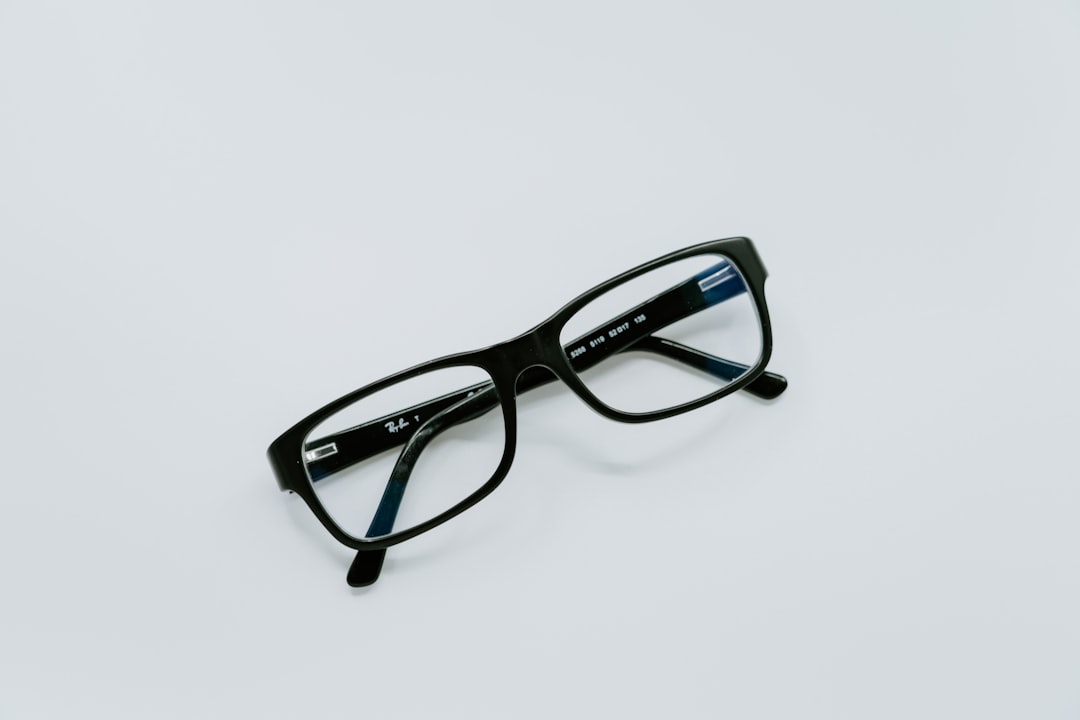
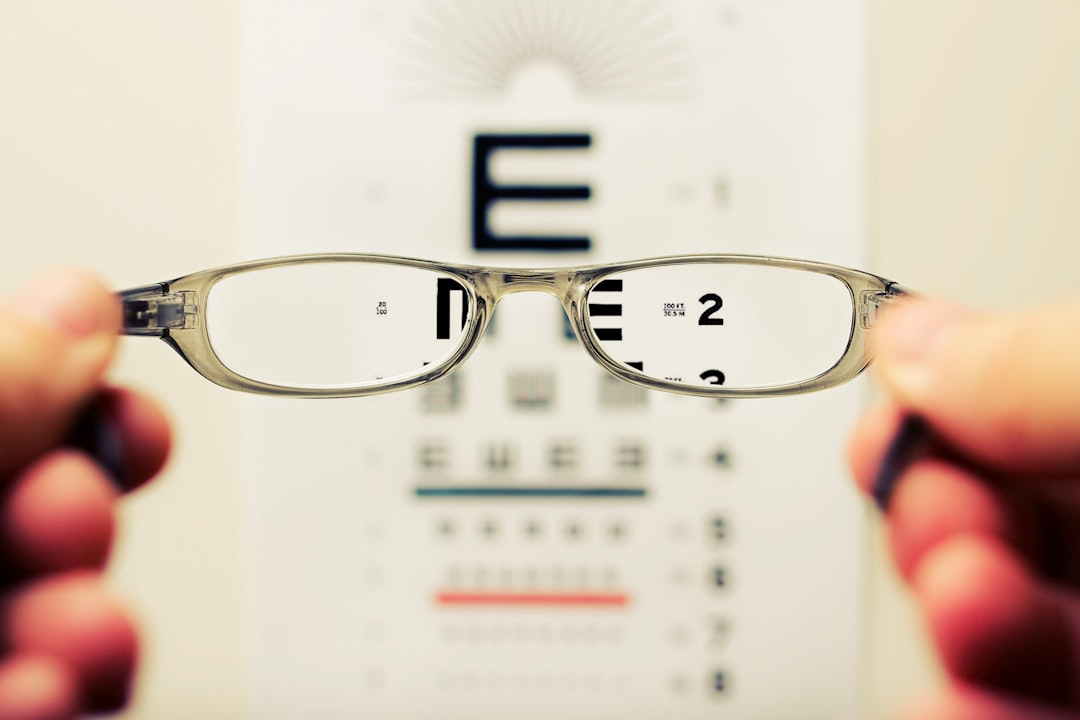
In recent years, the consumer electronics revolution, particularly advancements in smartphone technology, has dramatically reshaped not only how we interact with the world but also how fashion and accessories evolve—eyewear being a prime example. As smartphones set new standards for design, user expectations, and integration of technology, eyewear styles have increasingly mirrored these trends, reflecting shifts in consumer preferences for sleekness, functionality, and personalization. This definitive guide dives deep into the complex interplay between smartphone trends and modern eyewear designs, revealing how tech market innovations influence what we wear on our faces today.
For those ready to explore the intersection of smartphone trends and fashion, this article lays out comprehensive insights, case studies, and data-driven analysis informed by industry expertise.
1. The Impact of Minimalist Smartphone Design on Eyewear Aesthetics
1.1 Clean Lines and Slim Profiles
Smartphones have trended towards ultra-thin, minimal bezel designs, emphasizing slimness and streamlined forms. This pursuit of sleekness is mirrored in eyewear, where frames are increasingly lightweight, ultra-thin, and equipped with minimalist hardware. Consumers now expect glasses that complement their tech-savvy lifestyles without adding bulk.
For example, modern acetate and titanium frames feature subtle hinges and hidden screws to minimize visual clutter. This reflects a design philosophy popularized by premium smartphones such as recent Apple iPhone and iPad models, where even the tiniest design elements matter to perceived quality.
1.2 Matte and Metallic Finishes
Smartphones have introduced sophisticated finishes—matte and brushed metals impregnate the premium handset market. This finish trend extends to eyewear where matte black, gunmetal, and champagne tones dominate, replacing traditional glossy plastics. Eyewear brands incorporate anodized metals and subtle texture to appeal to style-conscious consumers who value understated luxury, echoing the tactile experience that smartphone buyers enjoy.
1.3 Transparent and Gradient Materials
Innovative uses of transparent and gradient materials in smartphones inspire eyewear makers to explore translucent acetate frames with ombré colors. This translucency adds a tech-inspired modern flair, resonating with younger consumers influenced by futuristic gadgets.
2. Integration of Smart Technology: The Rise of Smart Glasses
2.1 Voice Assistants and AR Features
The smartphone trend towards voice-enabled assistants such as Siri and Google Assistant has spurred interest in smart glasses that incorporate these features. Brands now explore eyewear embedded with microphones, speakers, and augmented reality (AR) displays, making glasses a natural extension of the smartphone experience.
Leading the charge are designs that blend AR overlays with prescription lenses, enhancing user interfaces without compromising style. This mirrors smartphones’ emphasis on merging computing power with everyday activities, encouraging consumers to see eyewear as multifunctional devices rather than just fashion statements.
2.2 Bluetooth Connectivity and Gesture Control
Wireless connectivity and gesture sensing, rooted in smartphone tech, find their way into eyewear. Frames now support Bluetooth connections to smartphones, enabling hands-free calls and music streaming. Gesture control interfaces allow wearers to interact with devices discreetly, reflecting the smartphone user’s demand for seamless, intuitive controls.
2.3 Energy Efficiency and Battery Advances
As smartphones push boundaries in battery life and charging speed, smart eyewear designers adopt low-power components and engineering solutions to prolong usage time and maintain slim profiles. The miniaturization and power optimization achieved in mobile tech provide blueprints for advancing smart glasses, enabling all-day wearability.
3. Consumer Expectations Shaped by Smartphone Usability
3.1 Customization and Virtual Try-On Technology
Smartphone users expect personalized experiences, which pushes eyewear retailers to adopt digital tools like virtual try-ons powered by smartphone cameras. This tech-driven approach addresses the pain point of not physically trying on eyewear before purchase, a major hurdle in online shopping.
Virtual try-on technology harnesses smartphone AR capabilities, allowing consumers to see frame shapes and colors accurately mapped onto their faces. This builds trust and confidence in buying stylish eyewear online and aligns with modern digital shopping habits influenced by smartphone convenience.
3.2 Speed and Fulfillment Expectations
Smartphones have set a benchmark for instant gratification with instant apps, rapid load times, and fast delivery tracking. Eyewear providers face consumer demand for speedy order fulfillment and transparent shipping updates. This leads to advanced logistics and supply chain improvements that enhance overall shopping satisfaction.
3.3 Enhanced Customer Support Via Mobile Channels
Consumers accustomed to smartphone-powered customer service expect responsive support through chatbots, apps, and comprehensive FAQs. Eyewear e-commerce adopts omnichannel customer support, integrating mobile-friendly chat, quick prescription data entry, and virtual consultations, making the buying journey frictionless and reassuring.
4. Cross-Industry Fashion Collaborations Triggered by Smartphone Branding
4.1 Co-Branded Eyewear Collections
Smartphone brands with iconic design language inspire eyewear collaborations focusing on shared aesthetics and technology ethos. For instance, limited-edition frames echo smartphone colorways or material innovations, appealing to loyal fans and technology aficionados.
Such cross-industry partnerships elevate eyewear into a lifestyle category, combining tech prestige with fashion sensibility. Consumers drawn to flagship smartphones often seek complementary accessories that mirror their gadget’s identity, a trend explored in-depth at fashion influence case studies.
4.2 Influencer and Celebrity Campaigns Amplifying Tech-Fashion Synergy
The smartphone market’s success stories often revolve around charismatic figures and social media influencers. Eyewear brands capitalize on this by enlisting tech-savvy influencers who champion both eyewear styles and smartphone trends, fostering aspirational buying behaviors.
4.3 Fashion-Forward Materials Inspired by Smartphone Components
Materials used in smartphones — such as carbon fiber, anodized aluminum, and ceramic — increasingly inspire eyewear designers to adopt these durable yet lightweight substances, ensuring glasses are both high-performance and fashionable.
5. The Influence of Smartphone Display Technology on Lens Innovation
5.1 Blue Light Filtering Lenses
Smartphone screens emit blue light, believed to contribute to eye strain and sleep disruption. Consumer awareness propelled by smartphone usage triggers eyewear brands to develop special blue light filtering lenses, a segment with expanding demand.
Combining these lenses with stylish frames satisfies the modern user who spends hours on mobile devices, pushing eyewear into the health-tech realm.
5.2 Anti-Reflective and Anti-Fingerprint Coatings
Inspired by smartphone screen coatings, these lens technologies reduce glare and smudges, improving clarity and wearer comfort. The demand for such lens innovations stems directly from experiences with smartphone interaction, making these features standard expectations.
5.3 Progressive and Transition Lenses Designed for Screen Use
Multifocal prescriptions and light-adaptive lenses are increasingly tailored for near-to-mid-range screen viewing distances, reflecting ergonomic insights gained from widespread smartphone use. This customization exemplifies how consumer needs shaped by digital device use influence eyewear technology.
6. Fashion Consumerism: How Smartphones Shape Eyewear Shopping Habits
6.1 Mobile Shopping and Eyewear eCommerce
Smartphones transformed retail by enabling anytime-anywhere shopping. Eyewear brands optimize their websites and apps for mobile, allowing consumers to browse, filter by face shape, and customize lenses seamlessly on the go, reflecting rising mobile commerce trends.
6.2 Social Media Influencing Eyewear Style Choices
The ubiquity of smartphones and social platforms accelerates trend cycles, allowing rapid dissemination of eyewear styles influenced by celebrities and cultural figures. Engagement metrics reveal that consumers prioritize eyewear styles that photograph well and fit social media aesthetics.
6.3 Price Sensitivity and Access to Deals via Mobile
Smartphone users compare prices and access discounts in real time, making price transparency and seasonal sales critical for eyewear brands. Data-driven guides like best seasonal discount guides support savvy buyers in making informed investments.
7. Comparative Table: Eyewear Features Inspired by Smartphone Technology Trends
| Eyewear Feature | Smartphone Trend Inspiration | Consumer Benefit | Popular Materials | Brands Embracing |
|---|---|---|---|---|
| Ultra-thin Frames | Slim bezel designs | Lightweight, stylish, comfortable | Titanium, acetate | Warby Parker, Ray-Ban |
| Smart Glasses with AR | Voice assistants, AR overlays | Hands-free info, multitasking | Polycarbonate, lightweight metals | North, Bose |
| Blue Light Filtering Lenses | Smartphone screen light emission | Reduced eye strain | High-index plastics | Zenni, EyeBuyDirect |
| Matte & Metallic Finishes | Brushed aluminum & matte phone cases | Modern, luxury look | Aluminum alloys, anodized coatings | Oliver Peoples, Prada |
| Virtual Try-On Technology | Mobile AR & front cameras | Confidence in online purchase | N/A – software feature | Eyewear.Store, others |
8. Future Outlook: What’s Next for Eyewear and Smartphone-Inspired Innovation?
8.1 Biometric Sensors Embedded in Frames
Following smartphone health tracking, eyewear will integrate sensors monitoring heart rate, blood oxygen, and even stress levels. This convergence of health tech and fashion is the next logical step in consumer electronics and eyewear fusion.
8.2 Enhanced AI-Powered Personalization
Machine learning algorithms will analyze user face shape, lifestyle, and preferences via smartphones to recommend ideal frames and lenses, elevating the shopping experience.
8.3 Sustainable Material Adoption
Smartphone trends towards sustainable sourcing encourage eyewear brands to develop eco-friendly materials without sacrificing style or durability, appealing to environmentally conscious consumers.
Conclusion
As smartphones continue to transform consumer habits, fashion aesthetics, and technology expectations, eyewear stands at a fascinating crossroads of these influences. From minimalist design inspired by sleek devices to the integration of smart features and health-conscious lenses, modern eyewear is increasingly a direct reflection of evolving smartphone market trends. Understanding this synergy empowers consumers to make informed choices that combine cutting-edge style with functional benefits.
Explore more about how technology shapes fashion and eyewear in From the Stage to the Court: The Cultural Connection of Athletic Performers and Musicians and dive into tools that make smart eyewear shopping easy like virtual try-on technology.
Frequently Asked Questions
1. How do smartphone trends directly influence eyewear styles?
Smartphone trends drive eyewear style through design minimalism, material innovation, and the integration of smart features, aligning eyewear with digital lifestyles.
2. Are smart glasses replacing traditional eyewear?
Smart glasses complement traditional eyewear but are not yet a full replacement; they cater to niche user needs and are growing with improvements in tech and design.
3. Can I try eyewear virtually using my smartphone?
Yes. Many retailers offer virtual try-on tools leveraging smartphone cameras and AR to help shoppers visualize frames before buying online.
4. What lens technologies are influenced by smartphone screen usage?
Blue light filtering, anti-reflective coatings, and lenses optimized for close-range screen distances have emerged due to heavy smartphone use.
5. How does smartphone-influenced consumer behavior affect eyewear purchases?
Smartphone use has increased demand for mobile-optimized shopping, fast fulfillment, customization, and price transparency in eyewear buying.
Related Reading
- From the Stage to the Court: The Cultural Connection of Athletic Performers and Musicians - Explore how culture influences style trends that impact eyewear fashion.
- The Impact of Fashion Icons on Style Trends: Lessons from Charli XCX - Understand the role of celebrities in driving eyewear style changes.
- Maximizing Savings: A Guide to the Best Current Seasonal Discounts - Learn how to find deals on designer and prescription frames online.
- Comparing the Best iPad Deals: Apple Store vs. Amazon—Where to Buy? - A case study in tech consumerism influencing buying confidence and expectations.
- Virtual Try-On Technology for Eyewear - Discover how AR and smartphone cameras are reshaping online eyewear shopping.