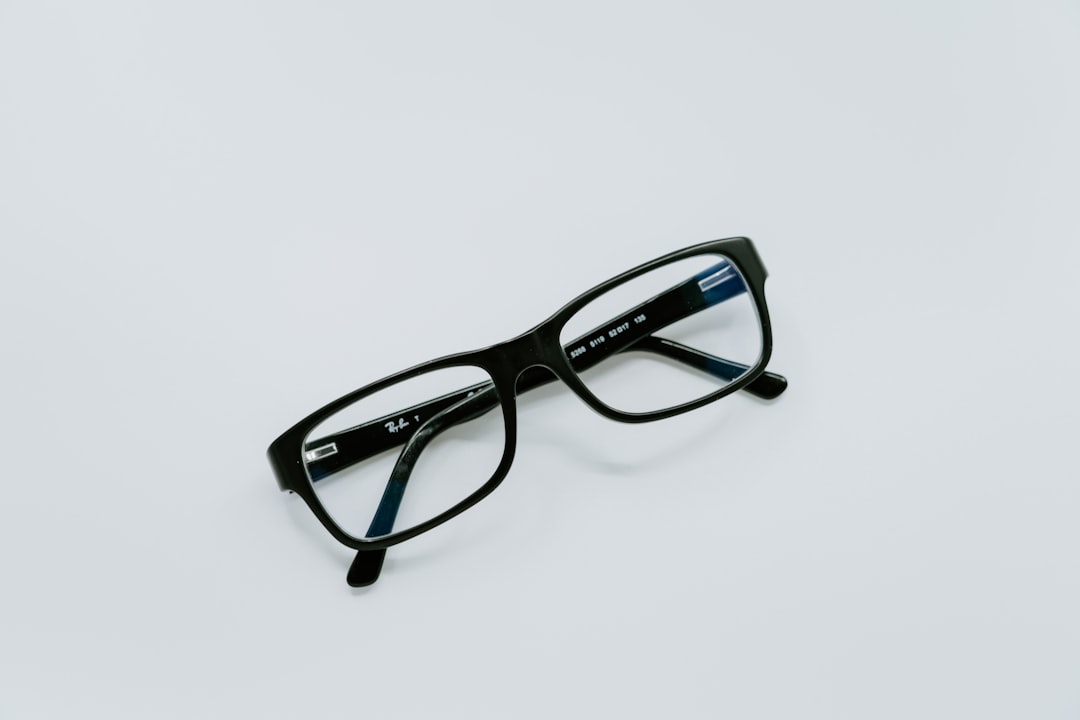
Purchasing a stylish pair of eyewear is an exciting experience, but ensuring their longevity demands the right knowledge and care. Eyewear maintenance goes beyond merely cleaning your glasses; it encompasses proper handling, storing, regular adjustments, and understanding warranty terms. Whether you own prescription glasses, sunglasses, or trendy fashion frames, following expert-approved care guides can extend the lifespan of your frames and lenses by years. In this definitive 2026 guide, we'll walk through everything you need to know about frame adjustments, cleaning tips, and smart aftercare tactics to keep your eyewear pristine and comfortable.
Understanding the Importance of Eyewear Maintenance
Why Caring for Your Frames Matters
Your eyewear is not just a vision aid but a fashion statement and an investment. Careful handling prevents common issues such as loose screws, frame warping, lens scratches, and coating damage. Without proper maintenance, your frames can deteriorate quicker, leading to frequent replacements. For a deeper understanding, our guide on eyeglass durability explains how material quality interacts with care practices.
Common Wear and Tear Issues
Effects like corrosion, hinge loosening, temple arm twisting, and lens coating wear are typical over time. Environmental factors, such as exposure to sweat, saltwater, or heat, may accelerate this decline. Often, these problems stem from improper storage or rough cleaning. Recognizing these problems early allows timely repairs to avoid permanent damage.
The Impact of Warranty and Repairs
Understanding your frame's warranty coverage offers peace of mind. Some warranties cover manufacturing defects but exclude damage from neglect. For clarity on navigating warranty claims, see our extensive article on glasses warranty coverage. Strategically, routine maintenance often prevents the need for costly repairs, balancing initial investments with long-term value.
Best Practices for Cleaning Your Eyewear
Choosing the Right Cleaning Materials
Avoid abrasive materials or household cleaners. Use a microfiber cloth designed specifically for lenses to prevent scratches. When using solutions, opt for ones formulated for eyewear or a gentle dish soap diluted with water. Our lens cleaning techniques article covers precise steps and recommended products to maintain lens clarity.
Step-by-Step Cleaning Process
Rinse frames under lukewarm water to remove dust particles, apply a drop of mild soap to lenses and frames, gently rub, then rinse and dry with a soft microfiber cloth. Avoid hot water, which can degrade lens coatings and plastic frames. Following this routine daily or as needed maximizes clarity and prevents grime buildup.
Handling Special Lens Coatings
Many lenses feature anti-reflective, blue-light blocking, or scratch-resistant coatings. These require extra care; harsh chemicals, alcohol, or paper towels can damage them. For insight into lens options and proper upkeep, check our guide on blue-light lenses and cleaning tips. Proper cleaning safeguards these advanced coatings, preserving optical performance.
Storing and Handling Your Eyewear
Safe Storage Practices
Always store your glasses in a hard shell case when not in use to protect from accidental crushing or exposure. Avoid leaving them in extreme temperatures, such as inside hot cars or freezing environments, as these conditions warp plastic and weaken metal frames. Our piece on frame materials under extreme conditions offers detailed insights.
Handling Tips to Prevent Damage
Use both hands to put on and remove glasses to maintain frame shape and stability. Avoid placing them lens-down on surfaces. Also, never wear your glasses on your head, which stretches the frames over time. These simple habits prevent misalignment and frame fatigue.
Travel and Portable Storage Solutions
For frequent travelers or those who switch between multiple eyewear pairs, compact protective cases with microfiber linings and rigid sides provide optimal safety. For further advice, see our top travel accessories for eyewear.
Periodic Frame Adjustments and Repairs
Recognizing When Adjustments Are Needed
Symptoms like glasses slipping off your nose, uneven legs, or pinching can indicate that your frames require professional alignment. Left uncorrected, this can cause discomfort and distort vision. Regular checkups help maintain fit and comfort, especially for complex styles like rimless frames.
DIY vs Professional Repairs
Avoid attempting major repairs yourself unless instructed. Minor tightening can sometimes be done at home with specialized kits but learning from expert sources is key. For more on safe DIY options, explore eyewear repair tips. However, for intricate hinges or lens replacement, consult a professional.
Where to Find Reliable Adjustment Services
Optical retailers and specialized repair shops offer frame alignment services. Some brands provide complimentary adjustments within warranty periods. We recommend reviewing our article listing trusted adjustment service providers to find convenient options.
Protecting Your Investment: Warranty and Care Guides 2026
Understanding Your Frame Warranty
Warranties often cover defects but not accidental damage or wear from misuse. Carefully read terms when purchasing. Knowing what qualifies saves you from costly surprises. See our detailed warranty explained 2026 for key points to watch.
Extending Coverage with Care Plans
Several eyewear stores and brands now offer extended care plans covering accidental damage and routine maintenance. These can be worthwhile for designer or costly frames, combining peace of mind with professional upkeep. Our guide to care plans for eyewear breaks down costs and benefits.
2026 Trends in Eyewear Care
The latest trends emphasize sustainable cleaning products, UV protective storage cases, and smart technology integrated in frames for wear tracking. Embracing these innovations enhances wearer experience and prolongs frame vitality. For more on upcoming innovations, read eyewear care trends 2026.
Frame Materials and Their Specific Care
Acetate Frames
Acetate is valued for its rich colors and flexibility but can be sensitive to heat and solvents. Use only approved cleaners and avoid extreme temperatures to prevent warping. Gently polish with a soft cloth to maintain luster. Our acetate frame care article offers detailed instructions.
Metal Frames
Metal frames are durable but prone to corrosion if exposed to moisture and sweat long-term. Wipe down regularly and consider an anti-corrosion coating available at repair shops. Hinge screws may loosen over time and require tightening. For nuts-and-bolts details, see metal frame maintenance.
Plastic and Nylon Frames
These frames are resilient but can scratch easily. Use microfibers and avoid abrasive cleaning. Nylon can sometimes become brittle if exposed to certain chemicals, so always follow manufacturer cleaning tips detailed in cleaning plastic and nylon frames.
Advanced Cleaning Methods and Tools
Using Ultrasonic Cleaners
Ultrasonic cleaners remove dirt from hard-to-reach areas using high-frequency sound waves. These devices are safe for most metal and acetate frames and can dramatically improve cleanliness. Many optical shops offer ultrasonic cleaning as part of maintenance. For at-home models and instructions, visit ultrasonic cleaning for glasses.
Anti-Fog and Anti-Scratch Treatments
Recent coatings improve lens durability and usability. Some sprays and wipes apply anti-fog layers that maintain optical clarity in varying conditions. Refer to our resource on anti-fog lens treatments to understand product options and application tips.
Regular Lens Replacements
Despite best care, lenses may become scratched or coatings wear, affecting vision quality. Schedule lens inspection yearly and consider replacement if vision or appearance is degraded. Explore when to replace lenses for guidance on timing and process.
Common Eyewear Mistakes and How to Avoid Them
Improper Cleaning Techniques
Using paper towels, tissues, or household sprays can harm coatings and cause micro-scratches that accumulate over time. Always opt for microfiber cloths and specialized solutions. The article common eyewear care mistakes explores typical errors and corrections.
Leaving Glasses Exposed
Leaving glasses face down on surfaces or in unsecured places leads to accidental damage and environmental exposure. Always store in cases and designate safe spots at home and work to prevent loss or damage.
Falling for Myths About Frame Care
Myths such as using saliva for lens cleaning or that all cleaning wipes are equal can harm your eyewear. Educate yourself with reliable guides — our debunking eyewear myths piece is a perfect place to start.
Boosting Frame Longevity: Pro Tips and Habits
Routine Care Rituals
Incorporate daily cleaning and weekly inspections for loose screws or damage. Create a checklist for tasks:
- Clean lenses every morning
- Inspect frame integrity weekly
- Store frames immediately after use
Leveraging Technology for Fit and Care
Virtual try-on tools, such as those found on virtual glasses try-on platforms, help find well-fitting frames that reduce the need for frequent adjustments. Some smart frames even remind you of maintenance schedules.
When to Seek Professional Help
If you notice persistent discomfort, vision changes, or structural damage, consult an optician immediately. Early professional intervention prevents minor problems from escalating dramatically. See our recommendations on when to see an optician to differentiate between DIY fixes and professional care.
Comparison Table: Cleaning Methods and Their Impact on Frame Longevity
| Cleaning Method | Safe for Coated Lenses | Effect on Frame Material | Frequency Recommended | Ease of Use |
|---|---|---|---|---|
| Microfiber Cloth & Lens Cleaner | Yes | Gentle on all | Daily | High |
| Lukewarm Water & Mild Soap | Yes | Safe if dried properly | Weekly | Moderate |
| Ultrasonic Cleaner | Yes (metal/acetate only) | Safe but not for fragile plastic | Monthly or as needed | Moderate |
| Household Cleaners (e.g., window cleaner) | No | Harsh, damages coatings/plastic | Never | Easy but harmful |
| Paper Towels or Tissues | No | Scratches lenses | Never | Easy but harmful |
Frequently Asked Questions (FAQ)
1. How often should I clean my glasses?
Ideally, clean your glasses daily with a microfiber cloth and lens-safe cleaner to maintain clarity and hygiene.
2. Can I use my shirt or paper towel to clean lenses?
No, these materials may scratch your lenses. Always use microfiber cloths designed for eyewear.
3. What should I do if my frames become loose?
Visit a professional for a frame adjustment or use a proper eyeglass repair kit for minor tightening.
4. Is ultrasonic cleaning safe for all frames?
It’s safe for most metal and acetate frames but not recommended for delicate or fragile plastics.
5. How can I protect my eyewear when not in use?
Store in a protective hard case away from extreme heat or moisture to prevent damage.
Related Reading
- How to Measure Your PD at Home Using a Phone and a Magnetic Mount (MagSafe Trick) - Learn to measure pupil distance accurately for perfect lens fitting.
- Eyewear Repair Tips - Step-by-step guide to common fixes you can perform safely.
- Glasses Warranty Coverage Explained - Understanding your rights and protections under various warranties.
- Virtual Glasses Try-On - How to use technology to find well-fitting frames before purchase.
- Blue-Light Lenses and Cleaning Tips - Special care advice for modern protective lenses.