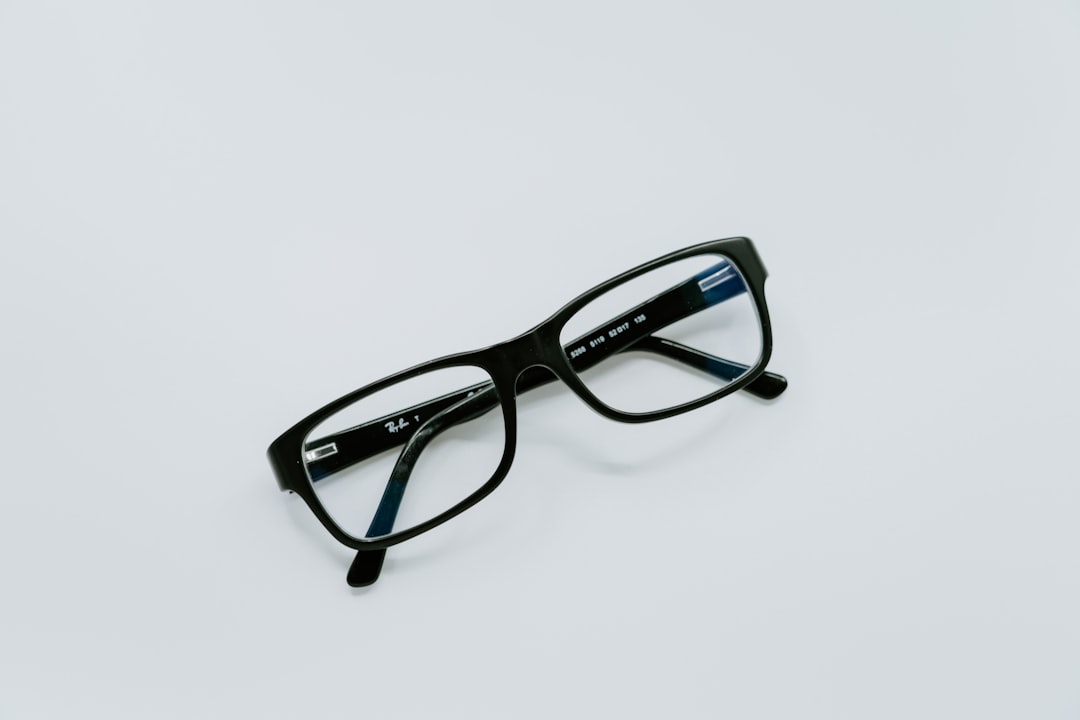
Much like the dynamic shifts in commodity prices teach traders the art of strategy adjustment, your eyewear demands thoughtful care and maintenance to ensure its longevity and optimal performance. Eyewear is not just a functional necessity for millions—it’s a daily companion, a fashion statement, and an investment in your visual health and style. This definitive guide explores essential eyewear maintenance strategies, frame adjustment techniques, cleaning protocols, repair tips, and valuable warranty advice, empowering you to keep your glasses in pristine condition for years to come.
The Fundamentals of Eyewear Maintenance
Understanding the Importance of Routine Care
Just as traders adjust their portfolios regularly to respond to market changes, regular upkeep of your eyewear adjusts them for daily wear and tear. Tracking your glasses’ condition proactively prevents issues such as loose screws, misaligned frames, and lens scratches, which can compromise vision clarity and comfort. Routine care extends the life of your frames and lenses, reducing costly replacements.
Materials Matter: Tailoring Care to Your Frame Type
Frames come in various materials—acetate, metal, titanium, stainless steel, and even wood or carbon fiber. Each requires specialized care. For example, metal frames often need periodic tightening of screws to maintain structure, while acetate frames benefit from gentle cleaning with mild soap and avoiding heat exposure that may warp the plastic. Understanding your frame’s composition guides how you maintain and adjust your eyewear effectively.
Protecting Your Investment with Warranty and Aftercare Procedures
Many reputable eyewear providers offer warranties covering manufacturing defects and repairs within a set period. Knowing the warranty scope helps you avoid unnecessary costs and ensures repairs are handled by trusted experts. Coupled with excellent aftercare practices, you maximize your frame’s longevity. For more on warranty insights, our detailed guide on lens warranties and care tips offers useful information.
How to Properly Adjust Your Frames for Comfort and Fit
Identifying Signs Your Frames Need Adjustment
Common signals indicating frame misalignment include frames slipping down your nose, pressure points behind ears or on the temples, and uneven lens positioning affecting vision. Don’t ignore these signs, as discomfort can deter consistent eyewear use, and misaligned lenses can distort vision. Developing a keen eye for these early cues ensures timely intervention.
DIY Adjustments: Safe Techniques for Minor Frame Tweaks
While professional adjustments are always preferred, certain minor fixes can be safely done at home. Using a clean microfibre cloth to loosen or tighten screws with a precision screwdriver maintains hinge stability. Heat-acetate frames can sometimes be gently warmed (using warm tap water, not boiling) to realign bent temples cautiously. Our step-by-step article on frame adjustments provides expert instructions and safety guidelines.
When to Seek Professional Frame Adjustment Services
If your frames require significant reshaping, or if DIY methods fail, entrust your glasses to certified opticians or eyewear specialists. Professionals employ specialized tools and have the experience to realign metal frames, reshape bridge areas, and reset lenses without damage. With many online retailers now offering local partner services, you can conveniently book adjustments near you. To explore professional options, see our section on after-sale care and repairs.
Cleaning Techniques That Preserve Lens Clarity and Frame Integrity
Choosing the Right Cleaning Materials
Using harsh chemicals or rough fabrics can scratch lenses and damage coatings. The best cleaning supplies include lens-specific sprays or mild dish soap diluted with water, paired with soft microfiber cloths. Avoid household cleaners that contain ammonia, bleach, or vinegar. For a comprehensive cleaning routine, review our expert advice in lens coatings and cleaning.
Step-by-Step Guide to Daily Cleaning
1. Rinse the lenses under lukewarm water to remove dust.
2. Apply a drop of mild dish soap and gently rub lenses and frames.
3. Rinse thoroughly to wash away soap residue.
4. Dry with a clean microfiber cloth using gentle strokes.
Regular cleaning not only keeps vision sharp but also prevents dirt buildup that can corrode frame materials over time.
Addressing Smudges, Oil, and Stubborn Debris
For persistent smudges or oily buildup, use specialized lens cleaning solutions containing anti-fog or anti-static agents. When traveling, portable cleaning kits come in handy. Never use paper products or clothing for wiping, as they may introduce scratches. For more on smudge-resistant coatings and upkeep, check our resource on lens options and maintenance techniques.
Repair Tips: Fixing Common Eyewear Issues
Tightening Loose Screws and Replacing Them
Loose hinges cause frames to become wobbly and uncomfortable. A tiny screwdriver set designed for eyewear can be a lifesaver at home. Carry spare screws or small repair kits especially if you travel frequently. For detailed repair kit recommendations and usage, see our practical guide on affordable DIY eyewear repair tools.
Fixing Bent or Crooked Temples and Frames
Bent temples misalign frames and exert uneven pressure. For metal frames, gentle hand manipulation combined with heat can restore shape. Plastic frames require more caution to avoid breakage. Using warm water for slight softening before adjusting is safest. When dealing with durable titanium or stainless steel frames, professional repairs might be more effective; learn the differences between frame materials and durability in our comparison of quality frame materials.
Dealing with Scratched or Damaged Lenses
Scratches compromise vision clarity and can worsen over time. Some minor surface scratches can be polished using special kits, but deep damage usually necessitates lens replacement. Recognizing when to repair versus replace lenses can save costs and ensure comfort. See our detailed comparison chart below for treatment options.
Comparison Table: Lens Damage Repair Options
| Damage Type | DIY Repair Feasibility | Professional Repair Feasibility | Cost Range | Longevity After Repair |
|---|---|---|---|---|
| Light Surface Scratches | Possible with polishing kit | Recommended for best results | $10–$30 | Several months to 1 year |
| Deep Scratches or Cracks | Not recommended | Lens replacement needed | $50–$200+ | Full lens lifespan if replaced |
| Coating Damage (Anti-glare, Blue-light) | Not repairable | Full lens replacement required | $80–$250 | Depends on new lens quality |
| Frame Bent but Lenses Intact | Limited minor adjustments | Full professional reshaping | $20–$60 | Extended frame life |
| Lens Dislodged from Frame | Possible reinsert if undamaged | Professional reset advised | $15–$40 | Continued use with proper fit |
Proper Storage and Handling for Long-Term Eyewear Longevity
Using Protective Cases and Avoiding Common Mistakes
Storing your glasses in a sturdy, padded case when not in use protects them from accidental damage. Avoid leaving them exposed on surfaces where they can fall or be crushed. Remember that placing lenses face-down can cause scratches. For smart storage hacks and accessory recommendations, see our article on affordable frame protection accessories.
Traveling with Your Eyewear: Tips for Safe Transit
When commuting or traveling, pack your glasses in a dedicated compartment of your bag with a hard case inside a soft pouch. Avoid extreme temperatures which can warp frames or degrade lens coatings—just as fluctuating commodity prices require guarded trading environments, protect your glasses from harsh conditions. For travel-focused eyewear advice, check our guide on travel and handling tips.
Daily Habits that Help Preserve Frame Shape and Lens Quality
Adopt habits such as always using both hands to put on or remove your glasses to avoid twisting the frame. Regularly inspect screws and hinges for looseness. Avoid resting glasses on your head, which stretches frames over time. Remember, small adjustments in daily handling affect your eyewear’s durability significantly.
Extended Warranty and Aftercare: What You Need to Know
Understanding Warranty Coverage and Limitations
Warranties typically cover manufacturing defects, but normal wear and accidental damage might not be included. Reading the fine print of your eyewear warranty helps manage expectations and prepares you for possible out-of-pocket repairs. For more on interpreting warranty coverage, our insights on warranty and return policies are invaluable.
Aftercare Services Offered by Online Eyewear Stores
Increasingly, online retailers provide complimentary or low-cost after-sale adjustments and repairs, as well as easy returns and exchanges to build customer confidence. Look for stores offering virtual try-on and fitting consultations to minimize post-purchase adjustments. Our article on virtual fitting services details these advantages.
When to Opt for Professional Repairs vs. Replacement
Assess repairs financially and practically. If the cost and time of repair approach or exceed replacement, consider investing in a new pair. However, for high-end or designer frames, professional repairs often maintain better value and fit. Our guide on affordable stylish frames helps you balance cost and quality choices smartly.
Pro Tips for Eyewear Longevity and Optimal Use
“Treat your glasses as a precision instrument: regular cleaning, cautious handling, and prompt adjustments will reward you with years of clear vision and stylish comfort.”
To that end, scheduling a brief monthly check—testing frame tension, inspecting lenses, and cleaning carefully—is a powerful habit. Also, investing in a quality eyewear case can prevent many common issues proactively. For continuous eyewear care inspiration, explore our curated collection of stylish and durable frames built for longevity.
Frequently Asked Questions
How often should I have my frames professionally adjusted?
It is recommended to have your frames checked every 6-12 months, or sooner if you experience discomfort or notice looseness.
Can I use household cleaners on my lenses?
No, avoid ammonia-based or harsh cleaners as they can damage lens coatings; only use lens-specific cleaning solutions or mild soap.
What’s the best way to store glasses when not wearing them?
Always store glasses in a hard protective case, lenses facing up to prevent scratches, and avoid exposure to direct sunlight or heat.
Are all frame materials equally easy to adjust?
No, metal frames like titanium are easier to adjust professionally, while plastic frames require more care and cautious heat application.
Does my warranty cover accidental damage?
Typically, warranties cover manufacturing defects only, not accidental damage—check with your retailer for specific policy details.
Related Reading
- Frame Materials Quality and Durability - Deep dive into the strengths of different frame materials and what suits your lifestyle.
- Blue Light Coatings: Care and Cleaning - How to preserve special coatings on your lenses effectively.
- Virtual Try-On and Fitting Services - Use technology to shop with confidence and reduce returns.
- Warranty and Return Policies Explained - Understand what’s covered and how to navigate repairs.
- Affordable DIY Eyewear Repairs - Guide to cost-effective, safe fixes you can do at home.