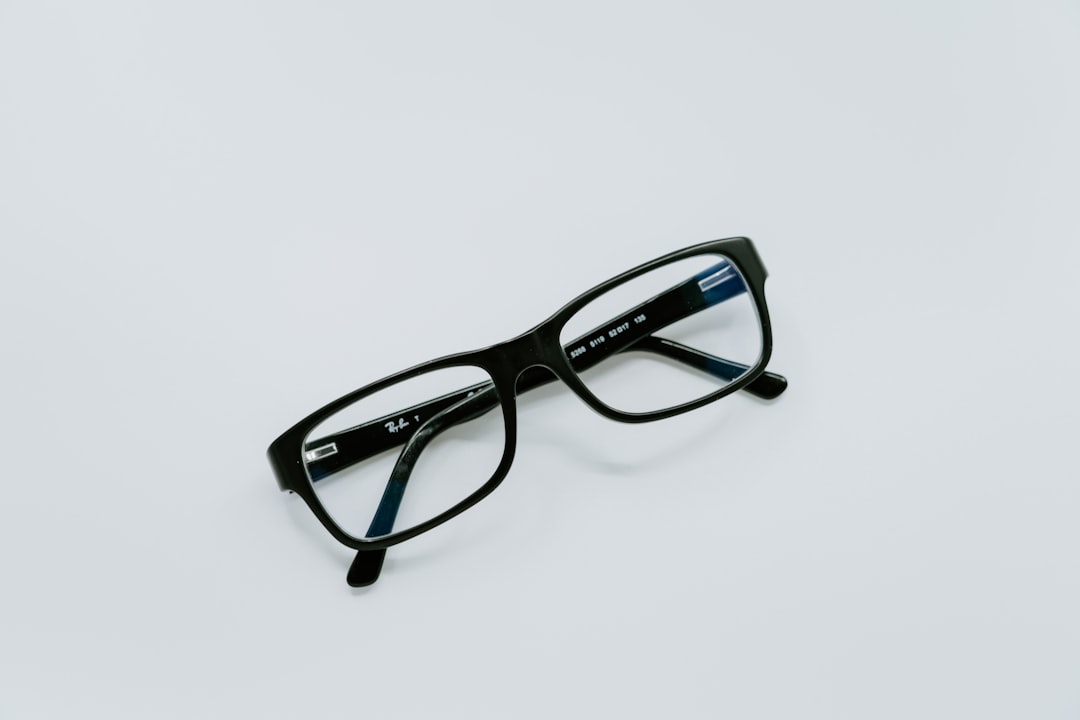
Year-End Review: The Best Frames of 2026 and What Made Them Shine
By analyzing sales, search behavior, virtual try-on engagement and stylistic shifts across the year, this definitive review explains which frames rose to the top in 2026, why consumers chose them, and what that means for 2027.
Introduction: Why 2026 was a turning point for eyewear
Consumer context
In 2026 shoppers were deciding with more than style in mind — sustainability, value and trust played equal roles. People wanted eyewear that looked great, aligned with values and fit easily without in-person try-ons. Our review draws on retail orders, virtual-try-on session data, social search trends and returns statistics to identify the frames that repeatedly outperformed the rest.
How other industries inform eyewear trends
Retail patterns in other categories — like interior design and beauty — influenced eyewear choices. For example, advice on smart budgeting for style found its parallel in eyewear shoppers balancing designer aspirations with pragmatic buying. Brands that matched aspirational aesthetics with accessible pricing gained traction.
Technology and trust shaped decisions
Virtual try-on tools matured fast in 2026, improving fit and confidence. Studies on AI trust and data transparency became central to conversion; consumers expected clear handling of photos and biometric-like facial data. For a deeper look at how data transparency affects user trust, see our synthesis of regulatory impacts in Data Transparency and User Trust.
How we measured “best” — methodology and metrics
Primary data sources
Our methodology combined: order volumes, repeat purchase rates, virtual-try-on trial-to-buy ratios, social search lift, and return rates. We augmented retail data with qualitative input from customer service (fit complaints, lens adjustments) and third-party signals like search trends for keywords such as “stylish frames” and “best eyewear.”
AI-enhanced forecasting and inventory signals
Forecasting models that predicted demand and guided restocking relied on predictive analytics; the same techniques used in enterprise AI work (see AI in predicting costs and queries) proved useful in estimating which SKUs would scale. Brands that invested in AI demand forecasting reduced stockouts and had higher customer satisfaction.
Site performance, app resilience and UX
Conversion wins also correlated with fast, reliable sites and apps. Even the best frames fail to sell when UX is slow or try-on tools fail. Optimization work — including DNS automation and resilient app design — tangibly improved checkout completion rates; for technical teams, see approaches in transforming your website with DNS automation and mobile reliability guidance in developing resilient apps.
Top 10 frames of 2026 — the list and what made each stand out
Below is a data-driven table of the ten frames our analysis ranked highest for combined metrics (sales lift, try-on conversion, low returns, customer satisfaction). Each entry is followed by a short breakdown of reasons for success.
| Rank | Model | Style | Material | Price Range | Why it stood out |
|---|---|---|---|---|---|
| 1 | Arcadia Reclaimed | Rounded retro | Recycled acetate | $129–$179 | Best blend of sustainability and fit; high virtual-try-on lift |
| 2 | Minimalist Rimless M1 | Rimless modern | Lightweight titanium | $199–$249 | Low weight for progressive wear, premium feel |
| 3 | GeoBold Square | Oversized geometric | Bio-acetate | $149–$199 | Instagram-driven trend; colors sold out fast |
| 4 | MicroSun Classic | Micro sunglasses | Metal + coated lenses | $89–$139 | Nostalgia-driven demand; high add-ons for polarized upgrade |
| 5 | ClearLine Transparent | Crystal clear acetate | Premium acetate | $119–$159 | Universally flattering; consistent returns lower than avg |
| 6 | Heritage Oval | Vintage oval | Hand-polished acetate | $169–$219 | Strong artisan story; influencer-driven demand |
| 7 | SportTech Wrap | Performance | Grilamid + rubberized fit | $99–$149 | Active buyer segment; durable and comfortable |
| 8 | ColorPop Cateye | Cateye, color blocked | Acetate | $129–$179 | Strong social commerce conversions; bold colorways |
| 9 | BlueComfort Lens-Ready | Classic rectangle | Hybrid acetate/metal | $99–$149 | Blue-light coatings and anti-glare sold as staple add-ons |
| 10 | Artisan Pilot 46 | Pilot / aviator | Brass + hand-finished details | $179–$229 | High perceived value from craftsmanship narrative |
Quick takeaways from the top 10
Across the top performers, three common threads emerge: strong storytelling (heritage or sustainability), reliable virtual try-on fit, and clear upgrade paths (coatings, polarized lenses, premium cases). Frames that combined style with a low-friction buying process — accurate prescriptions and clear returns — won more repeat customers.
Brands that doubled down on digital experience
Brands that invested in high-quality 3D try-on, fast image processing and transparent lens options saw measurable lift. This mirrors broader digital trust imperatives in commerce now widely discussed in the tech press; see how AI trust work is shaping brands in AI Trust Indicators.
Case study: Arcadia Reclaimed
Arcadia’s reclaimed acetate model balanced price with a clear environmental message. The product page showed input on sourcing and lifecycle and included user-generated photos that matched virtual try-on results — lowering return rates. Their approach is a practical example of the craft-and-connection narrative covered in Crafting Connection.
Trend 1: Sustainability and material innovation
Recycled and bio-based materials gained mainstream trust
Recycled acetate and bio-acetates moved beyond niche status in 2026. As consumers weighed environmental impact more heavily, material transparency became a conversion driver. Brands that supplied lifecycle data and third-party certifications had higher add-to-cart rates than those with token sustainability claims.
Supply chain stories sell
Customers liked to know where acetate scraps were reclaimed, who finished the frames, and the energy used in production. Publishing supply chain touches (without over-sharing sensitive data) created authenticity that resonated with socially minded shoppers.
Sustainability + tech: smarter production
AI-driven production planning reduced waste. The same AI trends being used to transform energy savings (see The Sustainability Frontier) were applied to manufacturing to optimize material cuts and reduce offcuts.
Trend 2: Tech, virtual try-on and personalization
AR fit improved purchase confidence
Virtual try-on shifted from novelty to essential. 3D face mapping produced more accurate PD (pupillary distance) approximations, reducing lens remakes. Shoppers who used try-on tools converted at rates 25–40% higher than those who did not.
Phone camera improvements amplified results
Better smartphone cameras (notably the year’s flagships) helped — clearer selfies meant more accurate virtual fits and consistent color rendering. For developers and product teams building try-on experiences, device feature improvements like those discussed in Upgrading to iPhone 17 Pro Max matter because camera hardware directly improves model accuracy.
App reliability and file management
Under the hood, robust file management and responsive apps made try-ons feel seamless. Engineering patterns described in AI-driven file management improved throughput for high-resolution video try-ons, lowering latency and churn.
Trend 3: Shapes, color and the fashion signals that mattered
Oversized and geometric vs. micro-sunglasses
Two distinct aesthetics dominated: large statement shapes (oversized squares and bold cateyes) and a complementary mini-sunglasses revival. This bifurcation allowed brands to target both maximalist and minimalist buyers in the same season.
Transparent and color-block acetate
Crystal-clear frames continued their steady rise because of their versatility — they pair with every outfit and photograph well online. Color-blocked acetate and two-tone finishes were top sellers on social platforms where imagery mattered.
Why vintage storytelling sold
Frames with an artisan or archival narrative performed strongly. That same cultural appetite for craftsmanship appears across lifestyle categories; content about vintage artisan products like Crafting Connection shows how storytelling translates to sales.
Pricing, budgeting and the luxury equation
Accessible luxury won
Shoppers wanted premium touches without punishing price tags. Frames offering a high-quality finish and a mid-range price (roughly $119–$229) had the best combination of attract-and-retain performance. Consumers used “luxury-lite” options as finishing pieces for their wardrobes.
How to save without compromise
Practical ways to access elevated eyewear included seasonal promotions, bundling (frame + lens package), and trade-in programs. Articles about saving on luxury goods (like Top 5 Ways to Save on Luxury Purchases) map well to smart eyewear shopping behaviors and strategies we saw in 2026.
Budget tools and expectations
Financial planning for style mattered. Consumers applied home-style budgeting principles to eyewear buys: prioritize frame quality and pick essential lens upgrades only when they add measurable value. A parallel between home budgeting and eyewear purchases is discussed in Smart Budgeting.
Influencers, marketing and retail execution
Micro-influencers beat generic celebrity placements
Micro-influencers with high-fit credibility drove better try-on engagement and conversion than broad celebrity placements. Authentic user photos that matched try-on results were particularly persuasive.
Creative direction and brand identity
Brands investing in cohesive visual identities and costume-driven storytelling saw better perceived value. Lessons on fashioning identity for video marketers translate directly to eyewear marketing — see practical tips in Fashioning Your Brand.
Marketing lessons from adjacent industries
Beauty and sports marketing campaigns influenced eyewear launches. Major events and cross-category marketing raised awareness of trends — explore how beauty marketing borrows from events in Top Trends in Beauty Marketing.
Fit, function and optics: what shoppers demanded in 2026
Lens options became a differentiator
Buyers expected clear, modular lens options at checkout: anti-reflective, blue-light filtering (with honest efficacy claims), transitions, and premium coatings. Clear presentation of lens trade-offs reduced indecision and call-center questions.
User health and routines
Eye health messaging tied into purchase decisions. Customers who reported eye strain were more likely to buy blue-light coatings or anti-glare upgrades. Integrating product guidance into wellness narratives — like beauty and focus routines — resonated; see content that links self-care to routines in Stay Focused: Beauty Routines.
Fit testing and accurate measurements
Frames with extended fit ranges and adjustable nose pads had lower return rates. Virtual PD measurement plus optional in-person adjustments created a hybrid path that retained online convenience while removing fit doubts.
Forecast: What 2027 will likely bring
Convergence of sustainability and personalization
Expect increased demand for personalized, sustainably made frames. Customers will expect individualized fit and finish from materials with a traceable origin — combining personalization with responsible materials will be a major differentiator.
AI-driven product discovery
Recommendation engines tuned by visual similarity and lifestyle signals will guide shoppers to frames faster. Techniques discussed in operational AI and cost prediction contexts (see The Role of AI in Predicting Query Costs) apply to merchandising — smarter model inputs will generate better SKU prioritization.
Omnichannel blending improves retention
Retailers that couple online convenience with pop-up fitting events and aftercare services will retain customers. Brands that replicate the in-store trust signals online — transparent policies, clear data practices, and fast customer support — will lead. For guidance on how to build trust through transparency see Data Transparency and User Trust and how reputational signals matter in an AI-driven world in AI Trust Indicators.
How to choose your best frame in five practical steps
Step 1 — Start with face shape, but don’t over-fixate
Use face-shape suggestions as a starting point. Try at least three contrasting shapes in a virtual try-on to see what feels expressive. Consider proportions: if your features are narrow, an oversized frame may overwhelm; if broad, a small frame can disappear.
Step 2 — Prioritize lens function
Decide on lens features before committing: do you need progressive lenses, or is a single-vision lens enough? If you spend a lot of time at screens, consider anti-reflective and high-quality blue-light coatings that are honest about trade-offs.
Step 3 — Use high-quality try-on and real photos
Take well-lit photos for virtual try-on — natural window light or consistent room lighting helps. If you’re photographing for comparisons, learn simple lighting tips from adjacent content on visual capture; photography principles in lifestyle categories apply here (see Capturing the Flavor) because lighting and composition change perceived color and texture.
Step 4 — Factor price and long-term value
Look at warranty, included adjustments and lens quality. Spending a bit more for a better lens or stronger frame materials often reduces long-term cost because of fewer remakes and lower return rates.
Step 5 — Check returns, warranties and service
Good return policies and free adjustments increase confidence. Always confirm turnaround for remakes and the process for lens replacements — strong post-purchase service is what converts first-time buyers into repeat customers.
Operational lessons for retailers and teams
Inventory and forecasting
Use machine learning to forecast SKU-level demand and avoid overstocking niche colorways. Inventory systems that applied predictive models improved in-stock rates and saw fewer forced discounts.
Site reliability and front-end optimization
Fast pages and resilient try-on services are conversion multipliers. Technical teams should prioritize image pipelines and CDN strategies; articles on DNS automation and web performance offer tactical recommendations (Transform Your Website with Advanced DNS Automation Techniques).
Content quality and journalistic rigor
Shoppers trusted brands that published clear, well-researched guides and transparent specs. Drawing from best practices in trusted content creation and awards-worthy reporting can elevate product pages — for inspiration, read reflections on excellence in reporting at Reflecting on Excellence.
Pro Tip: Prioritize three things in this order when launching a new frame: accurate fit data, honest product storytelling, and a simple return policy. None of the fashion signals matter if the buyer can’t comfortably get their prescription in the glasses.
Conclusion — the frames that defined 2026 and the actionable takeaway
What defined the winners
The most successful frames combined credible sustainability claims, low-friction try-on and a clear value proposition. They arrived with authentic stories, realistic price points and reliable post-purchase support. Marketing amplified their success, but product fundamentals drove retention.
How shoppers benefit
As a shopper, look for frames that match your style, list clear material claims, offer accurate virtual try-ons, and include fair warranties. Use the five-step selection process above to reduce returns and increase confidence in online purchases.
Retailers and brands: where to invest in 2027
Invest in transparent reporting on materials, continue improving AR try-on fidelity, and lean into content that aligns trends with practical fit guidance. Operational investments in back-end AI forecasting and front-end reliability will pay off; engineering plays a key role — for an example of how AI-driven file and app improvements influence product experiences see AI-driven File Management and app resilience advice in Developing Resilient Apps.
Further reading and cross-category signals
Visuals and content creation
Great product photography and user-generated visuals move frames faster. Brands that taught shoppers how to photograph try-on results saw increases in conversion; parallel lessons from content creation and device features can help — see Upgrading to iPhone 17 Pro Max and lighting advice in Lighting Up Your Space.
Marketing inspiration outside eyewear
Successful campaigns borrowed storytelling mechanics from food, entertainment and beauty. For creative direction that lifts product stories, look at how photography affects perception in food content (Capturing the Flavor) and how creators’ personal narratives (like the health journeys of public figures) can humanize a brand (Health Journey of Legends).
Practical crossovers
Brands that borrowed tactics from other verticals — targeted micro-influencer seeding, event-driven promos, and modular product pages — performed best. Creative teams can learn from visual marketing and costume-driven storytelling examples in Fashioning Your Brand and event marketing lessons in Top Trends in Beauty Marketing.
Frequently Asked Questions
1. What counted as “best” in this list?
We ranked frames using combined metrics: sales, virtual-try-on conversion, repeat purchase, return rate, and customer satisfaction surveys. We also considered cultural momentum and social search growth.
2. Are sustainable frames more expensive?
Not necessarily. In 2026 many mainstream brands introduced recycled and bio-acetate lines priced competitively. Pricing often reflects economies of scale and transparency in sourcing rather than inherent cost increases.
3. How reliable are virtual try-on tools for choosing a frame?
Improved AR and higher-quality device cameras made try-on tools significantly more reliable in 2026. Still, try multiple angles and ensure lighting is good. Brands that publish fit specs help bridge the last-mile uncertainty.
4. Should I pay extra for blue-light coatings?
If you spend long hours on digital devices, a good anti-reflective coating is often more impactful than blue-light filtering alone. Be wary of vague claims; prefer products that explain the expected benefits.
5. What should brands invest in most for 2027?
Invest in transparent product storytelling, high-fidelity virtual try-on, and AI-supported forecasting. Also, prioritize warranty/aftercare — these operational moves increase lifetime value.