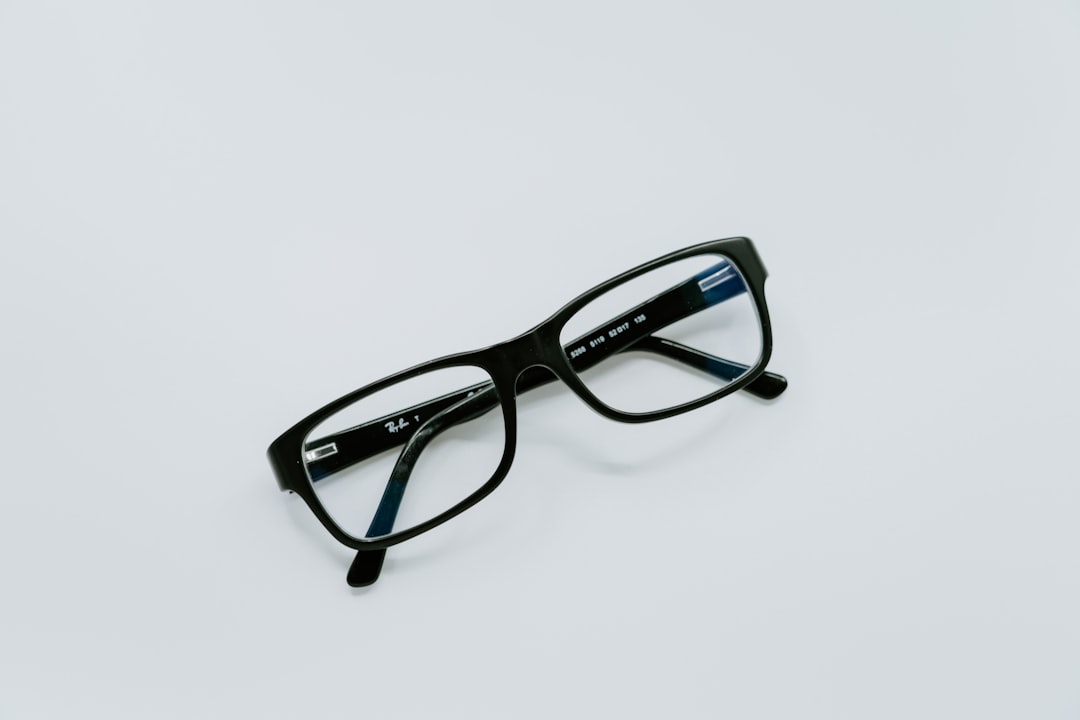
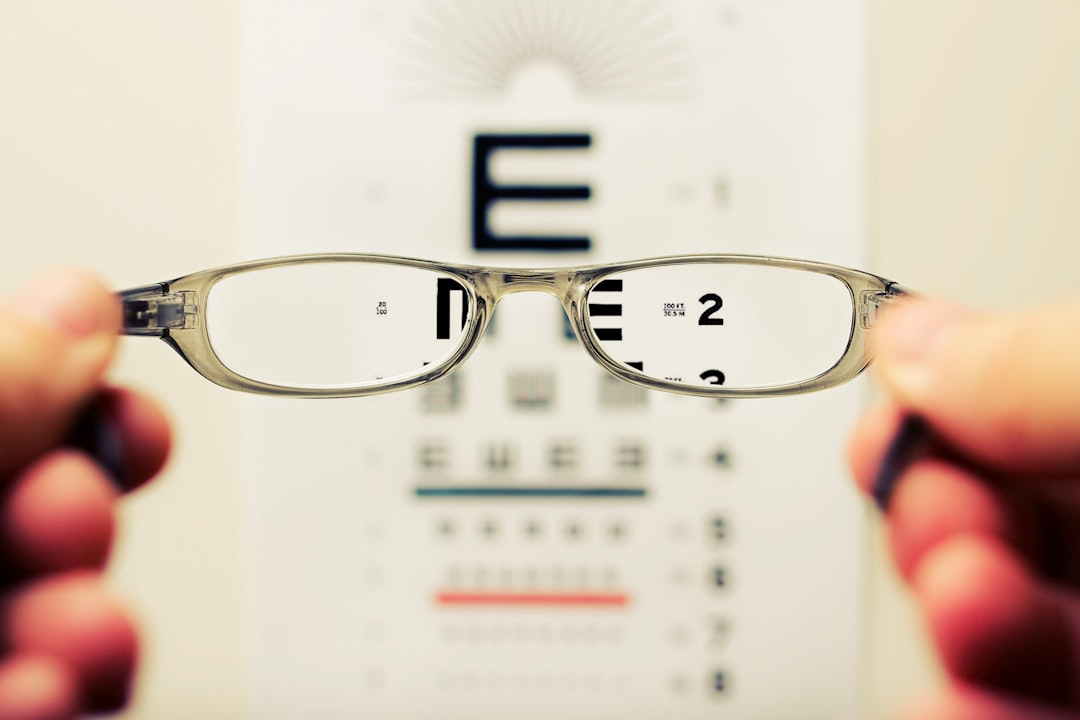
Travel eyewear is one of those categories that feels simple until you’re standing in a hotel lobby with scratched lenses, glare bouncing off the water, or a forgotten prescription pair back home. The right setup can make a beach week, ski trip, city break, or family vacation noticeably easier—and safer. If you’re shopping a sunglasses store-style assortment of eyewear online, the best choice is rarely just about looks; it’s about versatility, durability, and backup plans.
In this guide, we’ll break down how to choose polarized sunglasses for glare-heavy destinations, when to buy prescription glasses online, which frame styles pack light, and how to build a travel kit that protects your vision without eating up luggage space. We’ll also cover spare pairs, lens coatings, and the little accessories that save a trip when plans go sideways—much like the kind of practical planning you’d use when booking convenient stays or comparing unpopular flagship discounts.
Why travel eyewear deserves its own packing strategy
Travel conditions stress eyewear differently than daily life
At home, your glasses usually face predictable routines: desk work, school drop-offs, errands, and the occasional commute. On the road, your eyewear gets exposed to salt spray, sand, sweat, altitude, airplane air, and abrupt temperature changes. Those factors can fog lenses, loosen screws, warp acetate frames, and make smudges far more annoying than usual. The wrong pair can turn a sunny hike or museum day into a constant lens-cleaning session.
That’s why experienced travelers treat eyewear like a core part of the packing list, not an afterthought. A smart setup often includes your primary pair, a backup prescription, and a dedicated travel case with a microfiber cloth and cleaning spray. If you’ve ever packed tech carefully for a trip, the mindset is similar to following a solid budget wishlist: prioritize what you’ll really use, not just what looks appealing online.
Different trips need different optical features
A mountain road trip, tropical resort, and winter city break each create different visual challenges. Glare is the big issue in snow, on water, and on bright highways, which is why polarized sunglasses are so often the best choice for travelers. On the other hand, if you’re navigating airports, train stations, and restaurants, you may want lightweight regular glasses with an anti-reflective coating so screens and headlights don’t create visual noise.
Think of your trip itinerary like a series of light environments rather than one static setting. That’s the same logic behind smart travel planning for premium spaces and long transit days: you want gear that adapts to shifting conditions, not something optimized for a single moment. The most travel-friendly eyewear kits are built with that flexibility in mind.
Backup pairs reduce stress more than most travelers expect
One broken temple or lost case can derail an entire itinerary if you only packed one pair. That’s especially true for prescription wearers who rely on clear vision for driving, excursions, or navigating unfamiliar streets. A spare pair—ideally an affordable one—can be the difference between a minor inconvenience and a trip-redefining headache. For families, that logic multiplies fast, which is why planning for family-friendly backups matters even more when kids are involved.
Backup eyewear also gives you options if your style needs change by destination. A dressier frame can work for dinners and photos, while a durable everyday pair handles pool days and tours. If you’re comparing style choices, guides like lightweight summer tailoring can be surprisingly useful because the underlying principle is the same: choose materials and structure that stay comfortable when the weather gets real.
How to choose the right sunglasses for your destination
Polarization matters most where glare is intense
Polarized lenses reduce reflected light from surfaces like water, snow, pavement, and glass. That makes them especially helpful for beach trips, boating, skiing, and long drives. If you’ve ever squinted across a marina or had the sun bounce off a wet road, you already understand why polarized sunglasses are one of the most practical travel upgrades you can buy. They don’t just improve comfort; they can make details more visible and reduce eye fatigue over a long day.
That said, polarization isn’t automatically “better” for every situation. It can make some digital screens harder to read, which matters for travelers who live on maps, boarding passes, or camera displays. If your trip involves lots of navigation on your phone, consider the tradeoff before you buy. In many cases, a dedicated polarized pair for outdoor segments plus a prescription pair with anti-reflective coating for indoor and transit use is the ideal combo.
Lens tint should match the environment, not just the outfit
Travel sunglasses are often purchased for aesthetics, but tint choice can affect usability. Gray lenses preserve natural color balance and are great all-around options. Brown and amber tints can boost contrast, which some travelers prefer in variable light, especially for driving and hiking. Mirrored lenses reduce brightness and are popular for snow, beach, and high-exposure settings, though they may show fingerprints more easily.
For multi-destination trips, versatility wins. If you’re crossing from bright coastlines to shaded city streets, choose a lens color that won’t feel too dark indoors or too washed out outside. It’s a lot like deciding whether a pair of discount flagship electronics is truly worth it—you’re not just buying a feature, you’re buying how well it fits the way you actually live.
Frame shape and coverage influence comfort and protection
Large wraparound sunglasses offer excellent side coverage and can be a smart pick for wind, sand, and sports. Smaller fashion frames may be fine for urban strolling, but they leave more gaps where sunlight can sneak in from the edges. If you’re going somewhere exceptionally bright, prioritize coverage and lens height over trendy proportions alone. This is also where trying styles with virtual try-on glasses can reduce uncertainty before you buy.
For prescription travelers, frame geometry matters just as much as lens type. Choose bridge fit, temple length, and lens width based on all-day comfort, not just a mirror photo. If you need help comparing fit and style options, the same disciplined mindset used in a deal-prioritization framework can keep you from overspending on the wrong pair.
Compact, foldable, and packable frames: when small design makes a big difference
Foldable frames are ideal for carry-ons and minimalist packing
Compact eyewear is a travel win because it saves space and reduces the odds of damage. Foldable sunglasses and slim metal frames can disappear into a jacket pocket, day bag, or carry-on organizer without hogging room. They’re especially useful for business trips, backpacking, and any itinerary where you want one low-profile pair that can move from airport to dinner without fuss.
There is a tradeoff, though: ultra-compact frames sometimes sacrifice durability. If you choose a foldable design, verify hinge quality, lens retention, and whether replacement parts are readily available. Travelers who appreciate sturdy systems often think this way when choosing outdoor gear or even planning road-trip essentials; the best choice is usually the one that handles real-world use, not the one that only looks clever in product photos.
Lightweight materials matter more than many buyers realize
Materials like TR90, acetate blends, titanium, and flexible metals each have different strengths. TR90 tends to be lightweight and impact-resistant, making it popular for active travel. Titanium is strong, light, and often comfortable for long wear, while acetate can offer a richer style look but may be slightly bulkier. If you’re comparing designer eyeglasses or premium sunglasses, ask whether the style tax is giving you real durability—or just branding.
For many travelers, “best” means light enough to wear from breakfast to sunset without pressure points. If you’ll be on planes, buses, or all-day tours, even small comfort issues become annoying by hour six. The right frame should feel like part of your routine, not a prop you have to manage constantly.
One-pair packing is risky; layered packing is smarter
Instead of putting all your faith in one carry-on pair, consider a layered system: a primary sunglasses pair, a backup prescription pair, and a cheap, durable spare. This approach is especially valuable if you travel with kids, because younger wearers are more likely to misplace or damage glasses. For child-specific planning and durability considerations, it can help to review resources related to kids eyeglasses and family purchasing habits.
The best packable eyewear strategy is not the most expensive one; it’s the one that survives pressure, movement, and surprises. You can think of it like choosing reliable travel accommodations or planning meals on the road: redundancy is often worth more than elegance.
Prescription lenses on the road: what travelers should order before departure
Always verify your prescription timing and lens needs
If you rely on corrective eyewear, check your prescription early enough to allow for ordering, adjustment, and a backup pair if needed. Ordering prescription glasses online can be convenient, but only if your prescription details are current and entered accurately. This is especially important for travelers who need progressive lenses, astigmatism correction, or higher-index materials that balance thickness and weight.
It’s also smart to bring a copy of your prescription and pupillary distance information when you travel. If your primary pair breaks abroad, that paperwork can speed up a replacement order. Travelers who prepare this way tend to spend less time problem-solving and more time actually enjoying the destination.
Anti-reflective coating helps in airports, hotels, and night transit
Lens coatings are often underappreciated until travelers spend hours under overhead lighting. An anti-reflective coating can reduce glare from screens, headlights, and reflective windows, improving clarity during evening travel and indoor sightseeing. For many people, this coating is worth adding to their backup pair even if the primary pair is sunglasses.
In practical terms, AR coating is one of the best quality-of-life upgrades in eyewear. It can make a basic frame feel more premium, especially when you’re moving between different lighting conditions all day. If you travel for work and leisure, it’s one of those low-drama features that quietly earns its keep.
Choose lens materials for impact resistance and comfort
Polycarbonate and Trivex lenses are popular for travel because they’re lighter and more impact-resistant than standard plastic. That matters if you’re doing active sightseeing, exploring with kids, or packing glasses into a bag that’s getting moved around all day. Higher-index lenses may help reduce thickness for strong prescriptions, though they may cost more and sometimes trade off a bit of optical clarity depending on prescription strength and design.
In general, the more your trip includes movement, the more you should value resilience. Travel is not the place to gamble with fragile eyewear if a slightly sturdier lens option is available.
Build a travel eyewear kit that actually gets used
Your case should protect the glasses you paid for
A hard-shell case is the simplest insurance policy for eyewear. Even a great frame can get scratched, crushed, or bent if it’s tossed into luggage loose. A quality travel case should fit snugly, close securely, and survive pressure from overhead bins or packed backpacks. If you’re buying a premium pair, the case should feel like part of the product, not an optional extra.
Also think about daily carry convenience. If the case is too bulky, you’ll stop using it. The best case is the one that fits into your real routine, whether that’s a beach tote, camera bag, or personal item. This is the same logic smart shoppers use when choosing accessories that work in both everyday and travel contexts.
Cleaning kits prevent avoidable damage
Travel dirt is different from home dust. Sand, sunscreen, salt, and fingerprints can all smear lenses in ways that make them look worse than they are. A compact cleaning kit with microfiber cloth, spray, and maybe a small brush can preserve coatings and reduce the temptation to wipe lenses with a shirt hem. That matters because repeated dry wiping is one of the fastest ways to create micro-scratches.
For travelers with kids or outdoor-heavy itineraries, consider a cleaning kit in the same category as sunscreen or chargers: small, essential, and worth duplicating. The more accessible the cleaning tools are, the more likely you are to protect your lenses instead of “fixing” them with whatever fabric is nearby.
Spare nose pads, screws, and a repair mindset can save a trip
If you’re wearing glasses for more than appearance, a tiny hardware failure can become a major annoyance. Spare screws, a mini screwdriver, and replacement nose pads take almost no room and can help you survive minor damage until you can get proper service. Travelers who depend on glasses should think like this before departure, not after a hinge loosens in a taxi or a pad falls off in a hotel room.
Pro Tip: Keep one eyewear kit in your carry-on and one in checked luggage if you’re traveling with multiple pairs. Redundancy is especially useful when you’re carrying affordable glasses as backups, because the goal is continuity, not perfection.
How to shop smart online without sacrificing fit or style
Use virtual try-on tools before you commit
When buying eyewear online, uncertainty about fit is one of the biggest barriers. That’s where virtual try-on glasses tools can add real value by helping you compare frame width, lens height, and style balance on your face. They won’t replace a physical fitting entirely, but they can dramatically reduce the odds of choosing a frame that feels too narrow, too wide, or visually overpowering.
Virtual try-on is especially useful when you’re comparing travel-specific frames and everyday pairs at the same time. You can quickly see whether a lightweight rectangular frame, a wrap style, or a rounder fashion frame better matches your face shape and wardrobe. This is the digital equivalent of trying on multiple hats before a big trip—it shortens the decision loop.
Compare price to total value, not sticker price alone
Travel eyewear should be evaluated on total value: lens quality, durability, case included, return policy, and how easily you can replace it if needed. A low-cost pair that scratches instantly or fits poorly is not really cheap. Conversely, a well-priced pair with a strong warranty and decent lens package can outperform a flashy premium option in everyday travel use.
If you’re bargain hunting, think the way you would when evaluating flash sales: make sure the discount doesn’t push you into an inferior product. For many shoppers, the best move is to buy one main pair and one backup pair, then spend modestly on durability instead of overspending on brand status alone.
Know when branded style is worth it
Some trips call for fashion-forward eyewear, especially if you want one pair that transitions from sightseeing to dinners and events. In those cases, designer eyeglasses or branded sunglasses can be worth it if you value frame craftsmanship, finish, and confidence in the look. But style should support function, not overpower it. If you’re carrying multiple pairs anyway, it may make more sense to have one premium statement frame and one affordable workhorse.
This mixed strategy keeps your travel kit practical. It also reduces pressure: if one pair gets scratched, you still have a reliable second option. That peace of mind is often more valuable than saving the last few dollars.
Travel eyewear by trip type: what to pack for different destinations
Beach and boat trips: prioritize glare control and salt resistance
For beach vacations, the best sunglasses are usually polarized with full coverage and a case that seals well. Salt air and sand can be rough on hinges and coatings, so rinse and dry your eyewear before storing it. Consider darker tints and frame shapes that block side glare, especially if you’ll be on the water, near white sand, or driving in bright midday sun.
A backup pair is especially important here because beach environments are notoriously hard on gear. If you’re traveling with family, make sure everyone’s eyewear is labeled, stored separately, and protected in individual cases. The same logic used in organized travel planning applies here: the less chaos in your bag, the less stress on the trip.
Mountain, snow, and road trips: contrast and anti-glare are key
Snow can reflect intense light, making glare control one of the most important comfort factors. Polarized sunglasses can be excellent, although some winter sports situations may require a lens choice that balances glare reduction with visibility of icy textures and uneven terrain. On roads, especially long drives, a pair with good tint and comfortable fit can reduce fatigue significantly.
For these trips, it’s worth carrying glasses with an anti-reflective coating if you’ll be moving indoors frequently. Cabin, lodge, and night-driving transitions are easier when you’re not constantly fighting lens reflections. In practice, the best winter setup is usually one part sun protection, one part clarity, one part backup.
City breaks and international travel: prioritize versatility and security
Urban trips are the most mixed-light environment of all: metro stations, bright streets, museums, restaurants, and evening walks can happen in the same day. A compact pair that looks good with casual and dressed-up outfits can earn more wear than a very specialized sports frame. This is where a pair of affordable glasses as a backup makes sense, because city travel increases the chance of accidental damage or loss.
It’s also wise to keep your eyewear secure when you’re moving through crowded areas. Use a neck strap if appropriate, store glasses in your bag immediately after use, and avoid placing them on café tables where they can get swept away. A little discipline saves money and frustration.
Families, kids, and backup planning: what changes when you’re traveling with others
Children need simpler systems and tougher materials
Kids are less likely to remember where they put their glasses and more likely to bend or sit on them by accident. For that reason, kid-friendly travel eyewear should emphasize flexible frames, durable lenses, and easy-to-close cases. When shopping for kids eyeglasses, look for options that balance comfort with resilience, because small pressure points become big complaints on a long day out.
It helps to create a “glasses home base” in your room or bag—one place where every pair goes when not on a face. Families who travel regularly often avoid drama by assigning each person a color-coded case or pouch. That tiny system prevents a lot of frantic searching later.
Backups are a family necessity, not a luxury
When multiple people depend on eyewear, one lost pair can affect the whole itinerary. That’s why many families should pack at least one spare pair for the primary wearer and consider an extra low-cost backup for kids. If a child’s pair breaks at dinner, being able to swap into a spare before the next morning is a major relief. The same “prepared for disruption” mindset that helps with travel logistics can also protect your budget.
Backup glasses don’t need to be your best-looking pair. They need to be wearable, accurate, and ready. That distinction is important because many travelers overestimate how much they’ll care about aesthetics after a long day of transit.
Make eyewear part of your departure checklist
Before you leave, confirm that every pair is packed, cleaned, and stored properly. Check prescription accuracy, inspect nose pads, and test hinges. If you bought a new pair online, wear it for a few days before departure to catch fit issues early. Shopping with a checklist mindset—similar to how a smart traveler evaluates accommodations—reduces the chance that something small ruins your first day.
It also makes sense to photograph your eyewear and note model details in your phone. If a pair is lost or damaged, you’ll have the exact information needed to reorder. That’s a simple habit with outsized payoff.
Quick comparison: which travel eyewear setup fits your trip?
| Trip type | Best primary lens | Frame style | Backup strategy | Why it works |
|---|---|---|---|---|
| Beach resort | Polarized sunglasses | Wrap or medium-large | Affordable spare sunglasses | Controls glare, sand, and salt exposure |
| Mountain or snow | Polarized or high-contrast tint | Full-coverage, secure fit | Prescription pair with AR coating | Balances brightness, comfort, and visibility |
| City break | Neutral tint or clear lenses | Lightweight, stylish, versatile | Cheap backup pair in case of loss | Works indoors and outdoors with fewer tradeoffs |
| Business travel | Clear lenses with AR coating | Minimal, polished frame | Foldable spare in carry-on | Good for screens, meetings, and tight packing |
| Family trip with kids | Durable clear or sun lenses | Flexible, kid-friendly frame | One extra pair per key wearer | Reduces risk from damage or misplacement |
Final packing checklist and buying recommendations
What to pack before every trip
Your eyewear travel kit should include your main sunglasses, your main prescription pair if needed, a spare pair, a hard-shell travel case, microfiber cloth, lens spray, and a copy of your prescription. If you wear contacts, add solution and a backup glasses pair even if you don’t think you’ll need it. It’s better to have one extra item and never use it than to need it and not have it.
For international trips, keep critical eyewear in your carry-on, not checked luggage. If your bag is delayed, your trip still starts on time. That one decision eliminates a surprising amount of stress.
How to choose your best-buy combination
The most practical setup for many travelers is one good pair of polarized sunglasses, one clear prescription pair with an anti-reflective coating, and one affordable backup. That gives you coverage for bright outdoor conditions, screen-heavy indoor days, and emergencies. If you want a style-forward option, use it as the primary “out and about” pair and keep the budget pair as your backup.
If you’re shopping online, use virtual try-on glasses tools, compare fit measurements, and check return policies before checkout. The smartest purchase is the one that solves a real travel problem without creating a new one. In other words, don’t just buy eyewear—buy a smoother trip.
Why the best travel eyewear is the one you forget you packed
When eyewear is chosen well, it disappears into the background. You see clearly, your eyes feel less strained, and you spend less time managing your gear. That’s the true benchmark for travel-friendly glasses and sunglasses. Good eyewear should support the trip, not compete with it.
So whether you’re choosing designer eyeglasses, affordable glasses, or a compact backup pair, buy with the destination in mind. The right setup pays off every day you’re away, from sunrise walks to late-night airport gates.
Pro Tip: If you only make one eyewear upgrade before your next trip, choose a pair that matches your most glare-heavy destination first, then add a backup that you won’t panic over if it gets scratched.
Frequently asked questions
Are polarized sunglasses always the best choice for travel?
No. They’re excellent for water, snow, and bright outdoor settings, but they can make some screens harder to read. If your trip includes lots of phone navigation or indoor use, you may want a second non-polarized or clear pair.
Should I buy prescription glasses online before a trip?
Yes, if you do it early enough to test fit and verify the prescription. Buying prescription glasses online is convenient, but leave enough time for adjustments or exchanges if needed.
What’s the most important eyewear accessory for travel?
A sturdy hard-shell case is the top priority because it protects your lenses and frame from crushing, scratching, and bending. A microfiber cloth and small cleaning spray are close seconds.
Do I really need a backup pair?
Yes, especially if you depend on prescription lenses. Even an inexpensive spare can rescue a trip if your primary pair breaks, gets lost, or becomes uncomfortable after long wear.
What should parents pack for kids’ glasses?
Pack at least one extra pair if possible, plus a labeled case and cleaning kit. For families shopping for kids eyeglasses, durability and fit should outweigh fashion alone.
Related Reading
- How to Prioritize Flash Sales: A Simple Framework for Deal-Hungry Shoppers - A practical way to spot real value before you buy.
- Spotting Fakes with AI: How Machine Vision and Market Data Can Protect Buyers - Helpful if you want to shop online with more confidence.
- Convenient Stays: A Guide to Booking Unique Accommodations in Croatia - A useful travel-planning read for trip organizers.
- Build a Budget Tech Wishlist That Actually Saves You Money — Tools, Alerts & Timing - A smart framework for buying gear without overspending.
- What Korean Air’s LAX Flagship Lounge Reveals About the Future of Airport Premium Spaces - Great context for travelers who value comfort on the move.