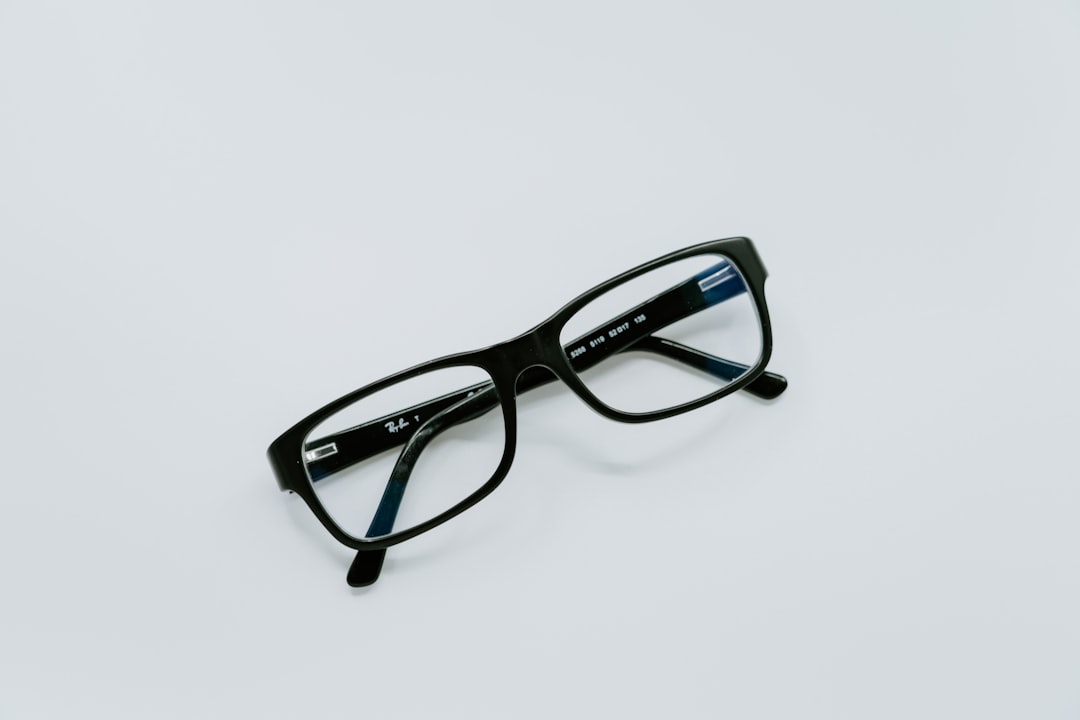
Choosing eyewear online used to mean guessing. Today, with better product photography, precise measurements, and clear visual references, it’s much easier to shop for frames that actually fit your face and your life. The old labels of “men’s” and “women’s” frames can still be useful as shorthand, but they are not hard rules—especially when you’re buying designer eyeglasses or affordable frames online. This guide breaks down silhouette, color, sizing, and lens choices so you can confidently choose from prescription glasses online without relying on outdated marketing.
If you want the fastest route to a great result, think in three steps: identify the shape that balances your features, confirm the measurements that affect comfort, and use virtual try-on glasses to narrow the field. That process works whether you’re shopping for men's eyewear, browsing women's frames, or specifically looking for unisex frames that feel modern and versatile. The best part: when you understand the principles, you can often get a better fit and a more flattering look at a lower price, especially with affordable glasses.
1) Why “Men’s” and “Women’s” Frame Labels Are Only a Starting Point
Marketing categories are not facial geometry
Most eyewear labels are built around merchandising, not anatomy. Retailers often sort frames by what historically sold better to men or women, but face width, bridge fit, nose shape, eyebrow line, and personal style matter far more than the label on the product page. A narrow face can be overwhelmed by oversized rectangles regardless of whether the frame is marketed as feminine, and a broader face may need more horizontal visual balance than a “masculine” acetate style usually provides. The smart shopper treats the category as a hint, then checks actual dimensions and proportions.
Style signals are real, but they’re flexible
There are some common visual patterns in how frames are marketed. Men's eyewear often leans into stronger lines, thicker temples, darker colors, and straightforward silhouettes like square, rectangular, or browline shapes. Women’s frames are more likely to feature cat-eye sweeps, softer curves, lighter colors, translucent acetates, and decorative details. But these are trends, not rules. If a cat-eye flatters your brow and cheek structure, it can work on anyone; if a chunky geometric frame suits your personality and proportions, it can look excellent regardless of gender label.
Unisex is increasingly the practical choice
Unisex frames have become the most useful category for shoppers who want freedom, versatility, and fewer artificial constraints. They’re usually designed with balanced proportions and mass-appeal aesthetics, which makes them easier to wear across different face shapes. In practice, many shoppers discover that unisex frames solve the common “too masculine” or “too feminine” problem better than gendered sections do. This is especially true when buying prescription glasses online, where measurement data and virtual try-on glasses give you more confidence than a store’s category label ever could.
2) Frame Silhouettes That Tend to Flatter Different Features
Square and rectangular frames for structure and balance
Square and rectangular frames are the workhorses of eyewear because they add definition and visual structure. They often work well on round and oval faces by introducing clean edges that sharpen soft contours. Many styles sold as men's eyewear use these shapes because they convey stability and confidence, but they can be equally flattering for women who want a sharper, more tailored look. If you have full cheeks or a softer jawline, this silhouette can create a strong, polished effect.
Round and oval frames for softness and approachability
Round and oval silhouettes bring a gentler visual rhythm. They can soften angular faces and are often a strong choice if your features are sharp, narrow, or highly defined. These frames are common in both classic intellectual styles and contemporary minimalist design, which is why they appear across men’s, women’s, and unisex frames collections. The key is scale: small round frames can look delicate and vintage, while larger rounds feel artistic and fashion-forward. Use your virtual try-on tool to see whether the roundness complements your eyebrows and cheekbones rather than competing with them.
Cat-eye, browline, and geometric frames for personality
Cat-eye frames are often grouped into women’s frames because they lift the outer corners and add a dramatic, expressive angle. Yet their real strength is in how they frame the eyes and brighten the upper face, which can be flattering for many wearers. Browline styles, meanwhile, create a strong upper frame that draws attention to the eyes and works well when you want a more assertive presence. Geometric frames—hexagon, octagon, or softly angular designs—are a great modern option if you want something distinctive without relying on traditional gender cues. These shapes can be especially effective when shopping designer eyeglasses because premium brands often use geometry to signal style sophistication.
3) Color Choices: How Tone, Contrast, and Finish Affect the Look
Darker hues read stronger; lighter hues read softer
Color changes how a frame “feels” before anyone notices the silhouette. Black, deep tortoise, navy, and espresso often create a stronger, more defined impression, which is why they’re common in men's eyewear. Crystal, blush, champagne, gray, and translucent tones tend to look softer and lighter, which is why they’re frequently used in women’s frames. Still, if your wardrobe is mostly dark neutrals, a lighter frame can add contrast and freshness; if your style is airy and minimal, a darker frame can anchor your look.
Finish matters as much as color
Matte finishes reduce shine and can feel understated, technical, or modern. Glossy finishes reflect light and can make a frame appear more polished, luxe, and noticeable. Transparent acetates often feel less “heavy” on the face, which makes them a smart choice for shoppers who want something versatile and friendly. If you’re comparing options on prescription glasses online, don’t focus only on whether a frame is black or brown; look at translucency, shine, and material depth, because those details affect how the frame appears in real life and on camera.
Color should support your skin tone, hair, and wardrobe
The most flattering color is often the one that harmonizes with what you already wear. Cool skin tones tend to pair well with silver, graphite, blue, smoky rose, and icy tortoise variations. Warm skin tones often shine in amber, honey, olive, gold, and traditional tortoise. If you switch between workwear and casual outfits, a neutral frame in black, brown, or clear acetate gives you the broadest styling range. For inspiration on choosing beauty and accessory pieces by budget and style, similar decision-making applies to curated style sets where versatility and appearance both matter.
4) Fit Fundamentals: Measurements That Matter More Than the Gender Label
Know the three numbers that control comfort
Eyewear fit starts with three key measurements: lens width, bridge width, and temple length. Lens width influences overall frame size, bridge width affects how the frame sits on your nose, and temple length determines how the arms wrap around your ears. A frame can look right in a photo and still feel wrong if the bridge is too narrow or the temples are too short. That’s why smart shoppers compare measurements instead of guessing based on whether the frame is marketed as men’s or women’s.
Bridge fit is especially important for online buyers
Bridge fit is the hidden dealbreaker for many people. If the bridge is too wide, the frame may slip down your nose; if it’s too tight, it can pinch and leave red marks. This is one reason virtual try-on and product specs matter so much for affordable glasses and premium styles alike. For shoppers with low nose bridges, higher cheekbones, or flatter nasal profiles, a frame marketed to one gender might fit poorly even if the silhouette is flattering. When available, look for adjustable nose pads, saddle bridges, or low-bridge-fit options.
Temple and front width determine the “feel” on the face
If frames are too narrow, the temples can squeeze your head and distort the styling intent. If they’re too wide, the frame may slide and look oversized in a way you didn’t want. Many people overlook front width, but it affects how balanced the glasses look relative to the face. When shopping women's frames or unisex frames, pay attention to listed measurements and compare them to a pair you already wear comfortably. That habit alone can eliminate most bad purchases.
5) How to Use Virtual Try-On and Measurements Like a Pro
Use virtual try-on for shape, not just novelty
A good virtual try-on tool does more than entertain. It helps you compare silhouette, lens height, frame width, and visual weight from multiple angles. Use it to answer a practical question: does this frame balance my features, or does it overpower them? When combined with the right measurements, virtual try-on glasses can narrow a huge catalog to a shortlist of frames that genuinely suit your face.
Take your own comparison photos
Here’s a simple method: take a straight-on selfie in natural light, then compare it with screenshots from your virtual try-on session. Look at brow alignment, cheek clearance, and how much of your face the frame occupies. Try one narrow option, one balanced option, and one slightly oversized option to see which proportion feels most authentic. If you’re deciding between styles sold as men’s eyewear and women’s frames, this side-by-side approach quickly reveals which label is less important than the actual shape.
Measure an existing pair that already fits
The easiest way to shop online is to copy the specs of a pair you already love. Check the inside of the temple arm for lens width, bridge width, and temple length, then use those numbers as a starting point. If your current pair slips, pinch, or sits too high, adjust the measurements accordingly rather than simply repeating the same size. This method is particularly useful when ordering prescription glasses online, where returns can be avoidable if you get the fit right before purchase.
6) When to Choose Men’s, Women’s, or Unisex Frames
Choose men’s or women’s frames when the design language matches your style
If you like a bold, architectural look with crisp edges, many men’s eyewear styles will suit you—even if you don’t identify with the category. If you prefer curved, elegant, lifted, or ornamented shapes, women’s frames may offer more options in your aesthetic lane. The trick is not to ask “which section am I supposed to shop in?” but “which design language matches the image I want to project?” That question is much more useful and usually leads to a better purchase.
Choose unisex when you want flexibility and broader wearing occasions
Unisex frames are ideal when you want one pair to work with workwear, casual wear, and formal looks. They are also a smart choice when you’re unsure about which category will feel most natural once the glasses are on your face. Because the design is usually balanced, unisex frames tend to appeal to shoppers who want a modern, low-risk buy that can survive changing style preferences over time. Many buyers end up preferring unisex frames simply because they are easier to wear consistently, especially when paired with subtle lens treatments and neutral colors.
Choose by facial proportion, not by identity label
The most reliable decision rule is simple: choose the frame that creates the visual balance you want. If your face is narrow, don’t be afraid of a slightly wider frame. If your features are strong, don’t assume you need to “soften” them with a tiny frame. A confident, well-proportioned pair from designer eyeglasses or affordable glasses will look better than a category-correct frame that misses your proportions.
7) Lens Choices Can Change the Best Frame for You
Progressive lenses need enough lens height
If you wear progressive lenses, frame choice matters more than most shoppers realize. Progressives need enough vertical lens depth to create a comfortable reading zone, intermediate zone, and distance zone. Extremely shallow fashion frames may look stylish but perform poorly with progressives, causing cramped optics and a less usable pair. In other words, the prettiest frame is not always the right one if your prescription needs functional lens space.
Anti-reflective coating improves everyday wearability
Anti-reflective coating is one of the most valuable upgrades for most wearers because it reduces glare, improves clarity, and makes eye contact look more natural on video calls and in photos. It’s especially helpful if you wear glasses all day or spend time under overhead lighting. On darker frames, AR coating can make lenses feel less visually distracting; on lighter frames, it preserves the clean, polished look of the eyewear. If you are comparing lens packages online, this is one feature where a modest upgrade often pays off in daily comfort.
Prescription accuracy matters as much as aesthetics
Even the best-looking frame is a disappointment if the prescription is wrong. Double-check sphere, cylinder, axis, add power, and pupillary distance before ordering. If you use a progressive or have a complex prescription, review the seller’s prescription support and remake policy carefully. For shoppers buying prescription glasses online, the combination of correct measurements, correct lens type, and a good frame silhouette is what produces a truly successful result.
8) Cost, Quality, and Value: How to Shop Smart Without Overpaying
Higher price does not always mean better fit
There’s a common belief that more expensive frames automatically fit better or look better. In reality, price often reflects brand positioning, material choice, and design exclusivity more than real-world comfort. Some affordable glasses outperform expensive ones simply because they match the wearer’s measurements and style goals. When evaluating value, ask whether the frame has the width, bridge, and lens size you need rather than assuming the label tells the whole story.
Materials affect durability and style
Acetate, metal, titanium, and mixed-material frames all have different strengths. Acetate often gives richer color and more substantial presence, while metal can feel lighter and more refined. Titanium can offer excellent strength-to-weight performance, which is great for all-day wear and active lifestyles. The “best” material depends on comfort preferences, skin sensitivity, and how much visual weight you want on your face. If you’re comparing premium and everyday options, think like a buyer who wants long-term use rather than a one-season accessory.
Read product pages like a technical spec sheet
Frame shopping improves dramatically when you start reading product pages the way you would compare electronics or travel gear. You’re looking for measurements, material details, hinge type, lens compatibility, nose fit notes, and return terms. This is similar to how careful shoppers approach other high-consideration purchases, such as selecting the right device from a strong spec breakdown or comparing practical features in a product roundup. For example, the mindset used in configuration guides or upgrade-versus-budget comparisons can help eyewear buyers avoid impulse mistakes and focus on true value.
9) A Practical Comparison: Men’s, Women’s, and Unisex Frame Traits
The table below is not a rulebook. It’s a quick guide to the styling tendencies you’ll see most often when shopping online, especially in mixed collections of designer eyeglasses and budget-friendly options.
| Frame Type | Typical Shape Language | Common Color Direction | Fit Consideration | Best For |
|---|---|---|---|---|
| Men’s eyewear | Square, rectangular, browline, thick acetate | Black, tortoise, navy, dark neutrals | Check front width and temple pressure | Sharper features, structured looks |
| Women’s frames | Cat-eye, round, oval, lifted angles | Clear, blush, gold, soft tortoise, translucent hues | Confirm bridge fit and lens height | Softening features, expressive styling |
| Unisex frames | Balanced square, round, geometric, minimalist | Neutral tones, clear, smoked, classic tortoise | Verify proportions across multiple face shapes | Versatility and low-risk online buying |
| Small-fit frames | Compact rectangles, petite rounds | Usually lighter or darker neutrals | Watch lens width and bridge width closely | Narrow faces, low-bridge needs |
| Progressive-ready frames | Medium-to-tall rectangles, rounded squares | Any color, depending on lifestyle | Need enough lens height for add power | All-day prescription wearers |
10) A Buying Framework You Can Use Today
Step 1: Decide the impression you want
Start with style intention. Do you want to look more classic, creative, polished, bold, or relaxed? This matters because eyewear is one of the strongest “face framing” tools you own. A frame can sharpen, soften, lift, or modernize your appearance in ways that change how your whole outfit feels. Use the label only after you decide the visual outcome you want.
Step 2: Filter by fit, then by color
Once you know the silhouette, filter by the dimensions that match your face and any existing pair that fits well. Then look at color and finish to refine the result. This order reduces decision fatigue and helps prevent the common mistake of buying a beautiful frame that never feels comfortable. If you’re choosing between two close contenders, use virtual try-on to compare how each one interacts with your eyebrows, cheeks, and jawline.
Step 3: Confirm lens and policy details before checkout
Before ordering, verify the prescription format, lens options, coating choices, and return policy. If you need progressive lenses or anti-reflective coating, make sure the frame is compatible and the seller clearly supports those selections. Then review shipping times and exchange terms so you know what to expect if you want a different size or color. That level of clarity is part of what makes buying prescription glasses online much less risky than it used to be.
Pro Tip: If a frame looks great in virtual try-on but feels wrong in the spec sheet, trust the measurements. Shape draws you in; measurements keep the glasses wearable.
11) Common Mistakes to Avoid When Shopping Across Gendered Categories
Don’t choose based on identity assumptions alone
One of the biggest mistakes is rejecting a great frame because it’s marketed in the “wrong” section. Many of the best-looking glasses in the store are mislabeled from a style perspective if you’re using them to match a specific outfit or face shape. The same is true in reverse: a frame marketed as gender-neutral might actually look too generic for what you want. Focus on the design, not the aisle.
Don’t ignore lens height for progressive wear
Shoppers with multifocal needs sometimes fall in love with fashion-forward shallow frames and then discover the lens layout doesn’t suit their prescription. This is avoidable if you confirm height requirements before checkout. A stylish frame that doesn’t accommodate your optics will become an expensive compromise. That’s especially important if you’re buying online and can’t physically test the lens placement beforehand.
Don’t treat virtual try-on as the final answer
Virtual try-on is powerful, but it is still a tool, not reality. Lighting, camera angle, and face tracking can slightly alter the look of the frame. Use it to shortlist, then verify with measurements and return policy. That balanced approach gives you the best of both worlds: visual confidence and practical protection.
12) Final Takeaway: The Best Frame Is the One That Fits Your Face and Your Life
The most useful way to think about men’s eyewear, women’s frames, and unisex frames is this: they are style starting points, not prescriptions for who can wear what. Shape, color, size, bridge fit, lens compatibility, and your personal style matter far more than a gender label. If you combine those factors with strong product specs and virtual try-on glasses, you can shop with confidence and choose frames that feel intentional rather than random.
For most shoppers, the sweet spot is a frame that looks good from multiple angles, fits comfortably for hours, and supports the lenses you actually need. That might be a bold square from the men’s section, a lifted cat-eye from women’s frames, or a balanced pair of unisex frames that works with everything. Once you start shopping this way, the category label becomes less important than the result: glasses that make you look like yourself, only more polished.
Related Reading
- Mass Effect for the Price of Lunch: How to Get the Most From Trilogy Sales and Make Your Purchase Last - A smart-buy framework that translates well to value-focused eyewear shopping.
- How Creators Turn Social Content into High-Quality Prints: A Step-by-Step Guide - Useful for understanding visual quality, framing, and display decisions.
- Gifting Glamour: Curated Holiday Beauty Sets for Every Budget - Great for learning how to balance style, price, and versatility.
- Which M5 MacBook Air Configuration Is the Smartest Buy at These All‑Time Low Prices? - A helpful comparison mindset for shoppers weighing feature tradeoffs.
- Kitchen Tools Worth Upgrading in 2026: The Difference Between Cheap and Built-to-Last - A practical guide to judging durability and long-term value.
FAQ: Men’s vs. Women’s Frames and Unisex Eyewear
Are men’s and women’s frames actually different?
Sometimes, but mostly in styling, sizing trends, and marketing. The real differences that affect wear are measurements, bridge shape, lens height, and frame width.
Can anyone wear unisex frames?
Yes. Unisex frames are designed to be broadly wearable, and they’re often the easiest category for online buyers who want flexibility and a modern look.
What matters most when buying glasses online?
Fit measurements, prescription accuracy, lens compatibility, and return policy matter most. Virtual try-on helps, but it should be paired with specs you can trust.
Are progressive lenses harder to fit in stylish frames?
They can be. Progressives need enough lens height to work properly, so very shallow fashion frames may not be the best choice.
How do I know if a frame is too big or too small?
If the frame slides, pinches, or extends far beyond your face width, the size is off. Compare the listed measurements to a pair you already own and like.
Do anti-reflective lenses make a visible difference?
Yes. They reduce glare and improve clarity, especially under indoor lighting, on screens, and during video calls.