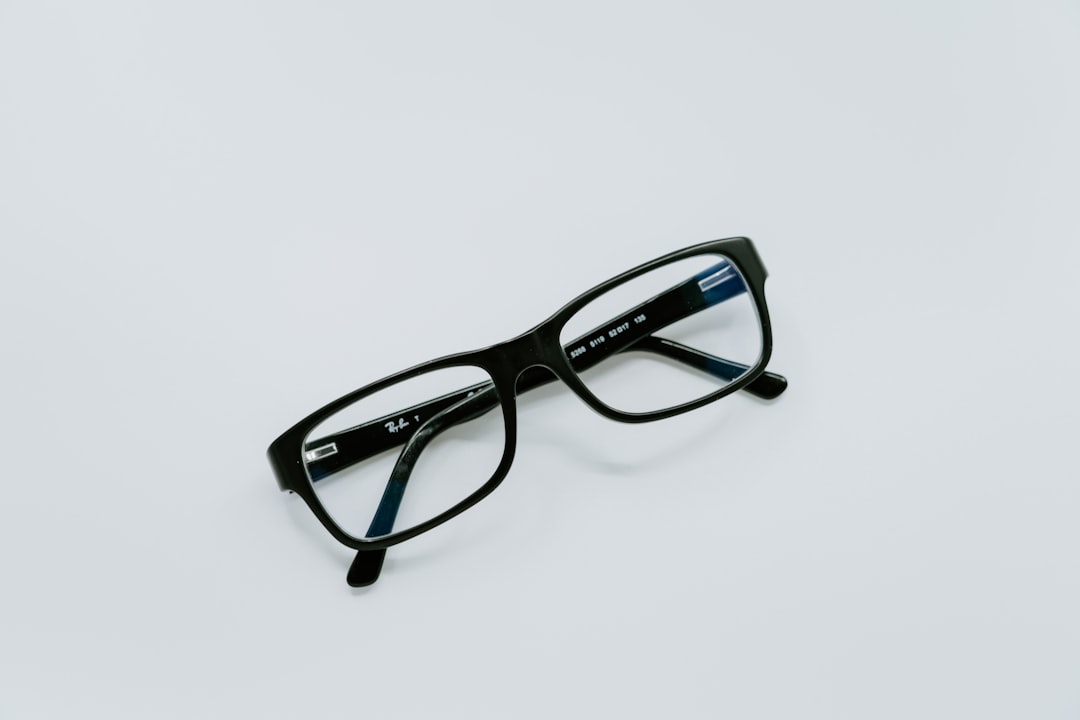
Modern eyewear is more than just a fashion accessory — it's a precision tool that protects your eyes from UV rays, improves vision with prescription lenses, and often includes advanced coatings and smart features. To keep glasses performing like a high-end gadget, you need a care routine that matches. This definitive guide teaches you professional aftercare tips that extend the life of your frames and lenses, preserve UV protection, and reduce repair needs — all while keeping things simple enough for daily life.
1. Why UV protection matters beyond the lens
UV protection is a system, not just a coating
Most people assume UV protection equals a coated lens. In reality, effective UV defense is the result of multiple elements working together: lens material, coatings, frame fit (which blocks peripheral rays), and even how you store and clean your glasses. Poor maintenance can reduce the effectiveness of coatings; harsh cleaners and scratched surfaces scatter light and degrade UV-blocking performance.
How wear and damage reduce UV performance
Scratches, chips, and worn coatings create micro-areas where UV light can scatter or penetrate. In some cases, a worn anti-reflective or UV coating means the lens still blocks direct UV but allows more reflected or peripheral UV in — similar to how a smartphone screen protector, once scratched, no longer deflects glare effectively. For guidance on how broader retail and e-commerce trends affect protective purchases, review insights from Emerging E-Commerce Trends.
Real-world example: UV failure after neglect
A consumer-grade polarized sunglasses pair that sits scratched in a glovebox will not deliver the same UV protection a year later. Analogous to how device wear shortens gadget lifespans, neglect reduces eyewear utility. For operational lessons on maintenance flows from other industries, see Mitigating Roadblocks: Adaptable Workflow Strategies in Healthcare.
2. Treat your glasses like high-tech gadgets
Why a ‘gadget mindset’ matters
High-tech gadgets follow a lifecycle: protective cases, routine cleaning with recommended solutions, firmware updates, and occasional professional servicing. Glasses deserve the same lifecycle management. Think in terms of protection, routine maintenance, monitored wear, and scheduled professional checks to keep them reliable.
Protective accessories that pay off
Using a rigid case, microfiber sleeve, and a removable nose pad guard can be as impactful for glasses as a case and screen protector are for phones. If you manage a showroom or virtual try-on setup, consider the long-term value of quality protective accessories; industry insights related to virtual showrooms can be found in Stock Market Insights: Informing Virtual Showroom Investment Strategies.
Routine checks like a device diagnostic
Just as you run device diagnostics, do a monthly eyewear audit: test screws, examine hinge tension, inspect lens coating integrity, and check for frame warping. Overlooking small issues can turn a simple repair into a costly replacement. For lessons on handling costs and margins in consumer goods, see Navigating the Rising Costs in the Restaurant Industry.
3. Daily aftercare routine (5 minutes that save money)
Morning: quick inspection
Before you leave the house, quickly check for smudges, loose screws, or frame misalignment. Tighten a loose screw with a mini jeweler's screwdriver or a keychain multi-tool. Small preventative actions prevent bigger repairs later.
Midday: gentle cleaning
Use a microfiber cloth and a water-based lens spray. Avoid tissues or paper towels that polish off coatings and cause micro-scratches. Treat your lenses the way you treat a camera lens — careful, minimal friction, and clean tools only.
Evening: storage ritual
Return glasses to a rigid case placed away from direct sunlight and high-heat sources. Prolonged high heat can delaminate coatings and warp frames. Think of this as the charging ritual for devices — predictable, protective, and ritualized.
4. Deep-cleaning and safe products
When to deep-clean
Perform a deep clean every 1–2 months or when you detect persistent film, sunscreen residue, or oily build-up. These residues accelerate coating wear and attract dust that abrades the lenses.
What cleaners to use and avoid
Use mild dish soap diluted in warm water or manufacturer-approved lens cleaners. Avoid household glass cleaners with ammonia, bleach, or vinegar, which can strip anti-reflective and UV coatings. Similar to how software and hardware require compatible cleaners and firmware, eyewear needs the right chemical environment to last — learn how compatibility matters in other tech contexts with The Evolution of USB-C.
Step-by-step deep-clean method
1) Wash hands. 2) Rinse lenses under lukewarm water to remove loose grit. 3) Apply a drop of mild dish soap to each lens and rub gently with fingertips for 10–20 seconds. 4) Rinse thoroughly and shake off excess water. 5) Dry with a clean microfiber cloth by gently patting; avoid rubbing. This process minimizes scratch risk and preserves coatings.
5. Handling frames and hinges like precision hardware
Screw care and hinge maintenance
Most repairs start with loose screws. Inspect screws monthly. Use a proper eyeglass screwdriver and avoid over-tightening, which can strip threads. For precision hardware takeaways from tech, read about emerging device vulnerabilities and how proactive maintenance reduces failure risk in Emerging Threats in Audio Device Security.
Adjusting fit without harming frames
Thermoplastic frames can be lightly heated for adjustments, while acetate frames require professional heat-forming. Metal frames often need small bends at the temple tips or nose pads adjusted with pliers covered in cloth. If you’re unsure, seek professional help — a bad DIY adjustment can cause permanent damage.
Replacing nose pads and temple tips
Nose pads wear out and harbor oils which can accelerate corrosion of pad arms. Replace them at first sign of discoloration or looseness. Temple tips also wear and are cheap to replace; keeping spares or buying a repair kit is a smart investment.
6. Lens coatings, materials and their unique needs
Common coatings and why they matter
Anti-reflective (AR) reduces glare and improves clarity; hydrophobic coatings repel water and oils; scratch-resistant coatings add a hard top layer; polarization reduces glare from reflective surfaces; and UV-blocking layers are critical for eye health. Each requires different care strategies to preserve functionality.
Durability vs. performance trade-offs
Premium coatings (multi-layer AR, diamond-like coatings) offer superior optical performance but can be more sensitive to harsh chemicals. Cheaper coatings may be thicker but wear unevenly. Choosing the right balance depends on lifestyle: athletes need impact resistance and hydrophobic layers; drivers prioritize polarization and AR coatings.
Comparison: coatings at a glance
| Coating | Primary Benefit | Maintenance Ease | Typical Lifespan | Best For |
|---|---|---|---|---|
| Anti-Reflective (AR) | Reduces glare | Medium — avoid alcohol | 1–5 years depending on quality | Night driving, office work |
| UV Blocking Layer | Blocks UV-A/B | High — integral to lens | Lifetime of lens if undamaged | All outdoor use |
| Polarized | Reduces reflected glare | Medium — avoid heat | 2–5 years | Driving, water sports |
| Scratch-Resistant | Improves durability | High — routine care | 3–7 years | Everyday wear |
| Hydrophobic / Oleophobic | Repels water and oils | Low — reapply as needed | 1–3 years | Active lifestyles, humid climates |
7. Storage and travel: protect your investment on the road
Smart packing for commuters and travelers
Never toss glasses loosely into bags. Use a padded, rigid case and place it in a compartment away from heavy items. For compressed travel packing, use a crushproof case; airlines and airport environment can be surprising enemies of lenses and coatings. For packing tips beyond eyewear, see Packing for Your Adventure.
Temperature extremes and UV integrity
High heat (left on a car dashboard) can delaminate coatings and warp frames. Cold causes some plastics to become brittle. Always store glasses at room temperature when possible. This mirrors gadget rules where extreme heat affects battery and screen health; for context on tech temperature effects, explore Building Bridges: Integrating Quantum Computing with Mobile Tech.
Travel-case checklist
Keep a compact cleaning kit, a small screwdriver, spare nose pads, and a copy of your prescription in your travel case. These small items convert a potential emergency into a quick fix, much like an emergency phone battery pack transforms a busy travel day.
8. Warranty, repairs and when to seek professional help
Understanding manufacturer warranties
Warranties vary: some cover manufacturing defects but not accidental damage or normal wear. Read the fine print: duration, what’s covered, and whether coatings are included. If you sell or buy online, e-commerce and warranty expectations are evolving; industry-level perspectives are discussed in Emerging E-Commerce Trends and retail risk management resources like Corporate Communication in Crisis.
When to repair vs replace
Repair when the frame is a quality material and the damage is localized (hinge, screw, pad replacement). Replace when lens coatings are severely compromised, prescriptions change significantly, or frames are irreparably bent. If your retailer offers professional adjustments or in-house labs, that often reduces turn-around time and cost.
Find trusted repair partners
Use vendors with clear service histories and good reviews. For tips on vetting partners and handling consumer trust challenges, read about platform accountability in Navigating Allegations: The Role of Streaming Platforms in Addressing Public Controversies.
9. Long-term care plan: a 12-month calendar
Month-by-month maintenance schedule
Months 1–3: Daily routines established, weekly light cleaning. Months 4–6: Deep clean and full inspection, replace nose pads if needed. Months 7–9: Hinge and screw check, consider professional adjustment. Months 10–12: Annual professional check, lens coating evaluation, and consider replacing lenses if coatings are degraded.
Budgeting for eyewear like a device upgrade plan
Plan for maintenance costs (cleaners, cases, minor repairs) and eventual replacement (every 2–5 years depending on wear and prescription changes). Retail promotions and cross-category savings strategies sometimes reduce replacement cost — for example, seasonal promotions are similar to those used by other consumer brands; explore pricing dynamics in contexts like Unlocking the Value in Electric Bikes.
Data-driven care: track wear and incidents
Keep a simple log on your phone with incidents (drops, scratches, repairs). This helps you spot patterns — e.g., repeated hinge loosening suggests a structural issue. For the importance of data lifelines and protecting assets digitally, see Data Lifelines.
Pro Tip: Treat lenses like camera optics — fewer wipes, more rinses. Rinse before wiping to dislodge grit and extend coating life. Regular small habits save replacements.
10. Case studies and real-world examples
Case study A: Commuter saved by routine checks
A rideshare driver instituted a monthly audit (tighten screws, check nose pads) and extended the life of two pairs of glasses by 18 months. This minor time investment saved the cost of one full lens replacement.
Case study B: Disaster from improper cleaning
A hiker used alcohol wipes commonly used on devices to clean lenses; within months, the AR coating delaminated. The lesson: device cleaners are not always safe for optics. For parallels in device care and how specific cleaners affect components, read about system-specific maintenance concerns in Unlocking Android Security.
Case study C: Smart buying reduces repair needs
An office worker invested in lenses with a robust scratch-resistant coating and a hydrophobic top layer. Because of careful daily habits and protective storage informed by ergonomic principles (see Work from Home: Key Assembly Tips), they avoided a mid-year replacement and reported better comfort during long-screen sessions.
Frequently Asked Questions
1) Can UV protection wear off?
UV-blocking integrated into lens material typically lasts the lens lifetime unless the lens is physically damaged. Surface-applied UV coatings may degrade with scratches or chemical exposure.
2) Is it safe to use my phone cleaning spray on glasses?
Not unless the spray is explicitly labeled safe for optical coatings. Many device sprays contain alcohol or solvents that strip AR and hydrophobic layers.
3) How often should I get a professional adjustment?
At least once a year or whenever you notice discomfort, misalignment, or recurring loosening. Some retailers offer complimentary adjustments within a warranty window.
4) Do polarized lenses need special care?
Polarized lenses are more susceptible to heat damage; avoid exposure to high temperatures and clean gently to preserve the polarization filter.
5) What should I do if my lenses fog up often?
Use an anti-fog spray safe for optics, ensure a proper face seal with masks, and consider coatings with anti-fog properties. Persistent fogging might indicate frame fit issues that a professional can correct.
Final checklist: A portable maintenance kit
- Microfiber cloth (two)
- Mild lens cleaner or small bottle of dish soap
- Mini screwdriver and spare screws
- Small rigid case and soft sleeve
- Spare nose pads and temple tips
Maintaining UV protection and overall eyewear longevity is a combination of smart buying, daily care, periodic professional maintenance, and treating your glasses like the precision instruments they are. When you adopt a gadget-like mindset for eyewear — protect, inspect, clean, store, and repair — you maximize both performance and value.
Related Reading
- A Roadmap to Future Growth - Strategic planning insights that can inspire long-term care strategies.
- Packing for Your Adventure - Practical packing tips that translate to smart eyewear travel habits.
- Finding the Best Organic Mattresses Sale - A buyer's guide approach useful for making informed eyewear investments.
- Copper Cuisine - Nutrition tips that complement eye health through diet.
- Allergen-Free Dining - Planning and preparation ideas applicable to care routines and habit-building.