Buying prescription glasses online can feel risky when you can’t physically try frames on first. The good news: you can get surprisingly close to a “store-perfect” fit at home with a few simple tools, a mirror, and a clear measurement plan. If you’ve been relying only on virtual try-on glasses, this guide will help you go one level deeper by measuring the numbers that matter most: face width, bridge size, temple length, lens width, and pupillary distance (PD). That combination gives you a far better shot at choosing flattering women's frames, men's eyewear, or even statement designer eyeglasses with confidence.
This is especially important if you’re shopping for affordable glasses and want to avoid expensive remake cycles. The same sizing rules apply whether you’re choosing everyday readers, work-ready progressive lenses, or frames that need an anti-reflective coating for screen-heavy use. Think of this guide as your at-home fitting room: practical, accurate, and designed to reduce uncertainty before checkout. If you want a broader overview of shopping online with confidence, you may also find how to choose glasses online and frames size guide helpful alongside this deep dive.
Why Fit Starts with Numbers, Not Guesswork
Frame fit affects comfort, vision, and how polished you look
Most people think glasses “fit” only when they don’t hurt. In reality, a good fit affects how the lenses sit in front of your eyes, how stable the frame feels on your nose and ears, and how balanced the frame looks on your face. When you buy eyewear online, a few millimeters can be the difference between a frame that feels custom-made and one that constantly slides or pinches. That’s why the product spec sheet matters as much as the style photo.
For shoppers comparing women's eyeglasses or men's glasses, the best approach is to combine style preferences with objective measurements. A rounded face may look sharper in angular frames, but if the frame width is too narrow, the visual effect is lost and comfort suffers. Likewise, even the most flattering shape can fail if the bridge is too tight or the temples are too long. Numbers turn a subjective purchase into a predictable one.
Online sizing is more reliable when you understand frame anatomy
Every frame listing usually includes a series of numbers: lens width, bridge width, and temple length. These are often printed in the format 52-18-145, which means 52 mm lens width, 18 mm bridge width, and 145 mm temple length. If you can interpret those numbers correctly, you can compare frames in a structured way rather than browsing by appearance alone. Many shoppers ignore them and later discover the frame is visually too small or physically unstable.
If you’re comparing a classic shape versus a more trend-led silhouette, this is where tools like face shape guide and frame styles become useful. They help you match shape, proportion, and personality instead of treating all frames as interchangeable. That same logic applies to premium and budget buys alike, whether you’re shopping for branded eyewear or value-driven picks in the sale collection. Fit first, style second, impulse last.
Pro tip: compare your old glasses before starting from zero
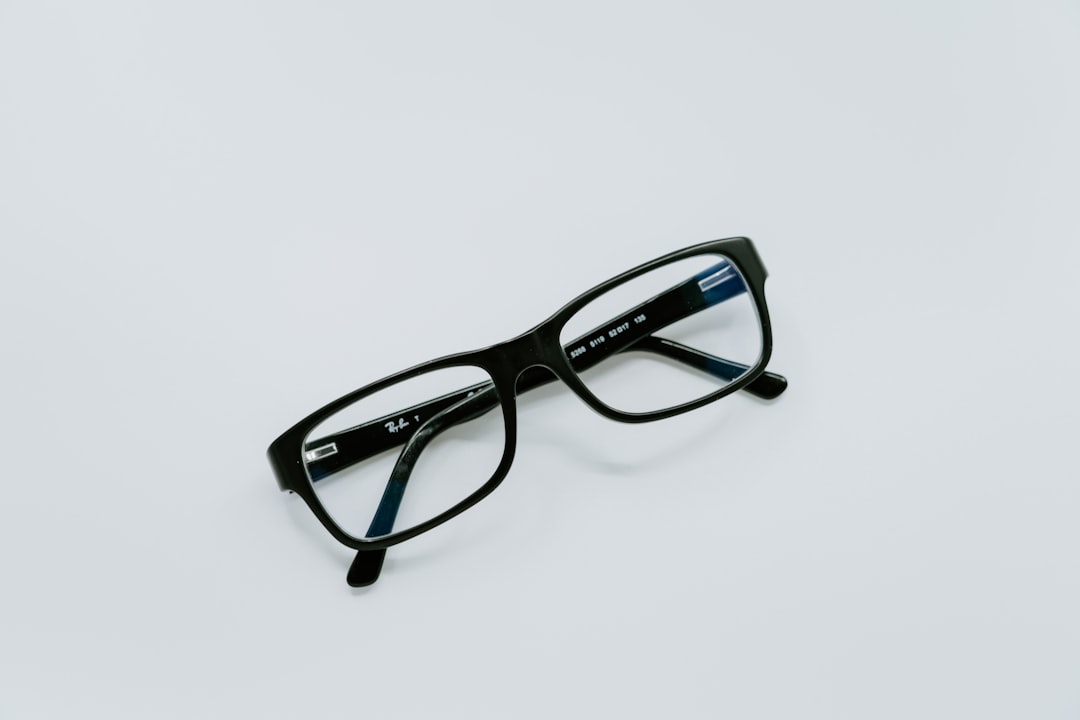
One of the fastest ways to get a reliable baseline is to measure a pair of glasses you already wear comfortably. Many shoppers already own a frame that “just works” but never checked why. Look for the printed numbers on the inside of the temple arm, then compare them to the specs on the product page of any new frame. If your favorite pair measures 54-17-145 and the new one is 49-20-140, you’ll immediately know the new frame will sit differently.
Pro Tip: If a frame you already love fits well, use it as your benchmark. Matching the total front width and bridge size is often more important than matching the exact style photo.
The Tools You Need Before You Measure
Keep the setup simple and consistent
You do not need fancy equipment to measure your face at home. A flexible measuring tape is helpful, but a rigid ruler, a mirror, and a smartphone camera will do the job for most shoppers. Good lighting matters more than people expect because it helps you align the ruler straight across your face and see the bridge and pupil points clearly. If you’re using your phone, take pictures straight-on rather than at an angle, since camera distortion can make your measurements inaccurate.
A second person can improve accuracy, but it isn’t required. If you’re alone, use the mirror method and take your time. The biggest cause of errors is not the tool itself; it’s tilting the ruler or measuring from the wrong facial landmarks. A few extra minutes here can save you from needing a return later, which is exactly why many shoppers value transparent policies like those discussed in manage returns like a pro.
What you’ll want on hand
At minimum, gather: a millimeter ruler, a small mirror, a smartphone with a front camera, and a pen plus paper or notes app. If you have a flexible tailor’s tape, that can help with face width, but keep in mind that flexible tape can curve and subtly inflate a reading if pulled too tightly. A hard ruler is better for PD and bridge measurements because it provides a straight line reference. Use the same method for both eyes so your results are internally consistent.
Before you begin, remove bulky headbands or hats, push hair away from the temples, and sit in front of even lighting. If you wear your current glasses comfortably, keep them nearby so you can compare dimensions later. Shoppers who prefer low-cost frames often use this method to narrow choices before filtering by polarized sunglasses, everyday optical frames, or specific lens add-ons such as blue light blocking. The cleaner your setup, the better your result.
A measurement mindset helps more than perfectionism
Do not obsess over exactness to the decimal. Eyewear sizing is built around ranges, not laboratory tolerances, so being within 1–2 mm is often enough to guide a smart choice. That’s why the best online shopping systems pair measurements with style intelligence and fitting support. If you’re unsure how to balance style and function, try at home options and returns can reduce risk even further.
In other words, the goal is not to create a perfect medical record. The goal is to avoid obvious mismatches and pick frames that have a realistic chance of fitting well on the first order. When in doubt, it’s usually safer to prioritize a slightly wider front, a bridge that matches your nose anatomy, and a temple length that won’t clamp behind your ears. That balance is what helps online shoppers move from browsing to buying with less anxiety.
How to Measure Face Width at Home
Step 1: Find your face’s widest points
Face width is not the same as frame width, but it gives you a useful starting point. Stand in front of a mirror and identify the widest part of your face, which is usually across the cheekbones or temples. Use a ruler to measure the straight line from one side of the face to the other at that widest point, keeping the ruler level. Record the measurement in millimeters.
This reading helps you estimate how much frame width you can support visually and physically. If your face is narrower, oversized frames may overwhelm your features, while very small frames can look pinched. For shoppers choosing between bold designer sunglasses and understated everyday optics, face width is a foundational reference. It’s also useful if you’re comparing silhouettes across round glasses, square frames, or aviator-inspired styles.
Step 2: Translate face width into frame width
A simple rule of thumb: your frame front should roughly match or slightly exceed your face width, but it shouldn’t extend far beyond the widest part of your face. Many comfortable fits land within a few millimeters of the wearer’s face width once temple flare and lens shape are factored in. If you’re buying online, compare the listed frame width or total frame front width with your measurement, then use lens width plus bridge width as a proxy if total width is unavailable. This is where sizing charts save time.
For example, someone with a face width of 130 mm might find a frame with a total front width around 128–136 mm flattering and stable. If the frame is much wider, it may slide; if it’s much narrower, it may pinch or look undersized. That’s why shoppers often combine frame width with fit notes from product pages for lightweight frames and acetate frames. Material changes how a frame feels, but size still governs the fit.
Step 3: Use the side-by-side mirror test
Once you’ve measured, hold a candidate frame photo or product image next to your face in the mirror or use virtual try-on. You’re checking for proportion, not just style. Does the frame sit within your face boundaries, or does it push past them in a way that looks and feels unbalanced? If you want a deeper visual comparison workflow, the article on how virtual try-on works is a useful companion.
This step matters especially for shoppers browsing different collections quickly. A frame that looks perfect on a model may be too large for a narrower face, while a smaller face can disappear in an oversized design. If you understand your face width, you can filter much faster through new arrivals and avoid chasing styles that simply won’t scale to your proportions. Good fit is always a blend of math and aesthetics.
How to Measure Bridge Size Correctly
Why bridge fit is one of the biggest comfort factors
The bridge is the section that rests on your nose, and it has an outsized effect on comfort and stability. A bridge that is too narrow can pinch, leave marks, or make the frame ride high; a bridge that is too wide can cause slipping and constant adjustment. This matters even more for people with lower nose bridges or those who typically struggle to keep glasses from sliding. Bridge size is also highly relevant when shopping for progressive lenses, because stable placement helps preserve the intended lens zones.
Some frame materials and styles can hide bridge issues at first glance. For example, thicker acetate may look sturdy but still fit poorly if the bridge number is off. On the other hand, a well-chosen metal frame with the right bridge measurement can feel almost invisible. The bridge is the quiet hero of eyewear fit, and online shoppers should treat it with the same importance as lens style or brand name.
Method A: Measure the bridge on your current glasses
If you already wear glasses that sit well, the easiest approach is to measure their bridge width directly. Look for the number printed on the inside of the temple arm, usually with the lens width and temple length. If the bridge number is unavailable, measure the narrowest horizontal distance between the inner edges of the lens rims where the frame crosses your nose. Use a ruler and keep it straight across the bridge.
This gives you a practical target for future purchases. Many shoppers find that choosing a bridge within 1–2 mm of their best-fitting pair noticeably improves comfort. If you’re comparing styles for broader shopping context, prescription glasses for oval face and prescription glasses for round face can help you pair bridge size with flattering shapes. The key is to avoid treating the bridge as an afterthought.
Method B: Measure your nose width as a fit clue
If you don’t have a reference pair, measure the narrowest part of your nose where the frame will sit. Use a ruler horizontally across the nose bridge area, taking care not to press into the skin. This won’t give you a perfect bridge size, because frame bridge geometry is shaped by pad design and angle, but it can still tell you whether you likely need a narrower, average, or wider bridge. People with smaller, flatter nose bridges often need frames designed with special fit features or adjustable nose pads.
When browsing online, note whether the frame uses fixed bridges or adjustable nose pads. Adjustable pads make fitting easier because they give you some flexibility during wear. If you’re still unsure, compare models under men's eyewear, women's frames, and unisex categories to see which bridge designs are offered. A broad product assortment is helpful only if you know which bridge style matches your face.
Bridge fit chart
| Bridge Width | Typical Fit Feel | Who It Often Suits | Watch For |
|---|---|---|---|
| 14–16 mm | Narrow and snug | Smaller noses, close-set fits | Pinching if frame is too heavy |
| 17–18 mm | Average fit | Most standard face shapes | Check if the frame slides |
| 19–20 mm | Roomier bridge | Wider noses, lower bridge needs | Can sit too low on smaller noses |
| 21+ mm | Wide and open | Bolder fit, deeper bridge geometry | May need stronger nose support |
| Adjustable nose pads | Customizable | Most online shoppers who want flexibility | Pad angle still matters |
Use the chart as a decision tool, not a strict law. Your ideal bridge depends on frame material, weight, and how the design distributes pressure. For shoppers looking to balance comfort and budget, cheap glasses and buy glasses online pages can be compared using this chart before committing to a purchase.
How to Measure Temple Length the Right Way
Temple length shapes stability behind the ears
Temple length is the measurement of the arm that runs from the hinge to behind the ear. If the temples are too short, the frame can feel tight and may pop forward when you look down. If they’re too long, the frame may sit loose and shift around on your face. Temple length is especially important for active wearers, commuters, and anyone who spends a lot of time looking down at screens or documents.
Most adult temple lengths fall somewhere in the 135–150 mm range, but the ideal number depends on head size, frame shape, and whether the frame has a straighter or more curved temple design. A lightweight metal frame can sometimes feel secure with a slightly shorter temple, while heavier acetate may need a bit more length for balance. If you are comparing materials, the guide on titanium frames is useful for understanding how weight changes the wearing experience.
How to measure temples on glasses you already own
Look for the temple length printed on your current frame or measure from the hinge point to the end of the arm if the number is missing. Lay the glasses flat on a table and use a millimeter ruler. Because the temple curves behind the ear, the printed number is usually the straight length from hinge to tip, not the curved path around your ear. That distinction matters when comparing online product listings.
Once you know your current temple size, compare it to frames that look similar in width and weight. If your current 145 mm temples feel perfect, shopping at 140 mm or 150 mm may still work depending on hinge design and material. The best online results happen when you use the number as a starting point and the shape as a contextual clue. That’s how experienced shoppers avoid over-correcting into a frame that is technically close but practically uncomfortable.
Temple fit chart
| Temple Length | Typical Feel | Best For | Common Issue |
|---|---|---|---|
| 135 mm | Short | Smaller heads, compact frames | Can pull too tightly |
| 140 mm | Slightly short | Narrow to average fit | May ride forward |
| 145 mm | Standard | Most adult shoppers | Depends on frame curvature |
| 150 mm | Longer | Wider heads, looser styles | Can slide without grip |
| 155+ mm | Extended | Oversized or specialty frames | May feel bulky behind ears |
Temple length is especially helpful when comparing classic silhouettes to oversized trend pieces. If you’re shopping for sunglasses or fashion-forward optical frames, check whether the temples are straight, curved, or spring-hinged. Those features can change how the same numeric length actually feels on the head. A frame that looks roomy online can still fit tightly if the temples curve aggressively.
How to Measure Pupillary Distance (PD) at Home
PD is the lens-placement number that keeps vision centered
Pupillary distance, or PD, is the distance between the centers of your pupils. It tells the optical lab where to place the optical center of each lens so you can see clearly and comfortably through your prescription. A wrong PD can make lenses feel “off,” especially in higher prescriptions or progressives. If you wear progressive lenses, accuracy becomes even more important because the corridor depends on proper alignment.
Some prescriptions are more forgiving than others, but PD should still be measured carefully. Many online buyers assume their PD is already “on file,” but a fresh measurement is smart if you are switching frame sizes, changing device habits, or ordering from a different source. If you’re shopping for prescription sunglasses as well as clear glasses, PD should be checked for both. The lens center needs to match how and where you actually look through the frame.
Method 1: Mirror and ruler technique
Stand about 8 inches from a mirror and hold a millimeter ruler across your brow line. Close your right eye and align the zero mark with the center of your left pupil. Then close the left eye and open the right eye, reading the number that aligns with the right pupil. That number is your PD. Repeat the process a few times and average the results for a more reliable figure.
This method is popular because it’s accessible, but it requires careful alignment. The most common mistake is angling the ruler or measuring from the edge of the pupil instead of the center. Good lighting and patience improve the result dramatically. If you want a more guided fit process overall, the article on online glasses fitting explains how digital tools and manual measurements can work together.
Method 2: Smartphone-assisted PD measurement
Take a straight-on selfie or use a front-facing camera at arm’s length, keeping your face centered and level. Open a measurement app or use a known reference object for scale, then mark the center of each pupil. This can be especially useful if you’re doing it alone, because you can zoom in and recheck the points. Just be aware that camera distortion can slightly affect the result if the phone is too close to your face.
For extra accuracy, take several images and compare them. If your PD readings vary by more than 2 mm, repeat the process. Many opticians measure both a distance PD and a near PD, so don’t be surprised if your prescription paperwork contains more than one value. Knowing which one your frame order requires is crucial, especially when pairing lenses with advanced options like anti-reflective coating or blue-light filtering.
Monocular vs binocular PD and why it matters
Binocular PD is the total distance between both pupils, such as 62 mm. Monocular PD splits that into right and left values, such as 31/31 or 30/32. Monocular PD is especially helpful for progressives and for people whose eyes are not perfectly centered symmetrically on the face. If your prescription or product page asks for monocular PD, don’t substitute a single total number unless the retailer specifically says that’s acceptable.
When in doubt, check the prescription instructions before ordering. For a broader understanding of lens decisions, you may also want to review lens options and prescription lenses. Those pages help you match your measurement data to the right type of optical build. PD is not just a number; it is the coordinate system that centers your vision.
How to Read Frame Size Numbers Like a Pro
The three-number system on the temple arm
Most glasses are labeled with three numbers, such as 52-18-145. The first number is lens width, the second is bridge width, and the third is temple length. These numbers are usually printed on the inside of the temple arm or on the bridge. Once you can decode them, product pages become much easier to compare.
Lens width affects how much of your face the frame covers visually. Bridge width determines nose comfort and stability. Temple length helps the frame stay secure behind the ears. When you shop affordable glasses or premium collections, these three numbers let you evaluate value with much more precision than style photos alone. A good fit should feel intentional, not accidental.
How to estimate total frame width
Total frame width is often more useful than lens width alone. A rough estimate is: lens width + bridge width + lens width, plus a few millimeters for frame material and hinge thickness. So a 52-18-145 frame does not mean 52 + 18 = the full width; it means the front width is wider than 122 mm once rim thickness is included. Online retailers may label total width differently, so read the product specs carefully.
If you’re comparing between categories, use total width to avoid misunderstandings. A round, narrow bridge frame can measure the same as a rectangular frame but feel totally different due to visual mass and edge shape. That’s why shoppers looking through new arrivals or curated collections should always compare the numeric specs alongside the product image. Style is visible; fit is measurable.
Quick frame size decision chart
| Your Clue | What It Usually Means | Frame Size Strategy |
|---|---|---|
| Face width under 125 mm | Likely narrow fit | Look for compact fronts and shorter temples |
| Face width 125–135 mm | Average-to-slim fit | Standard widths often work well |
| Face width 136–145 mm | Average-to-wide fit | Try medium to wide frames |
| Face width over 145 mm | Wider fit needs | Prioritize broader fronts and longer temples |
| PD under 60 mm | Narrower eye spacing | Check lens centering and bridge placement carefully |
Use this as a decision map, not a rigid filter. The best choice depends on your facial proportions, prescription strength, and whether you prefer a snug or looser wearing experience. When shopping for men's eyewear or women's frames, think about how the frame will look from the front, side, and during movement—not just in a static selfie.
How to Use Your Measurements When Shopping Online
Match measurements to product filters and fit notes
Once you have your face width, bridge size, temple length, and PD, the next step is to translate them into shopping decisions. Start by filtering products with widths and bridge sizes near your target ranges. Then compare fit notes such as “low bridge fit,” “adjustable nose pads,” “narrow fit,” or “wide fit.” These notes are often more valuable than brand names because they explain how the frame is actually engineered.
For shoppers seeking designer eyeglasses, this is especially important because premium styling can tempt you to ignore fit. A beautiful frame that slips all day is not a value purchase. If you’re trying to maximize budget, pair your measurements with affordable glasses and look for transparent lens pricing, so you understand the true total cost before checkout. Good online buying means fewer surprises.
Consider lens type before finalizing frame size
Frame choice is not only about appearance. If you need progressive lenses, the frame should be tall enough to support the corridor comfortably, which may influence shape and size selection. If you prefer screen use and driving, an anti-reflective coating can improve clarity and reduce glare, which is useful in any frame but especially in work-first eyewear. The lens package should fit the frame, and the frame should fit your face.
For shoppers with strong prescriptions, lens thickness and optical balance can also influence the best frame choice. A smaller lens area can reduce edge thickness in some prescriptions, while a sturdier frame may hold thicker lenses better. That tradeoff is why smart shoppers review both the frame specs and the lens explanation pages, including lens options and frame styles. The right pairing feels cohesive, not patched together.
What to do if you’re between sizes
If your numbers sit between two frame categories, choose based on your priority. If comfort and stability matter most, bias toward the fit that matches your bridge and temple measurements. If fashion impact matters more, use virtual try-on and choose the slightly larger frame only if the bridge is still workable. Many successful online buyers use this “one dimension can flex, one dimension cannot” rule: the bridge is less forgiving than the lens width, and PD must remain accurate regardless of style.
If you’re uncertain, consider trying two similarly sized frames and using the retailer’s return policy as a safety net. That strategy is common among experienced shoppers who want to reduce the chance of a remake. For a fuller look at the post-purchase side of buying eyewear, the return-management article manage returns like a pro is worth bookmarking. Risk reduction is part of smart buying.
Common Fit Mistakes and How to Avoid Them
Choosing by face shape alone
Face shape is useful, but it is not enough. Two people with the same face shape can have very different face widths, bridge needs, and temple fit requirements. That’s why a shape-only approach can lead to frames that look stylish in theory but feel wrong in practice. Use shape to narrow style; use measurements to finalize size.
This is the same reason curated buying guides are helpful in other product categories: they help you separate preference from specification. When you read a guide such as face shape guide, use it as a style compass, not a sizing substitute. Shape gets you in the right neighborhood; measurements get you to the right house.
Ignoring bridge fit because the frame “looks” right
A frame can look perfect on the model and still be wrong for your nose structure. The bridge is often the hidden reason why online glasses purchases disappoint. If the bridge is off, you’ll feel constant movement, pressure, or nose marks no matter how good the frame looks. Always verify bridge compatibility before clicking buy.
This is where low-bridge fit options, adjustable pads, and your current favorite pair become critical. Many shoppers with lower nose bridges benefit from frames that explicitly mention fit-friendly engineering. If you want a better sense of which styles are built for comfort and which are not, browse lightweight frames and frame listings with detailed specs. Design details matter more than marketing copy.
Forgetting that materials change feel
Two frames with identical numbers can feel different if one is lightweight titanium and the other is heavier acetate. Weight distribution changes pressure on the nose and behind the ears, which can make the same dimensions feel either secure or tiring. That’s why material awareness is part of sizing literacy. If you wear glasses all day, the difference is not subtle.
Before you finalize your order, compare the material notes and finish. You may find that a slightly different style in titanium frames or acetate frames suits your comfort goals better than your first pick. Fit is a system, not a single number.
At-Home Measurement Cheat Sheet and Shopping Workflow
Five-minute process from measuring to checkout
Start with your current glasses, if you have them, and record the three printed numbers. Measure your face width from the widest point, then verify bridge width with your nose measurement or current frame. Measure temple length from your best-fitting pair, and calculate PD using the mirror or phone method. Once you have all four numbers, compare them against product specs and fit notes.
This workflow helps you move efficiently through product pages without getting overwhelmed. If you’re shopping for work, weekends, and special occasions, save 2–3 frame candidates in each category and compare them side by side. That way, you aren’t deciding from memory alone. For inspiration across different product types, new arrivals and sale collection can be filtered using your numbers rather than your mood.
A simple decision sequence
Use this order: 1) PD accuracy, 2) bridge compatibility, 3) frame width, 4) temple length, 5) lens features. That sequence reduces the chance of a technically “good-looking” frame becoming an everyday frustration. It also keeps the most vision-critical measurement—PD—at the center of the process. Once those essentials are locked in, style choices become much easier.
In practice, this means a shopper can choose between a bold designer style and a modest everyday frame with more confidence. If both are technically compatible, then personal style and budget take over. That is how you shop for designer eyeglasses without overspending, or for affordable glasses without compromising on fit. Measurement-first shopping keeps both ends of the spectrum honest.
When to ask for help
If your prescription is high, your face measurements are unusual, or you need progressives, ask customer support before ordering. A good eyewear retailer should be able to explain frame dimensions, lens compatibility, and return options clearly. That guidance becomes even more valuable if you are buying from a category you don’t usually wear, such as prescription sunglasses or bold fashion frames. Expert support is not a luxury; it is part of getting the order right.
And if you’re unsure whether a frame will suit your look, use virtual try-on glasses as a visual sanity check after you’ve confirmed the measurements. The best results come from combining objective size data with a realistic preview. That double-check approach is the most reliable way to shop prescription glasses online.
Frequently Asked Questions
How accurate is measuring PD at home?
Home PD measurement can be quite useful when done carefully, especially if you repeat the process several times and average the results. It is not quite the same as an in-person optical measurement, but for many online orders it is accurate enough if you use the correct method. If you have a strong prescription or need progressives, accuracy matters more, so check the retailer’s guidance and compare your result to any recent prescription paperwork.
Can I use my old glasses to find my frame size?
Yes, and it is one of the best starting points. Read the numbers printed on the inside of the temple arm and compare them with new frames. If your current pair is comfortable, matching the same bridge and temple length can dramatically improve your odds of success when buying online. The style may differ, but the sizing logic remains the same.
What if my face width and frame width don’t match perfectly?
Small differences are normal and often desirable. The right frame usually sits slightly within or slightly beyond your face width depending on style and comfort preferences. Focus first on bridge fit and overall balance, because those have the greatest effect on comfort. A frame that is a little wider or narrower may still work if the bridge and temples are right.
Do progressive lenses need a different size frame?
Often, yes. Progressives usually work better in frames with enough lens height to support the progressive corridor. If the frame is too shallow, the reading zone can feel cramped. That’s why you should check both frame dimensions and lens design before ordering progressive lenses online.
What is the most common mistake people make when buying glasses online?
The most common mistake is choosing based on image alone and ignoring the specs. Shoppers fall in love with a frame style, then discover the bridge is too tight, the temples are too short, or the frame is too wide for their face. The fix is simple: measure first, then use virtual try-on and product specs to confirm your choice. Measurements remove most of the guesswork.
Should I prioritize price or fit?
Fit should come first, because even inexpensive frames are poor value if they hurt or need replacement. After fit, compare lens options, coatings, and return policies to see where the real value sits. A well-fitted affordable frame with the right lens package is often a better purchase than a stylish but uncomfortable designer option. The best buy is the one you’ll actually wear.
Final Takeaway: Measure First, Shop Smarter
If you remember nothing else, remember this: online eyewear shopping gets much easier when you treat sizing like a checklist instead of a gamble. Face width helps you gauge proportion, bridge size determines comfort, temple length affects stability, and PD ensures the lenses align with your vision. When those pieces are in place, the rest—shape, color, finish, and brand—becomes the fun part. That is the difference between hoping a frame fits and knowing it has a strong chance of fitting well.
For the best results, pair your at-home measurements with trusted product specs, virtual try-on glasses, and clear lens choices. If you’re still comparing style families, the pages for women's frames, men's eyewear, and designer eyeglasses can help you narrow down the look while your numbers narrow down the fit. With the right measurements, buying prescription glasses online becomes far less intimidating—and much more successful.
Related Reading
- How Virtual Try-On Works - Learn how digital previews help confirm frame proportion before you buy.
- Lens Options - Compare common lens upgrades and understand what each one does.
- Prescription Lenses - A clear guide to ordering the right lenses for your prescription.
- Online Glasses Fitting - Tips for translating product specs into a comfortable everyday fit.
- Prescription Glasses for Oval Face - Style guidance for choosing frames that balance your features.