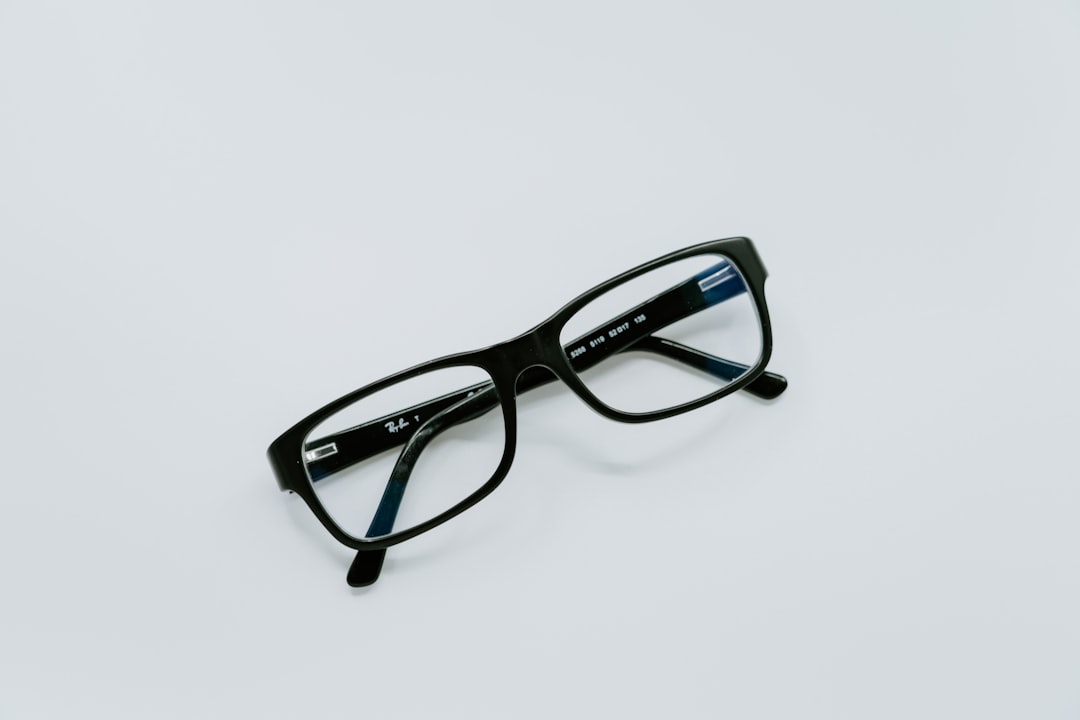
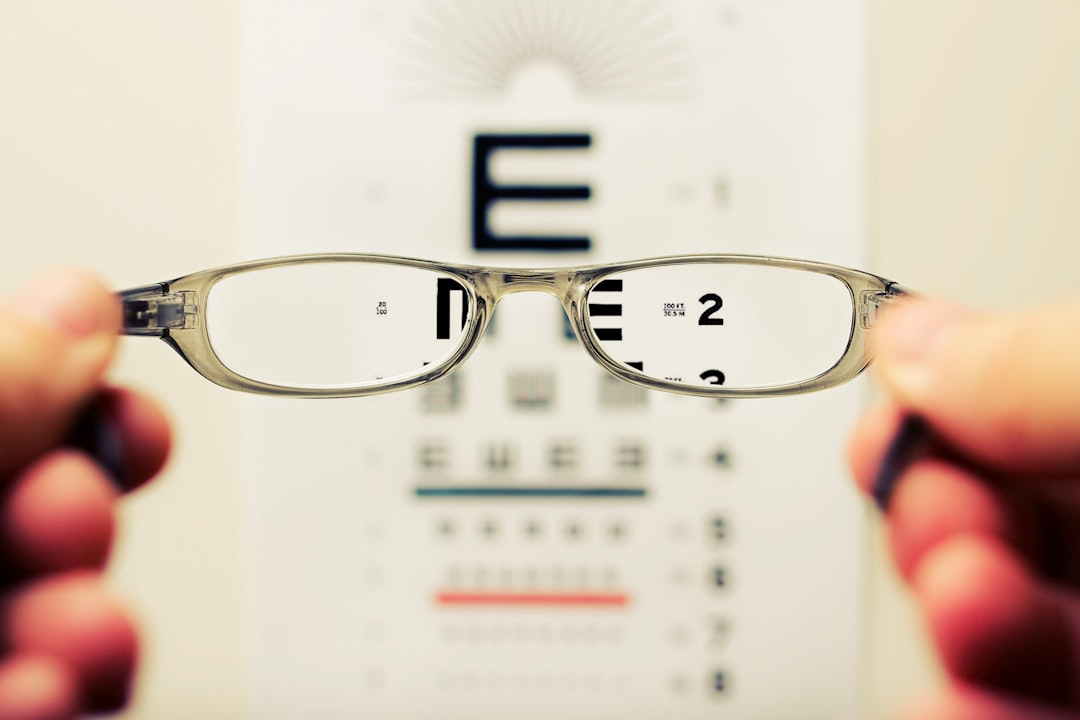
Choosing kids eyeglasses is a lot easier when you know what actually matters: fit, durability, lens safety, and how to keep your child willing to wear them every day. Parents shopping for prescription glasses online often worry about guesswork, but with the right measurements and a smart buying process, you can confidently narrow down styles that work for school, sports, screens, and play. If you’re comparing durable frames, looking for affordable glasses, or hoping to use virtual try-on glasses to reduce returns, the best strategy is to shop by function first and style second. This guide walks you through the whole decision: frame materials, hinges, fit, lens add-ons like anti-reflective coating and blue light glasses, return policies, and practical tactics that help kids actually keep their glasses on.
Pro tip: The best kids’ glasses are usually not the fanciest pair on the shelf—they’re the pair your child can wear comfortably for long stretches without slipping, pinching, or breaking during normal kid life.
1) Start with the child, not the frame
Face shape matters, but comfort matters more
Adult eyewear shopping often starts with aesthetics; kids’ eyewear should start with tolerance. A pair that looks adorable but slides down every five minutes will quickly become a battle at school and at home. The best kids eyeglasses are the ones your child forgets they are wearing, because the nose bridge, temple length, and frame weight are all calibrated to their face. That’s why a strong shopping process should include measurements, photos, and ideally virtual try-on glasses before checkout.
Kids also change fast. A frame that fits well in January may be tight by summer if your child has grown a half-size in height or head circumference. If you’re shopping online listings, look for specs that include lens width, bridge width, and temple length rather than relying on age labels alone. Age ranges are helpful, but they are still rough estimates; two seven-year-olds can have very different facial proportions.
Ask how your child uses glasses day to day
Not every child needs the same type of frame. A child who spends all day in class and reading will need different priorities than one who is constantly on the move during recess and sports practice. Ask: Will the glasses be worn full-time? Only for reading? Mostly for school and screens? The answers change your lens and frame choices and can save you from paying for features your child won’t use. Parents comparing options can borrow a page from shoppers who vet a deal carefully, like in this checklist for buyers: don’t compare just the headline price; compare what’s actually included.
Involve the child in the process
Kids are far more likely to wear glasses they had a hand in choosing. Let them pick between a few parent-approved frame colors or styles, then guide the final decision based on fit and durability. This reduces the emotional resistance many families face when moving from “I need glasses” to “I have to wear these.” It also creates a sense of ownership, which matters later when you are reminding them to put the glasses on before school.
2) Choose safe, durable frame materials that can survive real kid life
Flexible plastics are often the sweet spot
For younger children, flexible plastic or high-memory polymer frames tend to be a smart starting point. These materials are lighter than many metal frames, more forgiving in backpacks and sports bags, and less likely to bend permanently when a child pulls them off one-handed. In everyday use, that flexibility is a major advantage because kids rarely handle glasses gently. If you’re scanning options for affordable picks and toughness, prioritize materials that combine light weight with rebound resistance.
Some children do well in metal frames, especially older kids who are more careful and want a slimmer look. However, metal can be less forgiving if a frame gets twisted, and certain alloys may be less comfortable for active children unless the fit is excellent. For a child who is rough on accessories, durability is a practical form of value—not a luxury feature. The best frame is the one that stays aligned after everyday use, not just the one that looks sleek in a product photo.
Flexible hinges and spring hinges are worth attention
Hinges are one of the most overlooked parts of kids’ glasses, yet they often determine whether the frame survives the school year. Spring hinges can help the temples flex outward slightly, reducing stress when your child puts the glasses on or removes them roughly. They are not indestructible, but they can buy you extra time before a minor bend becomes a major problem. When comparing styles, look for frames described as resilient, flexible, or impact-tolerant rather than just “cute.”
Good hinge design also helps comfort. If the temples pinch the sides of the head, a child may start taking the glasses off as soon as no adult is watching. If the temples are too loose, the frame shifts downward, and the child learns to push them up constantly—a habit that becomes annoying fast. Think of it the way quality-conscious shoppers think about products in factory-quality control guides: small components often decide the long-term experience.
Look for kid-specific details, not mini adult frames
Truly kid-friendly frames often include rounded edges, soft nose pieces, flexible arms, and materials that can take a hit without cracking. They may also have designs that are easier to adjust at home or by an optician. “Mini adult” frames can look stylish, but they are not always shaped for a child’s flatter bridge or lower nose profile. A frame may be trendy and still fail the basic test of staying put during class or playground time.
Pro tip: If a child is in the early grades or very active, prioritize comfort and flexibility over premium branding. A dependable pair often beats a designer pair that becomes uncomfortable after 20 minutes.
3) Get the fit right the first time
Measure three points: eyes, bridge, and temples
Fit starts with the distance between the child’s pupils, the bridge of the nose, and the temple length. The optical industry often uses measurements like lens width, bridge width, and temple length to keep a frame aligned. If a retailer provides those details, use them. If you are shopping online, compare those numbers against a current pair that fits well or ask your optician for recommendations based on the prescription and facial structure. Fit is especially important for kids because they may not notice subtle discomfort right away; instead, they compensate until the glasses become annoying enough to reject.
Frames that sit too low can distort vision, especially if your child is looking through the top edge of the lenses. Frames that sit too high may slide during activity and cause repeated readjustment. This is one of the biggest reasons why online shopping should be paired with generous exchange policies and a clear understanding of sizing. If you’re evaluating a marketplace, the logic is similar to this guide on third-party sellers: confidence comes from verification, not assumption.
Bridge fit is the hidden make-or-break factor
Many kids have low or flatter nose bridges, which means frames can slide down unless they are designed with that anatomy in mind. Adjustable nose pads can help in some metal frames, but they are not ideal for every child because they add another small part that can shift or snag. Saddle bridges and kid-specific bridge designs can be more comfortable in many cases, especially for younger children. If the bridge fit is wrong, even a beautiful frame becomes a frustrating one.
Parents should watch for clues during the first few days of wear. Frequent slipping, red marks on the nose, or crooked frame alignment usually point to a fit issue, not a stubborn child. The earlier you correct it, the better your odds of avoiding “I hate my glasses” momentum. Small fit fixes can dramatically improve willingness to wear them, especially during the adjustment period.
Use photos and try-on tools, but verify with measurements
Virtual try-on glasses are excellent for style and proportion checks, but they should not replace actual size data. A frame can look perfect on camera and still sit poorly on the face if the bridge width is wrong or the temples are too long. The ideal workflow is simple: narrow style choices with virtual try-on, then verify the dimensions before you buy. That reduces regret and lowers the odds of a return.
When possible, use a short checklist: Does the frame width match the child’s face? Do the eyes sit centered in the lenses? Does the bridge fit without sliding? Can the temples bend comfortably without pinching? Parents who slow down here usually save time later.
4) Understand lens choices before you add extras
Prescription accuracy comes first
Lenses should always be built from a valid, current prescription. For children, it is especially important to make sure the prescription matches the optometrist’s instructions exactly, including any special notes about full-time wear, one-eye differences, or astigmatism correction. A simple typo or an outdated prescription can cause headaches, vision strain, or refusal to wear the glasses. If you’re ordering prescription glasses online, double-check the prescription upload instructions before submitting the order.
Kids may not describe blurry vision well, so adults often have to infer problems from behavior. Squinting, sitting too close to screens, tilting the head, or losing focus during reading can all indicate that the lenses are not meeting the child’s needs. If the pair feels “off,” don’t wait months to investigate. Early correction is especially important during school years when visual comfort affects reading, writing, and attention.
Anti-reflective coating is often a smart upgrade
Anti-reflective coating can be very helpful for children because it reduces glare from classroom lights, windows, tablets, and monitors. It also makes the lenses look clearer, which can be socially reassuring for kids who are self-conscious about wearing glasses. The coating helps other people see the child’s eyes more easily, and that can make the glasses feel less “obvious.” If your child spends significant time reading or using screens, this is often a worthwhile option.
That said, anti-reflective coating can show smudges more visibly, so it works best when paired with a lens-cleaning routine. Teach kids how to rinse dust off before wiping, since rubbing dry debris can scratch lenses over time. Good care habits extend lens life and keep the clarity benefits intact. For families comparing eyewear add-ons the way savvy shoppers compare product features, the goal is not to buy everything—it is to buy the features that solve a real problem.
Blue light glasses: useful in some cases, but not a cure-all
Blue light glasses are frequently marketed to parents as an essential screen-time solution, but the evidence is more nuanced than the ads suggest. They may help some children feel more comfortable during long screen sessions, especially if glare and visual fatigue are part of the issue, but they do not replace healthy screen habits, lighting, or breaks. If your child already has a prescription, blue-light filtering can be added in some lens packages, though it should not distract from the basics: correct power, good fit, and reasonable screen-time boundaries. The smartest approach is to treat blue light filtering as one tool, not the whole toolbox.
For many families, anti-reflective coating plus a well-fitted lens provides more noticeable everyday benefit than blue light filtering alone. If your child primarily needs glasses for schoolwork, reading, or device use, talk with your optician about the specific use case. A practical buying decision is always better than a trendy one. The same thinking applies to any product category where the marketing promise is big but the real-world benefit depends on context, like the analysis in future-proofing product decisions with research-grade workflows.
Consider lens thickness, impact resistance, and coatings
Depending on the prescription, lens material can matter just as much as the frame. For children, impact resistance is important, because lenses should stand up to active use and occasional drops. High-prescription lenses may need design choices that reduce thickness and weight, which improves comfort and appearance. The lighter the glasses, the less likely your child is to treat them like a burden.
Coatings also affect performance over time. Scratch-resistant coatings help in daily wear, while anti-reflective coatings improve visual clarity. Some retailers bundle these by default; others charge separately, which is why the final cost can differ a lot from the headline price. As with any online purchase, compare the total package, not just the starting number.
5) Should you buy designer eyeglasses for kids?
Brand name is not the same as better for children
Parents sometimes assume that designer eyeglasses automatically mean better quality, but that is not always true for kids. A premium label can bring style and recognizable design, yet it does not guarantee the best fit for a child’s face or the toughest day-to-day durability. In fact, some heavily branded frames are more fashion-forward than kid-proof. That’s why many smart shoppers compare the logo to the actual materials, hinge construction, and warranty terms.
There is nothing wrong with choosing a designer frame if it fits well and your child will wear it proudly. Style can absolutely improve compliance, especially for older children and tweens who care about looking “cool.” But value should still be measured in real-world wearability. Think of designer frames as one option in the mix, not a default sign of superiority.
Know when to pay more
It can be worth paying extra for sturdier hardware, better lens options, or a more generous warranty. If your child has a history of breaking frames, a frame with stronger hinges and a replacement-friendly policy may save money long-term. The same is true if the child has a narrow fit that is hard to find; paying more for the right geometry can prevent months of discomfort. Good eyewear value is about cost per successful wear, not sticker price alone.
If your budget is tight, search for affordable glasses that still include practical features like flexible temples and scratch-resistant lenses. You do not need the most expensive frame to get a comfortable, functional pair. What you need is a reliable combination of fit, lens quality, and support if something goes wrong.
Make style a reward, not the only criterion
One helpful parenting tactic is to let style be the final tie-breaker after fit and function are confirmed. That way your child still feels included, but the non-negotiables stay in place. This prevents the “I want the blue ones” conversation from overriding the “these slide off your nose” conversation. When kids feel some ownership, they are more likely to wear the glasses consistently.
6) Warranty, returns, and replacement policies matter more than many parents think
What to look for in a child-friendly return policy
Children’s eyewear has a higher chance of needing exchange than adult eyewear, simply because fit and preferences are harder to predict. A good return policy should clearly explain whether lenses can be exchanged, whether frames can be swapped, and what condition the product must be in to qualify. If a retailer offers a short return window, make sure you can evaluate fit quickly after delivery. The less ambiguity in the policy, the safer the purchase.
Look for low-friction returns, responsive customer support, and transparent restocking rules. If the retailer supports easy exchanges, you can treat the first order as a fitting step rather than a final gamble. That mindset is especially valuable when buying online for kids, because face growth and changing preferences can turn a “good on paper” choice into a poor practical choice. If you’re comparing retailers, the caution used in guides like this local marketplace perspective is useful here too: the details in the policy are as important as the product itself.
Warranty coverage can save money on active kids
Warranty terms vary widely, but they often become important after a drop, bend, or accidental breakage. Some plans cover frame failure, while others focus on manufacturing defects only. If your child is especially active, a stronger warranty may be worth the small extra cost. The ideal setup is a frame that is already durable plus a policy that reduces pain if the unexpected happens.
Read whether the warranty requires shipping the entire frame back, paying return postage, or filing claims within a short time. These details influence the real value of the purchase. A low-cost frame with a weak policy can become expensive if you need to replace it twice in one school year. A more expensive option with dependable coverage may be the better budget choice overall.
Keep the paperwork and packaging until the fit is confirmed
Before tossing the box, keep every insert, receipt, and label until you know the glasses are a keeper. This makes exchanges easier and avoids preventable stress if the frame or lens power needs adjustment. Parents often underestimate how much administrative friction can affect eyewear success. A five-minute paperwork habit now can save a frustrating support call later.
7) How to get kids to actually wear their glasses
Normalize the glasses at home first
Children adjust better when glasses become part of normal family life instead of a dramatic announcement. Let them wear the glasses for short, positive sessions at home before expecting all-day use. Start with activities that pair well with glasses, such as reading, drawing, or watching a favorite show. This helps the child associate glasses with comfort and success rather than pressure.
Positive reinforcement works better than constant correction. Instead of repeating “put your glasses on” in a frustrated tone, try framing it as “your glasses help the world look clear” or “let’s see how well you can read with them on.” These small scripts reduce resistance and make the habit feel less punitive. Consistency matters more than intensity.
Create backup routines for school and sports
Kids often forget glasses at home because mornings are chaotic. Make the glasses part of the same checklist as shoes, lunch, and backpack. For sports or recess, consider whether a backup strap, case, or sport-appropriate frame is needed. The more seamless the routine, the less likely the glasses will be forgotten or left in a classroom desk.
If your child participates in active play, it may also be worth considering whether a second pair or a backup set is practical. Families managing multiple accessories can benefit from the same kind of system-thinking used in hybrid carryall planning: make the carrying system easy enough that the right item is used at the right time.
Let comfort solve most compliance issues
Many children who “refuse” glasses are really reacting to discomfort, not vanity. A temple arm that hurts behind the ear or a bridge that slides every ten minutes can create enough irritation to ruin the habit. Before labeling a child as resistant, check whether the frame needs adjustment. A quick fit tune-up often fixes what looks like a behavior problem.
If a child feels confident in how the glasses look and physically comfortable wearing them, compliance usually improves naturally. That is why picking the right frame size and hinge style up front matters so much. The more invisible the glasses feel, the easier it is for the child to forget the burden and focus on the benefit.
8) A practical comparison of kids’ eyeglass features
Use the table below as a simple shopping filter. It helps parents compare the parts that actually affect daily wear, not just the marketing language. The best choice depends on age, activity level, prescription strength, and whether your child is likely to be rough on accessories. If you want a broader framework for comparing products online, the approach is similar to reading a specification-heavy buying guide such as this value-shoppers’ specs comparison.
| Feature | Best For | Pros | Watch Out For |
|---|---|---|---|
| Flexible plastic frame | Younger or active kids | Light, forgiving, durable | Can still stretch if handled roughly |
| Metal frame | Older kids, slimmer styles | Often sleek and adjustable | May bend or pinch more easily |
| Spring hinges | Rough wear and repeated on/off use | More forgiving, improves durability | Not a substitute for proper fit |
| Anti-reflective coating | Schoolwork and screen use | Reduces glare, improves clarity | Shows smudges more easily |
| Blue light filtering | Heavy screen users | May improve comfort for some users | Not a cure for screen strain |
| Impact-resistant lenses | Kids in sports or active play | Safer and more durable | May cost more depending on package |
9) Shopping online: how to reduce mistakes and maximize value
Use virtual try-on and a sizing checklist together
Online shopping can be excellent for parents if you use a two-step method: first, narrow style choices with virtual try-on glasses; second, verify measurements and policy details. This keeps the process from becoming a guessing game. It also lets kids feel part of the style decision without sacrificing technical accuracy. The best online purchase is the one that feels easy because the homework was done upfront.
Compare several options rather than settling on the first cute frame you see. Look at lens add-ons, shipping speed, warranty terms, and whether the retailer supports helpful exchanges. Smart online shopping is less about finding the cheapest listing and more about finding the total best-value package. That is especially true for children, where small fit issues become everyday annoyances.
Read the fine print before checkout
When buying prescription glasses online, double-check whether the seller confirms your prescription details, how they handle pupillary distance, and whether the lenses are final-sale. The policy should clearly explain what happens if the prescription is entered incorrectly or if the frame does not fit. Parents should also verify whether promotional pricing includes coatings or whether those are extra. Many surprises happen in the add-on stage, not the product stage.
It’s also wise to compare shipping times and refill policies if your child may need changes later. Kids grow, prescriptions can shift, and school schedules can get tight. Retailers that support easy reordering can be a real time-saver when the first pair works but the next growth spurt arrives.
Value is more than low price
Affordable glasses are a great goal, but the cheapest pair is not necessarily the least expensive over time. If a low-cost frame breaks quickly, causes discomfort, or lacks a good warranty, the real cost goes up. Good value comes from durable materials, accurate lenses, and a customer experience that reduces stress. For parents, that combination is worth paying attention to.
Think of the purchase like a long-term utility rather than a one-time fashion item. If the glasses help your child see clearly, wear them consistently, and avoid repeated replacements, the total cost of ownership improves dramatically. That is what good value really means in eyewear.
10) Special situations: sports, sunlight, and backup pairs
When sunglasses or sports eyewear make sense
Some children need more than their main prescription pair. If your child spends a lot of time outside, consider whether polarized sunglasses are useful for glare reduction in bright conditions, especially near water, roads, or open fields. Polarization is not the same as prescription correction, but it can be a helpful add-on for outdoor comfort. For children in active sports, a backup pair may also be worth considering to reduce stress if the main frame gets damaged.
Sun protection matters, but so does practicality. Sunglasses should fit comfortably and stay on during play, not just look stylish. If your child refuses to keep them on, you may need a smaller frame, a softer material, or a strap system. The goal is consistent protection, not occasional compliance.
Keep a spare pair when budget allows
A backup pair can be a lifesaver for children with strong prescriptions or frequent frame damage. It does not need to be the most expensive pair in the world, just accurate enough to bridge the gap if the everyday pair gets lost or broken. In families with multiple kids or packed schedules, a backup plan prevents school-day emergencies. This is especially helpful when the child is still learning the habit of putting glasses in one safe place.
Don’t forget the case, cloth, and adjustment support
Accessories sound minor until they save a lens from a scratch or a frame from being crushed in a backpack. A hard case, microfiber cloth, and access to simple adjustments can significantly extend the life of kids’ glasses. If the retailer offers adjustment guidance or easy support, that can be a meaningful advantage. Small support details often have a big impact on the experience.
11) Final buying checklist for parents
Before you place the order
Confirm the prescription, measurements, frame material, hinge type, and the expected use case. Decide whether your child needs anti-reflective coating, blue light filtering, impact resistance, or a second pair. Check return windows and warranty terms before entering payment details. If the retailer’s policies are unclear, pause and ask questions rather than assuming the best.
For many families, the best frame is the one that balances comfort, durability, and style without overcomplicating the order. It should feel easy for your child to wear and easy for you to replace if needed. The more predictable the process, the better the outcome.
After the glasses arrive
Inspect the fit immediately, make sure the lenses match the prescription, and watch how your child behaves while wearing them for the first few days. Adjustments are normal and often necessary. If the child complains about headaches, slipping, or blurred vision, follow up quickly. The earlier you solve problems, the more likely the child will accept the glasses as part of daily life.
Build a habit, not just a purchase
In the end, kids’ glasses succeed when they become routine. That means the frame fits, the lens helps, the style feels acceptable, and the policy backstops the purchase if something goes wrong. Parents who treat the process as a system—not a single transaction—usually get better results. The right pair can support confidence, school performance, and independence all at once.
Frequently Asked Questions
How do I know if my child’s eyeglasses fit properly?
A proper fit means the frame sits level, doesn’t slide constantly, doesn’t pinch behind the ears, and keeps the pupils centered in the lenses. The bridge should rest comfortably without leaving red marks, and the temples should hold securely without pressure. If your child keeps pushing the glasses up, that’s often a fit problem, not just a habit issue.
Are blue light glasses necessary for kids?
Not always. Blue light filtering may help some children feel more comfortable during long screen sessions, but it is not a substitute for correct prescription lenses, good lighting, or breaks from screens. For many kids, anti-reflective coating and a proper fit matter more than blue light filtering alone.
What’s better for kids: metal or plastic frames?
For younger or more active children, flexible plastic often wins because it is lighter and more forgiving. Metal can work well for older children who want a slimmer look and are more careful with their glasses. The best choice depends on your child’s activity level, face shape, and how much durability you need.
Should I buy a backup pair?
If your child has a strong prescription, tends to lose things, or breaks frames often, a backup pair can be very helpful. It is not mandatory for every family, but it can prevent school-day disruptions and reduce stress after accidents. A backup can be especially useful during growth spurts or sports seasons.
How do I encourage my child to wear glasses consistently?
Make glasses part of the daily routine, let your child help choose the frame, and fix comfort issues quickly if they complain. Positive reinforcement works better than nagging, and comfort problems are often the hidden reason kids resist wearing glasses. Starting with short, successful wear sessions at home can make the transition easier.
What should I check when ordering prescription glasses online?
Verify the prescription, lens add-ons, frame measurements, return policy, and warranty before checkout. Use virtual try-on tools for style, but confirm dimensions with real measurements. Also check whether coatings and impact-resistant lenses are included or charged separately so the final price does not surprise you.
Related Reading
- Protective Goggles for DIY and Home Projects - A practical lens on impact-resistant eye protection and value-focused buying.
- The Hidden Editing Features Battle - Useful for understanding how try-on and visual tools shape online decisions.
- Premium Headphones on a Bargain - A smart-value comparison mindset that translates well to eyewear shopping.
- When a Cheaper Tablet Beats the Galaxy Tab - A specs-first buying approach parents can borrow when comparing frames and lens packages.
- Digital Ownership 101 - A reminder to read policy details carefully before buying online.