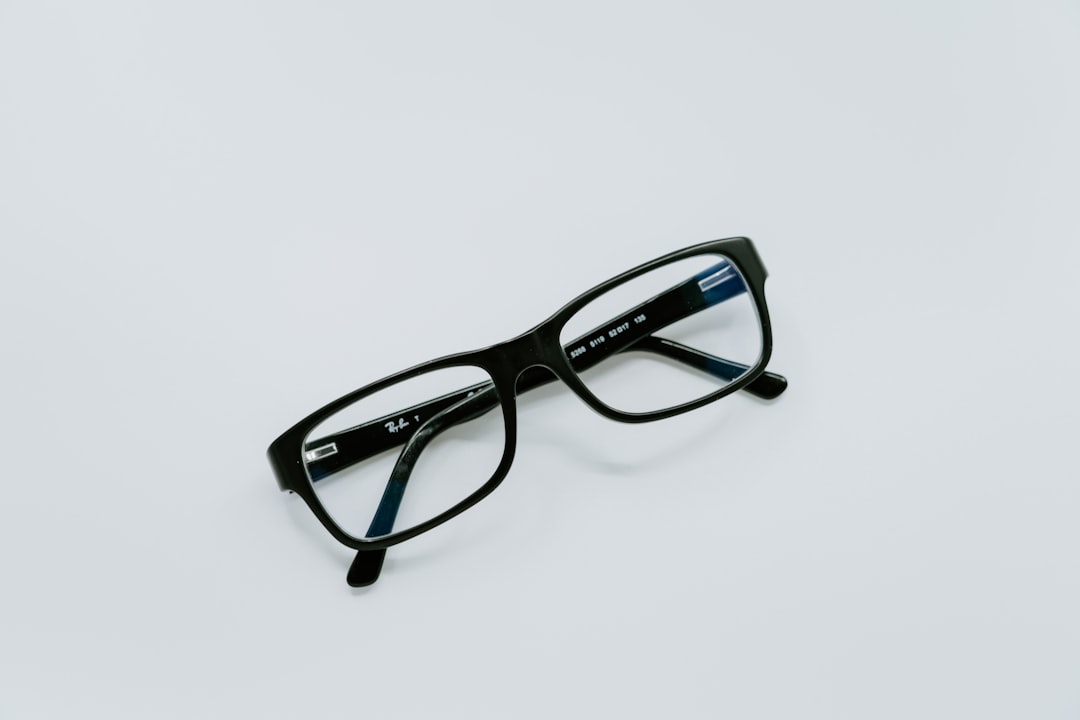
The Role of Style in Smart Eyewear: Enhancing the Everyday Experience
Smart eyewear is often framed as a tech story — sensors, AR, heads-up notifications — but the devices that win mainstream adoption do more than compute: they make a style statement. This guide unpacks how design and fashion shape the success of smart glasses, how to pick frames that flatter your face and lifestyle, and how brands balance technology and aesthetics to enhance everyday life.
1. Why Style Matters in Smart Eyewear
Perception drives adoption
People decide in seconds whether a wearable feels 'for them'. Smart eyewear that looks like traditional eyewear reduces friction and stigma. Beyond function, style signals identity — a simple design decision can make a device feel premium, discreet, playful, or professional. Recent industry analysis of digital consumer behavior highlights that creators and brands must align product form with lifestyle cues; for a broader view of those shifts see Digital Trends for 2026: What Creators Need to Know.
Fashion as a utility layer
When eyewear is fashionable, it extends the product's useful life. Consumers keep and wear stylish glasses more often, which improves engagement with the device's smart features. That loop — style enabling utility — is why many makers invest as much in frames as in chips and software.
Brand trust and first impressions
First impressions in retail are visual. Packaging and unboxing can reinforce style and quality; transforming e‑commerce packaging into a trust builder is discussed in our analysis of fulfillment and packaging best practices at Transforming E-commerce Packaging.
2. Design Principles That Make Smart Eyewear Stylish
Proportion and silhouette
Classic design rules still apply: balance the lens size, bridge width, and temple length to the intended aesthetic. Minimalist silhouettes favor slim temples to hide sensors; bolder frames can use visible tech as a design element. Understanding proportion reduces the 'gadget' look and creates a style-first product.
Material choices and texture
Frames communicate quality through material: titanium screams precision and lightness, acetate suggests handcrafted fashion, and recycled polymers speak to sustainability. Material selection directly affects weight, tactile feel, and how tech components are integrated without compromising design. For a deep look at ethical sourcing in luxury accessories, see our piece on jewelry sourcing at How Ethical Sourcing Can Transform the Future of Emerald Jewelry — many lessons translate to eyewear materials strategy.
Color, finish, and recognizable cues
Color palette and finishes create emotional cues. Matte black or brushed metal reads technical and discreet; tortoiseshell and warm tones signal heritage fashion. Small recognizable cues — a signature hinge, a colored temple tip — create brand recall while supporting functional requirements like antennae placement.
3. Face Shape and Fit: The Foundation of Stylish Wearability
Matching frames to face shapes
Choosing frames that flatter your face is as important for smart eyewear as for regular glasses. Oval faces are versatile, round faces gain definition from angular frames, square faces benefit from softer curves, and heart-shaped faces look balanced with lower-set temples. Practical guides on fit can be paired with virtual try-ons to reduce buyer uncertainty — for tips on improving mobile experiences for that try‑on flow, see The Future of Mobile Experiences.
Frame dimensions and tech placement
Smart modules and batteries require space. Good design hides those elements in thicker temples or behind decorative features without changing the external silhouette. When trying devices, pay attention to temple width, nose pad adjustability, and head hug — those determine comfort during all-day wear.
Virtual try-on and measurement accuracy
Virtual try-on technology reduces fit uncertainty, but accuracy varies across providers. Test the same frame in multiple lighting conditions and capture frontal and profile views. Retailers are increasingly combining virtual try-on with measurement guides; learn how user interactions are being innovated with AI-driven chat and integrations at Innovating User Interactions.
4. Materials, Manufacturing, and Sustainability
Trade-offs between durability and weight
Lightweight alloys and carbon fiber reduce fatigue but typically raise costs. Acetate offers bold color options and repairability. When selecting smart eyewear, weigh the importance of all-day comfort against potential fragility — enterprise-focused models prioritize durability differently than fashion-forward consumer models.
Sustainable materials and consumer expectations
Sustainability is no longer niche; consumers expect transparency about sourcing. Brands that use recycled metals or bio-acetate can highlight lifecycle benefits to appeal to eco-conscious buyers. Our coverage of ethical sourcing in accessories provides frameworks that fit eyewear production decisions: How Ethical Sourcing Can Transform the Future of Emerald Jewelry.
Quality control and post-sale support
Quality matters for both fashion perception and long-term functionality. Clear warranty terms, spare-part availability, and easy returns turn early adopters into long-term customers. Packaging that protects delicate tech and reinforces quality is a component of building trust; read about proven packaging strategies at Transforming E-commerce Packaging.
5. Integrating Technology Without Sacrificing Aesthetics
Low-visibility hardware integration
Embedding microphones, tiny speakers, and sensors within temples preserves the frame profile. Designers often distribute components to avoid bulges: a small camera in the bridge, a speaker perforated into the temple, and a battery tucked into the rear temple tip. The goal is an invisible tech story.
Modular and removable elements
Modular attachments let users choose features. Swap-in modules for fitness sensors or sun-shade lenses keep the base frame stylish. Modularity also aids repairs and upgrades — a useful business model for retailers and brands aiming for longevity.
Privacy, data, and user control
Smart eyewear collects sensitive data (audio, location, gaze). Designers must pair hardware with clear UI affordances like visible recording indicators and simple consent flows. Lessons from consumer data protection in automotive tech translate here; see Consumer Data Protection in Automotive Tech for governance insights applicable to eyewear.
6. Styling Smart Eyewear: Lookbooks and Everyday Use Cases
Casual everyday wear
For daily wear, prioritize thin, versatile frames in neutral tones. Look for models where the tech is subtle — this maximizes wear time and integration into existing wardrobes. Many lifestyle brands blend classic designs with discreet tech, reflecting the crossover in consumer expectations discussed in Digital Trends for 2026.
Active and sports contexts
Active wearables require sweat resistance, secure fit, and impact durability. Sport-oriented frames emphasize wrap shapes and grippy temple tips. For a look at how sports technology trends influence wearable design, review Five Key Trends in Sports Technology for 2026.
Professional and enterprise use
Enterprise customers prefer frames that look like executive eyewear. Professional models often accept prescription inserts, support robust connectivity, and include long-life batteries. Adaptive workplaces and collaboration tools influence these requirements; learn how the workplace landscape is changing in Adaptive Workplaces and Meta Workrooms Shutdown: Opportunities for Alternative Collaboration Tools.
7. How Retailers Can Present Smart Eyewear as a Style Statement
Visual merchandising and storytelling
Position smart eyewear alongside fashion categories rather than only in electronics. Curate lookbooks, lifestyle photography, and influencer collaborations that show frames in real outfits. Narrative matters: tell a story about craftsmanship and lifestyle, not just specs.
Customer education and interactive tools
Include clear content on fit, lens options, and tech features. Use interactive product pages with AR try-on and lenses simulator. Content strategies must adapt to new search behaviors — including zero-click trends — so optimize for structured data and feature snippets; explore content adaptation strategies at The Rise of Zero-Click Search.
Post-purchase support and returns
Offer extended try-on periods, easy returns, and straightforward lens remakes. A transparent fulfillment and returns policy reduces buyer anxiety and increases conversion rates; read practical fulfillment lessons in our supply chain case study at A Clearer Supply Chain.
8. Comparing Smart Eyewear Categories (Design vs Tech)
How to use the comparison table
Below is a practical table comparing five common smart eyewear archetypes. Use it to match your priorities — fashion versus utility, battery life, and price — when buying.
| Category | Design Focus | Typical Price Range | Key Tech | Best For |
|---|---|---|---|---|
| Fashion-Forward | High-style frames, visible finishes | $200–$700 | Notification HUD, basic audio | Everyday wear, social settings |
| Active/Sport | Wrap, grippy temples, durable | $150–$500 | Fitness sensors, GPS | Running, cycling, outdoor use |
| Enterprise | Conservative, professional look | $400–$1200 | AR overlays, long battery, security | Fieldwork, logistics, remote assistance |
| Budget Smart | Simple frames, compact tech | $80–$250 | Audio, basic notifications | First-time buyers, gifting |
| Luxury/Designer | Crafted materials, limited runs | $600–$2000+ | Premium audio, bespoke finishes | Collectors, fashion-conscious buyers |
9. Buying Guide: Practical Steps to Choose Stylish Smart Eyewear
Step 1 — Define your primary use
Ask whether you want the device for notifications, audio, AR overlays, fitness tracking, or as a fashion accessory. Your priority determines acceptable trade-offs for battery, weight, and cost. For example, enterprise AR needs differ from daily audio wearables; reports on workplace tech shifts help contextualize that at Adaptive Workplaces.
Step 2 — Check fit and prescription options
Confirm whether frames support prescription lenses if needed. Measure your PD and temple length and use virtual try-on tools. For retailers, optimizing mobile detection and scan flows is essential — learn more about mobile optimization at The Future of Mobile Experiences.
Step 3 — Compare warranties, returns, and upgrades
Choose sellers with clear returns, accessible repairs, and software update policies. Smart eyewear benefits from long-term support; consider brands that treat packaging and returns as part of customer experience: Transforming E-commerce Packaging covers many related trust-building tactics.
10. The Future: How Fashion Trends and Tech Converge
Edge compute and smarter, smaller hardware
Investment in edge silicon and AI accelerators is driving powerful capabilities into ever-smaller form factors. Industry moves like the Cerebras IPO underscore investor attention to specialized chips that will make low-latency AR and on-device AI more feasible: see Cerebras Heads to IPO.
New business models: ad-supported and subscription hybrids
Monetization for smaller-margin fashion eyewear may shift toward ad-supported features or subscriptions for advanced AR content. For trends in ad-supported electronics and retailer opportunities, read The Future of Ad-Supported Electronics.
Cross-industry influence and collaboration
Design teams are borrowing cues from automotive luxury, footwear, and even smart home aesthetics. The integration of smart home cues into personal tech (e.g., voice, consistent interaction metaphors) reflects wider smart-device convergence like robotic home devices; see how smart home investments shape consumer expectations in The Roborock Qrevo Curv 2 Flow.
11. Putting It All Together: Case Studies and Examples
Case — A fashion brand enters wearables
A mid-size eyewear label launched a limited smart frame line focusing on boutique finishes and minimal HUD features. Their success came from aligning retail storytelling, influencer lookbooks, and premium packaging — a strategy mirrored in effective e-commerce packaging techniques at Transforming E-commerce Packaging.
Case — An enterprise rollout for remote support
An industrial firm adopted AR-enabled frames for field technicians. Designers prioritized discreet looks to ensure acceptance among workers and implemented robust data controls informed by consumer data protection principles akin to those in automotive tech: Consumer Data Protection in Automotive Tech.
Actionable checklist
When planning a purchase or product launch, use this quick checklist: define the primary user, choose materials aligned with brand values, prototype with real users to refine fit, document privacy practices, and design packaging that reinforces the product story. For guidance on customer experience enhancements with AI and services, see Leveraging Advanced AI to Enhance Customer Experience.
12. Conclusion: Style Is the Gateway to Utility
Smart eyewear that succeeds combines aesthetic intention with technical excellence. Style is not decoration — it's the gateway to daily adoption. Brands and shoppers who prioritize fit, finish, and narrative will find smart eyewear that truly enhances day-to-day life. To understand how creators will need to adapt distribution and marketing for these products, consider broader shifts in digital brand interaction at The Agentic Web and content strategy changes driven by search behavior at The Rise of Zero-Click Search.
FAQ
How do I know if smart eyewear will fit my prescription?
Check manufacturer specs for prescription compatibility (e.g., whether lenses can be swapped, supported PD range, and lens thickness limits). Many retailers provide lens replacement services — confirm turnaround times and return policies before purchase.
Are smart glasses safe for privacy?
Safety depends on hardware indicators (visible recording lights), on-device processing (minimizes cloud exposure), and clear privacy policies. Look for transparent data policies and local data controls. Lessons from other sectors on data protection are instructive: Consumer Data Protection in Automotive Tech.
Which face shapes suit smart eyewear?
Classic guidelines apply: oval faces suit most shapes, round faces benefit from angular frames, square faces soften with rounder lenses, and heart-shaped faces balance with lower temples. Virtual try-on tools improve confidence; learn about mobile optimizations that help these tools at The Future of Mobile Experiences.
Will smart eyewear go out of style quickly?
Designs that follow timeless proportions and use quality materials age better. Modular tech also helps because you can upgrade features without replacing the frames. Look for brands offering replacement modules and good repair policies.
What should retailers highlight to sell smart eyewear?
Focus on fit, styling cues, lifestyle photography, clear tech explanations, and trust signals (warranty, returns, privacy). Combining fashion positioning with technical specs and a strong unboxing experience increases conversions — see our coverage of packaging and trust at Transforming E-commerce Packaging.