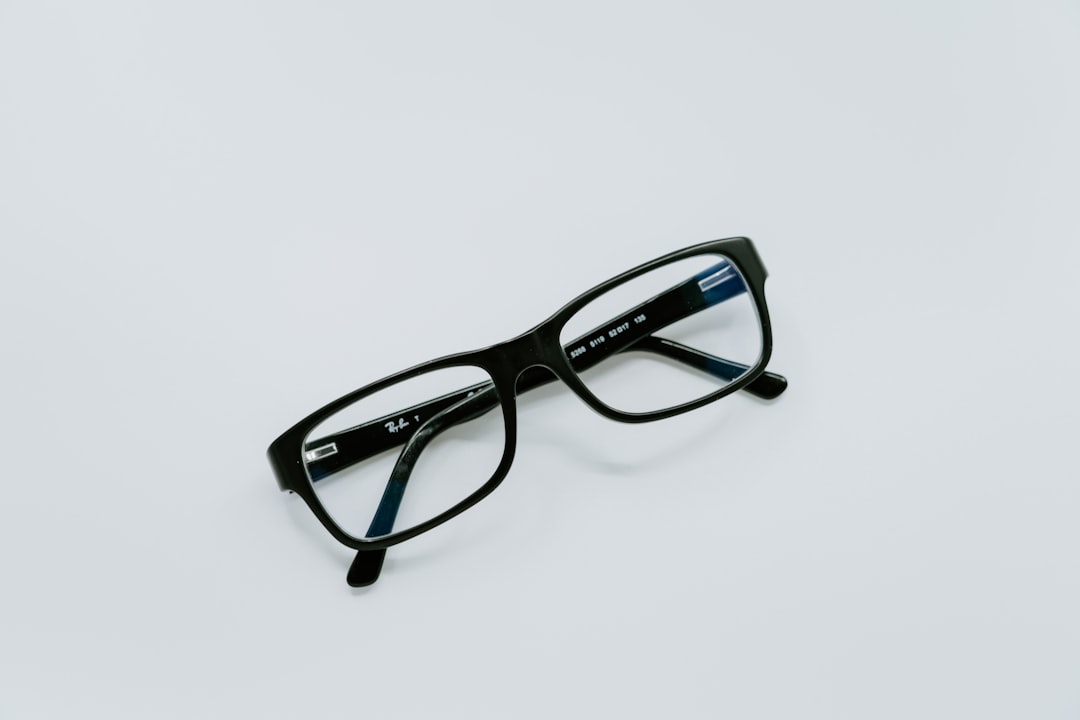
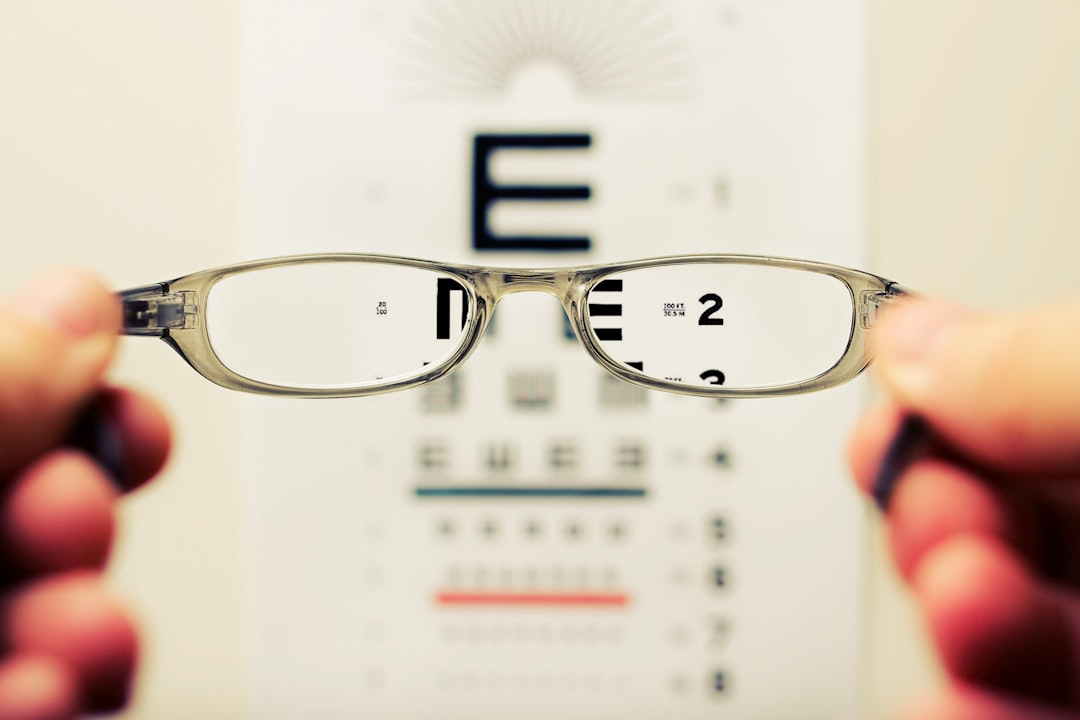
Whether you’re a weekend trail runner, a surfer chasing dawn swells, a commuter juggling bike and train, or someone who simply wants glasses that won’t fail mid-workout, the right eyewear transforms activities. This guide pairs practical fitting advice with modern, portable solutions so eyewear supports every stage of your day—preparation, performance, travel, and recovery. Along the way you’ll find actionable fitting guides, style tips for face shapes, and resources to shop online with confidence.
For context on how e-commerce is reshaping what shoppers expect from product pages and fulfillment, see our primer on the future of e-commerce. If you travel a lot with your gear, our note on saving on travel gear offers packing strategies that work for eyewear too.
1. Why eyewear matters for active lifestyles
Vision protection and performance
Good eyewear is the first line of defense for your eyes. For athletes, sunglasses reduce glare and improve visual contrast—meaning faster reads of terrain and fewer missed obstacles. Prescription active lenses correct vision while maintaining peripheral awareness. Choose lenses with adequate coverage and impact resistance (polycarbonate or Trivex) so your glasses can take a hit without sacrificing sight.
Comfort over long days
If frames pinch on the bridge or slip down your nose when you sweat, you’ll be adjusting them constantly—losing focus and comfort. Proper temple length, a correct bridge fit, and lightweight materials (TR-90, nylon) keep glasses stable across activities from weight training to trail runs. For real-world recovery and how movement affects the body after injury or rigorous activity, check rejuvenation techniques from sports recovery studies.
Safety in varied environments
Outdoor environments have specific demands: water reflects light differently than pavement; snow amplifies UV exposure. Your eyewear should be selected to match those environments—for example, wrap frames for wind protection and polarized lenses for reflective surfaces. For seaside events and beach sports, we recommend designs based on practical needs detailed in beachside sports planning.
2. Match frames and lenses to your activities
High-impact sports (mountain biking, racquet sports, skiing)
Prioritize wraparound frames with full coverage, impact-resistant lenses (polycarbonate or Trivex), and secure temple grips or adjustable straps. Photochromic or quick-change lens systems let you adapt to changing light. For inspiration from extreme-sport athletes and gear choices, see coverage of the X Games athletes and outdoor-adventure setups.
Water and snow (surfing, sailing, skiing)
Polarized lenses dramatically reduce glare off water and snow, improving visibility and safety. Hydrophobic and anti-fog coatings help maintain clear vision during rapid temperature changes or heavy exertion. If you’re planning trips or events where conditions change quickly, our travel planning resource travel by the stars offers logistics lessons—useful when coordinating gear for a big race or multi-day trip.
Urban commuting and casual active days
For daily use—cycling to work, walking the dog—look for lightweight frames with a moderate wrap to block wind and dust. Consider coatings that resist smudges and easy-clean lens technology. If your routine blends fitness and errands, packable frames and a slim case make transitions effortless; learn packing hacks in our travel gear savings guide.
3. Frame fit fundamentals: shape, size, and adjustment
Understand face shapes and what flatters them
Face shape isn’t a trend—it’s a tool. Oval faces are versatile; square faces benefit from rounder frames to soften angles; round faces often gain structure from angular frames; heart-shaped faces look balanced with wider-bottom frames. For a visual, practical approach to pairing frames and faces, consult our detailed style guides and head-to-head comparisons of silhouettes.
Measure for bridge width, PD, and temple length
Accurate measurements prevent sliding, pinching, or peripheral misalignment. Your pupillary distance (PD) ensures optical centers match your eyes. Temple length secures frames behind the ears without discomfort. Many retailers now include step-by-step PD guides and virtual measurement tools—technology that’s increasingly accessible as platforms adapt; see how no-code and simplified tech have expanded consumer tools in no-code solutions for tech.
Adjustability matters: nose pads and temple grips
Small adjustments can hugely affect comfort. Adjustable nose pads allow fine-tuning for bridge fit; rubberized temple tips and internal grips keep frames stable with sweat. If frames aren’t adjustable, choose flexible materials (TR-90) or designs with built-in non-slip features.
4. Lens choices: what to choose and when
Polarized vs. non-polarized
Polarized lenses reduce reflective glare and are preferred for water, driving, and snowy conditions. They can slightly alter perception of LCD screens, so if you rely on digital displays during activity, test polarization first. For everyday outdoor wear, polarized is often a net-positive for comfort and safety.
Photochromic (transition) lenses
Photochromic lenses darken outdoors and lighten indoors—ideal if you move frequently between environments. Advanced photochromic chemistry now reacts faster and reaches darker states even in extreme cold. Pair them with polycarbonate for impact resistance on active days.
Prescription, progressives, and blue-light options
Progressive lenses offer seamless vision at multiple distances but require precise fitting and larger frames for comfort during dynamic activities. Blue-light coatings help with screen time before bedtime but are secondary for outdoor sports. After purchase, understanding returns and exchanges for prescription errors is essential; our guide on post-purchase care and returns explains how to navigate replacements efficiently.
5. Materials and build quality: what lasts
Frame materials: TR-90, nylon, acetate, metal
TR-90 and nylon are flexible, lightweight, and resistant to breakage—great for sports. Acetate provides color and style but can be heavier. Metal frames lend a refined look but must be engineered for elasticity to avoid bending out of shape during activity. Match material to activity: TR-90/nylon for high-impact and acetate for low-intensity, style-first uses.
Lens materials: polycarbonate, Trivex, glass
Polycarbonate and Trivex are impact-resistant and lightweight, the leading choices for active eyewear. Glass has superior optical clarity but is heavier and more prone to shattering—less ideal for high-impact sports. Many sport frames are optimized around polycarbonate/Trivex for durability and safety.
How quality reaches you: supply chain and transparency
Materials are only as good as manufacturing and quality control. Retailers investing in supply chain transparency often produce more consistent eyewear. Read about how supply chains shape product reliability in global supply chain insights. Likewise, brands using AI and analytics to monitor quality and delivery can reduce defects—see perspectives on AI-driven supply-chain transparency.
6. Portable solutions: packable frames, clip-ons, and quick-change systems
Foldable and compact frames
For travel or gym bags, consider frames designed to fold into compact cases. Foldable hinges paired with durable materials give you a reliable backup pair without bulk. Practical packing approaches are covered in our travel gear savings piece saving on travel gear.
Clip-on sunglasses and magnetic systems
Clip-ons and magnetic sunglass attachments let you convert prescription glasses into sunglasses instantly. They’re especially helpful for multi-day adventures where carrying a second full pair is impractical. Magnetic quick-change systems today are more secure and sleeker than older clip-on designs.
Neck straps, floating cords, and slim cases
Don’t underestimate simple accessories. Floating cords prevent loss in water or wet conditions; silicone straps add a secure hold during sprints. For daily commuters, a slim case that fits into a jacket pocket keeps glasses scratch-free without extra luggage. Tips for packing and event prep translate to eyewear storage—see logistics ideas in travel event planning.
7. Buying online with confidence: virtual try-on and measurements
How virtual try-on works and best practices
Virtual try-on tools use augmented reality (AR) to overlay frames on your live camera or a photo. For the most accurate results: use neutral lighting, hold your head straight, and follow the tool’s measurement prompts. The rise of accessible tech tools—enabled by simplified development workflows—has expanded these features; learn how no-code platforms are driving such consumer tech forward.
Uploading prescriptions and verifying PD
Scan or photograph your prescription to upload, and use retailer PD guides or ask your optician. Some retailers offer in-home measurement kits or virtual verification with live staff. Smooth payment and checkout experiences matter—if a site’s payment UX is clunky, you could abandon a completed fit; insights on payment design are available in navigating payment frustrations.
Return windows, warranties, and post-purchase care
Buying online requires trust: confirm return policies, warranty lengths, and whether prescription remakes are covered. Our detailed guide to returns and care explains the steps to speed exchanges and minimize downtime: post-purchase care and exchanges.
8. Caring for active eyewear: cleaning, repairs, and longevity
Daily cleaning and storage
Rinse off salt, sand, or sweat after outings. Use a microfiber cloth and lens cleaner or mild soap with water. Avoid leaving glasses on car dashboards where heat can warp frames and coatings. For winter sports, wipe lenses gently to avoid abrasive scratches from thawing ice or snow.
When to repair vs. replace
Tighten screws and replace nose pads when possible—these small fixes often restore function. If lenses are deeply scratched or frames are bent past adjustment, replacement may be safer and more economical. Plan purchases around seasonal needs (e.g., buying winter-specific lenses before snow season); seasonal prep tips are in winter preparedness.
Warranty expectations and quality checks
Look for impact warranties, satisfaction guarantees, and clear coverage of coatings. If shopping during sales, remember lessons from Black Friday mistakes: some deep discounts reduce return flexibility—read policy details before checkout.
Pro Tip: If you alternate indoor screen time with outdoor activities, keep a second pair with photochromic or clip-on polarized lenses to minimize lens swaps during the day.
9. Style guides by face shape and activity
Round faces
Choose angular frames to add definition. For active days, look for lightweight, slightly wider frames to balance proportions and ensure coverage. Hybrid sport-casual frames can bridge function and fashion for all-day wear.
Square faces
Softer, rounder shapes reduce angular contrast. Thin metal or rimless sport frames often work well; they keep the look open while providing function for cycling or racket sports. Consider mirrored or gradient tints for added visual interest.
Heart-shaped and oval faces
Heart-shaped faces benefit from bottom-heavy frames; oval faces have the most flexibility. For travel and adventure, pick frames that are easy to pack and won’t distort facial balance when wearing helmets or caps.
10. Comparison table: best options for active lifestyles
| Type | Best for | Lens | Material | Pros | Cons |
|---|---|---|---|---|---|
| Wrap Sport Sunglasses | Mountain biking, running, skiing | Polarized / Polycarbonate | Nylon / TR-90 | High coverage, impact resistant, stays put | Less stylish for office wear |
| Aviator / Casual Sunglasses | Commuting, driving, casual outdoor | Polarized or mirrored | Metal / Acetate | Classic style, good for everyday | Less impact resistant |
| Photochromic Prescription | All-day transition indoors/outdoors | Photochromic / Trivex | Acetate / TR-90 | Single pair for multiple conditions | Slower darkening in some temps |
| Clip-on Sunglasses | Travel, unpredictable light | Polarized clip-on | Varies (attaches to prescription frames) | Compact, cost-effective | May reduce optics quality if misaligned |
| Photochromic Sport Lenses | Trail running, multi-environment sports | Fast-acting photochromic / Polycarbonate | Nylon / TR-90 | Adapts to light, impact resistant | Costlier than basic lenses |
11. Practical buying checklist
- Confirm your prescription and PD—measure again if you’re uncertain.
- Choose lens material based on impact resistance (polycarbonate/Trivex for sports).
- Match frame shape to both face and activity (wrap for sports, classic for commuting).
- Check return windows and warranty coverage before purchase.
- Invest in a slim, protective case and a floating strap if you’re near water.
12. Frequently Asked Questions
How do I measure pupillary distance at home?
Stand in front of a mirror with a ruler and measure the distance between the centers of your pupils in millimeters. Many retailers provide video guides or virtual measurement tools for accuracy. If unsure, ask your optician for a printed PD.
Are photochromic lenses good for skiing?
Yes—photochromic lenses help when you move between shaded runs and bright open slopes. Look for darker activation ranges and pair with an anti-fog treatment for cold-weather performance.
Can I get prescription lenses for wrap frames?
Some wrap frames accept prescription lenses, but progressive prescriptions may be limited by lens curvature. Check frame specifications and optician guidance. If optics are critical, choose frames explicitly designed for prescriptions.
How should I store eyewear while traveling?
Use a hard or semi-hard case to prevent crushing. Consider a microfiber sleeve inside luggage to avoid scratches. For water activities, use floating straps to prevent loss.
What should I do if my lenses fog during exercise?
Apply an anti-fog coating or cleaner, ensure proper ventilation, and avoid sealing frames too tightly against your face. Lightweight vents or using frames with a small gap near the cheek can help.
13. Smart shopping strategies and deals
Timing purchases
Buy seasonally: secure winter lenses before snow season and polarized lenses before summer. Beware of steep sales that limit returns—our lessons from Black Friday missteps apply: read return fine print before buying.
Using social platforms for deals
Platforms like TikTok can surface deals—but practice due diligence on seller reputation and return policies. For tips on safe social shopping, see how to secure TikTok shopping deals.
Bundle and warranty offers
Consider bundled offers that include a second pair, a sport strap, or an extended warranty—these often deliver the best long-term value for active users. If you’re buying for events or sport seasons, incorporate packing and logistics advice from event travel guides like travel by the stars.
14. Real-world case studies and user stories
Trail runner: switching to Trivex and wrap frames
A trail runner switched from glass lenses to Trivex with a wrap frame and saw a measurable drop in glare-related hesitation on technical terrain. Their packable backup pair saved the day during a multi-day event—packing strategies echo findings in our travel gear article saving on travel gear.
Commuter cyclist: clip-ons and slim cases
A daily commuter opted for a prescription frame with a polarized magnetic clip-on and a slim, shielded case. The solution balanced office style with sun protection during rides—an approach recommended for mixed urban-active lifestyles.
Adventure traveler: quick-change systems
An adventure traveler used a magnetic quick-change frame and swapped lenses for beach, hiking, and night driving conditions—reducing the need to carry multiple full pairs and minimizing luggage space.
15. Final checklist and next steps
Start by listing your primary activities and the top three features you need (e.g., polarization, impact resistance, lightweight). Use virtual try-on to shortlist 3–5 frames, verify PD and prescription compatibility, and confirm return policies before purchase. For broader product and fulfillment expectations shaped by e-commerce trends, revisit e-commerce influences.
For a deeper dive into aftercare and handling exchanges, consult our returns guide at post-purchase care. If you’re planning to optimize tech and UX when shopping, review payment experience insights at navigating payment frustrations. Ready to shop? Keep this guide’s checklist handy, choose one travel-friendly portable solution, and prioritize secure fit over fashion for active days.
Related Reading
- The Emotional Connection - How storytelling builds trust—useful for choosing brands you’ll rely on.
- Eco-Friendly Purchases - Tips for choosing sustainable gear that still performs.
- Generative Engine Optimization - Insights into long-term product information quality online.
- Teledermatology - When skin and sweat interact with frame materials, know your care options.
- Hunter S. Thompson - A cultural read on risk, style, and outdoor life.