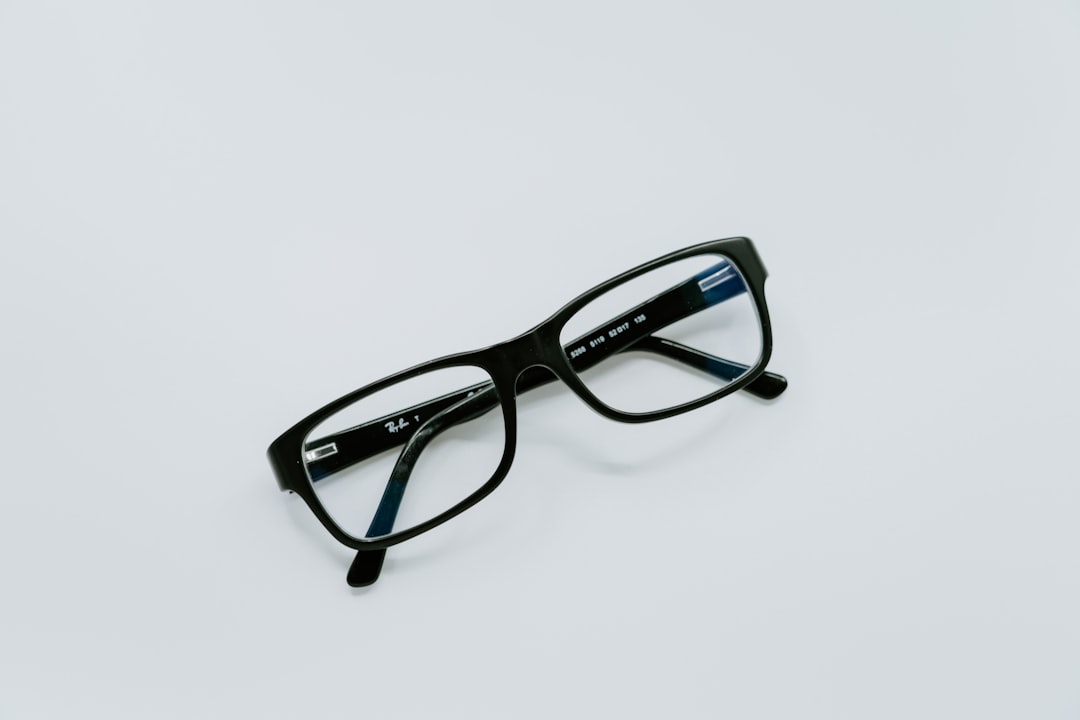
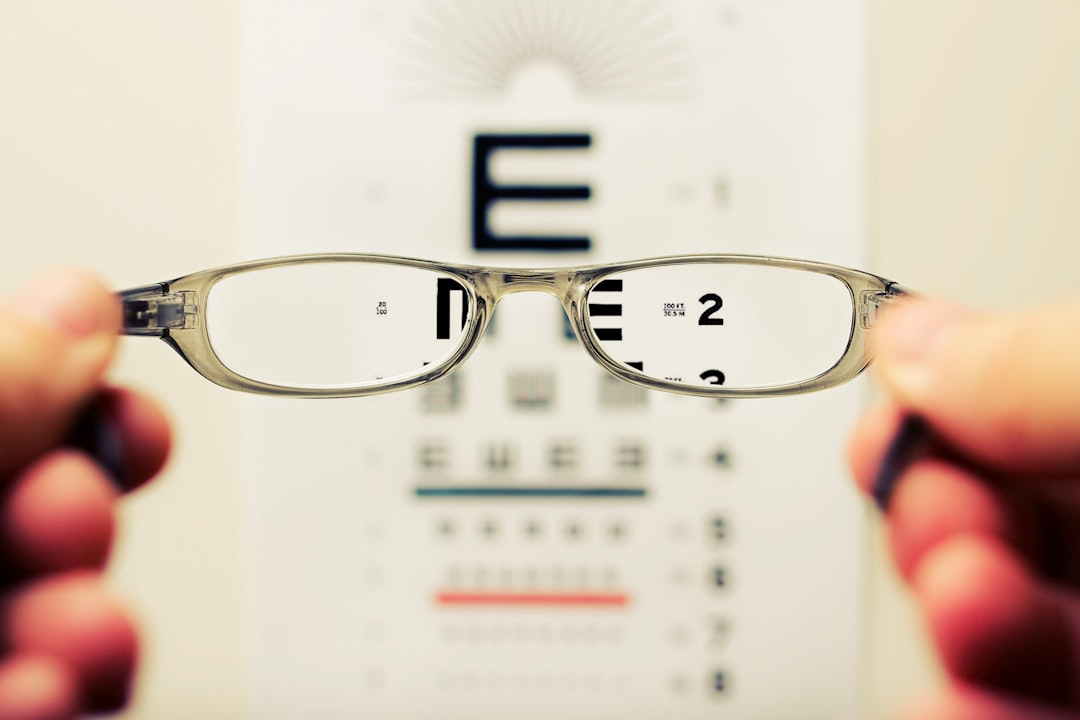
Blue light glasses have become one of the most talked-about eyewear categories for people who spend hours on screens. The pitch is simple: reduce discomfort, improve comfort, and make long work or study sessions easier on the eyes. But like most popular wellness products, the truth is more nuanced than the marketing. If you want the practical version, the best place to start is understanding what digital eye strain really is, what blue light glasses can and cannot do, and how to choose frames and lens treatments that actually fit your routine. If you are shopping online, it also helps to compare options like prescription glasses online, virtual try-on glasses, and affordable glasses so you can balance comfort, style, and value without overpaying.
For many shoppers, the question is not whether blue light exists, but whether filtering it makes a meaningful difference in daily comfort. That matters most for people who work on laptops, students who study late, parents choosing kids eyeglasses, and anyone comparing options for women's frames or men's eyewear. In this guide, we will break down the evidence, explain who may benefit most, and show you how to shop smarter for lenses, coatings, and fit.
1. What Blue Light Glasses Actually Do
Blue light in context: screens, sunlight, and daily exposure
Blue light is a high-energy visible light that exists naturally in sunlight and artificially in LEDs, phone displays, laptops, and TVs. The amount of blue light from screens is much lower than what you get outdoors, but screen use often happens at close range and for long periods, which is why people notice discomfort. The issue is usually not that blue light is “damaging” in typical use; it is that long screen sessions can be visually demanding, especially when the display is bright, the text is small, or the environment has glare. That is why a thoughtful lens package often includes an anti-reflective coating rather than relying on blue-light filtering alone.
What lenses can filter—and what they cannot
Blue light glasses may reduce a portion of the blue wavelengths reaching your eyes, depending on the lens design. Some are nearly clear with a subtle tint, while others have a stronger amber hue and filter more visibly. However, filtering blue light does not automatically solve problems caused by dry eyes, poor posture, tiny fonts, glare, or uncorrected prescription needs. If you have headaches after reading or your eyes feel tired after a workday, the fix may be a combination of proper prescription, anti-reflective treatment, screen setup, and better break habits. In other words, blue light filtering is one tool in the comfort toolbox, not a universal cure.
Why the category became popular
The popularity of blue light glasses came from a real user pain point: more people are spending more time on digital devices than ever before. Office workers often jump from video calls to spreadsheets to messaging apps without a lot of visual rest, while students alternate between lectures, notes, and online research. For those users, even a small comfort improvement can feel worthwhile because the discomfort is repeated every day. If you are comparing eyewear as part of a broader digital lifestyle upgrade, guides like computer glasses and blue light glasses can help you understand the differences between lens families before you buy.
2. What the Research Says About Digital Eye Strain
Evidence on symptoms: helpful for comfort, limited for prevention
Research on blue light glasses has generally found mixed or limited evidence that they significantly reduce digital eye strain for everyone. Some people report subjective comfort improvements, especially when wearing them in the evening or during long sessions, but that does not mean the benefits come from blue light filtering alone. In many studies, simple anti-reflective lenses or better visual corrections perform just as well, because they reduce glare and visual effort. The practical takeaway is that if your goal is less fatigue, you should prioritize the full lens package and not just the blue-light label.
What symptoms are most common in screen users
Digital eye strain can include dry eyes, blurry vision, burning, headaches, and a heavy or tired feeling around the eyes. These symptoms are often linked to reduced blinking during screen use, poor ergonomics, and focal stress from long close-up work. That is why a student studying for exams may benefit more from a proper prescription and an anti-reflective coating than from a heavily tinted lens. Likewise, a remote worker using multiple monitors may need better viewing distance and font scaling before blue light filtering becomes noticeable.
Why expectations matter
If you buy blue light glasses expecting them to eliminate all screen discomfort, you may be disappointed. But if you see them as one component of a comfort-focused setup, they can still be worthwhile, particularly when paired with the right frame and lens type. A good analogy is buying an ergonomic chair: the chair helps, but only if your desk height, monitor position, and posture are also reasonable. That same systems thinking appears in other buying decisions too, like why anti-reflective coatings matter and how to choose lenses, where the best outcome comes from matching specs to real-life use.
3. Who May Benefit Most From Blue Light Glasses
Heavy screen users and remote professionals
If your day is dominated by laptops, tablets, and phones, you are the most obvious candidate for blue light glasses or, more broadly, computer glasses. People in finance, customer support, design, software, and content roles often stare at screens for hours with minimal breaks, so even modest glare reduction can feel helpful. The most important question is whether your current glasses already correct your vision accurately and whether your lenses reduce reflections. If not, an upgrade may be more effective than buying a standalone “blue light” pair.
Students, teens, and late-night study routines
Students are another group that may appreciate the comfort of blue light filtering, especially when they study at night under artificial light. The benefit is often less about eye health and more about perceived visual ease during concentrated close work. For parents shopping for kids eyeglasses, the bigger decision is usually durability, fit, and lens safety, with blue light options considered as an add-on rather than the main event. If the child already needs prescription lenses, comfort and good vision correction should come first.
People sensitive to glare or evening brightness
Some people simply dislike harsh screen light, especially in dark rooms or while reading in bed. For that group, lightly tinted or blue-blocking lenses can improve subjective comfort, even if the scientific effect is modest. You may also benefit if you experience frequent reflections from overhead lights or glossy screens, since the best “blue light” experience often comes from pairing filtering with an anti-reflective coating. In practice, many customers feel better with the right coating than with a strong tint.
4. How Blue Light Glasses Compare to Other Lens Options
Blue-light filtering vs anti-reflective coating vs prescription correction
These features solve different problems. Blue-light filtering changes the light spectrum reaching the eye, anti-reflective coating reduces glare and reflections, and prescription correction fixes focus and clarity. If your headaches come from squinting at a blurry screen, the prescription is the true fix. If the discomfort comes from reflections and visual noise, anti-reflective lenses may give you the largest comfort lift. That is why shoppers should compare lens bundles, not just branding claims, when browsing prescription glasses online.
Computer glasses and occupational lenses
Computer glasses are designed specifically for intermediate viewing distances, which is where many screen users spend most of their time. These lenses can be customized for your desk distance and may reduce strain more effectively than standard single-vision glasses if your everyday work setup is close-range heavy. They are especially useful for office workers over 35 who notice more fatigue after long sessions, because the eyes may need more help focusing comfortably at near distances. If that sounds familiar, review options like computer glasses and compare them with your everyday prescription.
When a simple lens upgrade beats a blue-light lens
Many shoppers assume they need a special blue-light lens, but often the better value is a high-quality clear lens with premium coating. That approach can preserve color accuracy, reduce glare, and keep the look more natural. It is especially appealing if you want eyewear that doubles for work and social settings, such as versatile women's frames or classic men's eyewear. If you are style-conscious, use virtual try-on glasses to see how the frame looks before deciding on a lens upgrade.
5. How to Choose the Right Frame for Comfort and Style
Frame shape, face shape, and all-day wear
Comfort is not just a lens issue; frame geometry matters a lot. A frame that pinches at the temples, slides down the nose, or sits too close to your lashes will become annoying no matter how good the lens is. For rounder faces, angular frames can add definition, while softer shapes may balance sharper features. If you are shopping by style, the categories at women's frames and men's eyewear can make browsing easier, but fit should always be the final test.
Material matters more than many people think
Lightweight acetate, flexible TR90, and metal frames each create a different wearing experience. If you wear glasses all day, a lighter frame can reduce pressure behind the ears and across the bridge of the nose. If you have a child, durability may be the first priority, which is why kids eyeglasses often emphasize impact resistance and secure fit. The best frame is the one you forget about while wearing it.
Using virtual try-on to reduce uncertainty
Online eyewear shopping used to feel risky because shoppers had to guess how a frame would look. Virtual tools now make it much easier to compare bridge width, lens size, and style proportions before checkout. That matters if you are choosing a more fashion-forward pair or narrowing down several options for everyday use. Before you commit, use virtual try-on glasses to compare shapes side by side and make sure the frame supports your actual use case, not just the product photo.
6. Lens Features That Improve Screen Comfort
Anti-reflective coating is often the unsung hero
If you work under bright lights or face a reflective monitor, anti-reflective coating can make a bigger difference than blue-light filtering. It improves contrast, reduces stray reflections, and makes lenses look cleaner on camera, which is useful for meetings and class presentations. A good AR coating also helps other people see your eyes more clearly, which creates a more natural look in conversation. For a deeper comparison, see anti-reflective coating and compare it with blue light glasses before deciding which matters more.
Prescription accuracy and working distance
If your prescription is outdated, your eyes may be overworking every time you look at a screen. That can make even a premium lens feel uncomfortable because the core problem is blurred or strained vision. If you spend most of your day at a computer, ask whether your prescription should be adjusted for your screen distance rather than only for distance vision. Shopping through prescription glasses online is convenient, but the prescription information must be current and entered carefully.
Photochromic lenses, tints, and when not to overdo it
Some users like stronger tints for evening use, but overly dark or amber lenses can interfere with color perception and are not ideal for design, photo editing, or tasks that depend on accurate visuals. If you do a lot of schoolwork or office work, a mild blue-light filter and AR coating are usually more versatile than a dramatic tint. A lighter solution also makes it easier to transition between indoor and outdoor use without feeling like you are wearing specialty gear. For shoppers focused on value, it often makes sense to prioritize function first and then style, especially when browsing affordable glasses.
7. A Practical Comparison: Which Option Fits Your Needs?
Use the table below as a quick decision guide. The “best” option depends on whether your main pain point is glare, prescription blur, long screen sessions, or simply wanting a more comfortable daily pair. In many cases, the highest-value route is a well-fitted frame with accurate prescription lenses and AR coating, with blue-light filtering added if you notice evening discomfort. This is especially true for shoppers comparing computer glasses, blue light glasses, and standard prescription glasses online options.
| Option | Best for | Main benefit | Possible downside | Value score |
|---|---|---|---|---|
| Clear lenses + anti-reflective coating | Most screen users | Reduces glare and visual noise | No blue filtering claim | High |
| Blue light glasses with mild filter | Users sensitive to screen brightness | Possible evening comfort boost | May not outperform AR alone | Medium-High |
| Computer glasses | Desk workers, students, coders | Optimized for screen distance | Less versatile for driving/distance | High |
| Prescription glasses with blue-light coating | Wearers who need vision correction | Combines clarity and filtering | Can cost more than clear lenses | High |
| Strong amber-tint lenses | Evening use, light sensitivity | Stronger blue reduction | Color distortion, less versatile | Medium |
8. How to Shop Online Without Regret
Check your prescription and pupil-centered measurements
Online shopping is convenient, but it works best when your measurements are accurate. Before ordering, confirm your prescription details, pupillary distance if required, and any additions for computer use. Small data errors can turn a great frame into a frustrating pair, especially if you are buying lenses for all-day wear. A well-structured shopping process is similar to the one described in how to choose lenses, where the goal is to match lens type to real-life habits.
Use reviews, specs, and return policies together
The smartest eyewear shoppers do not rely on one product photo or one star rating. They compare materials, hinge design, lens options, and return terms before placing an order. That matters because even affordable eyewear can feel expensive if the frame fit is wrong and you need an exchange. If you want a budget-friendly approach, pair affordable glasses with a careful fit check and a flexible return process.
Think in terms of total value, not sticker price
A slightly more expensive pair can be the better bargain if it includes better coatings, a more durable frame, and a lower chance of discomfort. This is exactly the kind of tradeoff shoppers should make when comparing eyewear with different lens bundles. If the pair will live on your face for eight or more hours a day, then comfort savings matter more than a minor price difference. That is the same logic many people apply when reviewing guides like affordable glasses and virtual try-on glasses before purchasing.
9. Who Should Definitely Consider Blue Light Glasses?
Best-fit candidates
Blue light glasses may be worth considering if you are on screens for long stretches, feel bothered by evening brightness, or simply want a more comfortable visual experience. Students, remote workers, gamers, and people who read on devices at night often fit this profile. They can also make sense for users who already wear prescription lenses and want an added comfort feature without changing their routine. If you are buying for a child, focus first on durability, prescription accuracy, and fit through kids eyeglasses, then decide whether a blue-light treatment is worthwhile.
People who may not need them
If your screen time is light, your current glasses are already comfortable, and you do not feel bothered by glare or evening brightness, blue light lenses may not add much. In that situation, a simple pair of clear prescription lenses with anti-reflective coating may be the most rational purchase. Likewise, if you spend most of your time outdoors or away from digital screens, the category is probably not a priority. It is fine to skip the trend if it does not solve a real problem for you.
How to decide in one minute
Ask yourself three questions: Do I spend a lot of time on screens? Do I feel discomfort, especially from glare or evening brightness? And do I already have the correct prescription? If the answer to all three is yes, blue light glasses or computer-focused lenses are worth evaluating. If the answer is no, you may be better served by a comfortable frame, a quality AR coating, and a strong fit.
10. Buying Advice: What to Prioritize First
Step 1: Fit and prescription
Start with the basics: the frame should fit your face, and the prescription should match your visual needs. Without that foundation, no coating will fully compensate. For shoppers who want confidence before checkout, virtual try-on glasses reduce guesswork and make it easier to compare women's frames and men's eyewear styles. Fit and function are the first filters; aesthetics come next.
Step 2: Coatings and lens package
After fit, evaluate the lens package. For most users, anti-reflective coating is the highest-value comfort upgrade, and blue-light filtering is the optional next layer if evening screen use is a problem. If you are comparing bundles, remember that “more features” is not always better if the lens becomes too tinted or expensive. A good lens should disappear into your day, not become something you constantly notice.
Step 3: Value and long-term wear
Finally, think about how long you will wear the pair and how often you will use them. If you will wear them daily, buying a reliable frame with durable materials and a proven return policy is better than chasing the cheapest possible option. For a broader approach to budgeting and deal hunting, categories like affordable glasses are helpful because they encourage value-first shopping instead of impulse buying. The right pair should fit your budget and reduce friction every time you put them on.
11. Expert Tips for Getting Better Comfort From Any Pair
Use the 20-20-20 rule and adjust your setup
Even the best eyewear cannot fully offset poor screen habits. Look away every 20 minutes, focus on something 20 feet away for 20 seconds, and lower strain by adjusting brightness, text size, and screen distance. This simple routine can reduce discomfort more reliably than changing lens colors alone. If your office or study environment is harshly lit, those setup changes often matter as much as the eyewear itself.
Make lens choice match your actual routine
Someone who works in spreadsheets all day does not need the same lens profile as someone who mostly texts at night. Students, for example, may value all-day clarity and a light frame more than a strong amber tint. A designer may prioritize color accuracy, while a gamer may want reduced glare without major color distortion. This is why product selection should start with use case, not with a trend label.
Don’t ignore cleaning and maintenance
Smudges, scratches, and worn coatings can make any lens feel worse over time. Clean lenses with the right cloth and solution, store them in a case, and inspect the coating periodically if you use the pair every day. A pair that starts out comfortable can lose its benefits if it is abused. This is one reason a durable, easy-to-wear frame is worth a little extra upfront.
Pro Tip: If you are undecided between a blue-light lens and a clear lens with anti-reflective coating, start with the clear AR option. For many shoppers, it delivers the biggest comfort gain without changing color perception.
FAQ
Do blue light glasses really work?
They can help some people feel more comfortable, especially in the evening or during long screen sessions, but research does not show a universal, dramatic reduction in digital eye strain for everyone. In many cases, the comfort benefit comes from anti-reflective coating, better prescription accuracy, or reduced glare rather than blue filtering alone.
Are blue light glasses worth it for students?
They can be, especially for students who study on screens late at night or spend long hours reading online. That said, a proper prescription, a comfortable frame, and glare reduction usually matter more than a strong blue tint. For younger wearers, focus on fit and durability first.
Should I get blue light glasses if I already wear prescription glasses?
Possibly. If you already wear glasses, adding blue-light filtering or an anti-reflective coating may improve comfort, but you should not assume it will solve all strain. If your prescription is old or your working distance is changing, updating the prescription may matter more than adding a new coating.
What is better: blue light filtering or anti-reflective coating?
For most everyday screen users, anti-reflective coating is the more universally useful option because it reduces glare and makes vision feel cleaner. Blue-light filtering may be useful if evening screen exposure or brightness sensitivity is a specific issue. Many shoppers get the best result from using both thoughtfully.
Can I buy blue light glasses online safely?
Yes, if you check the prescription details, use virtual try-on tools, review measurements carefully, and understand the return policy. Shopping through trusted eyewear pages like prescription glasses online and virtual try-on glasses can reduce the uncertainty that usually makes online eyewear feel risky.
Are blue light glasses good for kids?
Sometimes, but they should not be the first priority unless a child is spending significant time on screens and seems bothered by brightness or glare. For kids, fit, durability, and accurate prescription correction are usually more important than blue-light claims. A sturdy pair from kids eyeglasses is often the better starting point.
Related Reading
- Computer Glasses - Learn when screen-specific lenses outperform standard everyday eyewear.
- Why Anti-Reflective Coatings Matter - See how glare reduction affects comfort and clarity.
- How to Choose Lenses - A practical guide to lens types, coatings, and upgrade options.
- Blue Light Glasses - Explore the core product category and shopping options.
- Virtual Try-On Glasses - Use online fitting tools to narrow down the right frame fast.