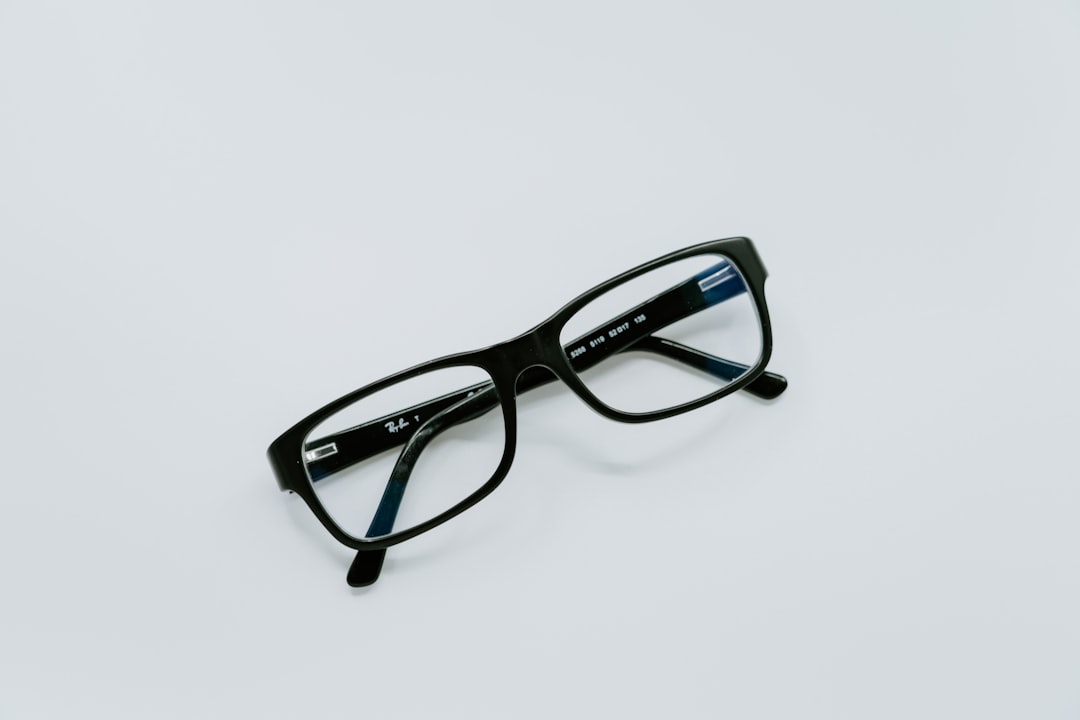
Sustainable eyewear is no longer a niche movement: it’s a mainstream shopping criterion shaping fashion trends, supply chains, and product design. As consumers demand eco-friendly products that deliver on style, durability and transparency, both new brands and legacy optical retailers are rethinking materials, manufacturing and messaging. This guide gives you a practical, expert roadmap to evaluate sustainable eyewear, avoid greenwashing, and buy glasses that align with your values without sacrificing fit or function.
Introduction: Where sustainability meets style
Trend snapshot
The past five years have seen sustainable options expand from a handful of boutique lines to entire collections from mainstream eyewear brands. Consumers now expect clear statements about materials and manufacturing. For a deep look into how fashion shifts influence product categories, see our piece on adaptable fashion, which explains how trends translate across apparel and accessories — including eyewear.
Why this matters for shoppers
Buying a pair of eco-conscious frames can reduce plastic waste, encourage better labor practices, and lower the carbon footprint of your wardrobe. It’s not just a moral choice: choosing well-made, repairable glasses often saves money over time. The economics of conscious retail are covered in articles like building your brand, which explains how product transparency drives customer loyalty online.
What you’ll learn
This guide walks through the lifecycle of eyewear—from raw materials and certifications to end-of-life options—so you can make an informed purchase. You’ll also find specific checks to spot greenwashing, practical shopping tools (including virtual try-on and return policies), and a comparison table to weigh materials and tradeoffs.
Why sustainable eyewear actually matters
Environmental footprint of glasses
Eyewear seems small, but when you scale millions of frames, materials, coatings and packaging matter. Plastic frames contribute to microplastic pollution; metal production can be energy intensive; and non-recyclable coatings prevent reuse. If you’re curious how consumer choices in travel and shopping shape environmental outcomes, read about the eco-conscious traveler and its implications for product sourcing.
Waste and disposal challenges
Many frames end up in drawers or landfill because they break and are not repairable. Encouraging repairability, modular parts, and take-back programs reduces waste. The practicalities of donating and repurposing goods can be simple: see ideas from donating old goods—the same principle applies to eyewear you no longer wear.
Social responsibility and sourcing
Sustainable eyewear isn’t only about materials. It includes labor conditions, conflict-free sourcing of metal, and responsible forestry for wooden frames. For parallels in other product categories that focus on ethical sourcing, consider strategies found in conflict-free ownership.
Materials deep-dive: What frames are made of
Cellulose acetate and bio-acetate
Traditional acetate is derived from plant cellulose but processed with chemicals. Bio-acetate next-generation materials increase the percentage of renewable content and reduce petrochemical inputs. To understand how ingredient science translates to consumer products, check our explainer on understanding ingredients.
Recycled plastics and ocean plastics
Recycled PET and reclaimed ocean plastics are increasingly used in frames. While reclaimed plastic has environmental benefits, quality and durability vary by supplier. Projects that combine product design with conservation efforts mirror innovations described in coastal conservation, where technology and materials converge.
Metals: titanium, stainless steel and aluminum
Metal frames can be very sustainable when made from recycled alloys; titanium offers longevity (reducing replacement frequency) but can be energy-intensive to extract. Look for explicit recycled-metal claims and third-party verification.
Wood, bamboo and natural materials
Wood and bamboo frames can be renewable and biodegradable if sourced responsibly. Confirm FSC certification or equivalent, and watch for resin or varnish layers that reduce biodegradability.
Lenses and coatings
Lens materials (polycarbonate, Trivex, CR-39) vary in durability and recyclability. Anti-reflective and scratch coatings increase longevity but complicate recycling. Brands that communicate lens composition and coating lifecycle follow the transparency trends highlighted in articles about supply chain challenges and how they’re resolved by conscientious businesses.
How brands prove sustainability: certifications, transparency & supply chains
Key certifications to look for
There is no single universal eyewear sustainability seal. Look for relevant marks: FSC for wood, Global Recycled Standard (GRS) for recycled content, OEKO-TEX for textile chemicals, and ISO or third-party audit references for factory practices. Don’t accept vague claims—ask for the certificate number or auditor.
Supply chain transparency
A credible brand will publish supplier locations, material sources, and fairness policies. The operational lessons in building your brand highlight how transparency is tied to customer trust and repeat purchases in eCommerce.
Third-party audits and lifecycle assessments
Life Cycle Assessment (LCA) reports quantify environmental impact (carbon, water, waste) for a product. Brands sharing LCAs are demonstrating higher commitment than those making unsupported sustainability claims. If a company refuses to quantify, that's a red flag.
Spotting greenwashing: red flags and smart questions
Common greenwashing tactics
Watch out for buzzwords like “eco-friendly” or “natural” with no supporting evidence, photos of nature on product pages, or claims framed without metrics. Stories about brand reputations and crisis management, such as the lessons in steering clear of scandals, emphasize why independent validation matters.
Questions to ask before you buy
Ask: What is your recycled-content percentage? Is the acetate bio-based or chemically identical to virgin acetate? Where were the frames manufactured? Can I see your certificates? Brands that answer clearly are more likely to be trustworthy.
Examples of due diligence
Look at product pages, social media and third-party reviews. Brands that publish repair guides, parts availability and sourcing documentation are generally more credible. Storytelling and marketing transparency are essential — for how narrative shapes product perception, see storytelling and marketing.
Practical buying tips: fit, virtual try-on and return policies
Fit first: what to measure
Before buying: measure your PD (pupillary distance), lens width, bridge width and temple length from a current comfortable pair. Many sustainable brands support virtual measurements online; combining those tools with a clear return policy reduces fit risk.
Virtual try-on and technology
Virtual try-on is now a baseline expectation for online eyewear. If a site lacks this feature, make sure its returns are flexible. For best practices on remote customer experiences, consider how remote-first workflows are changing retail operations in pieces like rethinking meetings — the same efficiency principles apply to eCommerce customer journeys.
Returns, repairs and warranties
A strong sustainability play is a long warranty and easy repair options. Choose brands that sell spare screws, nose pads, and temple arms. If the brand offers in-house repairs or third-party repair partners, that indicates lifecycle thinking.
Price, durability and lifecycle cost
Understanding the true cost
Eco-friendly frames sometimes cost more up-front, but when durability, repairability and warranty are factored in, they often cost less per year of use. This lifecycle math is central to conscious purchasing decisions.
Durability indicators
Check hinge quality (spring hinges increase longevity), board thickness for acetate frames, and whether frames use replaceable parts. Reviews and real-world tests will reveal weak points fast—brands that share detailed specs and maintenance advice are usually higher quality.
Budget strategies
If your budget is limited, prioritize features: get a frame that fits well and is repairable even if materials are mid-range. Follow fashion trends carefully—learn how style cycles affect buying choices in broader apparel contexts like the athleisure comeback and modest athleisure discussions: versatility extends product lifespan.
Caring for your eyewear and extending its life
Cleaning and maintenance
Follow manufacturer cleaning instructions to protect coatings and frame finishes. Use microfiber cloths and gentle cleaners; harsh chemicals shorten lifespan. Practicing mindful care is part of personal stewardship, similar to concepts in mindfulness techniques for beauty.
Repair and replacement parts
Buy spare nose pads and screws at the time of purchase if available. Seek brands that sell parts separately or partner with local opticians for repairs. Local repair options reduce shipping and footprint, echoing how local businesses manage logistics described in supply chain challenges.
Donate, recycle or upcycle
If your glasses are still wearable, donate them through reputable organizations; for broken frames, seek take-back or recycling programs. The same principles that encourage donating household items in donating old goods apply here.
Pro Tip: A high-quality pair you repair and wear for five years will usually have a smaller climate impact than buying three cheap pairs in the same period.
Comparison table: materials and sustainability tradeoffs
How to read this table
This table summarizes common frame materials across sustainability, durability, price and recyclability. Use it to prioritize the traits most important to you.
| Material | Sustainability | Durability | Typical Price | Recyclability / End-of-life |
|---|---|---|---|---|
| Traditional Acetate | Moderate (plant-derived but chemically processed) | High (if thick and well-made) | Moderate | Low to Moderate (depends on local recycling options) |
| Bio-Acetate | Higher (greater renewable content) | High | Moderate to High | Moderate (increasing infrastructure) |
| Recycled Plastics / Ocean Plastics | High (reuses waste streams) | Variable (depends on processing) | Moderate | Moderate (can often be downcycled) |
| Titanium / Recycled Metals | High (recycled metals lower impact) | Very High | High | High (metals are more recyclable) |
| Wood / Bamboo | High (if certified) | Moderate | Moderate to High | Variable (depends on glue and finish) |
Use the table above together with brand transparency. If a product claims recycled content, look for the percentage and certifier. If a frame is made from reclaimed ocean plastic, ask which program collected the plastic and how it was processed.
Shopping checklist and decision flow
Quick pre-purchase checklist
- Material claim and certificate (e.g., GRS, FSC)
- Recycled content percentage or bio-based percentage
- Production country and factory audit information
- Warranty length and repair/parts availability
- Return policy and virtual try-on availability
Scenario examples
If you travel frequently and need durable sunglasses, prioritize titanium frames with scratch-resistant lenses and check packing tips from our travel preparedness guide to protect optics on the go. If you want a fashion-forward pair that matches seasonal trends, choose adaptable designs that work across outfits—see insights from the adaptable fashion movement.
Final tips before checkout
Compare total cost of ownership (initial price + likely repairs + expected life). Read verified reviews for fit and durability. Remember that sustainability includes social responsibility; check for factory audits and fair labor commitments. If a brand’s story closely ties to activism or conservation, like campaigns linking product sales to causes, evaluate the transparency of fund flows—lessons on brand alignment can be found in pieces about solidarity in style and cause-related marketing.
Brands, marketing and storytelling: what influences consumer awareness
How brands use storytelling
Storytelling can be powerful and positive—when truthful. Brands that show factory-floor photos, supplier names and impact metrics are more convincing than those that rely on glossy videos alone. For how narrative shapes product appeal in other categories, see storytelling and marketing.
Balancing fashion trends and responsibility
Trend-driven purchases can shorten product life if you stop wearing a pair after one season. To blend style and responsibility, pick timeless frames with subtle trend accents; the dynamics of trend cycles are illustrated by the athleisure comeback and by discussions on modest athleisure, both of which point to durable designs that work across contexts.
Reputation, PR and scandals
Brands that handle missteps transparently recover faster and keep trust. See how corporate communications and reputation management play out in retail contexts in steering clear of scandals.
FAQ — Frequently Asked Questions
1. Are “bio” or “plant-based” frames always better?
Not always. “Bio-based” indicates some renewable input, but manufacturing can still use chemicals and energy. Check for percentage of bio-content and supporting LCAs.
2. Can I recycle eyeglass frames?
Recyclability depends on material and local facilities. Metals are widely recyclable; mixed-material frames are harder. Look for take-back programs or manufacturers that accept returns.
3. Are recycled plastic frames durable?
Many recycled plastic frames are durable if processed correctly. Durability varies by formulation—ask for performance specs and warranty details.
4. How can I avoid greenwashing?
Ask for certificates, percentages, factory locations and LCAs. Verify third-party audits and look for specific measurable claims—vague language is a red flag.
5. Should I prioritize sustainability or price?
Balance both by prioritizing durability and repairability. A slightly higher upfront price can be justified by longer life and lower replacement frequency.
Closing: The future of sustainable eyewear and consumer awareness
Where the market is headed
Expect more transparency, standardization in claims, and integration of circular practices (take-back and refurbishment) as the category matures. Retailers and manufacturers will increasingly embed sustainability into eCommerce operations—parallels exist in guides about building your brand and in how businesses address logistics in supply chain challenges.
How you can push the market forward
Vote with your wallet: prefer brands that publish evidence, repair options and take-back programs. Encourage your optician to stock sustainably sourced frames and ask retailers about their sourcing policies—this consumer pressure drives real change, similar to travel and shopping shifts discussed in our eco-conscious traveler story.
Final actionable checklist
Before you click buy: verify materials and certification, confirm warranty and repairs, use virtual try-on or order multiple frames with a clear returns policy, and plan to care for your glasses to extend their life. If you’re still unsure, take cues from cross-industry lessons about reputation, transparency and consumer trust found in resources on steering clear of scandals and on how brands reshape their customer experience in rethinking meetings.
Related Reading
- Inside the Latest Tech Trends: Are Phone Upgrades Worth It? - How product lifecycles in tech compare to fashion and accessories.
- Meet Your Match: Sports Equipment Comparison - Choosing gear that balances performance and longevity.
- Enhancing Playtime with Amiibo - A fun look at product ecosystems and collector-level care.
- The Science Behind Baking - Learn how ingredient transparency builds better products.
- What’s Next for Ad-Based Products? - Lessons from home tech that apply to consumer goods marketing.