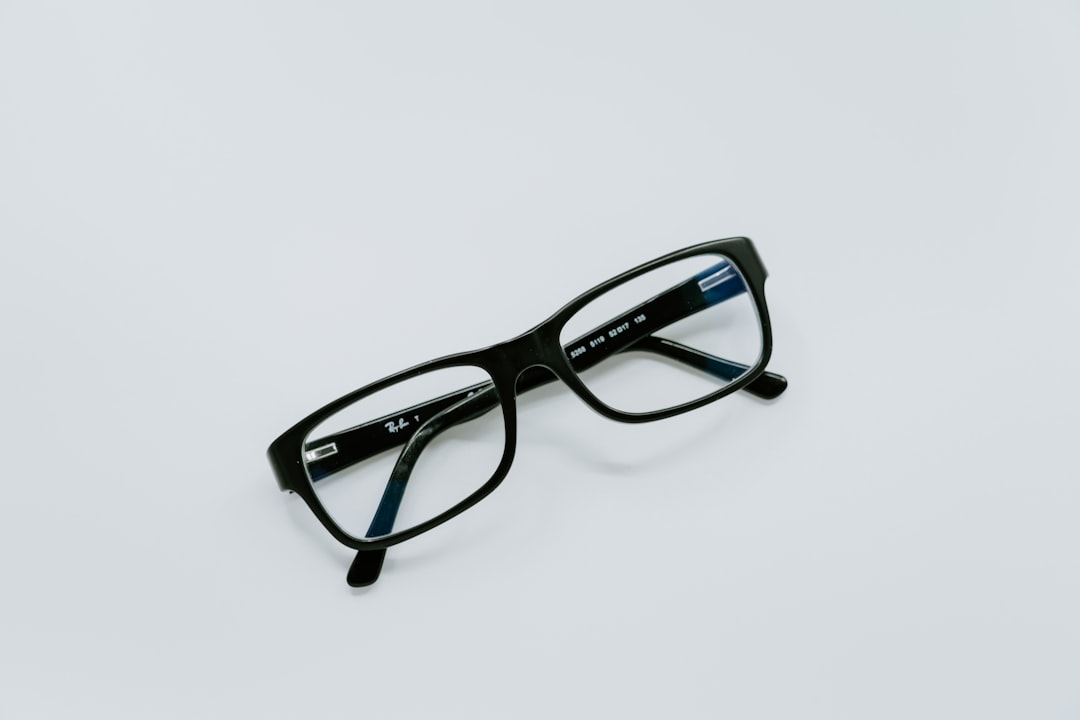
Choosing between progressive lenses, bifocals, and single-vision glasses is easier when you start with your routine rather than the lens label. This guide compares viewing zones, adaptation, frame considerations, and likely cost inputs so you can make a repeatable decision whenever your prescription, workday, or eyewear budget changes.
Overview
The right lens design depends on the distances you need to see clearly and whether you want one pair to cover several tasks. Single-vision lenses correct one viewing range, such as distance or near vision. Bifocals combine two prescription powers in distinct zones. Progressive lenses provide multiple distances through a gradual transition, without a visible dividing line.
None of these designs is automatically best for everyone. A person who mainly needs distance correction may find single-vision glasses straightforward and comfortable. Someone who needs both distance and reading correction may prefer bifocals for their clearly defined zones or progressives for a more continuous range of focus. Your eye-care professional should confirm the prescription and lens design that suit your visual needs.
| Lens design | Best suited to | Main trade-off |
|---|---|---|
| Single vision | One primary distance, such as far, intermediate, or near | You may need separate glasses for other distances |
| Bifocal | People who want distinct distance and near zones | The change between zones is visible and can feel abrupt |
| Progressive | People seeking distance, intermediate, and near correction in one pair | Requires adaptation and precise fitting; usable zones vary by design |
Think of this as a routine-matching exercise. List the tasks you perform most often, the distances involved, and whether carrying or changing glasses would be inconvenient. That list is usually more useful than choosing based on appearance or price alone.
How to estimate
You can estimate both suitability and total purchase cost with a simple worksheet. The goal is not to replace a professional recommendation; it is to compare complete options consistently.
Step 1: Map your visual distances
Divide your day into three broad ranges:
- Distance: driving, walking outdoors, meetings across a room, or watching television.
- Intermediate: computer monitors, dashboards, cooking surfaces, or music stands.
- Near: books, phones, labels, paperwork, or detailed handwork.
Mark each range as occasional, frequent, or essential. If one range dominates, single-vision glasses may be a sensible starting point. If two ranges are essential, compare a dedicated pair with a multifocal option. If all three matter throughout the day, progressive lenses may reduce the need to switch glasses, provided you are comfortable with the adaptation process.
Step 2: Compare complete totals
Use this formula for each option:
Total estimated cost = frame cost + base lens cost + lens-design upgrade + material upgrade + coating upgrades + fitting or shipping charges − discounts or allowances.
Retailers may bundle some components, so record what is included rather than comparing a frame-only price with a complete pair. For an online order, confirm how the prescription, pupillary distance, lens design, and return or remake terms are handled. The guide to buying prescription glasses online explains the information to prepare before ordering.
Step 3: Score the practical outcome
For each lens type, score these factors from one to five:
- Number of daily distances covered
- Ease of switching between tasks
- Expected adaptation effort
- Compatibility with your preferred frame
- Comfort during your most demanding activity
- Value within your total budget
A low-cost option that does not work for your main activity may be less useful than a higher-cost option that replaces several pairs. Conversely, a premium lens design may not be necessary if you need correction at only one distance.
Inputs and assumptions
A useful comparison depends on accurate inputs. Start with your current prescription and any recommendations from your optometrist or ophthalmologist. Do not infer a multifocal prescription from an old pair or alter prescription values yourself.
Prescription and PD
For prescription glasses online, check that the prescription is current and that you have the required pupillary distance measurement. Multifocal lenses also require accurate fitting measurements, including the position of the eyes in the selected frame. Ask the retailer which measurements are required and who should take them. More information is available in this online glasses buying checklist.
Frame compatibility
Frame shape, lens height, bridge fit, and the way the frame sits on your face affect the usable area of a multifocal lens. A frame that is too shallow may limit the room available for gradual zones. A frame that slips can move those zones away from where your eyes expect them. When comparing eyeglass frames, prioritize stable fit and sufficient lens height over a look that is difficult to keep aligned.
Single-vision lenses are generally more flexible in frame selection because they serve one viewing range. Bifocals and progressives need more deliberate frame and fitting choices. Your optician can advise whether a particular acetate frame, metal eyeglass frame, or low-profile design is appropriate for the lens you want.
Lens material and coatings
Lens material can affect thickness, weight, and appearance, particularly with stronger prescriptions. High index lenses may be worth comparing when reducing lens thickness or weight is a priority, but the value depends on your prescription, frame, and budget. An anti-reflective coating can be useful when reflections, night driving, video calls, or screen use are concerns. Treat coatings as task-based upgrades rather than automatic additions.
Price comparisons should include these choices. The guide on comparing eyeglass prices online can help you separate a low starting price from the cost of a complete lens package.
Worked examples
Example 1: One main viewing distance
Suppose your day is mostly spent outdoors and in meetings, with reading handled occasionally through a separate pair. Your essential range is distance. Compare the total cost of distance single-vision glasses with the cost of progressives. If progressives add expense and adaptation effort without replacing another pair, single vision may offer the clearer value. If you frequently need to read labels or messages while wearing the same glasses, include a second single-vision near pair in the comparison.
Example 2: Distance and reading in one pair
Suppose you regularly alternate between driving, conversations, and printed documents. Bifocals provide two defined zones and may appeal if you prefer a direct, easy-to-understand layout. Progressives may be more suitable if intermediate vision, such as a computer screen, is also important and you want a gradual range rather than a visible segment. Compare not only the lens price but also your willingness to learn the head and eye movements that make each design comfortable.
Example 3: A screen-heavy workday
Suppose your main tasks are a monitor, phone, and occasional distance viewing. Standard distance progressives may not be optimized for the monitor position, depending on your prescription and working distance. Ask whether a dedicated computer or occupational lens is more appropriate, or whether a separate single-vision computer pair would be more practical. Our computer glasses guide covers the lens features and measurements to discuss.
Example 4: Two-pair strategy
A two-pair plan can be reasonable: one pair for distance and one for reading or computer work. Estimate the combined cost, storage needs, and inconvenience of switching against the cost and adaptation of multifocal lenses. For some routines, two purpose-built pairs provide wider, more comfortable viewing zones. For others, one pair that covers the day is worth the additional investment.
When to recalculate
Revisit this comparison whenever an input changes. Recalculate after a new prescription, a change in working distance, a new job or study routine, or a shift from occasional to frequent screen use. Also review the choice when your current glasses cause persistent difficulty with reading, computer work, driving, balance, or task transitions. Those symptoms deserve professional attention rather than an unsupervised lens change.
Recheck the cost worksheet when frame prices, lens packages, coating options, shipping charges, or retailer promotions change. Do not assume that a familiar frame price represents the final total; multifocal designs and material upgrades can change the result. Keep a note of your prescription, PD, preferred frame dimensions, lens type, and what worked or did not work in your current pair. This makes the next purchase faster and more precise.
Before ordering, use this final checklist:
- Identify your essential distance ranges and most demanding daily task.
- Confirm the prescription and required fitting measurements.
- Compare single vision, bifocal, progressive, and two-pair options using complete totals.
- Check whether the frame provides a stable fit and enough lens area for the design.
- Add only lens materials and coatings that address a specific need.
- Review adaptation guidance, fitting support, and return or remake terms before purchase.
The best choice is the one that matches your actual routine, fits securely, and remains comfortable within your budget. Repeating this process when your needs or prescription change keeps the decision practical instead of relying on a one-time recommendation.