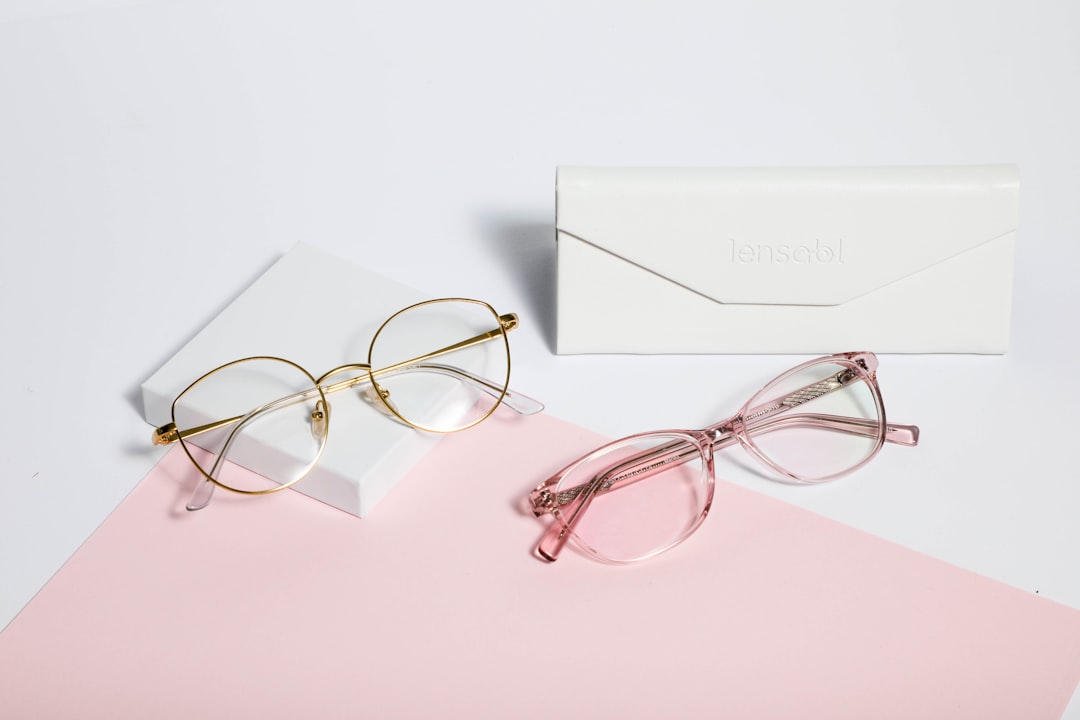
The Essential Care Guide for Your Eyewear: Tips for Longevity
Practical, expert eyewear care: cleaning, storage, maintenance, and warranty tips to extend the life of your glasses and sunglasses.
The Essential Care Guide for Your Eyewear: Tips for Longevity
Your glasses are more than a style accessory — they're precision optical tools you rely on every day. With simple care, most frames and lenses can stay clearer, more accurate, and more comfortable for years. This guide gives practical cleaning tips, maintenance routines, storage advice, warranty-awareness, and repair strategies so your eyewear lasts as long as possible without sacrificing vision quality or style.
1. Why Proper Eyewear Care Matters
Protecting optical precision
Prescription lenses are crafted to exact diopters, cylinder values and alignment. Small nicks, warped frames, or scratched coatings can change how light enters the eye and cause headaches, blurred vision, or distorted peripheral clarity. Understanding the small ways damage accumulates — from sand in a beach bag to chemical exposure from sunscreen — helps you prevent long-term issues.
Saving money over the long run
Replacing frames or lenses early because of avoidable damage is costly. Routine care extends usable life and delays replacement. Think of laundering your eyewear care into your regular routine in the same way you maintain your phone or watch; for a primer on routine device care that translates well to eyewear maintenance, consider how athletes maintain gear in this DIY watch maintenance guide.
Preserving the look and fit
Well-maintained frames hold their shape and finishes. This is important for both aesthetics and function: a bent temple can misalign lenses in front of your eye. Use the right cleaning and storage to protect finishes and hardware from corrosion, stretching and crazing.
2. Daily Cleaning Routine: Quick, Effective, Safe
Start with water and gentle soap
For most eyeglasses, the safest everyday clean is a rinse with lukewarm water, a drop of mild dish soap, then a gentle rub and air dry or blot with a clean microfiber. Avoid hot water (it can damage coatings) and avoid household cleaners with ammonia or bleach.
Use a proper microfiber cloth
Microfiber is designed to pick up oily residues without scratching. Keep at least one dedicated cloth in your bag or case. For best results, wash microfiber frequently in the washing machine (no fabric softener) and replace it when fibers start to pill.
When to use lens-cleaning sprays and wipes
Alcohol-free lens sprays formulated for anti-reflective coatings can remove fingerprints without stripping coatings. Pre-moistened alcohol wipes are convenient but use sparingly on coated lenses. For sports sunglasses or outdoor frames, check the manufacturer's recommendations first; for help choosing sport-specific eyewear, see our sports sunglasses guide.
3. Deep Cleaning and Disinfection
When to deep clean
Deep cleaning is needed when you notice buildup: sticky sunscreen, makeup oils, or salty residue after sweating. If cloths and sprays aren't cutting it, move to a full-soap-and-rinse method and occasionally an ultrasonic cleaner if the manufacturer allows it.
Ultrasonic cleaners — pros and cons
Ultrasonic cleaners use cavitation to dislodge particles from crevices, hinge areas, and nose pads. They’re very effective for metal frames and rimless hardware but can risk loosening glued parts or certain lens coatings. Check with the retailer or lens maker before using. If you're curious about other at-home gadget maintenance that follows similar caution, see this article on upgrading and caring for tech — the principles of cautious at-home maintenance apply across categories.
Sanitizing nose pads and temples
Soak frames briefly in warm soapy water and use a soft-bristled toothbrush to scrub pads and hinge areas. This removes oils that discolor pads and corrode tiny screws. Avoid alcohol swabs on acetate pads frequently; they dry out and crack the material.
4. Lens Coatings — How to Care for Them
Anti-reflective and scratch-resistant coatings
Coatings are valuable but often more sensitive than bare glass. Anti-reflective (AR) coatings reduce glare but can show smudges and require gentle cleaning. Scratch-resistant treatments help but are not scratch-proof. Use only recommended cleaners and soft cloths to prolong these coatings.
Blue-light and photochromic lenses
Blue-light coatings and photochromic (transition) lenses add convenience and protection, but photochromic molecules can be affected by extreme heat. Avoid leaving transition lenses on a car dashboard or in direct sun inside a hot vehicle; for science-based lens considerations, review the primer on lens choices in understanding lens options.
When coatings fail — warranty and repair
Many retailers offer limited warranties on coatings. Read the fine print: warranties often exclude damage from improper cleaning. If you suspect a manufacturing defect (flaking, delamination), document it with photos and contact support immediately. For additional context on product warranties and customer expectations, see broader consumer trends in beauty and product care discussed here: how new beauty products are reshaping care expectations.
5. Handling, Fit, and Hardware Maintenance
Pick up glasses with two hands
Always use both hands when putting on or taking off frames. Lifting by one temple twists the frame and can loosen screws or warp the fit. This simple habit prevents hinge stress and preserves alignment.
Adjusting temples and nose pads safely
Opticians use heat and precise tools to adjust acetate and metal frames. Don’t over-tighten screws at home; if a screw is loose, tighten only enough to secure the temple, then seek a professional for proper torque. For common at-home fixes and when to hand off to a pro, compare the do-it-yourself timeline with how people maintain other personal gear in this DIY maintenance guide.
Replacing screws, nose pads, and temple tips
Carry a small kit with a jeweler screwdriver and spare screws and nose pads. Many optical stores will replace small parts for free or a nominal fee. When in doubt, bring the frames to a professional to avoid stripping threads or misaligning lenses.
6. Storage and Travel Tips
Always use a protective case
When not in use, store glasses in a rigid case, lenses-up, to avoid scratches and crushing. Soft pouches are fine for quick storage but not for protecting against compression in a bag or suitcase. If you travel frequently, look for a case with a hard shell and a soft lining.
Travel packing and in-flight care
Store glasses in an accessible spot in your carry-on to avoid being crushed in checked luggage. Keep a microfiber cloth and mini spray in your carry-on to clean condensation after flights. For family travel, consider compact cases or straps to keep kids’ eyewear secure — family mobility trends and helpful packing tips are discussed in this article about family cycling and gear family cycling trends, which also highlights how thoughtful storage extends gear life.
Seasonal storage — humidity and heat concerns
Avoid leaving sunglasses or prescription frames in hot cars or on sunny windowsills. Extreme temperatures can delaminate coatings and warp frames. If you live in an area with seasonal extremes, rotate storage locations and keep frames in climate-stable spots.
7. Special Situations: Sport, Kids, and Work Environments
Sport-specific care
Sports eyewear frequently endures sweat, impact and UV exposure. Rinse saline or sweat off after use and tighten loose screws before the season. For sport-specific frame choices and protective features, our sports guide is an essential companion: Choosing the right sunglasses for sports.
Caring for children's eyewear
Kids need durable frames and regular fit checks as they grow. Teach them to use hard cases and to avoid rough handling. Consider flexible or memory metal frames that rebound from bends, and plan for more frequent replacements as they play.
Workplace hazards and protective coatings
If you work around chemicals, powders, or oils, talk to your optician about protective coatings and safety-rated frames. Some coatings resist chemical attack better than others; discuss options when ordering lenses and consult lens-spec primers like this lens options guide to find the right match.
8. Dealing with Lens Damage and Repairs
Assessing scratches vs. coating damage
Surface scratches in the substrate require replacement; coating scratches or peeling often start as small spots that grow. Photograph the damage, note when it occurred and avoid DIY chemical fixes that can worsen delamination.
When to replace lenses instead of repairing
If a scratch affects vision, or if anti-reflective coating is failing across large areas, replacing lenses is often cost-effective. Many retailers offer lens-only replacements that preserve a favorite frame. If your frame is bent beyond repair or hinges are broken, evaluate cost of frame replacement vs buying new glasses.
Choosing a repair provider
Authorized optical labs and reputable local opticians provide warranty-backed repairs. Avoid kiosks or unauthorized glue fixes for rimless frames, as precision aligning is required to maintain PD (pupillary distance) accuracy and optical center placement.
9. Lifestyle Habits That Affect Eyewear Longevity
Makeup, skincare, and sunscreen
Oils and chemicals from makeup and sunscreens build on lenses and pads. Remove glasses before applying creams and wipe them after exposure. For more about beauty product interaction with accessories, see parallels in product-care discussions like managing beauty routines under stress.
Pets, children, and household dust
Pet dander and dust settle on lenses and can accelerate scratching if wiped without rinsing. Keep glasses in a case at home when not worn and consider pet-safe cleaning zones away from beds and couches. For ideas on dealing with pets and subscription gear that helps reduce mess, see pet-friendly subscription tips.
Active lifestyles and sweat
Sweat contains salt that can corrode metal parts and damage coatings. Rinse sports eyewear after workouts and air-dry before storing. For advice on keeping active gear like phones and wearables functional, check maintenance parallels in this article about caring for tech in active settings: smartphone care tips.
Pro Tip: Keep a small, travel-ready care kit: microfiber cloth, mini lens spray (alcohol-free), spare screws, and a compact case. This reduces emergency damage by 80% compared with no kit.
10. Warranty, Insurance and When to Replace
Understanding manufacturer warranties
Warranties vary: some cover manufacturing defects for coatings or frames, others offer limited-time protection against scratches. Read the exclusions carefully — many do not cover accidental damage like drops or chemical exposure. Document problems with photos and timestamps when you first notice issues to support claims.
Optical insurance and vision plans
Vision plans sometimes include annual allowances for lenses and frames, reduced costs for replacements, or discounted repairs. If you have a plan, check whether lens replacement, coating re-application, or frame repairs qualify for coverage before paying out of pocket.
How to evaluate replacement vs. repair
Ask: Is vision affected? Is the frame fit compromised? Would repair cost more than a lens replacement? Use these questions as a checklist when deciding. For an in-depth lens-option review that also touches on cost tradeoffs, see Cracking the Code: Understanding Lens Options.
11. Sustainable Care and Extending Useful Life
Choose durable materials and timeless styles
Buying quality frames with replaceable lenses reduces waste. Classic shapes also stay wearable longer, reducing the urge to replace for fashion alone. If you're curating a capsule collection, apply the same principles used in wardrobe planning as discussed in creating capsule wardrobes.
Repair-first mindset
Prioritize repairs and part replacement over full replacement when possible. Many independent optical labs can replate hinges, replace temple tips, and repolish metal frames for a fraction of the cost of new glasses.
Recycle or donate old frames
If frames are beyond repair, consider donation programs or frame-recycling initiatives at your retailer. Some opticians accept used frames for refurbishment or recycling to reduce landfill waste.
12. Troubleshooting: Quick Fixes and When to Seek Help
Fogging and condensation
To reduce fogging when wearing masks or moving between temperature zones, use anti-fog treatments designed for lenses, fit masks snugly against the nose, and ensure lenses are clean (surface oils promote fogging). For similar accessory care challenges, review hair and temperature protection tips in winter hair protection where humidity and temperature considerations align.
Loose or missing screws
Tighten gently with a jeweler screwdriver and back out if threads feel stripped. Keep spare screws handy. If the hinge is loose beyond simple tightening, stop and take the frames to a professional; forcing parts can break delicate mounts.
Distorted fit and headaches
If glasses start causing discomfort or headaches, the optical center may be off due to frame misalignment or lens movement. A professional adjustments and verification of PD and segment height is essential — don't self-adjust repeatedly, as this may damage the frame further.
FAQ — Quick answers to common eyewear care questions
Q1: Can I use household glass cleaner on my lenses?
No. Most household glass cleaners contain ammonia or other solvents that can strip anti-reflective or other lens coatings. Use a lens cleaner recommended by your optician or mild dish soap with water.
Q2: How often should I replace my microfiber cloth?
Replace microfiber cloths when they start to pill or fail to remove smudges. Washing them after several uses extends life — avoid fabric softener.
Q3: Are alcohol wipes safe for my lenses?
Occasional use is usually fine on uncoated glass or certain modern lens materials, but repeated use can dry out coatings. Check manufacturer guidance.
Q4: My anti-reflective coating is flaking — is that covered?
It depends. Some warranties cover premature coating failure; others exclude damage from improper cleaning. Document and contact your retailer promptly.
Q5: Can I heat-adjust my plastic frames at home?
Avoid attempting heat adjustments at home. Professionals use calibrated heat and tools; DIY heating risks melting, warping, or cracking the frames.
Cleaning Methods Compared
| Method | Effectiveness | Best for | Risks | Maintenance Frequency |
|---|---|---|---|---|
| Microfiber cloth | Good for smudges | Daily quick cleans | Collects grit — can scratch if dirty | Daily |
| Lukewarm water + mild soap | Very effective | All lenses and frames | Hot water can damage coatings | Weekly or as needed |
| Alcohol wipes | Effective disinfectant | Occasional disinfecting | Can strip coatings with frequent use | Occasional |
| Lens spray (alcohol-free) | Good on AR coatings | Anti-reflective or blue-light coatings | Low when manufacturer-approved | As needed |
| Ultrasonic cleaner | Excellent for crevices | Metal frames, hinge areas | May loosen glued components | Infrequent / when necessary |
Final Checklist: Make Care Part of Your Routine
Daily
Wipe smudges with a clean microfiber, avoid placing glasses face-down, and store them in a case when not worn.
Weekly
Rinse frames with mild soap, clean nose pads and hinge areas, and inspect for loose screws or wear.
Annually
Visit your optician for a fit check, lens surface inspection and to confirm any warranty coverage remains valid. If you use eyewear for specialty activities like sports, plan a mid-season check as well; our sports eyewear resource has further preventive tips: sports eyewear care.
Closing Thoughts
Eyewear care is simple if it becomes habitual. Invest in the right tools (microfiber cloth, gentle soap, hard case), adopt safe cleaning methods, and get periodic professional checks. These small habits save time, money and preserve both vision and style.
For broader lifestyle tips that relate to product longevity — from beauty routines that protect accessories to family gear organization — explore these useful reads: see how beauty product habits influence accessory longevity in this exploration of new beauty product care new beauty product care, or learn how seasonal routines protect items in winter hair protection.
Related Reading
- Exploring Dubai's Hidden Gems - A travel piece for inspiration when planning eyewear-safe adventures.
- The Legacy of Cornflakes - A light cultural read to accompany your morning coffee and eyewear-cleaning routine.
- Celebrating Champions: Jeans Inspired by Top Sports Teams - Style ideas that pair well with classic eyewear looks.
- The Global Cereal Connection - A cultural take that pairs travel, taste and accessory choices.
- Ultimate Gaming Legacy: LG Evo C5 OLED TV - Tech gear care parallels for your tech-savvy readers.
Related Topics
Ava Reynolds
Senior Eyewear Editor & Optical Care Specialist
Senior editor and content strategist. Writing about technology, design, and the future of digital media. Follow along for deep dives into the industry's moving parts.
Up Next
More stories handpicked for you
Accessorizing Your New Running Shoes: Ideal Eyewear for Active Lifestyles
Understanding the Impact of Fit on Eyewear Performance
What Eyewear Brands are Doing to Compete with Online Retail Giants
Year-End Review: The Best Frames of 2026 and What Made Them Shine
How to Choose Eyewear for Different Face Shapes: A Comprehensive Guide
From Our Network
Trending stories across our publication group

Innovating Eye Care: How Opticians Can Adapt to Economic Shifts

Understanding Financing: How to Budget for Your Next Pair of Eyeglasses

Choosing Between Prescription and Over-the-Counter Sunglasses: What to Consider

What To Expect During Your First Eye Exam: A Comprehensive Guide

Understanding Vision Insurance: What’s Covered and What to Look For
