Picking the right glasses is part science, part fashion, and entirely personal. This deep-dive guide walks you through subtle rules and practical tests so you can choose frame shapes that flatter your face, reinforce your personal style, and make buying online less of a gamble. We'll cover how to identify your face shape, which frame geometries create balance, how size and proportion change perception, and step-by-step tips for using virtual try-on tools effectively. Along the way you'll find examples, fitting checklists, and expert pro tips to confidently choose eyewear that suits your lifestyle.
Before we get into shapes, if you're interested in how eyewear brands handle fast shipping and fulfillment expectations (something to consider when you buy online), read about optimizing distribution centers to understand turnaround and delivery trends. For shoppers who travel often and need durable frames that pack well, see our notes on traveling light gear.
1. Understanding Face Shape Basics
What we mean by "face shape"
Face shape is a shorthand for the proportions and angles of your facial features: forehead width, cheekbone prominence, jawline, and length from hairline to chin. People usually fall into common categories—oval, round, square, heart, diamond, and oblong/rectangular—but many faces are hybrids. Knowing the underlying proportions helps us choose frame shapes that create harmony: accentuating strengths and softening contrasts.
Why proportional balance matters
Good frames create visual balance. For example, angular frames on a round face add definition; soft, curved frames on a square face minimize harsh jawlines. This principle — balancing or complementing—drives the practical recommendations below. For a marketing-minded view on how style cues build a personal brand, take a look at lessons from crafting your brand's unique voice, which parallels how eyewear communicates persona.
How to objectively identify your face shape
Do this quick measurement: stand in natural light, pull hair back, and photograph straight-on. Measure forehead width (across the widest), cheekbone width, jawline width (angle to angle), and face length (hairline to chin). Compare — if cheekbones are widest and length equals width, you're likely oval; if length is significantly longer than width, consider oblong. Tools like virtual mirrors or dedicated apps help—for travel and tech-savvy shoppers, see how tech plays a role in planning and analogies for tools you can use when buying eyewear online.
2. Frame Shapes Explained: Anatomy & Visual Effects
Rectangular / Square frames
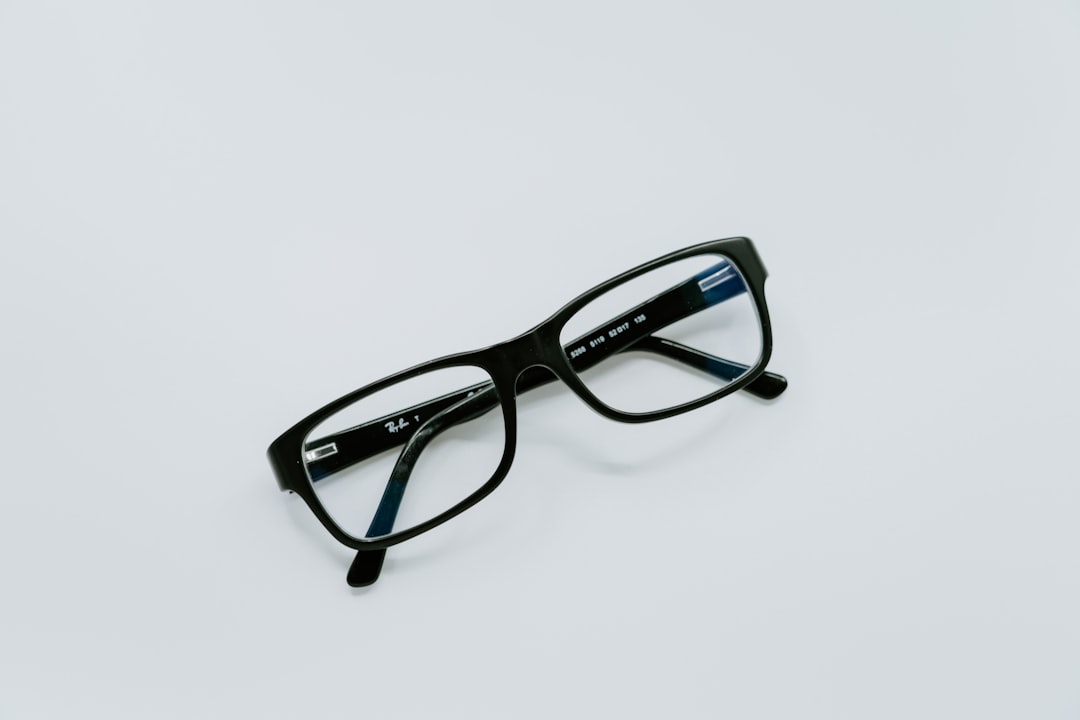
Square or rectangular frames have strong horizontal and vertical lines and are great at adding structure. They can sharpen a soft face, providing contrast. The thickness of the rim, bridge placement, and temple design all change the perceived width and balance. Square frames are a common choice to define round faces, but choose sizes that don't overpower smaller features.
Round and oval frames
Round frames soften angular features and can create a vintage, approachable vibe. Because they're curvilinear, they pair well with square and angular faces. Slightly oval frames elongate the face subtly—useful for wider face shapes. For product-style inspiration and makeup interplay, consider how eyeliner evolution shows how changing a small detail can alter perceived proportion.
Cat-eye and upswept frames
Cat-eye frames lift the face visually and emphasize cheekbones. They're especially flattering on heart and oval faces. The angle, height, and point of the upsweep influence how dramatic the effect is—small upsweeps give a vintage hint, large points make a bold statement. Pair with jewelry thoughtfully; see how transitional jewelry works day-to-night in versatile pieces.
3. Matching Frames to Face Shapes — The Subtle Rules
Oval faces: versatility and restraint
Oval faces are balanced: forehead slightly wider than chin and gentle curves. Most frame shapes work. The subtle rule is to maintain the natural balance: choose frames as wide as the broadest part of your face and avoid oversized styles that overwhelm delicate features. If you're experimenting, start with rectangular and soft cat-eye shapes and move toward bolder designer silhouettes once you understand proportion.
Round faces: add structure
Round faces benefit from angular frames—rectangular, square, or geometric frames add definition to a soft contour. The aim is to lengthen and slim the face visually; higher bridge placement can make the nose appear longer and the face more oval. Avoid perfectly round frames that echo the face shape and can increase perceived width.
Square faces: soften sharp angles
Square faces have a strong jaw and broad forehead; choose frames with rounder edges or soft curves to contrast the angles. Oval and round frames reduce perceived squareness. Consider rimless or thin metal frames to reduce visual weight across the face. For style storytelling—how accessories shape identity—read about personal branding tips in personal branding.
Heart faces: balance a narrow chin
Heart-shaped faces are wider at the forehead with a narrow chin. Frames that are wider at the bottom or have low-set temples help balance. Browline or aviator styles (with a gentle curve under the cheekbone) can create harmony. Oversized frames can work if they don't emphasize the upper face too heavily.
Diamond faces: highlight the cheekbones
Diamond faces are narrow at forehead and jaw with wide cheekbones. Frames with emphasis on the browline or cat-eye shapes highlight the eyes and cheek area without adding width to the forehead. Rimless or oval frames can soften the cheekbones if you prefer a subtler look.
Oblong/rectangular faces: shorten the appearance
Oblong faces are longer than they are wide. Frames that are deeper vertically can shorten the face visually. Decorative temples and strong top lines draw attention outward, balancing length. Round or oversized frames with lower-set bridges also give a balanced look. For mobility-friendly frames that travel well, check the traveling light guide for packing-friendly tips.
4. Size, Proportion and Fit — The Technical Check
Understanding frame measurements
Frames are sold with three primary numbers: lens width, bridge width, and temple length (e.g., 52-18-140). Lens width affects how much of your face the frame covers; bridge width affects how the glasses sit on your nose; temple length controls wrap and ear comfort. Learn to read product specs—this is as important as style when buying online. For shoppers who value logistics and fulfillment, revisit fulfillment lessons from supply chain case studies.
How to measure your face for the right frame size
Measure your face width from temple to temple and the distance between your pupils (PD). Compare to the total frame width to ensure frames won’t extend past your outer eye corners by more than a few millimeters. If you have a narrow bridge, a small bridge width or adjustable nose pads are essential. Many online stores provide a "try-on" that overlays size; learning to interpret that overlay improves fit predictions.
Bridge fit, temple tension and nose pads
The bridge determines whether the frames sit high or low on your face—this affects lens optics and comfort. Too-tight temples leave marks and cause headaches; too-loose frames slide down. Adjustable nose pads let you customize fit, particularly useful for high nose bridges. For practical care and long-term durability advice, see points in our section about maintenance and warranties below.
5. Color, Material & Finish — Psychology and Practicality
Choosing frame color by skin tone and wardrobe
Warm skin tones usually pair well with tortoiseshell, warm browns, and gold metals; cool tones often favor black, silver, and clear frames. However, your wardrobe and desired statement matter more than rigid rules—bright frames can be a style signature. For thinking about your overall visual identity and how eyewear fits, see how creators use audio and visuals strategically in podcast pre-launch strategies as an analogy for crafting a consistent look.
Materials: acetate, metal, titanium, and hybrids
Acetate offers color and thickness, producing bold, fashion-forward frames; metals and titanium are lighter and more minimalist. Titanium resists corrosion and is ideal for sensitive skin, while memory alloys provide flexible temples for active lifestyles. Choose material based on weight preferences, hypoallergenic needs, and durability. If shipping speed and returns affect your choice, learn from supply chain insights at logistics lessons.
Finish and texture: matte vs glossy vs brushed
Matte finishes soften reflections and can make frames feel more understated; glossy finishes emphasize color and shine. Brushed metals give a premium, tactile look. Texture can change how a frame reads with your skin and clothes—pair matte frames with textured fabrics for depth, or glossy frames for sleek outfits. For inspiration on pairing accessories day-to-night, review versatile jewelry strategies.
6. Lens Choices That Complement Frame Shape
Prescription vs non-prescription lenses
If you need vision correction, your prescription will influence lens thickness and edge profile—high prescriptions may need smaller lens heights or high-index lenses to reduce thickness. Non-prescription lenses give full creative freedom for oversized shapes without optical constraints. Accurate PD and lens height measurements are essential for progressive lenses. For content on product economics and choices, see broader digital-product parallels in AI in marketing.
Coatings: anti-glare, blue light, anti-scratch
Anti-reflective coatings improve clarity and reduce eye strain behind screens; blue-light coatings can help reduce fatigue, though research is mixed about their clinical benefit. Anti-scratch coatings are a must for plastic lenses. Consider lifestyle needs—outdoor use merits polarized sunglasses, which we discuss below.
Lens shape and frame interaction (progressives & bifocals)
Progressive lenses require adequate vertical height; narrow frames or very deep-set frames can limit usable reading area. Bifocals also need proper alignment. When choosing frame shapes, prioritize lens height for progressive wearers. If you're confused about technical lens choices while shopping online, read practical guidance on consumer claims and what to expect from shipping and returns in navigating claims.
7. Virtual Try-On and In-Store Try-On: How to Get It Right
Preparing for a virtual try-on session
Good lighting and a neutral background create the most accurate virtual try-on results. Pull hair back and remove accessories that might obstruct the frame area. Many tools let you upload a photo or use live video; use multiple expressions and angles to see how frames move with your face. For advice on visual presentation and photography basics, see tips about visual storytelling in photography for small businesses.
Interpreting overlays and size indications
Virtual overlays scale frames to approximate dimensions—compare the overlay's width to your measured temple-to-temple width. If available, toggle frame sizes and switch colors. Remember that virtual tools can't perfectly show lens thickness or three-dimensional bridge fit, so use them as a directional tool, not definitive. If shipping and returns concern you, check fulfillment practices and shipping speed guidance at logistics lessons.
When to visit an optician in person
If you have a complex prescription, need progressive lenses, or want to test comfort for long wear, an in-person fitting is wise. Opticians can measure PD and fitting height precisely and adjust temples and nose pads on the spot. For buyers balancing remote shopping and in-person needs, learn about hybrid approaches in modern customer journeys—see how creators use blended channels in streamlined marketing lessons.
8. Case Studies & Visual Examples (Real-World Practice)
Case study: round face to angular frames — before & after
Anna, a marketing manager with a round face, chose narrow rectangular frames instead of round frames. The angular frames added vertical lines, visually lengthening her face and making her cheekbones more prominent. She preferred acetate because the thicker rim matched her bold wardrobe. The subtle change improved her perceived professionalism in video calls—a small styling tweak with outsized effects. For lessons on how small visual changes create brand impact, see AI in branding.
Case study: heart-shaped face balancing with bottom-heavy frames
Marcus has a heart-shaped face and a narrow chin. He chose aviator frames with a softer bottom line and low-set temples. The result was a more balanced silhouette and greater harmony with his hairstyle. He paired bronze metal with warm tones in his wardrobe—showing how color and shape work together to create an integrated look. If you want ideas for pairing accessories, read about jewelry transitions in day-to-night jewelry.
Visual examples to look for when browsing
When scanning product photos, look for: a) front-on images at eye level, b) close-ups of bridge and temple connection points, and c) side profiles showing temple curve. Try to find photos of models with similar face shapes and skin tones—this makes comparison easier. For guidance on how visuals influence purchase decisions, explore creation and meme strategies in AI in content creation, highlighting how visual cues steer behavior.
9. Shopping Strategy: Budgeting, Brands & Returns
How to prioritize spend: frame vs lenses
Decide whether frame style or lens technology is the priority. If you need advanced optics (progressives, high-index, special coatings), allocate more spend to lenses; if you want multiple styles for occasions, invest in a few stylish, affordable frames with standard lenses. For marketing and promotional ideas on maximizing value during sales, read lessons in turning mistakes into marketing gold.
Brand vs private label: what to expect
Branded frames often come with recognizable design details and sometimes higher build quality, while private label frames can offer better price-per-style. Evaluate warranty, return policy, and whether the brand offers frame repair. For insights on product strategy and brand narrative, see brand voice lessons.
Returns, adjustments and warranty expectations
Always check return windows, scratch warranties, and whether adjustments are local or require mail-in service. Some online retailers offer free returns or local partner labs for adjustments—logistics matter. If you're studying how companies optimize customer experience, logistics case studies provide useful context.
10. Care, Maintenance & Longevity
Daily care routine
Rinse lenses under lukewarm water before using a microfibre cloth to avoid abrasive particles. Use lens cleaner for stubborn smudges and store glasses in a protective case when not in use. Regular minor adjustments at a local optician prolong life. For practical lifestyle integration—like travel-friendly routines—review travel apps suggestions in travel-smart app guides.
When to replace frames or lenses
Replace lenses when coatings are scratched or vision changes, and replace frames when temples or hinges fail, or when the style no longer works for your face. A good rule: evaluate every 12–24 months if you wear glasses daily. For consumer lifecycle insights, see lessons from organizational change in data security and lifecycle.
Repair options and insurance
Many retailers provide repair services or partner with local opticians for adjustments. Consider vision insurance or add-on warranties for expensive lenses. If you run into complex claims, the guide on navigating claims will help you manage returns and warranty disputes.
Pro Tip: Always keep the original case—micro-scratches from loose keys are a leading cause of early replacement. When in doubt, choose a slightly smaller frame for high prescriptions to reduce edge thickness and improve profile.
11. Quick Visual Comparison: Frame Shapes vs Face Shapes
Use the table below to quickly cross-reference face shapes with recommended frame styles, pros, cons, and example materials.
| Face Shape | Best Frame Shapes | Why It Works | Recommended Materials |
|---|---|---|---|
| Oval | Rectangle, round, cat-eye | Balanced proportions — most frames match | Acetate, titanium |
| Round | Rectangular, square, geometric | Adds structure and lengthens appearance | Thin metal, angular acetate |
| Square | Round, oval, rimless | Softens strong jawline and angles | Lightweight metal, rimless combos |
| Heart | Bottom-heavy, aviator, cat-eye | Balances a narrow chin; draws attention downward | Metal, lightweight acetate |
| Diamond | Cat-eye, oval, rimless | Highlights cheekbones without widening forehead | Acetate, thin metal |
| Oblong/Rectangular | Round, deep frames, decorative temples | Shortens appearance and widens visual plane | Bold acetate, mixed-material |
12. Final Checklist & Smart Shopping Playbook
Before you buy (five-minute checklist)
Measure your face (temple-to-temple and PD), determine your face-shape category, choose 2–3 frames in different shapes to compare, check lens compatibility (progressive height), and read return/warranty terms. If you're buying for travel, integrate packing durability into your decision—see pack lists for on-the-go shoppers in carry-on guides.
When to splurge and when to save
Splurge on lenses and coatings that affect comfort and long-term vision—progressives, blue-light alternatives if you need them, anti-reflective coatings. Save on frames when you want multiple looks for different occasions; affordable acetate offers plenty of options. For e-commerce marketers and product teams, learn how to stretch creative impact in streamlined marketing.
Long-term style strategy
Build a core pair that’s neutral and professional, then add 1–2 statement frames for mood and fashion. Rotate lenses with seasonal tints (e.g., polarized transitions for bright months) and store frames properly for longevity. For insight into brand and product evolution, explore branding case studies.
13. Conclusion — The Subtleties Matter
Choosing eyewear is an act of visual problem-solving: you weigh geometry, color, proportion, lens needs, and personal taste. Small changes in frame angle, bridge height, or temple thickness can produce large perceptual differences. Use the measurement techniques and the stylistic rules here as a framework rather than a set of constraints. Keep experimenting with virtual try-on, take advantage of generous return policies, and gradually refine a collection that supports your life and style.
Marketing and visual consistency matter beyond fashion. If you want to understand how small creative shifts drive recognition and value, read about using digital content and AI for brand building in quantum insights and the SEO lessons from emerging tech in Apple's AI Pin.
Frequently Asked Questions
1. Can I wear any frame if my face shape is "in-between"?
Yes. Most faces are hybrids. Focus on proportion and try frames in two widths to see which is more flattering. Virtual try-on helps narrow choices before ordering.
2. How do I choose frames for a high prescription?
Smaller lens widths, high-index lenses, and frames with thicker fronts (to hide edge thickness) work well. Consult an optician for lens selection and try to find frames with deeper lens heights if you need progressives.
3. Do frame colors really matter with skin tone?
They do, but your wardrobe and confidence matter more. Use color theory as guidance: warm tones complement warm skin undertones; cool colors complement cool undertones. Don’t be afraid to break rules for a signature look.
4. Are metal frames better than acetate?
Neither is universally "better." Metals are lighter and sleeker; acetate gives stronger color and presence. Choose by weight preference, allergy concerns, and the style statement you want to make.
5. What should I check in a return policy when buying online?
Look for a clear return window, who pays return shipping, whether lenses are refundable, and if exchange or store credit is offered. Companies with local partnerships often provide on-the-spot adjustments; read their logistics and warranty terms carefully.
Related Reading
- Navigating Claims: A Practical Guide for Online Shoppers - How to manage returns, warranties, and disputes for online purchases.
- Quick & Easy: Luxurious Weeknight Dinners - Styling tips for the weeknight host; great for entertaining while showing off new frames.
- Discover London’s Hidden Events - Inspiration on dressing for curated events where eyewear can be a statement piece.
- The Best Carry-On Bags for Fast Track Travelers - Travel-friendly tips that pair well with compact, durable eyewear.
- Capturing the Moment: Photography Tips - Improve your try-on photos with better lighting and composition.