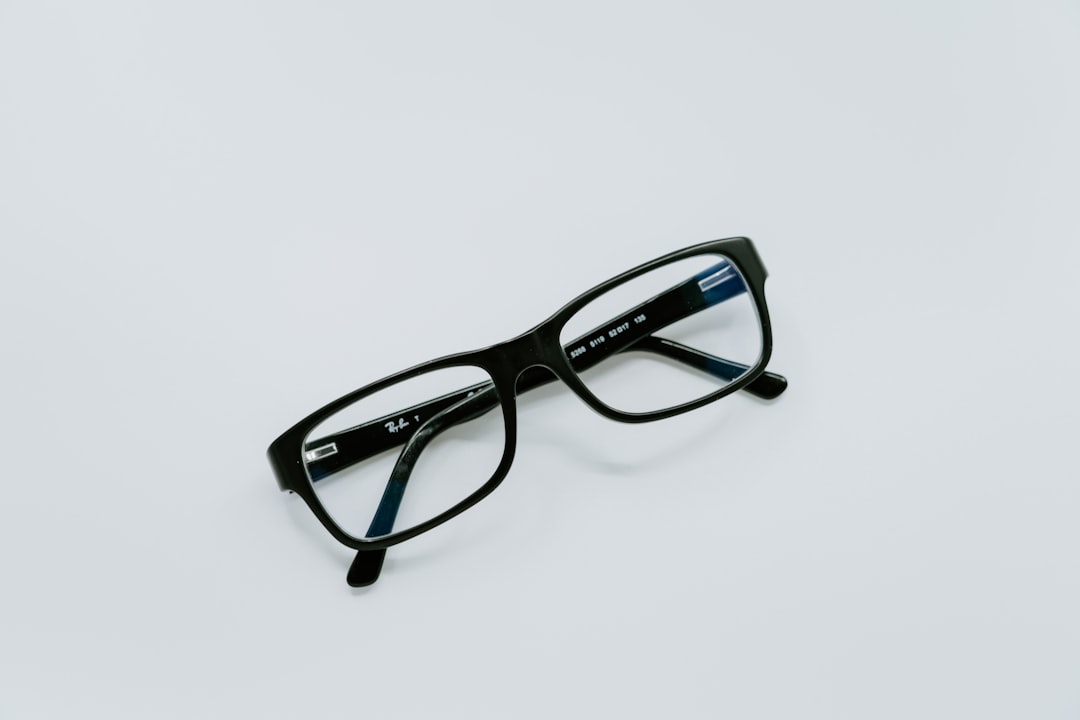
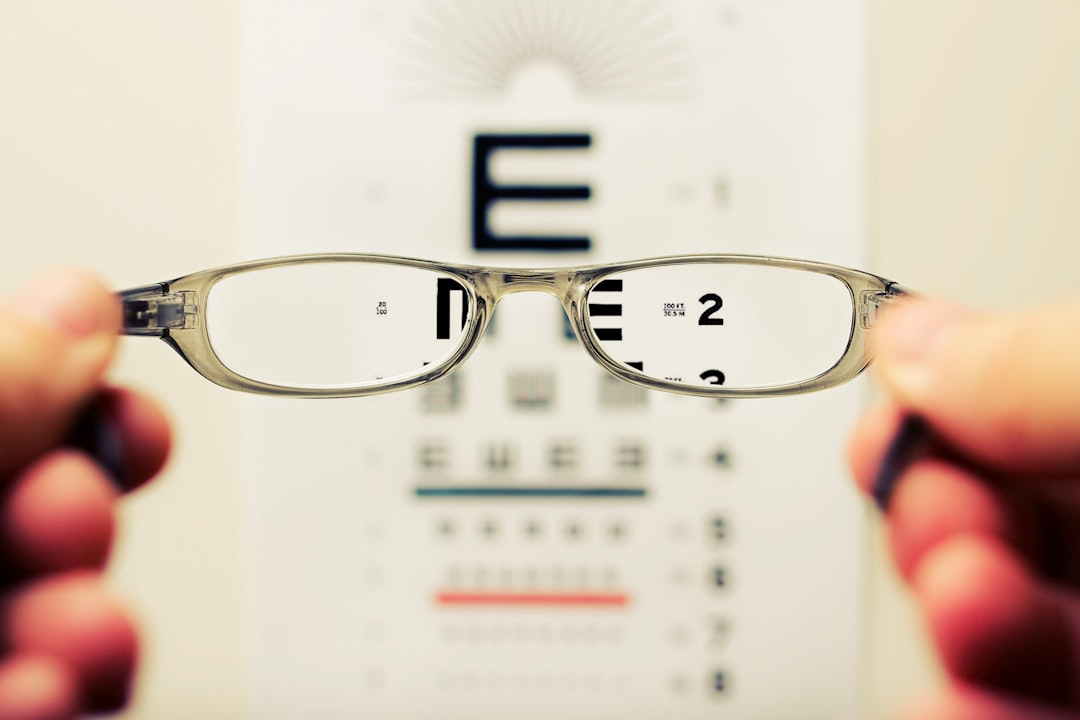
Choosing the right pair of sunglasses is part science, part style, and part practical shopping strategy. If you’re browsing a sunglasses store, you’ll quickly notice that not every lens or frame is built for the same job. Some pairs are designed to reduce glare for long drives, others are better for water, snow, or everyday city wear, and some are simply about balancing fashion with eye protection. The trick is understanding what polarized lenses actually do, how they differ from UV protection, and how to match lens tint, frame fit, and budget to your lifestyle.
This guide is built for shoppers who want real answers before they buy. We’ll cover when polarized sunglasses shine, when they may not be necessary, how to compare lens materials and coatings, and how to choose frames that complement your face, wardrobe, and use case. If you’re also comparing eyewear across categories, you may find it helpful to browse a few broader buying guides like capsule wardrobe style lessons, frame proportion tips, and women-owned fashion deals for inspiration on making smart style decisions with your budget.
What Polarization Actually Does
Polarization is glare control, not sun protection by itself
Polarized lenses contain a special filter that blocks horizontally reflected light, which is the harsh glare that bounces off roads, water, car hoods, and snow. That glare is not just annoying; it can also reduce contrast, make it harder to see lane markings, and create eye strain over time. Polarization improves visual comfort by cleaning up the “messy” light that reaches your eyes, but it does not automatically mean the lenses have better UV protection. In other words, a lens can be polarized and still be unsafe if it doesn’t block 100% UVA and UVB.
Think of polarization as a visibility upgrade and UV protection as a safety requirement. You need both for the best everyday experience, especially if you spend a lot of time outdoors. If you want a deeper look at how shoppers evaluate product claims, the approach in how to vet brand credibility offers a useful mindset: check the specs, look for proof, and avoid vague marketing language. That same habit helps you separate real optical quality from flashy product descriptions.
Why glare is so exhausting to your eyes
Glare forces your visual system to work harder. Your pupils may constrict, your eyes may squint, and your brain gets less clean information from the scene in front of you. For drivers, this matters because glare can come from wet roads, low sun angle, or the bright reflective surfaces of vehicles around you. For people at the beach or on the slopes, glare can be even more intense because sand, water, and snow act like giant reflectors.
That’s why polarized lenses often feel like a relief the moment you put them on. The world can look calmer, more defined, and less washed out. Still, there are times when the effect can be too strong or inconvenient, such as when you need to read certain LCD screens or dash displays. If you’re comparing eyewear as part of a broader lifestyle upgrade, the same practical lens appears in organizing a daily essentials kit and travel planning for digital nomads: choose tools that match the environment you’ll actually use them in.
Polarized vs non-polarized: the quick decision rule
If your main pain point is glare, polarized lenses are worth it. If you mostly want style, casual wear, or the lowest possible price, non-polarized sunglasses may be enough as long as they still provide full UV protection. There’s no universal winner, because the “best” lens depends on whether you value clarity, screen visibility, or affordability more. For many buyers, the sweet spot is a polarized pair for outdoor use and a second non-polarized pair for everyday fashion.
Pro tip: Polarization is most valuable in high-glare environments. If you drive often, fish, boat, ski, or spend weekends around open water, polarized lenses usually deliver the biggest comfort boost for the money.
When Polarized Sunglasses Are Most Beneficial
Driving: the most common high-value use case
Driving is one of the best reasons to buy polarized sunglasses. Reflected glare from wet pavement, windshields, mirrors, and chrome can make it harder to read the road at a glance. Polarized lenses can help sharpen contrast and make long drives feel less tiring. This is especially useful during sunrise and sunset, when light is low and reflections are at their worst.
That said, some digital displays in modern cars can look dimmer or harder to read behind polarized lenses. The solution is not to avoid polarization altogether, but to test the exact pair with your car if possible. Many customers compare options in a sunglasses store and then verify the frame with virtual try-on or in-store testing before buying. If your use case is commute-heavy, prioritize comfort, side coverage, and a lens tint that preserves road detail.
Water sports and beach days: where polarization really shines
Water reflects light intensely, which is why polarized lenses are a staple for fishing, boating, paddle sports, and beach vacations. Glare on the surface can hide what’s beneath the water or make a sunny day feel far brighter than it is. With polarization, water looks calmer and details become easier to see, whether you’re navigating a dock, spotting fish, or simply relaxing by the shore. The improvement is so noticeable that many people who try polarized lenses in this environment never go back.
For shoppers planning a trip, the logic is similar to using smarter trip timing and preparation, like in booking around major event spikes or preparing for specialist outdoor adventures. The environment matters. If the environment is shiny, reflective, and bright, polarization usually earns its keep.
Snow and mountain conditions: strong light, strong reflection
Snow reflects a huge amount of sunlight, which creates both brightness and glare. That is why skiers and snowboarders often benefit from polarized lenses, especially on blue-sky days or during long hours outdoors. A good polarized lens can improve contrast and make terrain easier to read, though in some snow sports, specialist tinted lenses may matter even more than polarization alone. For instance, amber, rose, or brown tints often help with contrast in flat light and variable weather.
If you’re exploring outdoor gear with a value mindset, there’s a lesson in how rising costs change purchase decisions: buy for the conditions that matter most to you, not the most dramatic brochure scenario. If you ski only once a year, you might favor all-purpose lenses. If winter sports are a regular part of your life, invest in a higher-performance pair with the right tint and wrap.
Lens Tint, Color, and Visibility: How to Choose the Right Look and Performance
Gray lenses: the safest all-around choice
Gray lenses are popular because they reduce brightness evenly without overly shifting color perception. That makes them a solid all-purpose choice for driving, walking, and general outdoor wear. If you want a pair that looks clean with most outfits, gray is usually the easiest option to wear daily. It’s also a smart selection if you’re buying one premium pair and want maximum versatility.
Gray works especially well for shoppers who care about a polished wardrobe. The same careful balancing act appears in capsule wardrobe planning and in choosing a frame shape that doesn’t fight your face structure. For people shopping for men's eyewear or women's frames, gray often feels elevated, understated, and easy to pair with both casual and professional looks.
Brown and amber: better contrast for variable light
Brown and amber tints boost contrast more than gray, which can be helpful in mixed conditions like partly cloudy days, tree-lined roads, or water sports. Many people also find these hues warm and flattering on the face. They can make landscapes feel richer and details pop more sharply, which is why they are a favorite for drivers and outdoor athletes. The tradeoff is that color balance becomes warmer, so some shoppers prefer gray if they want a more neutral view.
In a practical comparison, brown is often the “active use” tint, while gray is the “everyday classic” tint. If you want a smarter buying process, think like a researcher comparing product categories. A useful mindset comes from evaluating too-good-to-be-true deals: match the product’s strengths to your actual needs before assuming the cheapest or most popular option is best.
Green, mirrored, and fashion-forward tints
Green lenses can offer a balanced middle ground between gray and brown, preserving natural color while softening brightness. Mirrored lenses add extra surface reflectivity, which can reduce visible light and create a bold style statement. These choices are often where function and aesthetics meet, especially for shoppers who want their sunglasses to do double duty as a fashion accessory. If you’re shopping in a store that offers a wide assortment, use tint to narrow the field before comparing frame shapes and price tiers.
For shoppers who care as much about style as optics, the fashion lesson in accessory proportion is highly relevant. A strong tint can change the entire mood of a frame. If your outfit style leans sleek and modern, mirrored gray or green can look sharp; if you prefer warmth and softness, brown or amber may feel more natural.
UV Protection, Anti-Reflective Coating, and Other Lens Features That Matter
UV protection is the non-negotiable safety layer
No matter what color or style you choose, your sunglasses should block 100% of UVA and UVB rays. This is the baseline requirement for eye safety. Polarization does not replace UV protection, and a dark lens without UV filtering can actually be worse than no sunglasses because it dilates the pupil while letting harmful rays in. Always check the product specs, especially when ordering prescription glasses online or buying from a store with a broad range of price points.
Many shoppers focus on how dark a lens is, but darkness is not the same as protection. UV protection depends on the lens material and filtering properties, not just tint density. If a seller doesn’t clearly state UV400 or 100% UVA/UVB protection, ask before you buy. Trustworthy eyewear retailers usually make this easy to verify in the product details.
Anti-reflective coating: useful on the back surface of the lens
An anti-reflective coating reduces reflections bouncing off the back of the lens and into your eyes. This is particularly helpful because even if the front of the lens cuts glare, light can still reflect internally from behind. On sunglasses, AR coating is often most useful on the back side, where it improves comfort and reduces distracting ghost reflections. It can also make your eyes more visible to others, which some wearers prefer for social and style reasons.
In shopping terms, AR coating is one of those add-ons that can be worth it if you spend a lot of time in bright environments or around reflective surfaces. It’s especially worth considering if you’re comparing premium lenses against affordable glasses and want to understand where the extra money goes. For a broader view on product transparency and perceived value, the approach in transparency and community trust is a good reminder that clear specs build confidence.
Mirror coatings, scratch resistance, and lens material
Mirror coatings are primarily about reducing visible brightness and enhancing style. Scratch resistance is about preserving clarity over time, especially if the glasses will live in a bag, car, or gym kit. Lens material also matters: polycarbonate is lightweight and impact resistant, while nylon and high-index materials can offer other benefits depending on prescription needs. If you’re buying for durability, look beyond the headline tint and inspect the construction details carefully.
For shoppers who wear corrective lenses, the transition from style-only to vision-correcting eyewear can be seamless with the right provider. If you also need optical correction, compare your sunglasses options alongside premium comfort upgrades and value-focused buying decisions: don’t assume premium always means practical, and don’t assume budget always means basic.
Frame Fit: Style, Coverage, and Comfort
Fit affects both protection and wearability
A great lens can underperform if the frame fit is wrong. Sunglasses should sit comfortably on the nose, rest securely behind the ears, and cover enough of the eye area to limit light leakage from the sides and top. If the frames are too loose, they slip when you move, which is annoying and can reduce real-world protection. If they are too tight, they create pressure points that make you avoid wearing them when you should.
When shopping online, pay close attention to measurements such as lens width, bridge width, and temple length. Those numbers matter more than general size labels like small, medium, or large. If you need help thinking about fit in a more structured way, the practical lessons in organized gear planning and starter-piece selection translate well: choose based on dimensions, use case, and comfort, not just appearance.
Frame shapes that flatter different faces
Square and rectangular frames often complement round faces by adding structure. Rounder frames can soften angular faces, while aviators and wayfarer-style silhouettes tend to work across many face shapes because they balance classic proportions with broad coverage. Oversized frames can be glamorous and practical, but they need the right bridge fit to avoid sliding. If you’re shopping specifically for men's eyewear or women's frames, look for shape, brow line, and scale rather than relying on gendered labels alone.
A useful style rule is to create contrast without overwhelming your features. This is similar to the idea in wearing dramatic proportions intentionally: balance the silhouette. A strong frame can look sophisticated if it aligns with your facial proportions, but the wrong oversized shape can dominate your face and feel cumbersome.
Coverage matters more than trends for outdoor use
If you need sunglasses for driving, the beach, or snow, frame coverage can be just as important as tint. Curved wraps and deeper lens shapes help limit peripheral light, which is especially useful when glare comes from multiple directions. Fashion-forward slim frames can look amazing, but they may leave gaps that reduce performance in bright conditions. A smart shopper chooses style within the boundaries of usable coverage.
This is where a strong e-commerce eyewear design mindset helps: performance, protection, and presentation all need to work together. A frame that looks good on your face but fails in sun-heavy conditions is only half a win. Better to choose a frame that’s stylish enough for daily wear and protective enough for real environments.
How to Shop a Sunglasses Store Without Getting Overwhelmed
Start with use case, then narrow by lens features
The easiest way to shop is to begin with your main use case: driving, water, snow, walking, travel, or everyday wear. Once you know the environment, the lens recommendation becomes much easier. For driving and water, prioritize polarization and neutral or contrast-boosting tint. For all-day city use, balance UV protection, comfort, and a frame that matches your wardrobe.
To avoid decision fatigue, compare only a few models at a time and use filters for size, lens color, and frame style. This is similar to the way smart buyers reduce complexity in other categories, whether they are evaluating online handmade deals or comparing direct-to-consumer versus retail value. Narrow the field before you fall in love with a shape that may not suit your needs.
Compare budget tiers by where the money actually goes
Entry-level sunglasses usually give you the essentials: UV protection, a basic frame, and sometimes polarization. Mid-range pairs often add better lens clarity, stronger hinges, more durable materials, and more flattering fit options. Designer eyeglasses and designer-inspired sunglasses may also add brand prestige, refined finishing, and more fashion-forward silhouettes. None of those price levels is automatically better; the real question is whether the added cost improves comfort, durability, or style enough for your life.
Consumers who want value should think in terms of “cost per wear.” A pair you wear every day for driving or commuting may justify a higher price than a trend-driven pair you use only on vacation. If you’re price-sensitive, the broader lessons in deal hunting and brand discovery can help you identify good buys without overpaying.
Check return policies, warranties, and fit support
Even with virtual try-on, frame fit can be hard to judge online. That’s why customer-friendly returns and fit guarantees matter so much. Before purchasing, confirm whether the store accepts exchanges, how long returns take, and whether lenses are eligible for refund or remake. If you’re buying correction lenses as well, verify prescription requirements carefully to avoid delays.
Retail trust is a major factor in eyewear, just as it is in other consumer categories that depend on clear specifications and service quality. Helpful examples include brand follow-up checklists, deal diligence frameworks, and trust-not-hype purchasing habits. In sunglasses, trust is built through transparent lens specs, clear sizing, and easy post-purchase support.
How Polarization Fits with Prescription Lenses and Everyday Eyewear
Yes, polarized lenses can be prescription lenses
Many shoppers assume polarized sunglasses are only for non-prescription use, but that’s not true. You can often order polarized prescription sunglasses, including single vision and in some cases progressive options, depending on the retailer and lens type. This is useful if you want one pair that corrects your vision and cuts glare outdoors. If you already buy prescription glasses online, the ordering process will feel familiar: upload your Rx, choose lens upgrades, and confirm the pupillary distance and fit details.
Prescription wearers should also think about how often they’ll switch between regular glasses and sunglasses. If you are outdoors frequently, a dedicated polarized prescription pair can be more convenient than clipping on accessories or over-glasses solutions. For some shoppers, that second pair becomes their go-to driving or vacation option, similar to how people keep specialized items in a travel kit rather than forcing one product to do everything.
When anti-reflective coating adds value to prescription sunglasses
Prescription sunglasses often benefit from an anti-reflective coating on the back surface, especially when glare can bounce into the lens from behind. This helps reduce internal reflections and improves comfort on bright days. It can also make the lens look cleaner in photos and in everyday wear. If your sunglasses will double as a style accessory, that cleaner appearance can be a subtle but real upgrade.
Some buyers worry that too many coating options will inflate the price. The best way to think about it is to bundle features by use case. For a commuter or frequent driver, polarization plus UV protection plus back-surface AR coating is a high-value package. For occasional style wear, UV protection and a flattering frame may be enough, with polarization reserved for a second pair.
Everyday eyewear strategy: one pair rarely does it all
A practical eyewear wardrobe often includes a few different pairs: one everyday optical pair, one fashion-forward pair, and one high-performance sunglasses pair. That’s the same logic that guides people building a flexible wardrobe or organizing gear for different activities. If you want all-purpose style, designer frames may be great for your regular prescription glasses, while polarized sunglasses handle outdoor glare. If your budget is tighter, you can prioritize the pair that has the biggest daily impact and keep the rest simple.
For shoppers who like to compare product categories and performance tradeoffs, retention lessons from retail and value-driven fashion buying both point to the same conclusion: the best product is the one you keep using because it fits your life, not just your feed.
Comparison Table: Which Sunglasses Specs Fit Which Buyer?
| Buyer Need | Best Lens Type | Recommended Tint | Frame Notes | Budget Tier |
|---|---|---|---|---|
| Daily driving | Polarized + UV400 | Gray or brown | Medium coverage, secure fit | Mid-range to premium |
| Fishing or boating | Strong polarized lens | Brown, amber, or green | Wrap style, side protection | Mid-range to premium |
| Snow sports | Polarized or contrast lens | Rose, amber, brown | High coverage, helmet-friendly | Mid-range to premium |
| City fashion wear | UV protection only or polarized | Gray or mirrored fashion tint | Style-first, comfortable bridge | Affordable to designer |
| Prescription sunglasses | Polarized prescription lens | Gray or brown | Stable fit, verified measurements | Mid-range to premium |
| Budget-conscious shopper | UV-protective non-polarized | Gray or smoke | Simple, durable frame | Affordable glasses |
Smart Buying Checklist Before You Click “Buy”
Confirm the essentials first
Before you purchase, confirm that the sunglasses block 100% UVA/UVB, fit your face size, and match your main use case. If the pair is polarized, make sure the listing explains that clearly and doesn’t hide it in vague wording. If you need prescription lenses, double-check the Rx requirements and any return limitations. A good store should make these details easy to understand, not force you to decode them like fine print.
It also helps to think about longevity. Are the hinges sturdy? Is the frame material flexible enough for daily wear? Will the lens tint work across morning, noon, and late afternoon? Those questions are what separate impulse purchases from lasting favorites.
Test style with utility, not style alone
Style matters, but style works best when it’s paired with practical coverage and comfort. Try asking whether the frame still looks good from the side, whether the width balances your face, and whether the tint complements your wardrobe. If you’re buying online, virtual try-on can reduce uncertainty, but it shouldn’t be the only factor. The more detailed the product page, the better your odds of getting the right pair on the first try.
For a useful analogy, consider how buyers compare other consumer products when aesthetics and performance overlap, like convertible laptops or smart home upgrades. The winning choice is the one that looks good and solves a real problem. Sunglasses are no different.
Use price as a clue, not the final decision
Price often reflects a combination of material quality, lens tech, brand positioning, and retail service. Designer eyeglasses and premium sunglasses can be worth it if the frame is comfortable, the lens is clear, and the build quality supports long-term wear. But there are also excellent affordable glasses that deliver strong value with less brand markup. That’s especially true if the retailer is transparent about coatings, lens materials, and return policies.
If you want to stretch your budget, prioritize the features that affect daily use: UV protection, fit, and the right tint. Polarization is a major bonus for glare-heavy environments, but it is not always necessary for every buyer. Spend where it changes your actual experience, not where it only changes the label.
Frequently Asked Questions About Polarized Sunglasses
Do polarized sunglasses block UV rays?
Not automatically. Polarization reduces glare, but UV protection is a separate feature. You still need lenses that explicitly state 100% UVA/UVB or UV400 protection.
Are polarized sunglasses better for driving?
Usually yes, because they reduce glare from roads and other vehicles. However, some dashboard or screen displays may be harder to read, so it’s smart to test them in your car if possible.
Can I get polarized prescription sunglasses online?
Yes. Many retailers offer polarized prescription lenses, including single vision and sometimes progressives. You’ll need accurate prescription details and should review the store’s exchange policy carefully.
What lens tint is best for all-around use?
Gray is the most versatile all-around tint because it reduces brightness evenly and preserves natural color better than warmer tints.
Is anti-reflective coating worth it on sunglasses?
Often yes, especially on the back surface of the lens. It can reduce internal reflections and improve comfort in bright, reflective conditions.
Are polarized lenses always the best choice?
No. They are best for glare-heavy settings like driving, water, and snow. If you mainly want fashion, budget value, or maximum screen visibility, non-polarized UV-protective lenses may be better.
Final Take: Buy for the Way You Live
The best polarized sunglasses are not simply the darkest or trendiest pair on the shelf. They are the pair that protects your eyes, reduces glare in the places you spend time, fits your face comfortably, and matches your style without blowing your budget. If you drive frequently, spend weekends on water, or head into snow, polarization can be a real quality-of-life upgrade. If your use is more casual, a well-made UV-protective pair may be enough, especially if you’re balancing cost and style.
As you compare options in a sunglasses store, remember to weigh lens tint, frame fit, coatings, and return support together. For some buyers, the best solution is a premium polarized pair; for others, it’s a practical and affordable glasses option with strong UV protection and a flattering frame. Either way, a smart purchase starts with the right information, and ends with sunglasses you’ll actually wear.
Related Reading
- Designing Eyewear Packaging for E-commerce: Protection, Branding, and Lower Returns - Learn how better packaging protects frames and improves the unboxing experience.
- How to Vet a Brand’s Credibility After a Trade Event: A Shopper’s Follow-Up Checklist - A practical trust checklist for evaluating online sellers.
- Due Diligence for Niche Freelance Platforms: A Buyer’s and Investor’s Checklist - A useful framework for checking specs, policies, and reputation.
- What South Carolina Land Buyers Need to Know Before Chasing a ‘Too Good’ Deal - A reminder to verify value before you get tempted by low prices.
- Transparency in Tech: Asus' Motherboard Review and Community Trust - See why clear product details build confidence and loyalty.