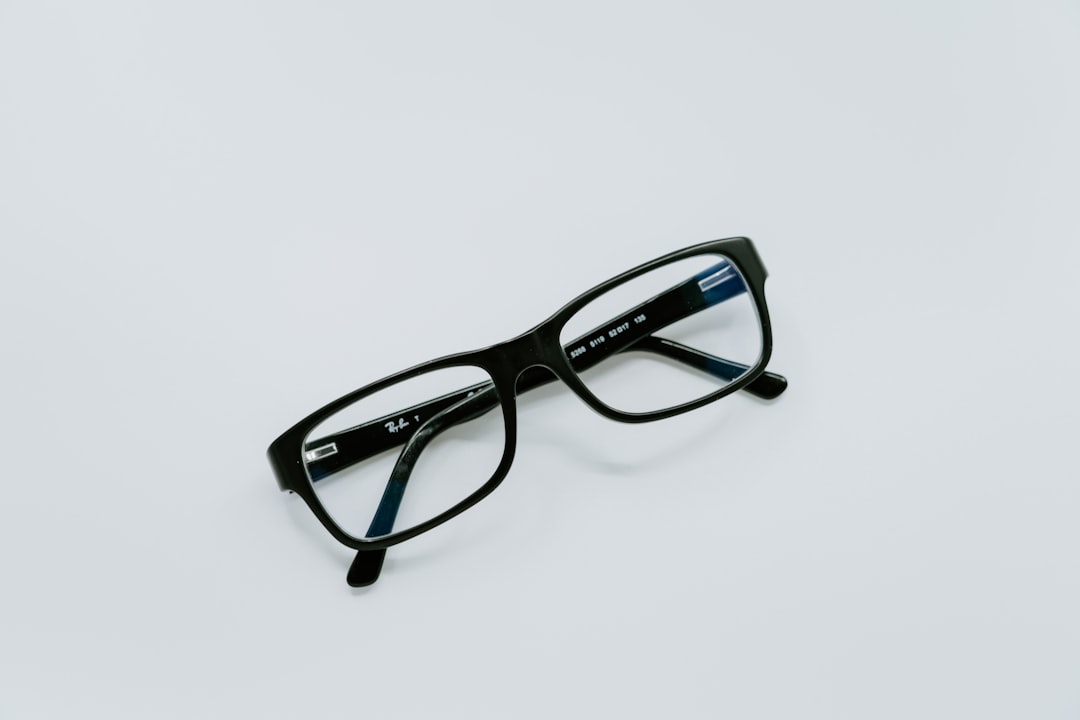
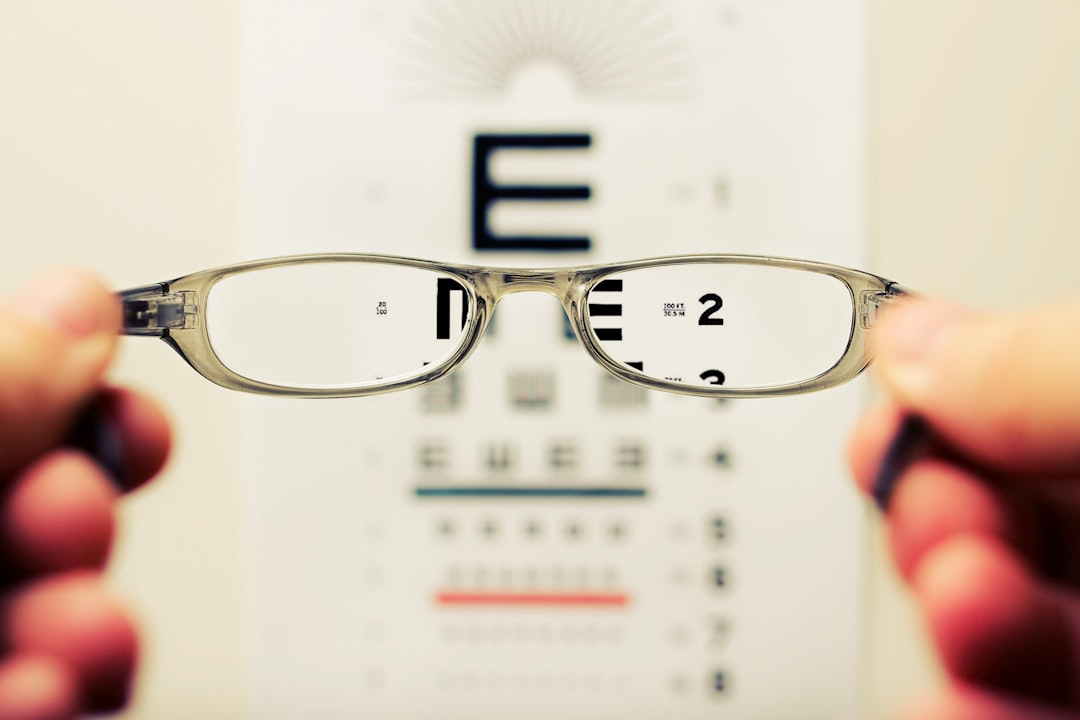
Choosing glasses for a child is more than picking a color or a cartoon character — it’s about balancing comfort, clear vision, durability and confidence. This deep-dive guide shows parents and caregivers how to select eyewear for kids that fits well, looks great, and adapts to the rapid growth and active lifestyles children lead. We also draw inspiration from the booming kids' clothing swap movement to offer creative, budget-friendly ways to rotate styles and extend the life of frames.
Why children's eyewear needs its own playbook
The growth and prescription reality
Children’s faces change quickly. Unlike adults, kids may need new lens prescriptions, different pupillary distance measurements, or slightly larger frame sizes within 12–24 months. That means an ideal kids’ frame is adjustable, forgiving and easy to replace when necessary. When shopping, look for flexible materials and features that make substitutions easier—information you'll find helpful if you're following secondhand or swap strategies championed by parents.
Comfort equals wear time
Comfort drives compliance. If glasses feel heavy, pinch behind the ears, or slip down the nose, a child will fidget and remove them — undermining both vision and habit-building. Prioritize lightweight materials, soft nose pads, and spring hinges. For tips on combining comfort with kid-friendly fashion, check resources about dressing kids for occasions and style in context.
Durability and safety first
Kids are active. Frames should survive drops, roughhousing, and repeated cleaning. Look for impact-resistant lenses, reinforced hinges, and flexible frames that return to shape. For families budgeting wisely while seeking reliable products, guides on safe, smart online shopping are a practical companion to frame selection: A Bargain Shopper’s Guide.
Lessons from the kids’ clothing swap trend
Why swaps are growing and what parents gain
Clothing swaps have exploded as families look to reduce waste, save money, and refresh wardrobes more often. The same approach works for eyewear: swapping gently used frames among trusted circles extends frames’ value and introduces kids to rotating looks. Swapping is often paired with gifting events — for ideas on kid-focused gifting at swaps, see Delightful Gifts.
Style experimentation without the commitment
Swaps let kids try shapes and colors quickly — a low-risk way to let them express taste. Parents who host or attend swaps often treat frames like accessories: a way to match a special outfit or a seasonal look (similar to themed child apparel guidance in our reading on how to dress for occasions). Incorporate eyewear as a style layer the way parents remix shoes and pajamas for comfort and mood: Pajamas and Mental Wellness offers context on how comfort influences confidence.
Hygiene and safety checklist for swapped frames
Before accepting or handing off used frames, follow a strict cleaning and inspection routine: disinfect lenses and frames, replace worn nose pads, test hinge tension, and confirm lens prescriptions. When swaps include toys and gifts, parents often check for product safety and condition — similar approaches to curated toy exchanges are discussed in Seasonal Toy Promotions and Personalized Toys.
Fit guide: Measurements and how to measure at home
Key measurements parents must know
To pick frames that truly fit, record three core numbers: lens width (mm), bridge width (mm), and temple length (mm). If you have a current pair of spectacles, these are usually printed on the inside arm. If buying online, compare those numbers to product specs to avoid returns.
How to measure a child at home — step-by-step
1) Lens width: Measure the horizontal width of one lens. 2) Bridge: Measure the narrowest point between the lenses that rests on the nose. 3) Temple length: Measure from the hinge center to the tip that tucks behind the ear. Snap a photo of your child face-forward for virtual try-on tools (more on that later). For a broader look at at-home prep for shopping across platforms, check trends in online shopping and social commerce: Navigating TikTok Shopping.
Understanding fit categories: snug, cruise-control, loose
Snug fit is ideal for sports and highly active kids — think flexible rubberized frames. Cruise-control (a balanced fit) is best for school and everyday wear. Loose is only for temporary use and will cause slippage. When in doubt, lean toward slightly adjustable frames with soft nose pads and spring hinges.
Frame materials: What to pick for longevity and comfort
Common materials and their children-friendly characteristics
Child-friendly frames typically fall into several material categories: TR-90/nylon (flexible, lightweight), acetate (stylish, adjustable but heavier), metal alloys (durable, sometimes hypoallergenic), and injected plastics (budget and colorful). Each has trade-offs in weight, adjustability and price.
Choosing based on age and activity level
Toddlers and preschoolers benefit from soft, flexible materials that bend and rebound. School-age children can wear slightly heavier acetate if they want fashion-forward shapes, while teens often prefer metal or mixed-material frames that look grown-up. For footwear and seasonal apparel parallels that inform whole-outfit decisions (including eyewear), see guidance on footwear and seasonal mixes: Must-Have Footwear Styles.
Detailed comparison table: frame materials at a glance
| Material | Weight | Durability | Adjustability | Kid-Friendly Rating (1-5) |
|---|---|---|---|---|
| TR-90 / Nylon | Very light | High (flexible) | Good (flexible) | 5 |
| Acetate | Medium | Medium (can break under stress) | High (heated adjustments) | 4 |
| Metal alloys (stainless/monel) | Light to medium | High (if reinforced) | Medium | 4 |
| Injected plastic | Light | Low to medium (brittle) | Low | 3 |
| Rubberized sport frames | Light | High | Very high (designed for shocks) | 5 |
Lens options and coatings parents should consider
Basic lens types for kids
The most common options are polycarbonate (impact-resistant, lightweight), high-index (thinner for stronger prescriptions), and trivex (impact-resistant with excellent clarity). For nearly all children, polycarbonate or trivex are excellent starting points due to impact resistance and safety certifications.
Coatings, filters, and blue light considerations
Anti-scratch coatings prolong life, anti-reflective coatings improve clarity and reduce glare, and UV protection is non-negotiable for outdoor eyewear. Blue-light filtering is a debated value proposition; while some parents find it helps with screen-related complaints, evidence is mixed. If your child spends long evenings on screens, a mild blue-light coating can be a low-cost experiment.
Practical lens decisions tied to lifestyle
For sports players, pair polycarbonate lenses with a snug sports strap. For fashion-first kids who wear glasses at school and home, anti-reflective and scratch coatings are essential. If budget is a constraint, prioritize impact resistance over premium coatings, then add extras as funds permit. For budgeting tips that translate across family purchases (including bigger home buys), consult our budgeting guide: Budgeting for Big Family Purchases.
Style and confidence: helping kids find their look
Age-based styling approaches
Toddlers: bright colors, simple shapes that hold up to play. School-aged children: mix-and-match frames that relate to outfit swaps and seasonal looks. Teens: shapes aligning with adult fashion trends — thin metal frames, subtle tortoiseshell, or bold square acetate. Trend inspiration and how music or costumes influence kid outfits is covered in imaginative ways in pieces like soundtrack-to-costume.
The power of choice and self-expression
Let kids try at least three styles before deciding: one conservative, one adventurous, and one in-between. Participation builds ownership and encourages them to wear the glasses consistently. For ideas on how parents craft experiences around shopping and style that children will cherish, parallels appear in personalized toy experiences: Personalized Experiences.
Mixing eyewear into swap-style wardrobes
As families rotate clothes, frame rotation can become a fun ritual: hold a seasonal eyewear swap with other parents, or section frames by activity (school frames, weekend frames, sport frames). Pairing eyewear with seasonal outfits—just like shoes and seasonal promotions—helps kids see glasses as part of a complete look: seasonal footwear and curated gifting edits are good comparative reads.
Pro Tip: Let your child pick one ‘fun’ frame per season. When they help choose, wear time and confidence climb dramatically.
Buying online and virtual try-on — a parent’s checklist
Preparing for virtual try-on sessions
Take a well-lit, straight-on photo of your child, remove hats and hair from the face, and capture a natural expression. Many virtual tools work best with high-contrast backgrounds and direct eye-level shots. If you’re exploring social commerce and discovery channels for frame ideas, consider how trends on platforms are shaping purchases: TikTok photography trends and TikTok shopping approaches can influence what kids want.
How to read product specs for better decisions
Always scan the specs for frame measurements, lens material, hinge type (spring hinges are ideal), and recommended age ranges. Read real customer photos and reviews focusing on long-term wear and returns. Compare warranty and return windows — a generous return policy is a major advantage when shopping for growing kids.
When to choose in-person vs. online
Choose in-person fittings for toddlers or when the child is resistant to trying frames on-screen. Online shops excel for older kids who can sit for photos and want multiple styles quickly. If you’re buying used or swapped frames, online marketplace tips and safe shopping practices are covered in a bargain shopper guide.
Sports, school rules and safety considerations
Frame features for active kids
Sports frames should have flexible temples, wraparound fits, and impact-rated lenses. Add a comfortable strap for contact sports and cycling. For cycling-specific safety and age rules in your area, consult youth cycling regulations and parental responsibilities: Navigating Youth Cycling Regulations.
Understanding school policies and dress codes
Some schools have restrictions on flashy accessories; others welcome them. Communicate with school staff about safety-compliant frames for P.E. and recess. Framing eyewear choices in the context of whole-outfit rules can reduce surprises during the school year — similar to how parents prepare for seasonal outfit coordination or costume days.
Protecting eyewear insurance and warranties
Check if your vision plan or third-party insurer provides lens and frame coverage. Warranties often cover manufacturing defects but not damage from rough play — ware insurance or replacement programs are valuable for families who can't commit to immediate replacements after every accident.
Maintenance, cleaning and long-term care
Daily cleaning routines kids can learn
Teach a two-step cleaning routine: rinse under cool water, then wipe with a microfiber cloth and lens cleaner. Keep a small cleaning kit in backpacks. Encourage kids to use cases rather than leaving glasses loose in lockers or lunch bags.
Repair basics parents should try at home
Loose screws can be tightened with a small eyeglass screwdriver. Replace silicone nose pads when worn. For snapped arms or badly warped frames, a professional repair or swap is safer than DIY fixes. Community swaps sometimes include a repair exchange where parents trade skills — a concept similar to how communities circulate other resources in curated events like toy promotions and gifting edits Seasonal Toy Promotions and Gifting Edits.
When to replace frames and lenses
Replace lenses if prescription changes affect vision quality. Replace frames when structural integrity is compromised or comfort declines. For families balancing upgrades and budgets, consider rotating frames via swaps or resale channels to stretch each purchase’s mileage.
Budgeting, swapping and resale — a parent’s financial playbook
How to set a realistic eyewear budget for kids
Decide what matters: brand, lens quality, or style rotation. Many families set a two-tier system — a reliable everyday pair and a seasonal/fashion pair. Align eyewear budgets with other family spending strategies; for household budgeting principles that apply here, see our renovation budgeting guide for hands-on strategies: Budgeting Guide.
Creative ways to rotate and refresh styles
Host a neighborhood eyewear swap brigade alongside clothing swaps. Trade gently used frames, or set up a low-cost lending shelf at school or community centers. For ideas on organizing community-driven marketing and initiatives, parallels exist in food and community marketing strategies: Crafting Influence for Community Initiatives.
Resale and trade-in options
Certain retailers offer trade-in credits for gently used frames; consignment platforms and local swap events are alternative routes. When accepting used frames, always verify lens prescriptions and frame condition before handing them to another child.
Real-world examples and mini case studies
Case study: The swap day that saved a family $120
When one parent hosted a swap event at a community center, a 9-year-old girl traded a barely-used acetate frame for a sports-ready TR-90 pair. The family saved on a new purchase and avoided a shipping delay. Events like this echo the seasonal and promotional strategies found in curated toy and gift communities Seasonal Toy Promotions and Delightful Gifts.
Case study: Virtual try-on reduces returns by selecting proper size
A family used a retailer’s virtual try-on tool and uploaded straight-on photos. Because they measured and input the child’s frame dimensions, the first shipped pair fit closely, eliminating a return. This demonstrates the potential for technology to streamline selection when combined with proper at-home prep and clear product specs — a lesson shared with parents who navigate fast-moving social commerce and platform trends Navigating TikTok Shopping.
Case study: Mixing thrift finds into teen styling
Ateen’s wardrobe included thrifted jackets and swapped frames. The teen used one bold pair for photos and a subtle metal frame for school, showing how eyewear can be an accessible style anchor for kids and teens alike. If you’re looking for inspiration on mixing wardrobe elements, read how to approach stylistic choices and influence: TikTok photo trends.
Frequently Asked Questions
1. What age should my child get their first prescription glasses?
There’s no single age—children should get an eye exam as early as recommended by your pediatrician or optometrist. If a vision problem is identified, follow your eye care professional’s guidance. Early detection improves outcomes.
2. Are blue-light lenses necessary for kids?
Blue-light coatings may help with screen-related eye strain for some children, but evidence is mixed. Prioritize impact resistance and UV protection first; consider blue-light filters as a secondary upgrade.
3. How often should I replace my child’s glasses?
Monitor comfort and vision: replace when the prescription changes, when frames break or become uncomfortable, or annually if growth is rapid. For budget-conscious rotation, swaps and community events can stretch value.
4. Can I safely buy used frames for my child?
Yes, if the frames are in excellent condition, lenses match the child’s prescription, and they pass a hygiene and structural check. Avoid used frames if the lenses are scratched, or the frame is warped.
5. What features matter for sports glasses?
Choose wraparound frames, impact-resistant lenses (polycarbonate or trivex), rubber grips on temples and nose pads, and a secure strap. Confirm compatibility with helmets or mouthguards if needed.
Closing checklist for buying eyewear for kids
Before you buy
Measure an existing good-fitting pair, capture a straight-on photo for virtual try-on, and decide which features are must-haves (impact lenses, spring hinges, strap compatibility).
At purchase
Confirm lens material and coatings, check the return policy and warranty, and schedule a follow-up eye exam within 12 months to monitor prescription changes.
After purchase
Teach care routines, store a spare case in your child’s backpack, and consider participating in local swap groups to keep styles fresh while minimizing waste.
Final thoughts: blending style, practicality and the swap spirit
Eyewear for kids sits at the intersection of health care, fashion and family logistics. The clothing swap movement shows families how to meet all three: rotate styles responsibly, conserve budget, and make eyewear a fun, expressive element of a child’s identity. Whether you’re buying your child’s first pair or building a small eyewear rotation, prioritize comfort and safety first, then add the style elements that make glasses feel like a true accessory. For more ideas on community-led trends and how parents can leverage social commerce for kid-focused purchases, dive into resources about curated promotions and gifting strategies: Seasonal Toy Promotions, Gifting Edit, and Community Campaigns.
Where to learn more
Explore how to safely shop online, find swap event inspiration, and learn social commerce tactics with these reads: Safe & Smart Online Shopping, TikTok Shopping Guide, and Visual Trends for Discovery.
Related Reading
- Fashioning Comedy: How Iconic Outfits Shape Sitcom Identity - A fun look at how outfits (and accessories) define characters — useful for styling inspiration.
- The Power of Playlists - Learn how mood influences performance; a creative lens for picking eyewear that boosts confidence.
- Scent Pairings Inspired by Iconic NFL Rivalries - An example of thematic pairing that can inspire coordinated accessory choices.
- The Future of Severe Weather Alerts - Tips for family preparedness that pair with outdoor eyewear needs.
- A Bargain Shopper’s Guide to Safe and Smart Online Shopping - Extra reading on buying used and new goods safely online.