Luxury-looking eyewear does not have to come with luxury-level sticker shock. If you know how to compare frame materials, use hyper-personalized sunglass recommendations, and shop with a plan, you can buy designer eyeglasses that feel elevated without paying for unnecessary markup. The trick is understanding what actually creates the “expensive” look: proportions, finish, fit, lens clarity, and how the frame sits on your face. Once you know those variables, it becomes much easier to find pieces that feel worthwhile rather than overhyped.
This guide breaks down exactly how to shop for affordable glasses that still deliver polish, durability, and comfort. We’ll compare materials, explain which lens upgrades are worth paying for, show how to use virtual try-on glasses tools properly, and help you avoid overspending on extras you probably do not need. For shoppers deciding between in-store and online buying strategies, the smartest path is often a mix of research, fit checks, and selective upgrades.
1) What Makes Eyeglasses Look “Designer” in the First Place
Shape, proportions, and face balance
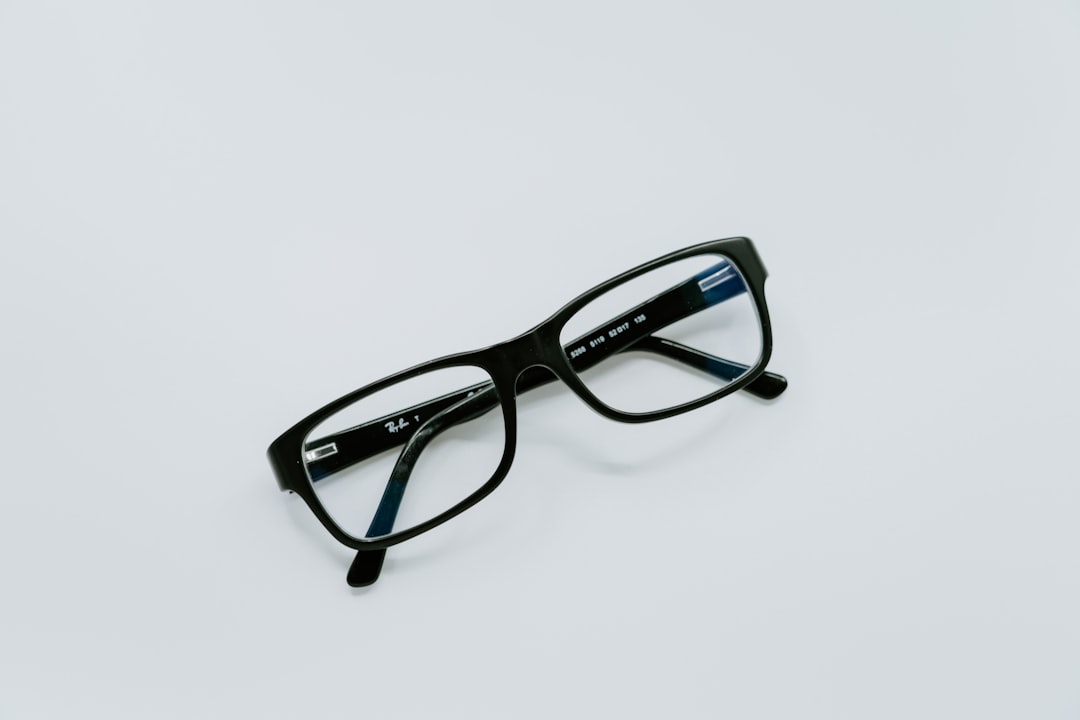
High-end eyewear rarely looks expensive because of a logo alone. It looks expensive because the frame width, bridge fit, lens height, and temple length are in proportion to the wearer’s face. When those dimensions are right, the glasses appear intentional and tailored, which reads as premium even if the frame is not from a runway brand. This is why shoppers looking for design-conscious purchases should start with fit, not with labels.
A round face often benefits from angular frames, while a square face can look softer in rounded or oval silhouettes. Women’s styles frequently lean into cat-eye, oversized square, and translucent acetate because those shapes add visual interest, while men’s eyewear commonly focuses on clean wayfarer, browline, and rectangular profiles. The lesson is simple: if the geometry flatters you, the frame looks more expensive than it is. That is also why a thoughtful fit strategy beats chasing the most recognizable logo.
Finish and detailing matter more than people think
The finish on a frame can dramatically change perceived value. Matte finishes can look modern and refined, while glossy acetate can appear rich and bold when the color is deep and well-polished. Small details like metal hinge construction, engraved temple accents, and clean edge polishing also signal quality. For many shoppers, these details are more important than a brand name hidden on the arm.
When evaluating women’s frames or men’s eyewear, look at the front profile and side profile separately. A frame can look gorgeous straight on but bulky from the temple, or it can feel lightweight yet cheap if the plastic appears cloudy. This is the kind of distinction people miss when they only scroll product photos. For a broader lens on buying with confidence online, see how strong product presentation improves trust.
Brand aura vs actual build quality
Designer pricing often bundles craftsmanship, marketing, and prestige. The good news is that you can strip away the prestige premium and still get a frame that looks refined. In many cases, the frame silhouette and material quality are doing most of the visual work, while the logo is doing the price inflation. That is why shoppers should evaluate the frame like a product engineer would, not like a celebrity fan would.
Pro Tip: If you love a designer frame but not the price, use the brand as a reference point for shape, thickness, and finish—then search for similar specs in budget options that punch above their weight instead of paying for the name alone.
2) Materials That Deliver Luxury Feel Without Luxury Cost
Acetate, metal, TR90, and mixed materials
Material choice is one of the biggest factors in how glasses look, feel, and last. Acetate is often favored for premium-looking fashion frames because it can hold rich colors, bold thickness, and a polished shine. Metal frames can look sleek and refined, especially when the bridge and temples are slim, but cheaper metals may bend too easily or tarnish over time. TR90 and other lightweight plastics are usually more budget-friendly and flexible, making them a smart option for everyday wear.
Mixed-material frames are a sweet spot for many shoppers because they combine the structure of metal with the visual warmth of acetate. They can look elevated while keeping weight manageable, which matters if you wear glasses all day. If you are comparing models for quality and reliability, think in terms of how the frame will behave after months of use, not just how it looks in the product shot.
Which materials are best for different budgets
If your budget is tight, prioritize acetate-look designs or sturdy lightweight plastics with clean finishing. If you want a more premium feel, invest in well-made acetate or a mixed-metal frame with adjustable nose pads and solid hinges. For shoppers who want designer aesthetics in prescription glasses online, these material choices matter more than whether the brand is famous. You can often get 80% of the visual effect at 30% of the price by making material the deciding factor.
One useful rule: spend more on the frame if you wear it every day, and save on decorative details if the frame is a seasonal style. This mirrors the logic in buying other consumer products, where some features matter to durability and others only to perceived luxury. If you are a value shopper, this is the same mindset behind choosing smart value trade-offs instead of blindly choosing the most expensive option.
How to spot low-quality construction online
Look closely at hinge photos, bridge thickness, and the consistency of frame color around the edges. Poor-quality acetate often looks washed out at the temples or uneven around the lens rim. On metal frames, watch for rough solder points, thin temple arms, or flimsy nose pads that suggest a short lifespan. Real luxury usually feels purposeful, not fragile.
Avoid confusing weight with quality. Heavier glasses are not automatically better, and very light glasses are not always cheap. What you want is balanced weight, stable hinges, and a frame that holds its shape after repeated handling. For more on judging quality in online product listings, compare the way buyers assess performance versus practicality in other categories: the best option is the one that suits your use case, not the one with the biggest claims.
3) Where to Find Better Prices: Outlets, House Brands, and Smart Sales
Designer outlet strategy
Outlet shopping is one of the easiest ways to access designer-quality frames without paying full retail. The best outlets typically carry previous-season styles, overstock, or colorways that are being phased out. You do not have to settle for unattractive frames to save money; in fact, many outlet selections are nearly identical to current inventory, just at a lower cost. This is especially useful if you want designer eyeglasses that still carry the premium look.
When shopping outlet inventory, check whether the frame is discontinued or merely discounted. Discontinued styles can be a great deal if you like a classic silhouette, but replacement parts and matching accessories may be harder to find. That said, if the frame is built well and fits your face, a discontinued style can be a very smart buy. Think of it as the eyewear equivalent of choosing a reliable used car with a strong maintenance record.
House brands and budget collections
House brands can deliver surprising value because they focus on frame architecture rather than brand storytelling. Many online retailers now offer curated collections that mimic the proportions of luxury styles while keeping pricing accessible. That is where you often find the best “worth buying now” style picks: clean lines, wearable colors, and materials chosen for comfort rather than hype. In other words, you are paying for product design, not just a logo.
Pay special attention to frame width and lens size in these collections. Some low-cost frames look trendy but are oversized in a way that overwhelms the face. Others look refined because the proportions are balanced and the bridge width is realistic. If you are shopping for affordable glasses, this is where a careful comparison can save you from buying something that looks good on a product page but not on your face.
Sales, bundles, and timing
Good deals often come from timing, not luck. Seasonal promotions, bundle offers, and limited-time discounts can reduce the total cost significantly, especially when you need lenses too. The best approach is to shortlist two or three frames, watch pricing for a few days, and then buy when a meaningful promo appears. This is similar to how people use flash deal triaging to separate real savings from marketing noise.
Be careful with “extra discount” offers that force you into expensive add-ons. Sometimes the frame price is low because the lens package is inflated. A better strategy is to compare the total out-the-door cost, including lenses, coatings, and shipping. That way you can judge whether the discount is real or just a pricing illusion.
4) How Virtual Try-On Reduces Risk and Prevents Costly Mistakes
Why virtual try-on matters more than ever
Virtual try-on glasses tools help solve one of the biggest online eyewear pain points: uncertainty about fit and appearance. They let you see how frame width, lens shape, and color interact with your face before you buy. That reduces returns, which saves time and often saves money too. For fashion-conscious shoppers, it also helps you test styles you might not try in person.
Done well, virtual try-on is not just a gimmick. It can help you discover that a translucent frame softens your features, that a narrower bridge looks cleaner, or that a bold square silhouette gives you the designer effect you wanted. It is especially useful when browsing campaign-inspired fashion looks where the model image may not match your face shape. The goal is to use the tool as a decision aid, not as a replacement for common sense.
How to use try-on tools correctly
Start with an accurate photo or live camera setup in good lighting. Make sure your face is centered and the camera is at eye level, because distortion can make the frame appear larger or smaller than it really is. Compare the same frame in multiple colors if available, since color can change the entire mood of the glasses. A black frame may look polished and dramatic, while tortoiseshell can feel warmer and more versatile.
Use try-on results to evaluate three things: how the frame width aligns with your temples, whether the bridge sits naturally, and whether the lens height suits your style. If the frame looks “off” in try-on, even if you like the style, do not assume it will magically improve in person. Most fit issues only become more annoying once you wear the glasses for a full day. That is why smart shoppers treat try-on as a filter, not a fantasy.
Virtual try-on vs manual measurement
Try-on is powerful, but it should be paired with measurements. Look at lens width, bridge width, and temple length, then compare those specs with a pair you already love. If you already own frames that fit well, those dimensions are your best starting point. For more guidance on shopping digitally with confidence, see our advice on making online product pages easier to evaluate.
When a retailer offers both virtual try-on and specs, that is a strong sign they understand online conversion and customer confidence. You are not just buying a frame; you are buying certainty. And certainty is one of the biggest value drivers in eyewear, especially when shopping for prescription glasses online.
5) Lens Choices That Matter—and the Ones That Don’t
Anti-reflective coating is usually worth it
For most shoppers, anti-reflective coating is one of the best upgrades you can buy. It reduces glare from screens, indoor lighting, and headlights, which improves comfort and makes the lenses look nearly invisible in photos and face-to-face conversations. That invisibility also helps the frame appear more premium, because your eyes become the focus rather than the reflective surface. If you want luxury aesthetics on a budget, this is a high-impact choice.
In daily life, anti-reflective coating often makes glasses feel cleaner, sharper, and more professionally finished. It is especially helpful for people who wear glasses in meetings, during video calls, or at night. It also improves the visual impression of the frame itself, which matters if your goal is to look polished without overpaying. This is one upgrade where the value is both functional and aesthetic.
Blue light glasses: when they help, when they don’t
Blue light glasses remain popular because screen time is part of modern life, but shoppers should be selective. If you already use anti-reflective coating and take regular screen breaks, you may not need a strong blue-filter lens. Some users find the tint helpful for evening comfort, while others dislike the color shift. The smartest approach is to choose this feature based on your actual habits rather than marketing promises.
If you work late, game for long sessions, or feel more comfortable with a subtle lens filter, blue-light protection can be a reasonable upgrade. But if your budget is limited, prioritize lens clarity, prescription accuracy, and AR coating first. In other words, choose the benefits you can feel every day, not the benefits that sound impressive in a product description.
Polarized sunglasses and when to upgrade
For sunglasses, polarized sunglasses are worth considering if you drive often, spend time near water, or need strong glare control. Polarization helps reduce reflected light from roads and surfaces, which can improve comfort and visibility. However, if you mostly want a fashion pair for casual wear, polarization may not be essential. In that case, a stylish frame with good UV protection may be the better value.
Think of polarization as a performance feature, not just a style feature. If it matches your use case, it is excellent value. If it does not, you may be paying for a benefit you rarely notice. That same practical thinking applies across eyewear: spend where your lifestyle will actually benefit.
| Feature | Best For | Worth Paying Extra? | Why It Matters |
|---|---|---|---|
| Acetate frame | Fashion-forward everyday wear | Often yes | Delivers rich color, thickness, and a premium finish |
| Metal frame | Sleek, lightweight looks | Sometimes | Can feel elegant but varies widely in durability |
| Anti-reflective coating | All-day wear and video calls | Yes | Reduces glare and improves clarity |
| Blue light filter | Heavy screen users | Maybe | Useful for some, unnecessary for others |
| Polarized lenses | Driving and outdoor use | Yes for sunglasses | Reduces harsh reflected glare |
| Progressive lenses | Multifocal prescriptions | Yes if needed | Combines distance, intermediate, and near correction |
6) Fit Is the Cheapest Way to Make Glasses Look Expensive
Bridge fit and face balance
A great-fitting bridge can make a budget frame look tailored. If the bridge is too wide, the glasses slide and look sloppy. If it is too narrow, the frame may sit too high, pinch, or leave marks. Proper bridge fit keeps the lenses aligned with your eyes and makes the frame look intentional rather than borrowed.
This is where shoppers often get the biggest return on effort. A frame that sits well instantly looks more expensive, even if the materials are simple. If you want the luxury effect, prioritize fit before embellishment. For more examples of smart product decision-making, see how buyers weigh realistic expectations against marketing claims.
Temple length and everyday comfort
Temple length affects whether frames stay secure without squeezing your head. Too short, and the arms press behind the ears. Too long, and the frame drifts or feels unstable. The best-feeling glasses are usually the ones you forget you are wearing, because they hold position without constant adjustment.
If you have a wider head, look for comfort-fit styles and verify temple length carefully. If you have a narrow face, avoid oversized frames that extend too far past the temples, because they can make even premium eyewear look awkward. Comfort is not just a physical issue; it is a style issue too, because a stable frame presents itself more cleanly.
Women’s frames vs men’s eyewear styling cues
Women’s styles often use softer edges, lifted brow lines, or translucent materials to add visual lightness. Men’s eyewear may lean toward stronger angular shapes, heavier rims, and more neutral finishes. These are not hard rules, but they influence how a frame reads at first glance. Your best choice is the one that aligns with both your face and your personal style.
Shoppers who want a more feminine look can use slightly upswept silhouettes, while those seeking a masculine aesthetic may prefer a rectangular frame with a substantial bridge. The important part is consistency: when style, fit, and finish all support each other, the glasses look more expensive. That principle is one reason why the right frame can transform a simple outfit instantly.
7) Budgeting for the Right Upgrades—And Skipping the Rest
Build a “must-have” list first
The easiest way to overspend is to shop without a plan. Make a list of what you actually need: prescription accuracy, fit, lens durability, and one or two features that match your lifestyle. Then separate those from “nice-to-have” features like special tint colors, extra styling hardware, or premium packaging. This approach keeps the purchase focused and prevents emotional add-ons from ballooning the total.
Before checking out, ask whether each upgrade makes the frame more useful or merely more expensive. Many shoppers discover that they only need one premium feature, not five. That is where value lives: not in owning the cheapest frame, but in buying the right combination of essentials. If you want more guidance on prioritizing practical upgrades, look at how budget builds succeed through smart component choices.
Compare total cost, not just frame price
A frame listed at a low price can become expensive after lenses, coatings, shipping, and rush processing. Always compare the final cart total across at least two or three options. The “cheaper” frame may end up costing more if the lens package is inflated, while a higher-priced frame may offer better included value. The real question is not what the frame costs, but what the finished eyewear costs.
This is especially important for prescription buyers, because lens cost can dwarf frame cost. If a retailer offers transparent lens tiers, that is a major plus. Clear pricing reduces friction and makes it easier to choose the right combination of frame and features without feeling trapped by surprises.
When to splurge and when to save
Splurge on the frame if it is your daily pair and it needs to project a polished, professional look. Save on decorative details if they do not improve durability or comfort. Splurge on lens accuracy and anti-reflective coating if you wear glasses constantly. Save on features that are trendy but not essential to your routine.
That logic applies equally to sunglasses. If you spend lots of time driving, polarized lenses are worth the money. If not, put the budget into better frame construction and UV protection. Smart eyewear shopping is about allocating money where it will be felt, seen, and used.
8) A Practical Shopping Checklist for Luxe Looks on a Budget
What to check before you buy
Start by confirming your prescription and measuring frames you already wear comfortably. Then review the frame material, bridge width, temple length, and lens width before you fall in love with the color. Next, use virtual try-on and compare at least two frame sizes or styles. Finally, read the return policy carefully, because a flexible return window makes online shopping much safer.
If you are buying on a budget, this checklist helps you avoid false savings. A frame that looks great but fits poorly is not a bargain. A lens package with unclear pricing is not a bargain. A polished online process, by contrast, gives you confidence and reduces the risk of regret.
Common mistakes to avoid
Do not choose a frame only because it is fashionable in a product image. Do not assume heavier means higher quality. Do not pay for every available lens feature just because it appears in a dropdown menu. And do not skip fit measurements because you plan to rely on luck and returns later.
Also avoid over-indexing on brand prestige. A frame can be famous and still not suit your face, your lifestyle, or your budget. The most elegant buyers are usually the most selective buyers. They know what matters and they refuse to pay for what does not.
How to make the final call
If two frames are close, choose the one with better proportions and better lens value. If two lens packages are close, choose the one with better clarity and coating quality. If two retailers are close, choose the one with the clearer policies and better support. That final layer of confidence matters more than most shoppers realize.
For shoppers comparing broader buying experiences, this is similar to evaluating how personalized retail offers affect what you see. The deal is only great if the product truly matches your needs. The same logic works for eyewear: the best purchase is the one that looks refined, feels comfortable, and stays within budget.
9) FAQ: Designer-Look Eyewear on a Budget
Are affordable glasses always lower quality than designer glasses?
No. Many affordable glasses use solid materials, good hinges, and well-balanced proportions that look premium in everyday use. The difference is often in branding, distribution, and margin rather than raw function. If you compare materials, fit, and lens quality carefully, you can get excellent value without paying a designer premium.
Is anti-reflective coating worth it?
For most people, yes. It reduces glare, improves screen comfort, and makes lenses look cleaner on your face and in photos. It is one of the most consistently worthwhile upgrades for prescription wearers.
Do blue light glasses really help?
They can help some users, especially people with long screen-heavy days or evening device use. But they are not essential for everyone. If your budget is limited, prioritize prescription accuracy and anti-reflective coating first.
How do I know if a frame will fit me online?
Check lens width, bridge width, and temple length, then compare those numbers with glasses you already own and like. Use virtual try-on to confirm proportions visually. If possible, choose retailers with generous return policies so you can make a low-risk decision.
Are polarized sunglasses worth the extra cost?
Yes, if you drive frequently, spend time outdoors, or want stronger glare reduction. They are especially useful for water, snow, and road reflections. If you only need fashion sunglasses, standard UV-protective lenses may be enough.
What is the smartest place to save money when buying prescription glasses online?
Usually on non-essential extras: overly fancy packaging, premium branding, or add-ons that do not match your daily routine. Spend first on fit, lens clarity, and one or two features you will use often. That is the best way to get a luxe look without overspending.
10) Final Take: Buy the Look, Not the Markup
Shopping for designer eyeglasses on a budget is not about settling. It is about understanding which features create the premium effect and which features simply inflate the price. When you focus on proportion, material, fit, and the right lens upgrades, you can get frames that look elegant and feel comfortable without going over budget. That is the real value of buying smart online.
If you want to keep exploring related buying strategies, start with our guides on how to decode product labels and avoid hidden costs, balancing style and function in design choices, and getting a high-end look on a real budget. The same principle applies across categories: when you know where the value is, you can stop paying for noise and start paying for what you actually want.
Related Reading
- The Best Bag Trends for 2026: What’s Worth Buying Now - A smart guide to choosing style pieces that look current without dating fast.
- Red Carpet Jewelry on a Real Budget - Learn how to get polished, premium visual impact without the luxury markup.
- Audit Your Thrift Website Like a Life Insurer - A useful lens on trust, clarity, and buying confidence online.
- How Retailers’ AI Marketing Push Means Better Deals - Understand personalized pricing and how to spot real value.
- Performance vs Practicality - A clear framework for choosing features that actually fit your life.