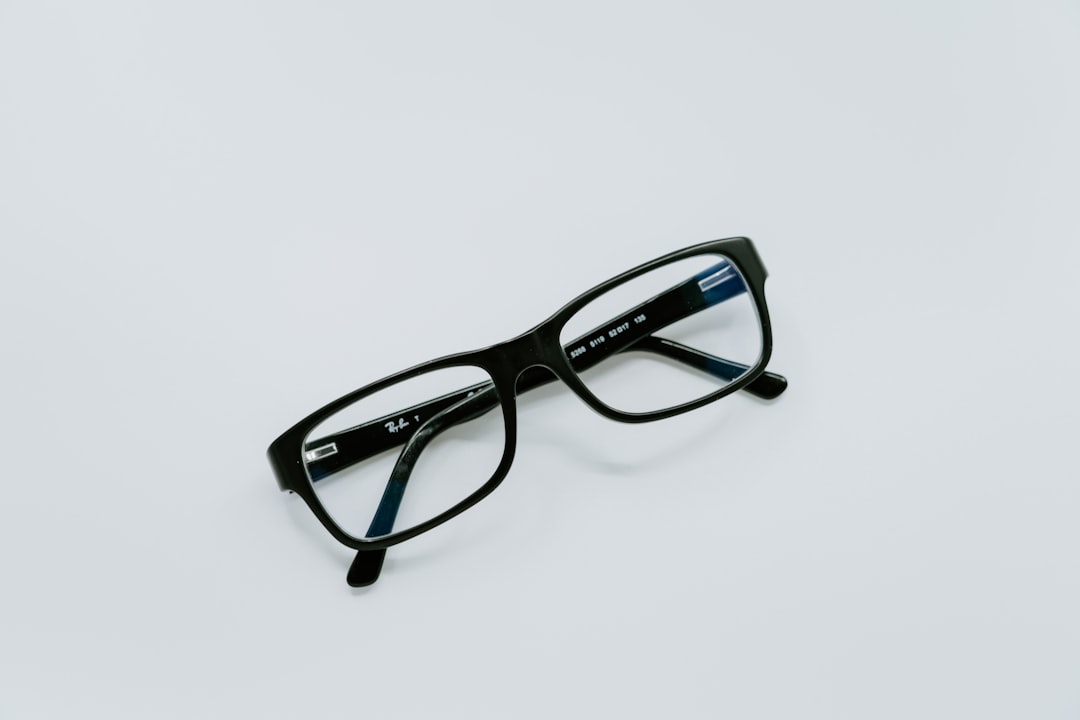
Specialty optical stores have survived every wave of retail change because they sell more than frames. They sell confidence, precision, and immediate problem-solving, which matters when shoppers are trying to match a face, a prescription, a budget, and a style preference all at once. For online brands, that creates a clear opportunity: the winning formula is not copying the store, but replicating the store’s most trusted advantages through mobile-first experiences, sharper service promises, and more transparent decision-making. In other words, the future of eyewear is not store-only or digital-only; it is omnichannel.
The specialty model still matters because it excels in the moments that feel risky to shoppers: choosing the right frame, understanding lens options, validating prescription details, and getting help fast when something goes wrong. That is where in-store expertise, immediate service, and customer trust create real retail differentiation. Online eyewear brands can absolutely compete here, but only if they design for reassurance as aggressively as they design for conversion. The best digital merchants now borrow from the store playbook with AI chat support, voice agents, and post-purchase care that continues long after checkout.
Just as successful retailers build systems around retention, merchandising, and service, the strongest online brands must build systems around fit confidence, lens education, and fulfillment reliability. If you want to understand how specialty retail economics work in the real world, it helps to look at the performance patterns seen in optical chains and adjacent specialty categories. National Vision’s recent results, for example, reinforce that category depth plus service still has power in an e-commerce-heavy market, especially when the retailer can combine products and services under one roof. That same lesson applies online: promise less confusion, more clarity, and faster outcomes.
1. Why Specialty Optical Stores Still Win
Expert guidance reduces decision paralysis
Buying glasses is not like buying socks. Shoppers are making a visual, medical, and style decision at the same time, and each of those layers can produce hesitation. Specialty optical stores reduce that friction by translating technical details into simple recommendations, whether the customer needs progressive lenses, high-index materials, anti-reflective coatings, or a frame that sits properly on the bridge. That kind of guidance is a major reason specialty retail still matters, and it is exactly why online brands need more than product pages if they want to compete on trust.
This aligns with what many successful optical operators already know: category depth matters, but expertise is the real differentiator. Data-driven optical retailers often pair product assortment with systems that support recall, inventory, and service consistency, as discussed in 7 Lessons from Successful Optical Retailers. In practice, the sale is not closed when the frame is added to cart; it is closed when the shopper believes the finished glasses will look right, feel right, and arrive as expected. That belief is built through conversation, education, and visible professionalism.
Immediate service creates a tangible value advantage
One of the strongest in-store advantages is speed. If a customer needs a quick adjustment, a nose pad replacement, a lens recheck, or help with fit issues, a specialty store can often resolve it the same day. That immediacy matters because eyewear is worn constantly and small fit problems become daily annoyances very quickly. Online sellers can offer convenience, but they must be careful not to ignore the emotional value of instant problem-solving.
Immediate service also reduces post-purchase regret. Shoppers feel safer buying when they know there is a local or virtual path to rapid resolution, which is why service promises should be concrete rather than vague. Retailers that operationalize fast support tend to build better loyalty, much like the brands discussed in Client Care After the Sale. For eyewear, the equivalent is clear exchanges, fast remakes, prescription verification workflows, and friendly adjustment support.
Trust is built through human accountability
Specialty optical stores often win on trust because the customer can see the people behind the recommendation. The optician, manager, and technician all become part of the proof that the retailer stands behind the product. In a category where prescription accuracy, lens coatings, and durability matter, that accountability is worth money. If a shopper feels uncertain online, they are much more likely to abandon the cart or default to the retailer with the clearest service promise.
This is why customer trust is not simply a branding concept; it is a conversion mechanism. Online brands can learn from how trust is created in adjacent categories where product authenticity and care matter, such as the practical framing in aftercare guidance or the transparency-first approach seen in customer-friendly savings models. The principle is the same: when the stakes feel personal, shoppers reward clarity, responsiveness, and proof of competence.
2. The Omnichannel Lesson: Sell Confidence, Not Just Frames
Virtual try-on should reduce doubt, not add entertainment
Virtual try-on is one of the most powerful digital services in eyewear, but only if it is engineered to answer the right questions. A good virtual try-on experience helps shoppers understand scale, shape, brow line balance, and how the frame behaves with their facial features. A weak one becomes a novelty. Online brands should treat virtual try-on as a confidence tool, not a gimmick, and support it with strong fit guidance, realistic lighting, and clear model references.
The better the digital service, the less the customer feels like they are guessing. That means showing multiple face types, offering width guidance, and pairing the try-on with educational prompts like “best for low nose bridge” or “works well for round faces.” Brands that do this well are practicing the same kind of thoughtful channel design seen in shopping guidance for evolving social channels and content formats that increase interaction. The point is not attention; it is conversion through clarity.
Same-day pickup and ship-to-store close the gap between channels
If specialty optical stores are strong because they can solve problems quickly, then online brands need a speed bridge. Same-day pickup, local fulfillment partnerships, and ship-to-store options can help shoppers feel that they are not sacrificing immediacy for convenience. Even a brand without full retail locations can create this advantage by partnering with local optical centers or setting up rapid lens finishing in key metros. The goal is to make the online purchase feel operationally close to the customer.
That is the essence of omnichannel: reducing the distance between discovery and service. Similar principles show up in logistics-heavy categories where speed builds trust, such as the pickup coordination ideas in synchronized pickups or the tracking transparency discussed in international parcel tracking. In eyewear, the equivalent is clear ETA messaging, proactive delay alerts, and pickup options that convert urgency into confidence.
Digital support must feel like expert consultation
Many online stores add chat, but few add expertise. Eyewear shoppers don’t need generic support; they need guided assistance from someone or something that can interpret prescription needs, frame measurements, and lens tradeoffs. That is why AI assistants, guided product filters, and even voice-based help can be so effective when implemented correctly. They should answer “What do I need?” before they answer “What do I want?”
This is where online brands can borrow the discipline of strong service systems from other industries. For example, systems thinking and simulation-driven training both show how structured workflows can improve consistency. In eyewear, a structured digital consultation flow can ask about prescription type, screen use, glare sensitivity, face width, and style preferences, then return a curated shortlist instead of an overwhelming catalog.
3. How to Replicate In-Store Expertise Digitally
Build guided selling around the customer’s real decision tree
The best specialty stores do not just show products; they diagnose needs. Online brands can emulate this by designing guided selling paths that ask the same questions an expert optician would ask. For example: Do you wear glasses all day? Do you need progressives? Do you prefer lightweight frames? Are you sensitive to reflections on screens or headlights? Each answer should narrow the choices and explain why certain frames or lens packages are better fits.
That approach mirrors the logic of well-built decision support systems in commerce and service. Brands that use structured data and segmentation often outperform those that rely on broad browsing alone, a lesson echoed in audience quality over audience size and in data-led planning frameworks like consumer market research shaping roadmaps. In optical retail, guided selling turns product complexity into a cleaner shopping journey.
Use rich lens education to remove hidden friction
Lens confusion is one of the biggest barriers to online conversion. Many shoppers are not sure whether they need single vision, bifocal, progressive, blue-light filtering, photochromic, or polarized lenses, and they often do not understand how coatings affect cost and performance. Online sellers can emulate in-store expertise by providing side-by-side comparisons, plain-language definitions, and recommendations by lifestyle. A shopper with a laptop-heavy workday needs different lens guidance than a driver, student, or outdoor enthusiast.
Educational content should also explain tradeoffs clearly. For example, some coatings improve scratch resistance but add cost, while others reduce glare but may slightly alter reflections. This kind of transparent explanation builds confidence the same way product transparency does in other consumer categories, such as the practical buying guides in technical consumer purchases or the deal-analysis mindset found in flagship deal evaluation. The more a brand clarifies, the less it has to persuade.
Train support teams to sound like trusted advisors
Great optical staff do not rush customers; they reassure them. Online support teams should be trained to use the same tone: calm, specific, and helpful without sounding scripted. That means avoiding vague answers like “Our lenses are high quality” and replacing them with precise guidance about materials, measurements, turnaround times, and exchange policies. If a customer wants to know whether a frame will fit a wider face or whether a prescription can be remade, the answer should feel like a consultation, not a ticket response.
Many brands overlook that support tone is part of the product. This is why businesses that invest in structured communication tools often outperform those with fragmented handoffs, similar to the rationale behind secure messaging systems and integrated workflow systems. In eyewear, every support interaction is a trust-building moment, and every trust-building moment supports conversion.
4. What Online Brands Can Copy from Specialty Retail Operations
Make fulfillment a brand promise, not an operational detail
Specialty stores are compelling because they can hand a customer a solution with minimal delay. Online brands should make fulfillment just as visible. That means publishing realistic processing times, offering same-day pickup where possible, and explaining which orders qualify for expedited lens finishing. A shopper should never have to wonder whether “fast shipping” means business days, processing time, or something else entirely.
Operational clarity helps online sellers compete with physical stores. It turns logistics into part of the value proposition rather than a backend afterthought. This is similar to what happens in categories where fulfillment is a competitive weapon, like the timing strategy explained in timed savings opportunities or the logistics discipline in last-minute booking strategies. In eyewear, the faster and clearer the order journey, the more “specialty” the online store feels.
Use inventory intelligence to show breadth without creating clutter
Specialty retailers win by stocking enough depth in the category to satisfy different tastes and needs. Online brands can replicate this with better merchandising, ABC analysis, and style clustering. Instead of dumping hundreds of nearly identical frames into one endless grid, they should organize by face shape, material, lifestyle, and color temperature. That makes the assortment feel curated, which is what shoppers expect from specialty retail.
Data-driven assortment planning also reduces dead stock and helps the site surface the right products at the right time. The point is not only to have inventory, but to have intelligent inventory. Similar lessons appear in categories where assortment management drives margin, like e-commerce strategy shifts and marketplace pricing discipline. For eyewear, curated depth beats chaotic breadth every time.
Let customer service and product detail page data work together
One of the strongest omnichannel tactics is connecting customer questions to merchandising content. If support teams notice repeated questions about temple length, bridge fit, or lens upgrade confusion, those answers should be added directly to product pages. This creates a feedback loop where service reduces future support demand and product pages become smarter over time. It is the digital version of a great associate learning from every conversation on the floor.
Brands that optimize this loop tend to behave like high-performing teams in other sectors that use analytics to refine execution, whether that is AI-powered marketing optimization or seamless tool migration. The broader principle is simple: the best systems learn from customer behavior continuously, not occasionally.
5. Customer Trust: The Hidden Currency of Eyewear
Be transparent about prescriptions, pricing, and policies
Trust in eyewear collapses quickly when pricing feels hidden or prescription steps feel vague. Online brands should show total price early, explain which lens upgrades are optional, and publish clear policies for remakes, returns, and prescription verification. If a shopper thinks they will be surprised at checkout or trapped after purchase, they will often exit before adding the frame to cart. Transparency is not just ethical; it is economically efficient.
This is where many digital retailers can outperform legacy stores. They can present a cleaner comparison of lens options, explain exactly what is included, and make the total transaction legible before the customer commits. The same principle shows up in articles focused on consumer decision-making under uncertainty, like practical purchase evaluation and value-driven promotional framing. The shopper should always know what they are paying for and why.
Offer confidence guarantees that match the risk level
A strong trust signal is a warranty or guarantee that actually reflects how customers use the product. For eyewear, that could mean no-hassle remakes for prescription errors, a fit assurance period, or a frame exchange policy for style mismatch. The best guarantees are not marketing fluff; they are operational commitments that reduce buyer anxiety. When shoppers understand the downside is limited, they are much more willing to buy.
That is especially important because eyewear is personal and visible. A bad purchase affects how someone sees, feels, and presents themselves every day. Clear guarantees are therefore part of the product architecture, not a customer-service afterthought. For inspiration on how expectations and reputation shape decisions, brands can look at the trust-building framework in fraud-prevention-informed trust systems and governance-first brand positioning.
Use reviews and real customer photos as proof, not decoration
Customer-generated content is especially persuasive in eyewear because fit and style are so visual. Reviews should include face shape, prescription type, frame width, and whether the customer used virtual try-on before buying. Real photos help eliminate the gap between polished marketing images and real-world wear. They also give shoppers permission to imagine the glasses on themselves more accurately.
Brands that treat community proof as a core asset tend to earn stronger engagement, similar to the tactics discussed in community engagement and monetization and niche community trend analysis. In optical retail, a review is not just social proof; it is a practical sizing and styling aid.
6. A Practical Comparison: Specialty Optical Stores vs. Online Brands
The best way to think about omnichannel strategy is not “store versus online,” but “which customer need is best served where?” Specialty optical stores are strongest where reassurance, tactile evaluation, and immediate support matter most. Online brands are strongest where convenience, selection, price transparency, and scalability matter most. The winning model combines both.
| Value Driver | Specialty Optical Store Advantage | How Online Brands Can Replicate It |
|---|---|---|
| In-store expertise | One-on-one guidance from trained staff | Guided selling quizzes, live chat, AI assistants, video consultations |
| Fit confidence | Physical try-on and adjustments | Virtual try-on, dimension overlays, face-shape recommendations |
| Immediate service | Same-day adjustments and quick fixes | Same-day pickup, rush lens finishing, fast remake policies |
| Customer trust | Human accountability and local relationships | Transparent pricing, verified reviews, clear guarantees, easy returns |
| Product education | Optician explains lens and frame tradeoffs | Interactive lens guides, comparison charts, plain-language education |
| Merchandising depth | Curated assortment with expert curation | Smart filters, style collections, inventory intelligence, personalization |
| Post-sale support | Adjustments and service continuity | Automated follow-up, support routing, fit check emails, exchange portals |
When a brand can match or exceed the store on three or four of these columns, it becomes far more competitive. The goal is not to win every category equally; it is to remove the reasons a shopper feels safer buying elsewhere. That is the heart of retail differentiation in a digital market.
7. Tactical Playbook for Online Eyewear Brands
Design the experience around reassurance milestones
Every eyewear purchase has reassurance milestones: selecting a frame, confirming size, choosing lens types, entering prescription data, and waiting for fulfillment. Online brands should design content and service touchpoints around each milestone. That might mean a size guide before the product page, a lens explainer during cart build, a prescription-check reminder at checkout, and a post-order update that explains what happens next. These steps reduce abandonment because they answer anxiety before it becomes friction.
This mindset is similar to building a content or product roadmap around customer uncertainty, not internal convenience. If you want operational inspiration beyond eyewear, look at the systems-first framing in channel adaptation and compact expert content formats. The same discipline applies here: break complexity into manageable moments and solve each one well.
Invest in the service stack, not just the storefront
Many online brands focus almost entirely on the front-end shopping journey. But the real conversion engine is the service stack underneath it: automation, support routing, CRM, review capture, remake workflows, and shipping visibility. If those systems are weak, the brand can still look polished while silently losing trust. If they are strong, even a modest catalog can outperform a bigger competitor.
Think of this as the eyewear version of infrastructure strategy. The tools matter less than how they are connected, a point echoed in data portability and event tracking and the right assistant stack. The customer experiences the brand as a seamless whole, even if many systems are working behind the scenes.
Measure trust like a performance metric
Online eyewear brands should track trust as rigorously as they track conversion rate. Useful signals include support response time, virtual try-on completion, lens-option drop-off rates, remake frequency, return reasons, and post-delivery satisfaction. If shoppers often abandon at the prescription step, the issue may be confidence, not price. If return reasons cluster around fit, then size guidance needs improvement.
That approach is consistent with the best specialty retail operators, who use data to refine experience rather than guessing. As successful optical retailers show, systematic follow-up, inventory intelligence, and customer communication can move the business meaningfully. Online brands should adopt the same measurement mindset and treat trust as a KPI, not a soft concept.
8. The Future of Specialty Optical Retail Is Hybrid
Physical stores become service hubs, not just showrooms
The next evolution of specialty optical stores is not disappearance; it is specialization. Stores will increasingly function as service hubs where shoppers can test, adjust, verify, and repair. That means the store’s role may become more focused, but also more valuable. Instead of competing on endless shelf breadth, physical stores can dominate on urgent service, expert consultation, and high-trust problem solving.
For online brands, that creates partnership opportunities. Some brands can open touchpoint locations, others can partner with independent opticians, and others can create pop-up service events. The shared objective is the same: give customers a path from digital discovery to physical reassurance. That is how omnichannel becomes a trust moat.
Digital brands that think like specialty retailers will win more often
The online brands most likely to succeed are not the ones that merely sell glasses at lower prices. They are the ones that understand why specialty stores continue to matter and intentionally recreate those value drivers through digital services. That means visible expertise, immediate help, transparent policies, and better post-sale care. It also means accepting that in eyewear, trust is often more persuasive than discounting.
This is the bigger lesson across retail categories: when products are consequential, service differentiates. Whether you are studying winning team mentality, modern retail strategy in retail playbooks, or customer retention through service systems, the pattern is the same. The best brands build confidence before they ask for commitment.
Final takeaway: emulate the reassurance, not just the assortment
Specialty optical stores still matter because they solve a high-stakes purchase with expertise, immediacy, and trust. Online brands can replicate those advantages, but only by designing for the emotional and practical realities of buying eyewear. Virtual try-on, same-day pickup, guided lens education, transparent pricing, and post-sale support are not “nice extras”; they are the digital equivalents of the specialty store’s best strengths. Brands that invest in those capabilities will stand out in a crowded market and build more durable customer relationships.
If you are building or improving an eyewear brand, use the store as a benchmark and the digital toolkit as your advantage. The most competitive future is not one where physical retail disappears. It is one where the best online brands become as reassuring, responsive, and expert as the best specialty optical stores—without making customers work harder to get there.
FAQ
Why do specialty optical stores still outperform many general retailers?
They focus on a high-complexity category and provide expert guidance that reduces mistakes. Eyewear purchases involve fit, style, prescription, and lens decisions, so shoppers often prefer a specialist who can explain tradeoffs clearly and help them feel confident.
Can online eyewear brands really match in-store expertise?
Yes, but they need more than a standard product grid. Guided selling, live chat, virtual consultations, lens education, and strong post-purchase support can replicate much of the expertise customers get in person.
What is the biggest advantage specialty stores have over online brands?
Immediate service. Customers can often get adjustments, advice, and problem resolution right away. Online brands can reduce this gap through same-day pickup, fast support, and clear remake policies.
How does virtual try-on help online eyewear conversion?
It reduces uncertainty about face shape, frame scale, and style fit. When paired with accurate sizing guides and real customer photos, virtual try-on can significantly increase shopper confidence.
What should online eyewear brands prioritize first?
Start with transparency: clear pricing, simple lens education, easy prescription entry, and visible return or remake policies. Those elements create trust quickly and make every other digital service work harder.
Related Reading
- 7 Lessons from Successful Optical Retailers: What the Data Tells Us - A data-backed look at what top optical practices do differently.
- Specialty Retail Stocks Led by National Vision (NASDAQ:EYE) - See how specialty retail economics are holding up in a changing market.
- Implementing AI Voice Agents: A Step-By-Step Guide to Elevating Customer Interaction - Practical ideas for scaling support without losing the human touch.
- Data Portability & Event Tracking: Best Practices When Migrating from Salesforce - Useful for brands building a cleaner omnichannel data stack.
- Client Care After the Sale - Great examples of retention-driven service that eyewear brands can adapt.