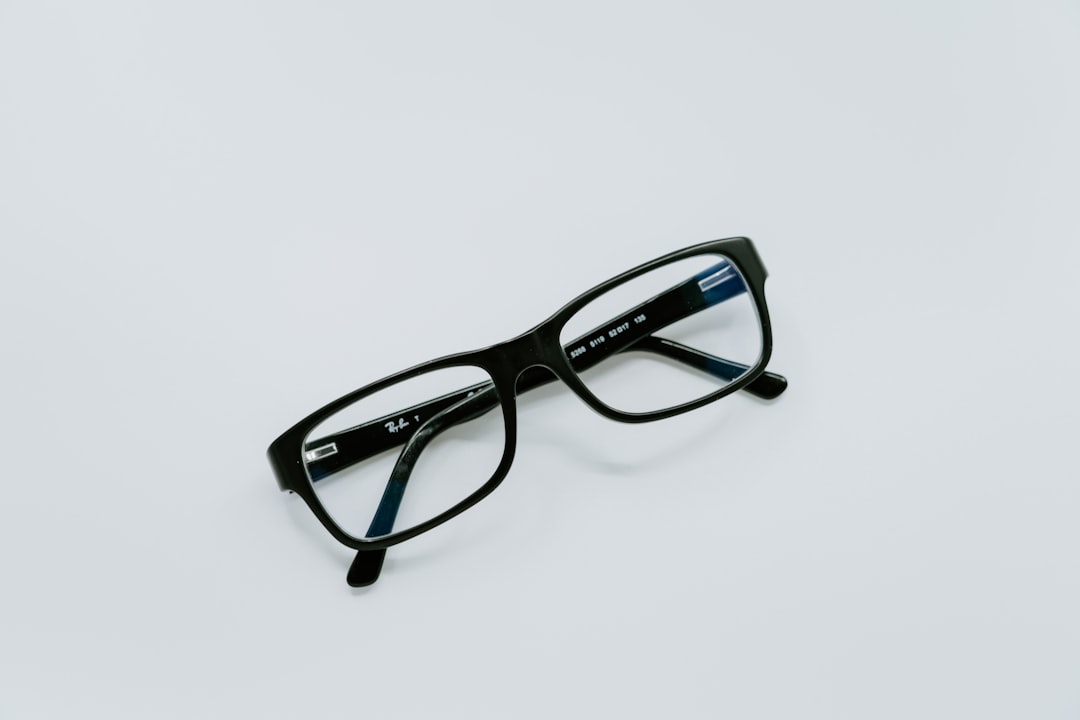
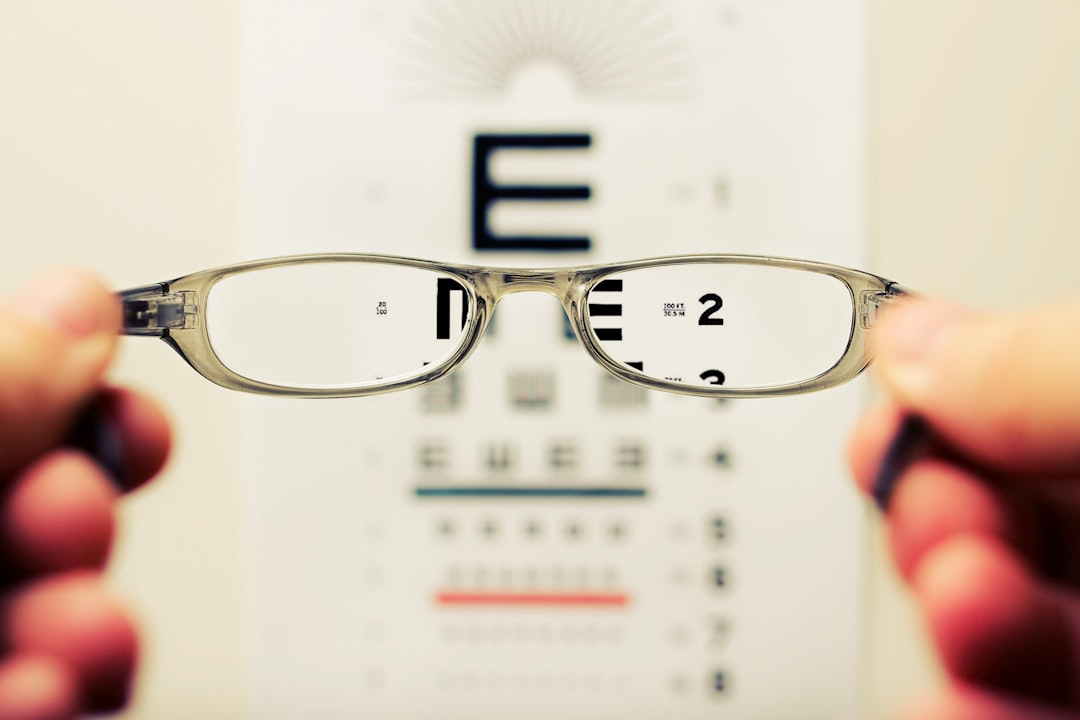
Eyewear technology is advancing at a pace reminiscent of the rapid development seen in consumer electronics like smartphones and smartwatches. Just as your devices continually adapt to enhance user experience, modern eyewear lenses now incorporate innovations designed to improve your vision clarity and protect your eyes in unprecedented ways. This comprehensive guide dives deep into the latest lens technology — focusing on modern features such as anti-fog coatings and blue light blocking — and how these innovations are revolutionizing eyewear in a way that truly parallels tech progress in gadgets. Whether you are a digital worker, outdoor enthusiast, or everyday glasses wearer, understanding these advancements empowers you to select the perfect lenses that suit your lifestyle needs.
The Evolution of Lens Technology: A Tech-Inspired Journey
Historical Context: From Glass to High-Tech Lenses
The journey of eyewear lenses began centuries ago with simple glass lenses designed to correct vision flaws. Over time, innovations introduced lightweight plastics, anti-reflective coatings, and polycarbonate lenses which increased durability and optical clarity. Today's lenses borrow inspiration from high-tech industries such as smartphone screen coatings and optical sensors, bringing enhancements like anti-fog, anti-scratch, and blue light filtering that mirror the protective and usability features found in cutting-edge devices. For a detailed breakdown of various lens materials, you can check out our guide on prescription lens materials.
Parallel Innovations: Eyewear Meets Gadget Technology
Much like smartphone displays utilize oleophobic coatings to repel fingerprints and smudges, lenses now feature similar protective layers. Anti-fog technology, analogous to the instant defogging apps on camera lenses, employs microscopic hydrophilic layers that disperse moisture uniformly to prevent condensation. Blue light blocking lenses parallel the digital screen filters on devices that limit harmful blue light exposure, potentially reducing eye strain and improving sleep quality. These parallels illustrate how eyewear manufacturers leverage technology trends to enhance daily user comfort and health.
Market Demand and Consumer Benefits
With increased screen time globally — the average adult spends over 7 hours a day on digital devices — consumers seek eyewear solutions that protect their eyes and maintain comfort in various environments. Lens innovations fulfill this growing demand by integrating features that reduce disruptive effects like fogging during mask use or prolonged computer exposure. Understanding these benefits helps consumers make informed choices, backed by data and industry trends, much like the marketing engagement lessons from dramatic tactics in marketing.
Anti-Fog Lens Technology: Keeping Your Vision Clear
What Causes Lens Fogging and Why It Matters
Fogging occurs when moisture condenses on the surface of lenses, typically triggered by temperature differences or humidity. This can obscure vision and cause frustration, especially for those wearing masks, engaging in sports, or moving between cold and warm environments. Traditional eyewear does not address this well, but anti-fog lens innovations directly target this problem by altering surface properties. Understanding environmental factors helps explain why anti-fog lenses have surged in popularity.
How Anti-Fog Coatings Work: The Science Behind the Clarity
Anti-fog coatings usually employ hydrophilic (water-attracting) layers that disperse moisture into an ultra-thin, transparent film rather than droplets, preventing the scattering of light that causes the foggy effect. Some advanced lenses incorporate nanotechnology, embedding silicon dioxide or other materials for durable protection. The result is lenses that maintain crisp vision even in high humidity or when wearing face coverings. For a technical overview of lens coatings, see our in-depth article on understanding lens coatings.
Practical Applications: Who Benefits Most?
Anti-fog lenses are vital for healthcare workers, athletes, bikers, and anyone in fluctuating climates. For example, cyclists appreciate fog-resistant lenses during high-intensity intervals, and professionals in labs or kitchens avoid vision interruption. Combining these coatings with scratch-resistant technologies improves durability, paralleling the design principles in high-usage gadgets like gaming peripherals (read more at compact gaming accessories). The user experience motivated by such innovation parallels benefits found in other tech-driven fields.
Blue Light Blocking Lenses: A Shield for Digital Eyes
Understanding Blue Light and Its Effects on Eye Health
Blue light is part of the visible light spectrum emitted in high intensity by digital screens, LED lighting, and the sun. Excessive exposure, especially from screens, can lead to digital eye strain, characterized by headaches, dryness, blurred vision, and disrupted circadian rhythms. Scientific research indicates that filtering blue light helps reduce these symptoms and supports sleep quality. For more about eye health and digital screens, visit preventing digital eye strain with ergonomic glasses.
How Blue Light Blocking Lenses Work
These lenses integrate special filters within the lens material or coatings that selectively absorb or reflect blue-violet light frequencies. They come in various tint levels – from clear to yellowish hues – optimized based on user needs. Modern manufacturing techniques ensure that color distortion is minimal to maintain natural vision. Advances in lens dyes and coatings have made blue light blocking more effective, similar to improvements in smartphone screen filters discussed in top mobile security features comparisons.
Target Users and Daily Benefits
Blue light blocking lenses are indispensable for office workers, students, and gamers who spend significant time in front of screens. These lenses can increase comfort, reduce eye fatigue, and enhance productivity. Additionally, outside of screen use, they can reduce glare while driving or during outdoor activities. For ergonomic tips on enhancing workspaces with tech additions, see home office essentials for productivity.
Additional Lens Features Echoing Gadget Innovations
Anti-Reflective (AR) Coatings: Less Glare, More Clarity
Much like anti-glare screens on smartphones, AR coatings on lenses reduce reflected light, improving vision quality, especially at night or under intense lighting. These coatings are critical for users dealing with bright sunlight or digital screen glare, sharing development philosophies seen in smart device displays.
Scratch-Resistant Layers: Enhancing Lens Longevity
Inspired by the protective tempered glass on devices, scratch-resistant coatings defend lenses from micro abrasions, keeping optics clear longer and reversing consumer frustration involving lens damage. Combining scratch-resistance with anti-fog and blue light features produces robust daily eyewear.
Photochromic Lenses: Adaptive Lighting Solutions
These lenses darken automatically in sunlight and lighten indoors, mimicking adaptive screen brightness on gadgets. They enhance comfort and UV protection without changing frames, representing a fusion of style and function. Explore more about frame styles that pair well with tech lenses at frame styles guide.
Choosing the Right Lens Features for Your Lifestyle
With a myriad of lens options available today, selecting lenses that align with your personal needs, activities, and budgets is key. Below is a detailed comparison table highlighting the purpose, benefits, and ideal users for key lens features to guide your decision-making.
| Lens Feature | Primary Benefit | Ideal Use Case | Typical Cost Impact | Durability |
|---|---|---|---|---|
| Anti-Fog Coating | Prevents condensation and fog build-up | Mask wearers, outdoor sports, humid environments | Moderate | Good, depends on coating type |
| Blue Light Blocking | Reduces digital eye strain and glare | Screen-intensive professions, gamers, students | Low to Moderate | Excellent |
| Anti-Reflective (AR) Coating | Minimizes reflections and glare | Night driving, bright lighting, outdoor use | Moderate | Good |
| Scratch-Resistant Layer | Protects from surface scratches | All-day wear, active lifestyles | Low to Moderate | Very High |
| Photochromic Lenses | Automatic light adjustment for comfort | Outdoor & indoor transitions, drivers | High | Moderate |
Pro Tip: Combining blue light blocking with anti-reflective coatings offers multiplied benefits for prolonged screen users, reducing eye fatigue and enhancing clarity.
The Impact of Lens Innovations on Eyewear Shopping Online
Leveraging Virtual Try-On and Detailed Lens Specs
New lens technologies often come with technical jargon that can intimidate consumers. Online eyewear stores now offer tools such as virtual try-on and detailed product descriptions that highlight lens features and intended benefits. This transparency helps shoppers minimize uncertainty about fit and functionality, much like how AI adoption has enhanced user interfaces in tech products (bridging AI adoption in development teams).
Understanding Pricing and Warranty in Tech-Enhanced Lenses
While premium features may increase cost, clear pricing and warranty details build trust and reduce purchase hesitation. Look for stores that clearly differentiate lens options and offer customer-friendly return policies to mirror confident experiences seen in tech retail (eyeware return policy overview).
Customer Education: Why It Matters
Educated customers are more satisfied customers. Resources that explain the science behind lens technologies and real-world benefits help empower shoppers to choose lenses perfectly suited to their needs. This approach takes cues from compelling content creation strategies used in digital marketing (crafting compelling storylines in content creation).
Industry Trends: What Experts Are Saying About Lens Innovations
Growing Demand for Lifestyle-Specific Lenses
Optical retailers and manufacturers note rising interest in lenses tailored for specific user groups, such as gamers, healthcare workers, and commuters. This personalization trend aligns with tech sector advances targeting user-specific experiences.
Research Developments: Next-Gen Lens Features
Research is ongoing into lenses that can dynamically adjust tint or focus in real time, integrating smart technology for enhanced vision adaptability. This emerging field mirrors the smart home and wearables sectors' drive for seamless user interaction.
Expert Recommendations for Consumers
Eye care professionals increasingly recommend combining lens technologies for holistic protection and comfort. For example, pairing blue light blocking with anti-fog and scratch-resistant coatings improves overall lens performance across environments.
Maintaining Your Tech-Enhanced Lenses
Cleaning and Care Tips for Advanced Coatings
Proper maintenance preserves lens coatings and extends their lifespan. Use gentle cleaning solutions and microfiber cloths specifically designed for coated lenses. Avoid abrasive materials or household cleaners that can degrade anti-fog and anti-reflective layers.
Storage and Handling Recommendations
Protect your lenses with a sturdy case when not in use, and avoid placing them lens-down on rough surfaces. These precautions support the durability of features like scratch resistance.
When to Seek Professional Lens Servicing
If coatings begin to deteriorate or distort vision, consult your optician for repair or replacement options. Routine eye exams ensure that your prescription and lens features continue to meet your evolving needs.
Frequently Asked Questions (FAQ)
1. Are anti-fog coatings permanent?
Most anti-fog coatings are durable but can wear off over time, especially with improper cleaning. Some lenses offer refillable or recoat options.
2. Do blue light blocking lenses affect color perception?
Modern blue light lenses are designed to minimize color distortion; however, some subtle tinting may be noticed depending on the filter strength.
3. Can I add anti-fog and blue light features to any lenses?
Many manufacturers offer combinations, but availability depends on lens material and design. Ask your retailer or optician for compatible options.
4. How do photochromic lenses perform inside cars?
Traditional photochromic lenses activate through UV exposure, which is blocked by car windows, so they may not darken effectively inside vehicles.
5. What’s the difference between blue light blocking lenses and screen protectors?
Blue light blocking lenses filter light entering your eyes, while screen protectors filter light emitted from devices; using both offers complementary protection.
Related Reading
- Frame Styles Guide - Find the perfect frames to complement your new tech-forward lenses.
- Prescription Lens Materials Explained - Understand what your lenses are made of and why it matters.
- Eyeware Return Policy Overview - Shop with confidence on all lens feature options.
- Home Office Essentials - Combine eyewear tech with ergonomic workspace tips.
- Guide to Crafting Compelling Storylines - Learn how effective stories enhance product understanding.