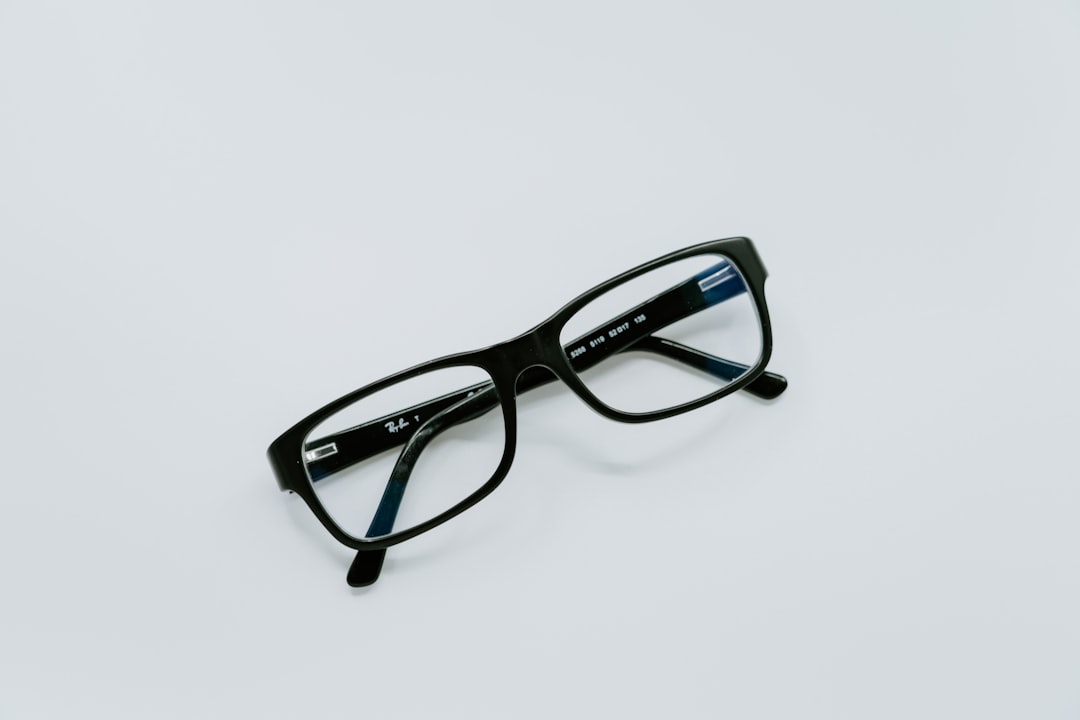
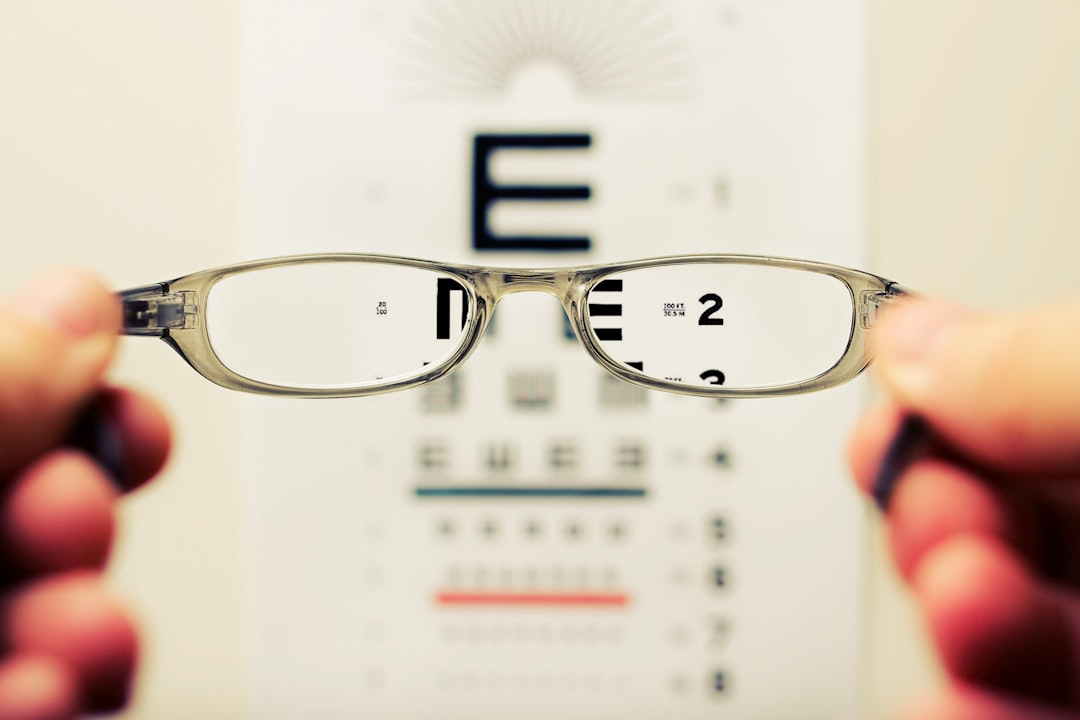
Virtual Try-On: Transforming Your Eyewear Shopping Experience
Virtual try-on is closing the gap between the convenience of online shopping and the confidence of in-store fitting. This definitive guide shows how visualization technology, 3D modeling and AR make choosing glasses online as reliable as trying them on a shelf — and often faster, cheaper and more informative.
Why virtual try-on matters now
Shopping convenience meets precision
Online eyewear shopping promises selection, price transparency and home delivery, but shoppers still worry about fit and look. Virtual try-on removes hesitation by previewing frames on your face in real time, shortening decision time and improving conversion rates for retailers.
Retail technology is converging
Visualization tools combine computer vision, 3D modeling and consumer data. These trends mirror broader retail tech shifts — from generative AI in software stacks to logistics automation — which you can compare with developments in other industries such as artificial intelligence in logistics Artificial Intelligence in Logistics and generative AI for systems Generative AI Tools in Federal Systems. The result: smarter, faster, and more personalized eyewear recommendations.
Experience and trust grow together
When virtual try-on is fast and accurate, shoppers trust measurements and prescriptions more, which reduces returns and improves lifetime value. Stores that invest in reliable visualization systems and user education create a shopping flow that feels like an in-person experience.
What is virtual try-on? The tech stack explained
Core components
At its core, virtual try-on is a mix of face detection, landmark mapping (eyes, nose, ears), frame modeling, and real-time rendering. Most platforms use a smartphone camera or webcam to capture a face, then map 2D or 3D frame assets onto that capture.
3D modeling and visualization
High-fidelity virtual try-on depends on accurate 3D modeling. Frames must be modeled with lens thickness, hinge position and temple shape so the rendering aligns with facial geometry. Manufacturers and retailers increasingly apply 3D scans from production data to improve realism.
Augmented reality and live overlays
AR overlays combine your live video feed with virtual frames, often adjusting lighting and shading dynamically. The technique is similar to other immersive retail applications — think product staging and fashion visualization, as explored in our piece on how media trends amplify fashion Staging the Scene.
Types of virtual try-on: pros, cons and best use cases
2D photo-based try-on
Photo-based try-on uses a single or multiple still images to overlay frames. It's low cost, works on older devices and is quick, but it can mis-estimate depth and fit. Good for casual browsing and initial style checks.
3D AR and live video try-on
Live AR uses depth sensing or face-mesh algorithms to anchor frames in three dimensions. It provides more accurate scaling and movement tracking; ideal for shoppers who want real-time, realistic previews. For top results, users may need modern devices like recent smartphones — guidance on device upgrades and capabilities helps, see our technology comparison on upgrading devices Upgrading Your Tech.
Measurement-driven virtual fitting
Some systems use face scans and measurement inputs (PD, temple length) to create a personalized virtual fit. This method is the most precise for prescription eyewear and pairs well with clear instructions from retailers.
| Type | Accuracy | Realism | Device Support | Best for |
|---|---|---|---|---|
| 2D Photo | Medium | Low–Medium | Any camera | Quick style checks |
| 3D AR Live | High | High | Modern smartphones/webcams | Real-time fitting |
| Measurement-based | Very high | High | Smartphone + app | Prescription fit |
| Depth-sensor scanning | Very high | Very high | Devices with depth cameras | Premium customization |
| Video snapshot hybrid | High | High | Most modern devices | Balanced experience |
How virtual try-on replicates the in-store experience
Seeing frames from every angle
In a store, you tilt frames, check the temple length and judge proportion. Live virtual try-on reproduces this by tracking head movement and offering rotational viewpoints. Some platforms even simulate micro-reflections on lenses so you can preview tint and anti-glare behavior.
Styling and editorial context
Retailers that pair try-on with curated outfit, hair and makeup suggestions create a stylist-level service online. This is an extension of how media and fashion trend presentation can influence perception and selection; retailers can borrow those staging techniques from broader fashion storytelling Staging the Scene.
Customer service mimicry
Live chat, virtual appointments and guided try-on sessions simulate an optician’s guidance. Integrating content from creator tools and product imagery — similar to techniques in content management and creator workflows Harnessing the Power of Creator Tools — helps customers make confident choices online.
Benefits for shoppers and measurable retail outcomes
Fewer returns and higher satisfaction
Accurate try-on reduces the 'not what I expected' returns. When retailers pair virtual try-on with clear lens and frame specs, they can expect lower reverse logistics costs and improved net promoter scores. These savings relate directly to operational improvements outlined in logistics technology discussions like those exploring AI in logistics AI in Logistics.
Faster decisions, less friction
Shoppers make quicker confident purchases when they can visualize frames in context. The convenience is similar to other 'try before you buy' experiences in media and gaming hybrids The Hybrid Viewing Experience where immersive previews increase commitment.
Personalized recommendations
Virtual try-on captures behavioral signals: which shapes you rotate, what colors you linger on. Those signals feed personalization engines and can be paired with generative models to suggest complementary frames or lens upgrades — a consumer-facing application of generative and predictive models discussed in AI contexts Generative AI Tools.
How retailers should implement virtual try-on
Choose the right technology partner
Pick a provider with proven face-mapping accuracy, fast rendering and device support across Android, iOS and desktop. Evaluate SDKs on latency, frame alignment and the ability to render different lens coatings clearly.
Integrate with inventory and checkout
Tie try-on assets directly to SKU data so shoppers can move from preview to purchase without friction. Combine virtual try-on with POS and payment flows for a cohesive funnel; stadium and event POS lessons around high-volume connectivity are relevant when planning scale Stadium Connectivity for POS.
Measure outcomes and iterate
Track conversion lift, return rate differences and time-to-purchase for try-on visitors. Use A/B tests and heatmaps, and apply learnings to product imagery and messaging. This is the same data-driven product approach seen across industries where AI and data inform customer choices How AI and Data Enhance Choices.
Practical shopper guide: how to get accurate results
Device, lighting and background
Use a modern smartphone with a front-facing camera and natural, even lighting. Avoid backlighting and colored light sources. If your device supports depth sensing, enable it for better scaling. Want to see frames under different lights? Consider how home lighting trends affect perception and choose neutral lighting; our overview of lighting innovations describes why this matters Future of Home Lighting.
How to measure PD and temple length
Some retailers provide step-by-step PD (pupillary distance) measurement through video or photo guides. Follow on-screen markers, hold the camera level, and verify with a downloaded ruler template if available. For temple length, follow manufacturer size charts or request a virtual consult to confirm fit.
Capture multiple angles
Take a neutral expression front-facing, then tilt your head slightly left and right. Use screenshots to compare frames side-by-side. Treat the try-on session as a styling appointment: capture images with hair up and down to see how frames interact with your silhouette — an approach similar to styling tactics in minimalist beauty and fashion discussions The Rise of Minimalism.
Accuracy concerns and biases — what to watch for
Scaling and skin-tone rendering issues
Some AR systems mis-scale frames on faces with atypical proportions or render tints incorrectly across skin tones. Awareness and transparent testing across diverse datasets are essential for equitable results.
Algorithmic bias and fairness
Machine learning models can perform unevenly across demographics. Retailers and tech vendors must audit models for bias just as the AI community studies bias in advanced systems like quantum and AI intersections How AI Bias Impacts Quantum Computing.
Transparency and customer education
Explain limitations clearly on product pages: if a try-on uses 2D overlays versus depth scans, label it. Offer an easy return or exchange policy as a safety net to build trust and mirror the supportive environment of a physical store.
Case studies and real-world examples
Quick conversion wins from AR rollouts
Retailers that launched high-quality AR saw immediate increases in conversion and average order value. Those gains often came from pairing try-on with targeted promotions and clear lens upgrade prompts.
Operational improvements
Brands that used measurement-first fitting reduced remakes for prescription lenses and improved fulfillment times. The operational efficiencies are similar to optimizing fleets and rentals: having the right tools for the job matters — consider operational parallels in corporate rentals Corporate Rentals.
Content and creative collaboration
Brands that collaborated across creative teams, product teams and content production improved try-on adoption. Collaboration playbooks from other retail-adjacent fields like community engagement models show how cross-functional work can uplift product experiences Unlocking Collaboration.
Future trends: where virtual try-on goes next
Hyper-realistic rendering and material science
Expect frames to be rendered with photorealistic reflections, accurate lens coatings, and dynamic lighting so shoppers can preview sunglasses under different sun conditions. This intersects with home lighting trends and the need to preview frames in realistic environments Home Lighting Trends.
3D face scanning and customization
As phone hardware improves, more stores will offer 3D scans for bespoke fit adjustments and custom temple shaping. This will enable premium customization previously available only in high-end boutiques.
Integration with omnichannel experiences
Virtual try-on will be part of an omnichannel toolkit: embedded in social commerce, virtual appointments, and interactive ads. Lessons from creator tools and content management will help brands maintain consistent experiences across channels Creator Tool Best Practices.
Pro Tip: Before buying, save screenshots from your virtual try-on session with multiple frames and compare in the same lighting. If possible, use a device with a depth sensor for the most reliable scale and fit.
Practical checklist: buying glasses with virtual try-on
Pre-try-on steps
Have your prescription handy, ensure good lighting, and use a neutral background. Update your device OS and allow camera permissions to get the best experience.
During try-on
Rotate your head, try multiple temple positions, and verify size specs against a pair that fits you well. Use measurement tools if offered by the retailer; they reduce prescription mismatches and lens remakes.
After selection
Double-check lens options — anti-reflective, blue-light, transitions — and confirm warranty and returns. A robust returns policy complements virtual try-on and reduces buyer anxiety about not physically trying frames first.
Limitations, responsibilities and regulatory notes
Medical device and prescription compliance
Prescription eyewear is regulated; always ensure you upload a valid prescription and comply with local regulations. Virtual try-on should never substitute a comprehensive eye exam by a licensed eye care professional.
Data privacy
Face scans and images are sensitive data. Choose retailers that store biometric data responsibly, use secure upload channels, and provide clear retention policies. Importing hardware or software from other regions carries legal considerations similar to importing tech internationally Importing Smart Tech.
Consumer education and transparency
Brands should state how their try-on works, what accuracy to expect, and offer human support if a customer has questions. Clear communication strategies — even in high-stakes public contexts — underline the importance of transparency and can guide how retailers explain tech to shoppers Power of Effective Communication.
Implementation resources and cross-industry lessons
Borrowing from other industries
Virtual try-on benefits from lessons across retail, gaming, and entertainment. For example, projection and display techniques used in home theaters inform how shading and reflections should be rendered in AR Projector and Display Lessons.
Operational scaling
When scaling try-on, plan for spikes in traffic and customer support. High-volume events teach us about connectivity and POS resilience — lessons retailers can adapt for big seasonal launches Stadium POS Connectivity.
Creative and product collaboration
Successful try-on programs require design, engineering and merchandising teams to collaborate tightly. Cross-functional playbooks from retail and community engagement can make adoption smoother Unlocking Collaboration.
Conclusion: virtual try-on levels the playing field
Virtual try-on brings the style, fit and confidence of in-store shopping into the convenience of home. By combining accurate 3D modeling, robust measurement workflows and clear communication, retailers can deliver a frictionless eyewear shopping experience that reduces returns and increases satisfaction. Whether you care about precision PD measurement, trying sunglasses in simulated sun, or seeing how frames pair with your look, modern try-on technology makes smart eyewear shopping faster and more fun.
For shoppers who want to explore how tech is reshaping choices elsewhere, check out resources on AI-driven personalization and logistics efficiencies like How AI and Data Can Enhance Choices and consider device readiness using our tech upgrade guide Upgrading Your Tech.
Frequently Asked Questions
Is virtual try-on accurate enough for prescription glasses?
Yes, when the retailer pairs virtual try-on with measurement-based fitting (PD and temple length) and follows strict prescription upload rules, accuracy is high. However, virtual try-on is complementary to — not a replacement for — a professional eye exam.
Which devices work best for try-on?
Modern smartphones with good front cameras and, ideally, depth sensors provide the best experience. Desktop webcams also work for many systems, but mobile offers convenience and easier face tracking.
Will virtual try-on reduce returns?
Studies and retailer data indicate significant reductions in fit-related returns when virtual try-on is implemented correctly and combined with clear sizing information.
Are my photos or face scans safe with retailers?
Trusted retailers encrypt uploads and provide clear privacy policies. Always review a site’s data policy before uploading biometric data and opt out if you’re uncomfortable.
How do I choose between 2D and 3D try-on experiences?
2D is fine for quick styling. If fit and prescription are priorities, choose 3D/measurement-based experiences for better scaling and movement fidelity.