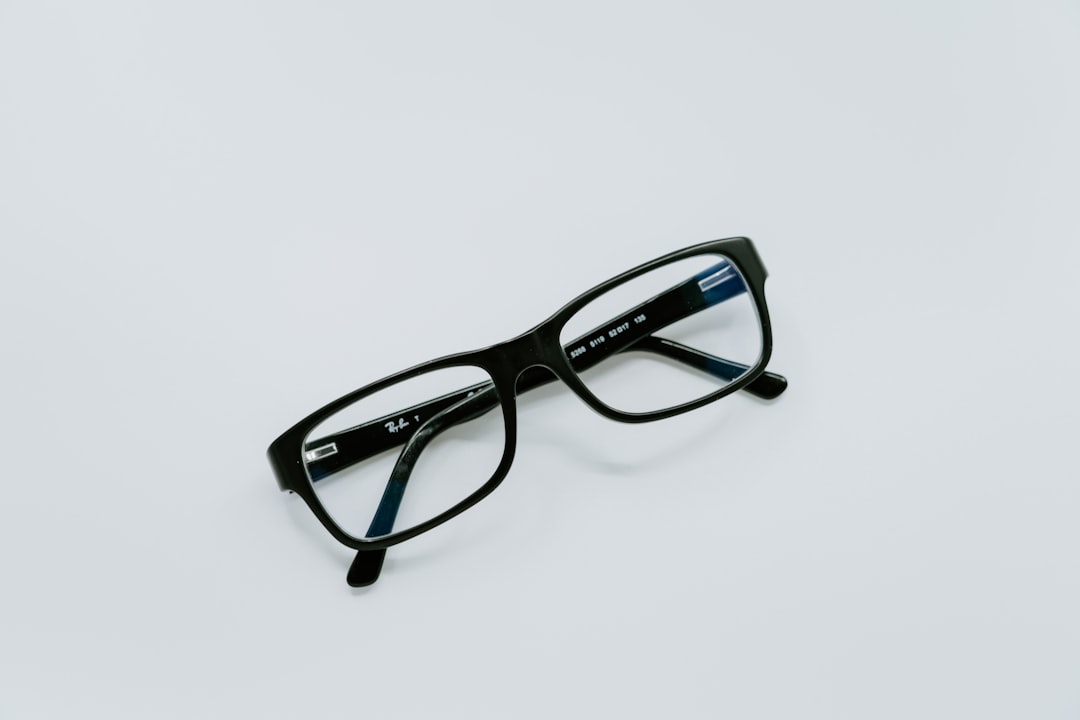
In recent years, the fashion industry has seen an increasing shift toward sustainability, and the eyewear sector is no exception. As consumers become more environmentally conscious, sustainable eyewear has emerged as a compelling alternative to conventional products. This movement not only addresses environmental concerns but also aligns with the fluctuating prices and availability of essential raw commodities. This comprehensive guide delves into how the sustainability movement in eyewear is revolutionizing the industry by incorporating eco-friendly materials and innovative production methods to reduce the commodity impact on our planet.
Understanding the Commodity Impact on Eyewear Production
Eyewear manufacturing traditionally relies heavily on natural resources and commodities such as metals (acetate and stainless steel), petroleum-based plastics, and glass. The volatility in commodity prices directly affects production costs and the environment.
Raw Materials in Eyewear and Their Environmental Footprint
Most traditional frames are made from petroleum-derived plastics (e.g., cellulose acetate), titanium, and other metals. The extraction and refinement of these materials consume significant energy and produce waste, contributing to carbon emissions. Additionally, cobalt, nickel, and other minerals are often sourced under environmentally and ethically questionable circumstances.
Fluctuations in Commodity Prices Spur Change
The eyewear industry is sensitive to the rising costs of raw commodities. When prices for metals and plastics surge, manufacturers seek alternative materials and processes to maintain profitability without compromising quality. This economic pressure encourages innovation in sustainable alternatives.
Environmental Concerns Beyond Materials
Eyewear also contributes to environmental issues through its manufacturing processes, including energy-intensive molding, chemical treatments, and packaging waste. Sustainable brands target these pain points by optimizing resource efficiency and adopting greener practices.
The Growing Demand for Sustainable Eyewear
Consumer awareness about fashion sustainability and corporate responsibility has shifted market dynamics. Buying decisions increasingly weigh environmental impact alongside style and price. This shift drives brands to embrace sustainable solutions.
Millennials and Gen Z as Sustainability Drivers
Data shows younger generations prioritize sustainable purchases. A recent survey indicated that 73% of Gen Z consumers are willing to pay more for eco-friendly products, fueling demand for sustainable eyewear options with responsible supply chains.
Retailers Responding to Consumer Preferences
Eyewear retailers now highlight eco credentials, from biodegradable frames to recyclable packaging. Offering clear lens options made with less harmful chemicals and transparent supply chains builds trust and loyalty.
Virtual Try-On Tools Reduce Waste
One innovative response to reducing environmental impact is the rise of virtual try-on technology. Allowing customers to simulate frame fits digitally reduces unnecessary shipping, returns, and waste.
Innovations in Eco-Friendly Materials for Eyewear
Material innovation underpins the sustainability movement. Brands leverage renewable and recycled materials to curtail reliance on traditional commodity inputs.
Biosourced Polymers and Natural Acetates
Traditional acetate is derived from cellulose treated with chemicals, but sustainable variations use organically sourced cotton, wood pulp, or even bio-resins. These materials have a lower environmental footprint and biodegrade more easily at end of life.
Recycled Metals and Plastics
The use of recycled stainless steel and aluminum reduces mining demand. Similarly, reclaimed plastics from ocean waste or post-consumer sources transform into sturdy frames, closing the loop on material use.
Nylon and Plant-Based Alternatives
Nylon, particularly bio-nylon, offers flexibility and durability with a reduced carbon footprint. Emerging plant-based materials such as castor oil derivatives are also gaining traction in frame production.
Case Studies: Leading Brands Making a Green Impact
Several eyewear manufacturers are pioneering sustainable innovations, setting examples for the rest of the industry.
Brand Spotlight: Eco-Frames with Recycled Ocean Plastics
One notable trend is the use of ocean-bound plastic waste to create stylish eyewear frames. This not only provides resource efficiency but also helps to clear oceans.
Carbon Neutral Production Facilities
Forward-thinking brands invest in renewable energy-powered factories, offset shipping emissions, and optimize supply chains to hit carbon neutrality targets.
Collaborations With Environmental NGOs
Many eyewear companies partner with organizations focused on marine conservation, reforestation, and sustainable agriculture to reinforce their green commitments and educate consumers.
Comparing Sustainable Versus Conventional Eyewear Materials
| Material Type | Source | Environmental Impact | Durability | Cost Impact |
|---|---|---|---|---|
| Traditional Cellulose Acetate | Petroleum-based + chemical processing | High carbon footprint; not biodegradable easily | High durability | Low to medium |
| Biobased Acetate (Cotton/Wood Fiber) | Renewable plant fibers | Lower carbon footprint; biodegradable | Medium to high durability | Medium; costs decreasing as adoption grows |
| Recycled Ocean Plastics | Post-consumer plastic waste | Reduces ocean pollution; lower fossil usage | Medium durability | Medium; higher processing costs |
| Recycled Metals (Stainless Steel/Aluminum) | Scrap metals from industry | Reduces mining; energy intensive recycling | High durability | Medium to high depending on metal market |
| Bio-nylon and Plant-Based Polymers | Castor oil, other bio-sources | Lower carbon footprint; compostable | Medium durability | Currently high; costs expected to fall |
How Fluctuating Commodity Prices Drive Sustainable Innovations
The eyewear sector’s sensitivity to raw material costs often leads to innovation solutions.
Commodity Price Volatility as a Catalyst
When prices for oil and metals rise sharply, traditional frame manufacturing becomes more expensive. This risk encourages manufacturers to explore sustainable inputs to stabilize costs and minimize exposure to market swings.
Supply Chain Resilience Through Sustainability
Securing environmentally friendly and recycled materials mitigates risks associated with finite resource shortages or geopolitical disruptions. This makes sustainability both a green and smart financial strategy.
Investment in R&D for Cost-Effective Green Materials
Companies are investing heavily in research to develop efficient, scalable processes that use renewable feedstocks and reduce waste, sometimes unlocking new intellectual property and market differentiation.
Environmental Benefits and Consumer Impact
Adopting sustainable eyewear benefits not just the planet but also the end consumer.
Reducing Carbon Footprint and Waste
Sustainable eyewear production decreases greenhouse gas emissions, water use, and landfill waste compared to traditional production pathways.
Promoting Circular Economy Principles
Recycling programs and take-back initiatives extend the lifecycle of eyewear, minimizing environmental costs and engaging consumers in sustainability.
Health Considerations With Safer Coatings and Materials
Eco-friendly materials often avoid harsh chemicals and coatings used in conventional lenses and frames, reducing potential allergens or irritants.
How to Choose Truly Sustainable Eyewear
With so many brands claiming green credentials, consumers need to be discerning.
Look for Verified Certifications
Seek certifications like FSC for wood, GRS (Global Recycled Standard), or Cradle to Cradle certification that verify environmental claims.
Review Material Transparency
Brands committed to sustainability openly share sourcing details, production methods, and corporate social responsibility (CSR) reports.
Evaluate Lifecycle and Warranty
Durability, repairability, and a strong warranty indicate a brand’s commitment to long-lasting and sustainable products.
The Future of Sustainable Eyewear and Fashion Sustainability
The sustainable eyewear movement reflects broader trends in fashion sustainability. Consumer values and technological advances will continue to push the industry toward regenerative practices, innovative materials, and circular business models.
Integration with Tech: Smart, Sustainable Lenses and Frames
Hybrid innovations combined with virtual try-on tools make eco-friendly eyewear more attractive and accessible.
Legislation and Corporate Responsibility
Increasing regulatory pressures will enforce sustainability transparency, benefiting proactive companies and consumers.
Collaborative Consumption and Customization
Rentals, swaps, and bespoke sustainable eyewear could redefine ownership, reducing waste and promoting individuality.
Frequently Asked Questions (FAQ)
1. What materials are considered sustainable for eyewear?
Sustainable eyewear materials include biobased acetates, recycled plastics and metals, bio-nylon, and natural fibers like wood and cotton-derived cellulose.
2. How does fluctuating commodity pricing affect eyewear sustainability?
Volatility in prices for metals and plastics incentivizes brands to adopt alternative, eco-friendly materials, reducing costs and promoting innovation.
3. Are sustainable eyewear options more expensive?
While currently some sustainable frames may cost more due to research and production scale, prices are decreasing as consumer demand grows and technologies mature.
4. Can virtual try-on tools help sustainability?
Yes, virtual try-on reduces the need for shipping multiple frames and returns, thus lowering carbon emissions and packaging waste.
5. How can I verify if eyewear is truly sustainable?
Look for certifications, transparent sourcing disclosures, durability guarantees, and positive environmental reports from the manufacturer.
Related Reading
- Unlock Massive Savings: Mastering Deals and Discounts in 2026 - Smart buying tips to get the best value on sustainable eyewear.
- Understanding Global Commodity Trends: Skills Needed for Emerging Job Markets - Insight into commodity market influences relevant to eyewear materials.
- Elevate Your Look: Capsule Wardrobe Ideas for Tailored Styles - Styling sustainable eyewear with eco-conscious fashion.
- Virtual Try-On: Reducing Returns and Environmental Impact in Eyewear - Techniques for eco-friendly shopping.
- Level Up Your Gifts: Unconventional Collectibles Beyond the Case - Unique sustainable eyewear gift ideas.