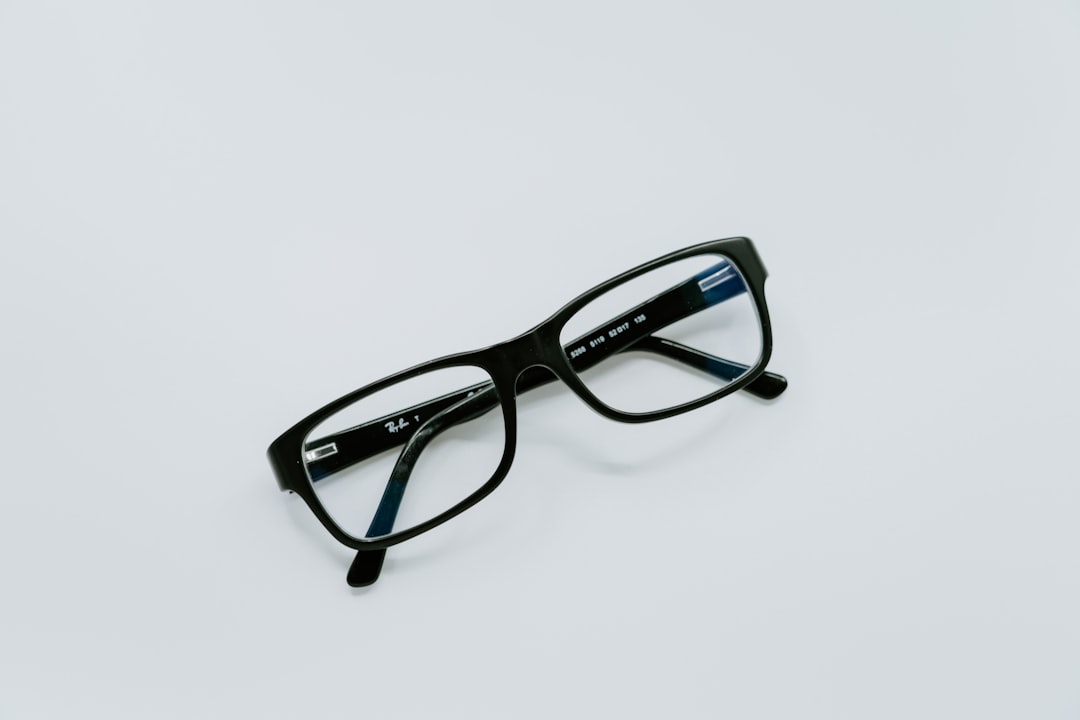
Winter brings crisp air, bright low-sun angles, snowy glare and a calendar full of cold-weather events — from holiday markets and alpine weekends to outdoor sports and rooftop parties. Choosing the right eyewear for the season is about more than style: it’s functional fashion that protects vision, improves comfort, and keeps your look on point. This definitive guide walks you through the technical features, style choices, purchase timing and care routines you need to enjoy winter activities without compromising eye health or personal style.
Along the way you'll find real-world examples, actionable checklists, and product-comparison data so you can pick the right lenses, frames and accessories. If you're shopping for winter eyewear or building a cold-weather accessories bundle, you'll leave with precise questions to ask and a clear buying roadmap.
For practical planning and event-focused advice — for example, last-minute travel to snowy destinations — see our tips on booking last-minute travel so your eyewear arrives when you need it.
1. Why winter changes your eyewear needs
Lower sun, higher glare
Winter sun sits low on the horizon, creating horizontal glare that can blind drivers and pedestrians. Snow acts as a reflective surface, intensifying brightness and UV exposure. That combination means sunglasses, even in cold weather, are often essential; polarized or mirrored lenses can significantly reduce glare and improve contrast on snow and ice.
Temperature & material performance
Cold affects materials differently. Some plastics become brittle in sub-freezing temperatures; metal frames can feel painfully cold against skin. That makes material choice a functional as well as stylistic decision. Frame hinges and coatings may stiffen, so durability is paramount.
Moisture, fog and condensation
Moving from cold outdoors to warm indoors causes condensation on lenses, a perennial winter annoyance. Anti-fog lens treatments, good ventilation in frame design and strategic storage practices help, and we'll cover specific coatings and practical fixes later.
2. Core lens features to prioritize in winter
Polarization: glare reduction for snow and water
Polarized lenses block horizontal glare and significantly improve contrast on reflective surfaces like snow, wet roads and ice. That makes them ideal for winter driving, skiing and lake-side daylight activities. Polarization can slightly darken screens or digital displays, so choose based on your primary use-case.
Photochromic (transition) lenses: pros and cons
Photochromic lenses darken outdoors and clear indoors. In winter, they’re handy because they adapt to changing light. However, many photochromic formulas are slower to activate in cold temperatures and when inside cars because windshields block UV. If you travel frequently between indoors and bright snowfields, pair photochromic lenses with a tinted sunglass option for peak performance.
Tint and contrast-enhancing colors
Yellow and rose tints boost contrast in flat light and foggy conditions common on overcast winter days. Gray and brown tints are better when preserving natural color. Consider the activities: snow sports benefit from high-contrast tints; streetwear and driving usually work well with gray or brown.
3. Sunglasses & goggles for snowy, low-sun environments
When to pick wrap or goggle shapes
Wrap and goggle shapes block peripheral light and prevent wind-driven snow from reaching your eyes. If you ski, snowboard or spend long hours on a snowmobile, choose a goggle or oversized wrap frame with a seal-friendly fit. For everyday winter fashion, a semi-wrap aviator or shield lens blends coverage with style.
Mirrored and gradient mirror finishes
Mirrored coatings reflect light and can reduce perceived brightness. Gradient mirrors help when light is brighter overhead than below — useful when transitioning between open sun and shaded streets. Mirror treatments also add a fashionable statement to your winter look.
Compatibility with helmets and headgear
If you wear helmets, look for low-profile arms and frames designed to sit comfortably under a helmet's edge. Many outdoor helmets now offer goggle clips or straps; check compatibility before buying. For commuting, slim frames that fit under a beanie or earflap hat work best.
4. Prescription winter eyewear: accuracy and convenience
Whether to get dedicated prescription sunglasses
Prescription sunglasses are a worthwhile investment if you rely on vision correction. Consider polarized prescription lenses for driving and high-glare outdoor use. If you prefer photochromic lenses, confirm the brand's cold-weather activation speed. For active pursuits, opt for impact-resistant polycarbonate or Trivex materials that meet safety standards.
Progressive lenses in winter: extra considerations
Progressive lenses are useful for multifocal needs, but some wearers notice more peripheral distortion with wrap frames. Discuss corridor length and fitting height with your optician and prioritize a frame with sufficient vertical dimension for progressives if you plan to use them in sunglasses.
Virtual try-on and frame measurements
Use virtual try-on tools and accurate PD (pupillary distance) measurement. For last-minute purchases before a trip, combine virtual try-on with expedited shipping options. If you need help understanding measurements, our step-by-step guide to choosing frames and the optics of fit can be paired with checklists from retail lessons such as retail strategy insights to set expectations for shipping and returns.
5. Coatings & treatments that matter in winter
Anti-fog treatments and hydrophobic coatings
Anti-fog coatings reduce condensation when moving between temperature zones. Hydrophobic treatments make water bead and roll off, useful for sleet and slushy streets. Both can wear over time — expect periodic reapplication or lens replacement for high-use wearers.
Scratch-resistant and hard coatings
Winter activities can be abrasive: sanded sidewalks, packed snow and equipment racks. Hard coatings increase scratch resistance on both plastic and glass lenses. If you use a goggle, ensure its inner anti-fog layer is protected by the design to avoid abrasion during cleaning.
Blue-light filters: seasonal value
Blue-light coatings help with screen use during long indoor winter evenings. While not a replacement for medical advice, many shoppers appreciate blue-light options in their everyday winter eyewear, especially when remote work and streaming are part of seasonal routines.
6. Frame materials & fit for cold climates
Acetate and TR-90 versus metals
Acetate frames offer color and thermoforming options but may stiffen in cold weather. TR-90 (nylon-based) frames are lightweight, flexible and retain resilience in low temperatures — a great choice for active winter use. Metals can become very cold against skin; look for frames with coated bridge areas or integrated nose pads for comfort.
Temple length, nose pads and helmet compatibility
Temple length affects how frames fit under hoods and hats. Adjustable nose pads offer a customizable fit for preventing slippage while layering. For helmeted sports, select frames with thin temples or goggle-compatible temples to avoid pressure points.
Hinges and repairability
Build quality matters: robust spring hinges tolerate frequent on/off use with gloves, and replaceable nose pads and temples extend a frame’s life. Choose brands with clear warranty and repair policies, and consider carrying a compact repair kit for on-the-go fixes.
7. Styling winter looks: fashionable protection
Trends that work in winter
Chunky acetate shapes, slim stainless-steel aviators, and shield-style sunglasses are winter wardrobe staples. If you want a statement accessory, mirrored or colored lenses in warm hues (amber, rose) pair well with neutral coats and knitwear.
Balancing form with function
Don’t sacrifice fit for fashion. Oversized frames can provide extra coverage but must sit comfortably with scarves and hoods. For those who switch between indoor events and outdoor cold, keep a slim, stylish sunglass in your bag alongside a sport-specific goggle in your kit.
Coordinating with outerwear and accessories
Pair frame color with winter accessories for a cohesive look — matte black frames with leather gloves, tortoiseshell with camel coats, or silver mirrored lenses for metallic threads. If you’re planning outfit-forward event wear, consider a neutral sunglass paired with a colorful beanie or scarf for contrast.
8. Buying strategies, timing and bundle deals
Seasonal promotions and timing your purchase
Many retailers offer winter bundle deals and holiday discounts. Learn from retail case studies: turning marketing missteps into stronger promotions is a known tactic — for insights on timing and seasonal campaign lessons, read this analysis of Black Friday marketing. To avoid shipping delays, order early or use expedited fulfillment when traveling.
What to include in a winter eyewear bundle
A practical winter bundle includes: a sunglass or goggle option, everyday prescription frames, an anti-fog spray or treated microfibre cloth, a hard case and an extra temple or nose pad kit. Bundles increase value and convenience and are often highlighted in retailer strategies that emphasize customer lifetime value — tools similar to those in retail revenue guides.
Where to find cost-effective options
If you’re budget-conscious but don’t want to compromise performance, research value lines and consider polycarbonate or Trivex lenses for impact resistance. For comparisons of cost-effective performance products, this resource on maximizing value is a useful companion.
9. Care, storage and troubleshooting during winter
Nightly storage and daytime handling
Store glasses in a hard case at night and avoid leaving them on dashboards or exposed to direct heater vents which can warp frames. Use a microfibre cloth and gentle soap for cleaning; harsh chemicals can strip coatings. Keep an extra pair or a lightweight spare inside your jacket when you travel for reliability.
Fixing fogging and condensation
Simple hacks like adjusting scarf placement or using anti-fog treatments help. For persistent fogging when wearing masks, a well-fitted mask, taping the top edge or using masks with a molded nose bridge can direct warm breath away from lenses. For productized solutions and home-safety parallels, consider how seasonal preparedness is advised in home safety guides like home fortification tips.
When to replace lenses and frames
Replace lenses that have deep scratches or coatings that no longer function. Frames with loosening hinges or cracks should be repaired or replaced before a trip. Warranty and repair policies are important: read retailer return and repair terms and consider purchasing from brands with clear post-sale service.
10. Recommended eyewear choices by winter event
Commuting and driving in winter
Prioritize polarized lenses and anti-fog treatments. Mid-tone tints like brown or gray improve comfort during dawn and dusk commutes. Consider a lightweight, low-profile frame that fits under winter headgear without pinching.
Snow sports and mountain weekends
Use impact-resistant lenses (polycarbonate/Trivex), interchangeable lenses for changing light, and a goggle or wrap with good ventilation. If you carry tech like Bluetooth audio with your goggles, review security advice for connected devices, such as how to secure Bluetooth devices while traveling.
Outdoor holiday markets, rooftop bars and events
Fashion-forward mirrored or shield sunglasses in neutral or warm tints complement layered outfits. Bring a compact hard case and an anti-fog cloth to protect lenses between indoor and outdoor transitions.
Pro Tip: For travelers heading into snowy destinations, pack two pairs: a high-coverage goggle or wrap for daytime outdoor activities, and a stylish sunglass for evenings and social events. For last-minute trips, consult last-minute travel tips to coordinate shipping and delivery windows.
Comparison Table: Lens & Coating Options for Winter Scenarios
| Feature | Best for | Benefits | Drawbacks | Recommended Material |
|---|---|---|---|---|
| Polarized | Driving, snow glare | Reduces horizontal glare, improves contrast | Can affect reading screens, not for some pilots | Polycarbonate/Glass |
| Photochromic | All-day wear across indoor/outdoor | Adaptive tint, convenient | Slower activation in cold, limited in-car use | Polycarbonate/Plastic |
| Anti-fog | Skiing, transitions indoors/outdoors | Maintains visibility, safer | Wears off, may need reapplication | Coated plastic lenses |
| Mirror coating | Bright snowfields, fashion | Reflects light, stylish | Can scratch; reduces lens longevity | Glass/Polycarbonate |
| High-contrast tints (amber/rose) | Flat light, fog | Enhances contrast, reduces eye strain | Alters color perception | Plastic/Polycarbonate |
Experience & Real-world case studies
Case: Urban commuter in a northern city
Anna swapped thin metal frames for TR-90 frames with polarized lenses and an anti-fog coating before winter. She reported fewer squints during commutes, reduced glare on wet roads, and no condensation problems when moving indoors thanks to the coating — a simple gear change that mirrored lessons in practical home and travel preparedness from guides like home fortification.
Case: Weekend skier
Ben invested in interchangeable-lens goggles (mirror + high-contrast lens), a helmet-compatible frame and a backup polarized sunglass for evenings. His approach highlights the value of bundling specialized items — retailers often promote these as higher-value bundles, similar to approaches discussed in retail revenue strategy pieces such as unlocking revenue opportunities.
Case: Holiday event attendee
For short outings, a single fashionable shield sunglass paired with a compact case and anti-fog cloth served to maintain style and function. If you're planning multiple events, timed promotions around holidays can help you secure premium options affordably; marketing lessons from seasonal campaigns are helpful context (see Black Friday marketing lessons).
Tech, security and connected accessories
Smart glasses and Bluetooth audio
Many winter sports enthusiasts use Bluetooth audio integrated into helmets or goggles. Protect these devices: recent advisories highlight Bluetooth vulnerabilities, so secure pairing and updated firmware are essential. Read more on securing your devices here: securing Bluetooth devices.
Battery performance in cold
Cold reduces battery life for powered eyewear and accessories. Keep spare battery packs warm in inner pockets and use low-drain settings where possible. If you use audio or Heads-Up Display (HUD) features during long days outdoors, plan for shorter runtimes.
Streaming events and remote viewing
If you attend hybrid events or livestream winter festivals, be prepared for streaming delays and site performance issues — plan downloads for offline viewing or arrive early to test connections. For a broader look at streaming challenges, see analysis of streaming delays.
Frequently Asked Questions (FAQ)
Q1: Can I use polarized lenses for skiing?
A: Yes — polarized lenses reduce glare from snow, improving visibility. Some skiers prefer non-polarized lenses with specific tints in variable light because polarization can slightly affect depth perception for certain runs; test both types where possible.
Q2: Do photochromic lenses work in cold weather?
A: Photochromic lenses still work in cold weather but can activate more slowly and may not darken fully behind vehicle windshields. Pairing them with a dedicated sunglass for prolonged bright exposure is a good strategy.
Q3: How do I stop my glasses from fogging when wearing a mask?
A: Improve mask seal at the nose (wire nose strips), use anti-fog sprays, and ensure glasses sit slightly forward to allow airflow. If fogging persists during exercise or long transitions, an anti-fog coated goggle may be needed.
Q4: What lens material is safest for winter sports?
A: Polycarbonate and Trivex are impact-resistant and lightweight — they’re the safest common options for skiing and snowboarding. Glass is optically superior for some use cases but heavier and less impact-tolerant.
Q5: Should I buy a bundle or pieces separately?
A: Bundles simplify selection and often save money, especially when they include both fashion and sport options. If you have unique prescription needs, you may prefer custom separate buys. Reviewing retail and bundle techniques can help — see merchant approaches to maximizing value in cost-effective performance.
Conclusion & action checklist
Winter eyewear combines protection, comfort and style. Focus first on activity: driving, commuting, snow sports and social events have different needs. Prioritize polarization for glare-heavy scenarios, anti-fog treatments for frequent indoors/outdoors transitions, and durable materials for cold-weather resilience. Coordinate frames with headgear and outerwear for a polished look, and consider pre-built bundles to simplify buying.
Before you finalize any purchase, use virtual try-on tools, confirm PD and fitting dimensions, and check warranty and return policies. For those planning events or trips, cross-reference shipping and event timing strategies to avoid last-minute surprises — retail timing lessons help, for example, in pieces about seasonal marketing and home-prep discussions in home safety.
Final quick checklist:
- Identify primary winter activities (commute, ski, events).
- Choose lens features: polarization, anti-fog, tint.
- Pick frame material suited to cold and headgear.
- Consider a two-pair approach: sport + style.
- Bundle wisely and time purchases around promotions.
If you're looking for broader lifestyle context — from seasonal food to travel planning during winter — you may find these tangential guides useful: planning road-trip meals in colder climates culinary road trips, winter festival food ideas like latke variations, or gear and recovery for athletes in cold conditions (budget recovery gear).
Related Reading
- Pegasus World Cup 2026: Betting Insights - A look at event preparation and timing that can inspire how you plan for big seasonal outings.
- Tactics Unleashed: AI in Game Analysis - Insights into how technology improves decision-making, useful when choosing smart eyewear.
- Evolving Ingredient Stories - Seasonal ingredient trends for winter entertaining and markets.
- Gadgets That Elevate Your Home Cooking - Cozy indoor gear recommendations for winter gatherings.
- Balancing Performance and Expectations - Lessons from performers on preparation under pressure, applicable to event planning.