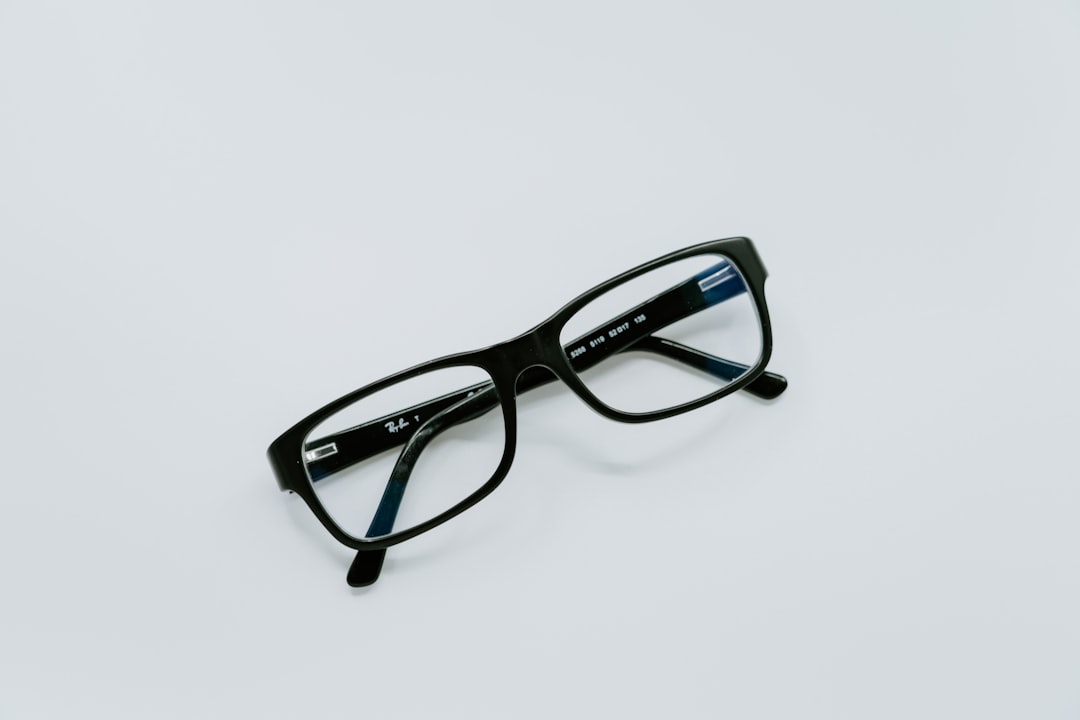
Stop squinting: lens coatings that actually reduce eye strain for remote work, gaming, and streaming in 2026
Hook: If long meetings, marathon ranked sessions, or late-night streams leave your eyes sore, dry, or fogged-up under studio lights, you don’t need to struggle — you need the right lens coatings and the right setup. In 2026 the best results come from pairing advanced coatings with modern displays and a low-latency network. This guide explains which coatings help, why they work, and how to combine them for remote workers, gamers, and streamers.
Quick takeaways (read first)
- Blue-light filters: choose selective HEV filters or spectral coatings that reduce high-energy blue light (around 415–455 nm) with minimal color shift for daytime use and stronger filters for night shifts.
- Anti-reflective (AR): the single most effective coating to reduce glare from monitors, LEDs and studio lights; look for multi-layer AR with anti-smudge and hydrophobic topcoats.
- Anti-fog: essential for streamers using masks, close mics, or hot lights; best as a durable factory-applied coating or as a hydrophilic top layer — sprays are temporary.
- Router + display synergy: stutter, lag, or low refresh increases squinting and prolonged screen focus. Combine wired or Wi-Fi 7/MLO connections and high-refresh displays (120Hz+) with the right lens combo for measurable comfort.
Why coatings matter more in 2026
Three trends since late 2024 and into early 2026 changed how we experience screens: widespread adoption of high-refresh displays (120–240Hz) in phones and monitors, the rollout of Wi‑Fi 7 features like Multi-Link Operation (MLO) and AI-driven QoS in routers, and growth in professional streaming setups using strong LED panels. Those improvements reduce motion blur and network lag — but they also expose older lenses' limitations. Reflections, micro‑glare, and condensation are more noticeable against sharper images and brighter lights. Modern coatings are engineered to address those specific visual stressors.
How coatings reduce eye strain: the mechanics
Eye strain is multi-factorial. Coatings target three major contributors:
- Glare and reflections: AR coatings reduce stray light bouncing off lens surfaces so your eyes don't constantly refocus around bright specular reflections.
- Blue‑light exposure: selective filters attenuate the high-energy portion of visible light that can disrupt circadian rhythms at night and might increase perceived glare for some users.
- Fog and contrast loss: anti-fog keeps optics clear when you’re sweating, breathing near a mic, or filming under hot lights — preserving image contrast so your eyes don’t overwork to resolve details.
Coating deep-dive: blue-light, anti-reflective, anti-fog
Blue-light filters: what’s changed by 2026
Today’s blue-light options fall into two categories:
- Spectral/embedded filters — built into the lens material or applied as a neutral coating. These selectively attenuate high-energy visible (HEV) light, often centered around 415–455 nm, while minimizing color distortion.
- Tinted blue-blockers — have a warm/yellow tint and block a wider band of blue. They can be effective for night sessions but change color perception, which gamers and color-critical streamers may not like.
New in 2025–2026: several manufacturers released coatings that block targeted HEV peaks rather than broad-spectrum blue. That yields symptom relief for many users (less glare, fewer headaches) without the yellow cast older blockers produced. Clinical consensus through 2025 still emphasizes that blue-blocking lenses are most beneficial for sleep disruption at night and subjective comfort — results vary — but technology improvements have made them less intrusive for daytime use.
Anti-reflective (AR): the essential coating
AR reduces reflections from both front and back lens surfaces so your eyes face less glare and can focus on the display rather than coping with competing light sources. In 2026 the best AR coatings are multi-layered with these features:
- High light transmission across visible spectrum (minimal color shift)
- Oleophobic and hydrophobic topcoats (anti‑smudge, easier cleaning)
- Low-friction layers to reduce micro-scratches from cloth cleaning
- Compatibility with blue-light filtering layers and photochromic treatments
For gamers and streamers, AR is the baseline must-have. It improves perceived contrast on HDR and bright RGB elements and reduces distracting reflections from keyboard LEDs and studio lights.
Anti-fog coatings: more than temporary sprays
Anti-fog technology advanced fast between 2023–2026. There are two common approaches:
- Hydrophilic coatings — make water form a clear microscopic film rather than droplets, eliminating diffusing haze.
- Surface treatments with nano-porous layers — trap moisture and disperse it quickly; more durable but typically found on premium lenses.
Factory-applied anti-fog performs far better than short-lived sprays or wipes. For streamers working under hot LED panels, a durable anti-fog layer can keep your lenses clear through hours of streaming. Look for products that combine anti-fog with anti-scratch and AR topcoats — layering improves performance and longevity.
Which coating combos work best for each persona
Remote workers (daytime video calls, multi-window workflows)
- Recommended combo: Multi-layer AR + subtle spectral blue-light filter + oleophobic topcoat.
- Why: Remote workers face mixed lighting (window glare, fluorescent overheads, multiple monitors). AR reduces distracting reflections, the mild blue filter eases long-day fatigue without color shifts, and an oleophobic topcoat keeps touchscreens and reading glasses cleaner.
- Practical tip: Use a 120Hz/144Hz monitor or enable motion smoothing if available; the smoother motion reduces micro-saccades and combined with AR reduces fatigue. If using Wi‑Fi, enable your router’s QoS for videoconferencing to avoid video freezing that makes you squint.
Gamers (fast response, long sessions)
- Recommended combo: Premium AR + mild blue-light spectral coating or low-tint gaming filter + anti-scratch hardcoat.
- Why: High-refresh gameplay benefits from reduced glare and max contrast. A slight blue filter can reduce perceived glare from HDR highlights and RGB lighting without changing color balance drastically. Anti-scratch hardcoat protects lenses during intense sessions and swapping frames.
- Practical tip: Use a wired connection or a Wi‑Fi 7 router with MLO/low-latency mode to keep frame rates consistent. Network stutter increases visual strain as your eyes attempt to reconcile dropped frames and motion — optics can only help so much if your connection lags.
Streamers (bright lights, close mics, constant camera presence)
- Recommended combo: Multi-layer AR + durable anti-fog + hydrophobic/oleophobic topcoat + optional mirror/anti-glare front finish for stage lights.
- Why: Studio lights and warming gear raise lens temperature and condensation risk; breathing into mics and wearing masks can cause fog. Anti-fog keeps your image sharp on camera; AR prevents reflectance of ring lights and key lights—reducing distracting hotspots in your stream.
- Practical tip: Consider camera angle and light placement — slightly above-eye lights avoid strong reflections into the lens. If you need a color-accurate image, avoid strong blue-blocking tints on-camera; prefer spectral HEV filters or use clip-on filters for off-camera use.
Coating comparison: what to look for
When comparing offerings, ask these questions:
- Is the AR multi-layer and is it applied to both sides of the lens?
- Is the blue-light filter spectral (selective) or a broad yellow tint?
- Is anti-fog factory-applied and listed with durability hours or wash cycles?
- Does the topcoat include hydrophobic and oleophobic properties?
- Are coatings guaranteed or covered by warranty for delamination?
Quick feature matrix (high-level)
- AR: reduces reflections, improves contrast — must-have.
- Blue-light spectral: selective HEV reduction, minimal color shift — best for day & night use.
- Blue-block tint: stronger HEV blocking, noticeable yellow cast — useful for late-night sessions away from streaming/color‑work.
- Anti-fog: prevents condensation, essential for streamers & mask wearers.
- Hydrophobic/oleophobic: repels oil and water, easier to clean — high value for everyday users.
Practical buying checklist (step-by-step)
- Define your primary use: remote work, gaming, or streaming — each has slightly different demands.
- Choose frame fit and lens material (polycarbonate or high-index for thinness). High-index lenses paired with premium coatings reduce weight and improve comfort during long sessions.
- Select lens type: single-vision for most tasks, computer-specific focal zones for frequent monitor shifts, or progressive if you need distance & near correction.
- Pick coatings: always include multi-layer AR + hydrophobic topcoat; add spectral blue-light for all-day use and anti-fog for streamers/close-mic work.
- Confirm compatibility: ensure coatings are factory-applied and covered by warranty; ask about re-coating policies.
- Test at home: use virtual try-on and request try-at-home programs if available. Take at least a week to evaluate comfort during your typical sessions.
Network and display tips that amplify coatings’ benefits
Coatings ease visual stress, but network and display stability also matter. Here are practical steps that combine with lens choices to maximize comfort and performance:
- Use wired Ethernet for streaming/gaming: even with the best AR lenses, jittery video forces micro-saccades and strain. Wired connections eliminate Wi‑Fi interference.
- Upgrade to Wi‑Fi 7 or Wi‑Fi 6E where needed: routers with Multi-Link Operation (MLO) and AI QoS deliver lower latency and fewer frame drops for wireless gaming/streaming devices. In 2026, many routers include automated low-latency modes tailored to gaming and video conferencing.
- Prioritize high-refresh displays: 120Hz or higher reduces motion blur and reduces eye effort to track movement. For content creators, match capture frame rate to display refresh to avoid judder.
- Optimize lighting: use diffused key lights, position lights slightly above eye level, and dim room background brightness to reduce contrast extremes that force your eyes to adjust repeatedly.
Maintenance & longevity: keep coatings working
Coatings are durable but not indestructible. Follow these best practices:
- Clean with microfibre cloths and lens solution (no household cleaners).
- Avoid abrasive cloths and excessive rubbing — that can degrade anti-reflective layers.
- Use lens cases and avoid leaving glasses face-down on hard surfaces.
- For anti-fog, prefer factory coatings; if using a spray, reapply only as directed and test for compatibility with AR coatings.
- Keep receipts and warranty info — some premium coatings include a multi-year warranty against flaking or delamination.
Real-world examples and case studies (Experience)
Example 1 — Remote Product Manager (real-world synthesis): After switching from uncoated lenses to a multi-layer AR + spectral blue filter in late 2025, they reported fewer headaches during back-to-back meetings and less eye rubbing by day 4. They also paired the glasses with a router set to low-latency meeting mode; their camera feed no longer froze during screen share, reducing visual confusion.
Example 2 — Competitive Gamer (synthesized case): A 2026 tournament player moved to high-index lenses with AR and a mild gaming filter. Their reaction time didn't change materially, but subjective visual comfort improved, enabling longer practice sessions without eye fatigue. They also prioritized a wired connection to avoid stutters that previously forced excessive squinting.
Example 3 — Full-time Streamer: With multiple LED panels and a small studio space, fogging from breath used to be frequent. Switching to factory-applied anti-fog plus AR eliminated on-camera lens haze and reflections, improving both their stream thumbnail quality and reducing the need for retakes due to glare spots.
"Coatings won’t fix a bad setup, but they make a properly configured environment feel effortless. Combine good optics with good networking for the best results." — Eyewear.store Senior Optical Strategist
Common myths and evidence-based clarifications (Expertise)
- Myth: All blue-blockers are yellow and ruin color. Fact: Spectral HEV filters in 2025–2026 can remove targeted blue peaks with very little color shift.
- Myth: AR coatings make lenses more fragile. Fact: Modern AR topcoats include hardening layers and oleophobic treatments; proper care maintains longevity.
- Myth: Anti-fog sprays are enough. Fact: Sprays are short-term; factory-applied anti-fog is more durable and safer with AR layers.
Action plan: choose your setup in 7 steps
- Identify your primary use and session length (remote work/gaming/streaming).
- Pick a frame that fits your face and mic/camera position.
- Choose lens material (polycarbonate for impact resistance; high-index for thinness).
- Add multi-layer AR and hydrophobic topcoat as staples.
- Add spectral blue-light filter for all-day users; choose tinted blockers only for late-night work where color accuracy is less important.
- Add factory anti-fog if you stream under hot lights or use close mics.
- Pair with network/display upgrades: wired Ethernet or Wi‑Fi 7 router; 120Hz+ displays; optimized lighting placement.
Buying tips and questions to ask your retailer
- Is the blue-light coating spectral and what wavelengths does it target?
- Is AR applied to both lens surfaces? What is the warranty?
- Is anti-fog factory-applied or an add-on? What are the expected lifetime and maintenance steps?
- Can I return or exchange after a trial period if comfort doesn't improve?
- Do you offer bundled options for gamers/streamers (AR + anti-fog + spectral blue filter)?
Final thoughts: combine tech and optics for relief
In 2026, lens coatings are part of a systems approach: optics, displays, and networks. Alone, a coating helps; combined with a low-latency connection, high-refresh display, and proper lighting, you can significantly reduce eye strain and improve performance and on-camera presence. Whether you're joining back-to-back calls, climbing ranks, or streaming for hours, the right coatings — multi-layer AR, spectral blue-light filters, and durable anti-fog — are practical tools that deliver measurable comfort.
Next steps (actionable)
- Evaluate your usage pattern for one week — note when and how your eyes feel strained.
- Choose a starter combo: AR + spectral blue-light for remote workers; AR + mild gaming filter for gamers; AR + anti-fog + hydrophobic for streamers.
- Optimize your router and display: wired connection or Wi‑Fi 7 with MLO, and a 120Hz+ monitor or phone — the network/display upgrades multiply the benefit of coatings.
Call to action
Ready to stop straining and start performing? Browse our curated lens-coating bundles for remote workers, gamers, and streamers — each bundle pairs evidence-backed coatings with recommended display and network tips so you get comfort from day one. If you’re unsure, use our virtual try-on and 14‑day comfort guarantee to test coatings in your real setup.
Related Reading
- Prompt Engineering for Internal Recommendation Micro-Apps: A Cookbook
- Internal L&D Reimagined: Adopting Guided Learning (Gemini) for Developer Upskilling
- Resilience Hubs: How Caregivers Use Micro‑Events, Meal Hubs and Privacy‑First Edge Tools to Scale Support in 2026
- Audit Checklist: How to Tell If Your Martech Stack Has Too Many Tools
- From Reddit to Digg: How Publishers Should Reassess Community Strategy After Paywall-Free Digg Beta