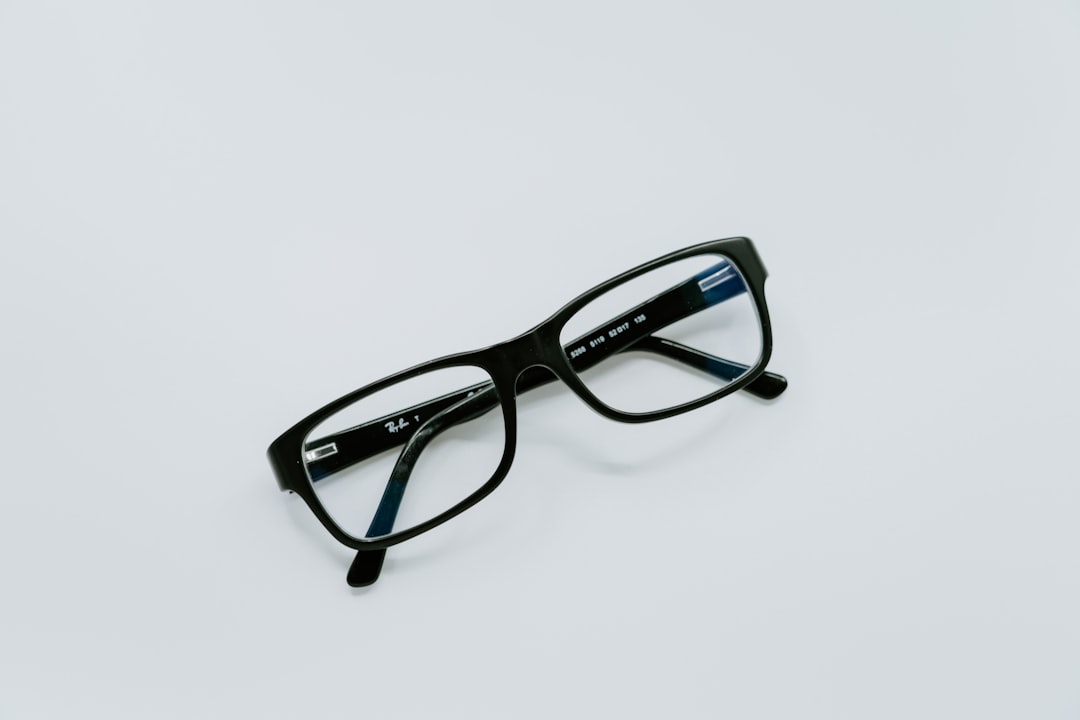
Winter is the season of texture, silhouette, and contrast: heavy wool coats, puffers, shearling collars and long trenches. Sunglasses are more than eye protection — they are the finishing accessory that can elevate a winter outfit from practical to polished. This guide shows you how to pair sunglasses to different winter outerwear, balance function with fashion, and make confident purchases online. Along the way you’ll find real-world styling rules, technical lens advice for low-angle winter sun, budget strategies and care tips so your eyewear lasts through thaw and freeze.
Quick note: if you want inspiration on pairing eyewear with everyday looks, designers and athletes influence a lot of street trends—the footballer’s guide to casual chic is a useful reference for men’s casual layering and accessory placement.
1. Why Sunglasses Matter in Winter
1.1 Protection and performance
Winter sun sits lower on the horizon, creating prolonged horizontal glare from snow, ice and wet streets. Polarized and anti-reflective lenses are highly effective at cutting this glare and reducing eye strain on commutes and winter walks. In addition to UV protection, lenses built to handle low-angle sunlight improve contrast — important for safe driving or snowy window reflections.
1.2 Style continuity: accessories that talk to your coat
A coat defines most of your winter silhouette before anyone notices your shoes or bag. Sunglasses are the face-level punctuation: the wrong proportion can make a luxe coat look mismatched or a sporty puffer feel disjointed. Think of eyewear as a collar accessory; it should echo the coat’s shape, color temperature and overall vibe.
1.3 Seasonal trends and cultural cues
Fashion cycles in winter are often driven by celebrity and runway moments. If you study recent coverage and wedding-style moments, you’ll see how particular frame shapes come back into style — worth keeping an eye on when shopping new frames (see coverage in popular culture roundups).
2. Understand Your Winter Coat's Silhouette
2.1 The major coat archetypes
Coats broadly fall into several silhouette categories: structured (wool coats, trenches), voluminous (puffers, down coats), textured (shearling, faux-fur), and technical (softshells, parkas). Each creates a different visual weight on your body and calls for sunglasses that either balance or deliberately contrast that weight.
2.2 How fabric and texture influence eyewear choice
Textured coats (wool blends, shearling) invite tactile pairings—matte acetate frames or brushed-metal finishes complement fabric depth. Sleek technical shells pair well with minimalist or sporty frames. For tips on choosing textiles and layering thoughtfully, home styling resources such as textile guides help illustrate how material choices change perceived warmth and style.
2.3 Color temperature and contrast
Winter palettes often skew neutral: charcoal, camel, navy, deep green. Decide whether you’ll match frames to your coat’s tone (monochrome approach) or use sunglasses as a contrast point. A camel coat with tortoise frames reads classic; the same coat with matte black aviators reads modern and slightly more urban.
3. Match Sunglasses Frame Shapes to Coat Styles
3.1 Structured coats: go classic
For tailored wool coats and trenches, consider refined shapes: rectangular frames, narrow ovals, or thin metal aviators. These maintain the coat’s streamlined look and preserve a polished silhouette. A classic metal aviator can complement a double-breasted wool coat without overpowering it.
3.2 Puffy and voluminous coats: balance the volume
Puffers and oversized parkas create bulk. Counterbalance with defined or angular eyewear — wayfarer or square frames add structure at the face-level so the overall look doesn’t read too shapeless. Sporty wrap frames also pair well with technical puffers for a cohesive outdoor-ready style.
3.3 Textured and statement coats: keep the face simple
When the coat itself is the statement — shearling, faux fur, bold quilting — choose understated sunglasses to avoid visual competition. Slim metal frames or clear acetate can rest visually against a busy coat. For inspiration on combining statement outerwear with subtle accessories, look at market-driven retail approaches in the evening markets and how individual pieces are curated.
| Coat Type | Recommended Frame Shapes | Lens Suggestions | Finish/Material | Price Range (USD) |
|---|---|---|---|---|
| Structured Wool / Trench | Rectangular, Aviator, Narrow Oval | CR-39 or polycarbonate; anti-reflective | Polished metal, tortoise acetate | $60–$300+ |
| Puffer / Parka | Wayfarer, Square, Sport Wrap | Polarized; high-contrast tints | Matte acetate, rubberized nose pads | $40–$250 |
| Shearling / Faux-Fur | Thin metal frame, Slim Rectangle | Photochromic for indoor/outdoor transition | Brushed metal, translucent acetate | $80–$350 |
| Technical Softshell | Sport Wrap, Shield | Polarized, anti-fog coatings | Lightweight TR-90, Grippy temples | $50–$300 |
| Long Overcoat / Maxi | Oversized Square, Cateye | Gradient tints for style + function | Bold acetate, mixed metal accents | $70–$400+ |
4. Face Shape, Proportion and the Final Fit
4.1 Read your face: the simple guide
Understanding your face shape helps you choose frames that create balance. Round faces suit angular frames to add definition; square faces typically pair well with rounded or oval frames that soften strong jawlines. Heart-shaped faces benefit from bottom-weighted frames and rimless styles that downplay the forehead area.
4.2 Scale is everything
When you wear a big coat, slightly larger frames often balance better. But avoid frames so large they cut across your cheekbones awkwardly. Think about the vertical space between your brow and cheek; frames should sit comfortably within that window without overwhelming your face.
4.3 Try-on strategies (in person and online)
If you’re shopping in person, bring the coat you intend to wear with the sunglasses. If online, use virtual try-on tools and reference photos of yourself wearing the coat. Digital styling and smart try-on tech are evolving rapidly — if you’re curious about tech and beauty crossover, see explorations on smart tech and beauty and the latest innovations in eyewear including smart glasses.
5. Lens Technology Optimized for Winter
5.1 Polarized vs. non-polarized: when polarization wins
Polarized lenses greatly reduce horizontal glare from ice and wet roads. For commuting, driving or snowy landscapes, polarized is usually the best functional choice. Be aware that polarization can reduce visibility of LCD panels—use caution if you rely on screens outdoors.
5.2 Photochromic and gradient tints
Photochromic lenses darken with UV exposure and are ideal for inconsistent light—temporal transitions from cloudy sidewalks to bright snowfields. Gradient tints (darker at the top) are both stylish and practical for protecting from overhead glare while allowing clearer lower-field vision for reading maps or phones.
5.3 Coatings: anti-fog, hydrophobic and anti-scratch
Winter brings temperature swings that cause lenses to fog. Anti-fog coatings and hydrophobic (water-repellent) layers keep visibility clear during commutes and cold-weather activity. Anti-scratch coatings are a must for acetate frames that might rub against collars or zippers.
6. Materials, Colors and Finishes That Read Well with Outerwear
6.1 Frame materials and winter durability
Acetate offers depth and color variation (tortoise is a winter classic). TR-90 and nylon provide lightweight flexibility for active wear. Metals (stainless steel, titanium) are elegant and slim but may feel cold against the skin—consider adjustable nose pads or warm temple tips for comfort.
6.2 Finishes: matte vs. glossy and how they pair
Matte frames pair especially well with technical and casual outerwear, giving a modern understated look. High-gloss finishes complement formal wool coats and more glamorous ensembles. Metallic accents can add a luxe note against heavy neutral wool.
6.3 Choosing colors that last across seasons
If you want one pair for years, choose neutral frames (black, tortoise, dark havana). For a seasonal pop, consider jewel tones—deep green, oxblood or navy frames pair beautifully with camel and charcoal coats. If sustainability is a factor, research brands and hospitality-style sustainable practices framed in lifestyle reporting like sustainable luxury to find eco-conscious suppliers.
Pro Tip: Matte tortoise acetate is one of the most winter-proof finishes—it reads upscale with wool coats and casual with puffers, making it a reliable single-pair solution for most wardrobes.
7. Practical Fit: Hoods, Collars and Headwear
7.1 Layering with hoods and high collars
High collars and hoods change how sunglasses sit and how visible they are from the side. If you frequently wear a hood, pick frames with a secure temple design or non-slip tips. Slimmer frames can also avoid catching on fur-edged hoods.
7.2 Wearing sunglasses with hats and beanies
Beanies and knit hats raise the visual plane of the head; slightly taller frames or higher-set bridges can prevent sunglasses from looking swallowed. For brimmed hats, coordinate the eyewear style—flat-brim baseball caps often pair well with sporty wrap frames, while wool fedoras match better with classic aviators.
7.3 Active winter sports compatibility
If you’re skiing, snowboarding or cycling, prioritize wrap frames, helmet compatibility and anti-fog coatings. Sport frames with vented lenses help maintain airflow; soft rubber temple grips prevent slippage during activity.
8. Budget, Buying Strategies and Finding Deals
8.1 Set priorities: where to spend and where to save
Decide whether you want premium lenses (polarized, photochromic, multiple coatings) or premium frames (designer acetate, precious metals). Often the best value is a mid-range frame with advanced lens options. If lenses are more critical to your needs (driving, snow glare), invest there first.
8.2 Buy smart: sales, preowned and outlet strategies
Store closures and retail shifts create opportunities for markdowns and outlet deals; guides on finding value during retail shake-ups, such as how to spot deals from major store events, are useful context (finding value deals). Preowned eyewear can also be an excellent way to access higher-end frames at lower cost—learn how to shop used pieces safely in second-hand shopping guides.
8.3 Budgeting tactics for accessories
If you’re watching spend, follow practical saving strategies from other categories; articles about running on a budget and gear savings provide good mindset and tactics that translate to eyewear shopping (budgeting techniques).
9. Care, Maintenance and Winter Storage
9.1 Preventing fog and moisture damage
Carry a microfiber cloth and an anti-fog spray. When moving from cold outdoors to warm indoors, avoid wiping lenses immediately—allow them to equilibrate to reduce condensation formation. Keep frames in a rigid case when not in use to prevent bending from being tossed in a coat pocket.
9.2 Repairs and warranty considerations
Check warranty terms for hinge repairs and lens coatings. Some retailers and subscription services offer extended coverage. If you want to extend the life of frames, schedule regular tightening and cleaning rather than letting issues accumulate.
9.3 Materials and seasonal storage tips
Store metal frames away from high humidity to avoid corrosion. For acetate, avoid high heat (e.g., the car dashboard in winter sun) which can warp frames. If you’re modifying or customizing frames (e.g., replacing nose pads), do so with a qualified optician to avoid damage.
10. Styling Examples, Lookbook and Real-World Cases
10.1 Weekend casual: puffer + wayfarers
Pair a matte black puffer with dark square wayfarers and a chunky knit beanie for an athletic-casual weekend look. This combination keeps your face defined against a voluminous coat and reads sporty without trying too hard.
10.2 The city commute: trench + slim aviators
A long camel or navy trench with narrow metal aviators creates a timeless commuter silhouette. Add leather gloves and a slim briefcase for an elevated business-casual approach. Retail curation strategies from evening markets and pop-ups show how a single statement accessory can shift a whole outfit aesthetic (curation in retail).
10.3 Weekend statements: shearling coat + oversized sunglasses
Shearling invites larger, more glamorous eyewear. Oversized square or cat-eye frames in translucent or tortoise acetate complement the tactile richness of shearling. For accessory pairing advice that mirrors jewelry strategies, see tips on scoring luxury looks affordably (accessory cost strategies).
10.4 How cultural trends inform choices
Streetwear and celebrity moments often push eyewear micro-trends. Wedding and celebrity coverage highlights shapes and color pairings that can act as inspiration when you want to experiment (trend roundups).
11. Tech, Virtual Try-On and the Future of Eyewear Shopping
11.1 Virtual try-on accuracy: what to expect
Virtual try-on is no longer novelty — many shops use face-mapping and AR to show how frames sit on your face. Still, lighting and camera angle can misrepresent scale. Use multiple images and angle shots with your coat on to confirm real-world fit.
11.2 Smart glasses and hybrid features
If you’re curious about smart eyewear (notifications, audio, camera features), note how rapidly the category is evolving. For a broad view of the technology and consumer trust issues, review resources on innovations in smart glasses and how beauty-tech intersections are changing product expectations (merging tech with style).
11.3 Blending tradition and innovation in purchases
Traditional optical measurements still matter: PD (pupillary distance), bridge width and lens centration ensure comfortable vision and fit. Combine these measurements with virtual try-on to avoid returns — and always confirm return policies before buying.
FAQ — Common Questions About Sunglasses + Winter Coats
Q1: Can I wear polarized lenses when driving in winter?
A1: Yes. Polarized lenses reduce glare from wet roads and snow, improving visual comfort while driving. Be aware of potential interference with some dashboard displays.
Q2: Are oversized frames a bad idea with big coats?
A2: Not necessarily. Oversized frames can pair well with large coats if proportional to your face and balanced by the coat’s neckline. Try them on with the coat to check scale.
Q3: What lens tint is best for snowy days?
A3: High-contrast tints like brown, amber or rose improve depth perception on snowy days. Polarized brown is a versatile choice.
Q4: How do I prevent glasses from fogging when wearing a scarf and coat?
A4: Use anti-fog sprays, ensure your mask/scarf fits snugly to redirect breath downward, and opt for frames with venting if fogging is severe.
Q5: Is it worth buying designer frames for winter only?
A5: If you want long-term value, choose frames that will transition across seasons and outfits. You can find deals and resale options if you want premium frames without full retail price—resources on finding deals and second-hand shopping offer strategies (finding deals, buying preowned).
12. Final Checklist Before You Buy
12.1 Try it with the coat
Always evaluate sunglasses while wearing the coat you plan to pair them with. Take photos in natural light and analyze the silhouette balance. If shopping online, upload a photo or use an AR try-on and reference measurements.
12.2 Confirm lens performance
Check the lens specs: polarization, UV protection (100% UVA/UVB), lens material and coatings. Prioritize anti-fog and hydrophobic coatings for wet winter climates.
12.3 Plan for maintenance and backups
Invest in a protective case and cleaning kit. Consider a second, cheaper pair if you plan to use sunglasses for active winter sports where loss or damage is more likely — a practical approach seen across categories and gear saving strategies (budget gear tips).
For creators and anyone recovering from style setbacks, remember that confidence impacts how an accessory reads; resources on resilience and creative recovery can help you experiment more boldly (bounce-back strategies).
Conclusion
Matching sunglasses to your winter coat is both an art and a science. Start with your coat’s silhouette and texture, choose lenses that address winter glare and fog, and select frames that balance your face and the outerwear’s volume. Use online try-on tools as a complement to real-world checks, and consider budget strategies — outlet finds, preowned options and prioritizing lens tech over designer branding can all lead to a better long-term pairing. When in doubt, neutral frames like matte tortoise or slim metal aviators are versatile winter companions.
Related Reading
- Crafting Comfort: DIY Pillow Ideas - Ideas on textures and fabrics that inspire winter layering at home.
- Latest Beauty Launches - Seasonal color and skincare trends that pair well with winter accessories.
- Scent Innovations - How scent and accessory choices create a cohesive personal style.
- Trending Jewelry on a Budget - Accessory pairing strategies to layer jewelry with eyewear and coats.
- The Art of Evening Markets - Tips on curated shopping experiences for unique eyewear finds.