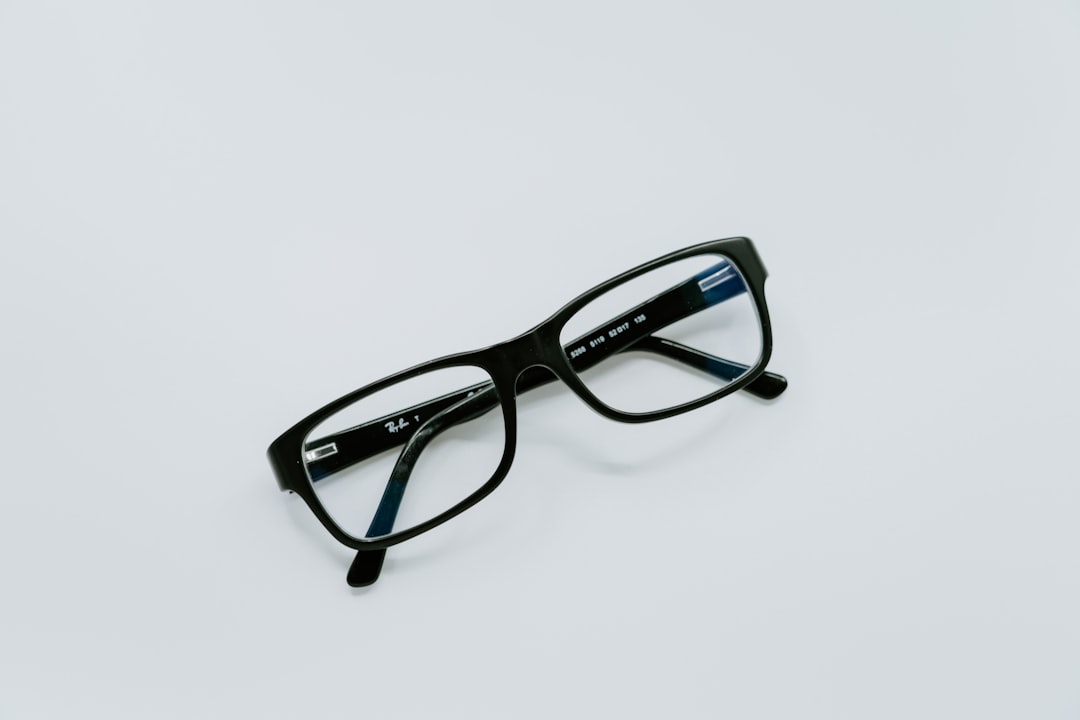
Designer eyeglasses are both a style statement and a precision product, which means they deserve more than a quick wipe on your shirt and a toss into your bag. The good news: keeping your frames looking new does not require risky DIY fixes or expensive professional cleanings every time they pick up dust. The key is to understand which habits protect your designer eyeglasses and which habits can quietly undermine your eyeglass warranty. If you have ever wondered whether a loose screw, a scratched lens, or the wrong cleaning spray could void coverage, this guide gives you a clear checklist to follow.
Think of warranty-safe care as a three-part system: clean correctly, store correctly, and repair correctly. That framework matters because most warranty disputes do not come from one dramatic mistake; they come from repeated small ones like using hot water on coatings, tightening screws too aggressively, or putting frames in a handbag without a case. For shoppers who want confidence before they buy, it helps to read related guidance on fit and product selection, such as how to choose frames for your face shape and understanding prescription lens options. Those decisions affect how you use and maintain your glasses long after checkout.
1. Start With the Warranty Terms Before You Clean Anything
Know what “normal wear” means
Warranty language usually sounds simple, but the details matter. Most manufacturer warranties cover defects in materials or workmanship, not accidental damage, chemical damage, or misuse. That means a frame hinge that loosens because of a production issue may be covered, while a temple snapped by bending it at home may not be. Before you make any adjustment, look for terms like “authorized repair,” “exclusions,” “wear and tear,” and “tampering.”
A useful habit is to treat the warranty like a maintenance map. If the paperwork says adjustments must be performed by an authorized optical professional, then your best move is to avoid taking pliers to the hinge. For extra context on purchase protection and post-sale expectations, see our returns and exchanges policy guide and the lens replacement overview. Both help you separate fixable issues from avoidable mistakes.
Document your glasses from day one
Take clear photos the day your glasses arrive: front view, both sides, lens surfaces, hinge details, and packaging. Save the receipt, order confirmation, prescription details, and any warranty card in one folder. If you ever need to submit a warranty claim, this documentation can help show that damage was not present when the eyewear arrived. It also gives you a baseline for spotting gradual wear like coating haze, screw loosening, or hinge misalignment.
This is especially useful with premium frames where finish quality and fit are part of the value proposition. If you are comparing options, the deeper buying guides on frame materials and designer sunglasses care can help you choose products that match your lifestyle. The more you know about the construction, the easier it is to maintain it properly.
When in doubt, ask before you act
If the warranty text is vague, contact customer support before attempting any repair or adjustment. A quick message can clarify whether a task like replacing nose pads, tightening screws, or swapping a temple tip must be handled by an approved provider. That one step can prevent an expensive denial later. In warranty terms, “better safe than sorry” is not just a phrase—it is a cost-saving strategy.
2. Cleaning Designer Frames the Warranty-Safe Way
Use the simplest cleaning method first
The safest daily cleaning method for most designer eyeglasses is lukewarm water, a drop of mild dish soap, and a clean microfiber cloth. Rinse away dust and grit first, because rubbing dry debris across lenses can create tiny scratches that become visible over time. Avoid paper towels, tissues, napkins, and shirt hems; they can trap particles and abrade coatings. A soft rinse and gentle wipe are usually enough for fingerprints, skin oils, and day-to-day grime.
If your lenses have premium coatings, be especially careful with anti-reflective coating care. Anti-reflective layers improve clarity, but they can be damaged by harsh cleaners, ammonia-based products, acetone, or excessive heat. For shoppers who want to understand the difference between lens types and coatings before buying, the lens coatings guide and prescription lens options page are helpful companions.
Avoid the “quick fixes” that do the most harm
Pre-moistened lens wipes can be convenient, but not all are coating-safe. If the product does not explicitly state compatibility with coated ophthalmic lenses, skip it. Likewise, glass cleaners, household degreasers, vinegar solutions, and alcohol-heavy sprays may seem harmless, but repeated use can dull coatings, dry out frame finishes, and weaken some plastics. Heat is another hidden risk: leaving glasses in a hot car can warp frames and accelerate coating failure.
Here is a simple rule: if a cleaning product is meant for windows, kitchen surfaces, or electronics, do not assume it is safe for eyewear. That caution is similar to the approach used in other product categories where the promise of convenience can create hidden tradeoffs, such as the lessons in product hype vs. proven performance. With eyewear, performance is preserved through restraint and consistency.
Clean the frame, not just the lenses
Designer glasses collect oil at the nose bridge, temples, and hinge joints, which means lens-only cleaning leaves a lot behind. Gently wash the entire frame, including nose pads, temple tips, and the bridge area where sweat tends to accumulate. Use a soft brush or a cotton swab for the hinge zone if grime has built up, but do not force debris deeper into the mechanism. The goal is to remove residue without prying, scraping, or bending.
For owners who also wear prescription sunglasses, keep in mind that UV and outdoor grime can accelerate buildup. You can compare maintenance habits across product types with our sunglasses lens care guide and frame cleaning basics. A consistent routine extends both appearance and longevity.
3. Storage for Eyeglasses: The Habit That Prevents Most Damage
Use a hard case every time you are not wearing them
The number one storage rule is simple: if the glasses are off your face, they should be in a protective case. A hard case reduces pressure damage, lens scratches, and temple bending, especially in handbags, backpacks, and car consoles. Soft pouches are better than nothing, but they do not protect against crushing forces. If you are paying designer prices, a hard case is not an accessory; it is part of the protection system.
Good storage for eyeglasses is especially important when you travel or commute. Carrying frames loose in a tote bag is one of the fastest ways to create warranty-unfriendly wear patterns because damage can be interpreted as accidental misuse. If you want a broader shopping perspective on premium accessories and deal value, the article on hidden freebies and bonus offers is a useful reminder that small included extras can matter.
Store them away from heat, moisture, and pressure
Never leave designer frames in direct sunlight, on a radiator, in a parked car, or near a sink where they can be splashed repeatedly. Heat can distort acetate and soften adhesives. Moisture can make metal hardware corrode faster and can degrade some frame finishes over time. Pressure from books, laptop sleeves, and gym bags can warp alignment even when the lenses appear untouched.
Think of your glasses like a precision tool rather than a casual accessory. That mindset is common in other high-value products too, from premium hardware to curated home goods, where proper storage determines lifespan. The same logic appears in guides like how to choose a laptop that won’t bottleneck your creative projects and the data dashboard approach to decorating any room, where organization protects value.
Keep a cleaning kit with the case
The easiest way to maintain a safe routine is to keep the right tools where you need them. Put a microfiber cloth, a travel-size lens spray approved for coated lenses, and a backup hard case in the same place you store your glasses. That makes it far less likely that you will improvise with your shirt sleeve or a paper towel. Consistency matters because most scratches happen in rushed moments, not in carefully planned ones.
For shoppers who like smart checklists, this idea mirrors the practical structure of travel checklists for commuters and travel insurance guidance. A small kit prevents big problems.
4. Authorized Repairs: Why They Matter More Than DIY Fixes
Use the seller, brand, or approved optical partner
When frames need adjustment, replacement parts, or hinge work, the safest route is an authorized repair channel. That may be the original retailer, the frame brand, or a licensed optical shop that the warranty recognizes. Authorized service helps ensure that the correct screws, pads, and replacement components are used, and it creates a paper trail that supports future warranty claims. It also reduces the risk of cosmetic damage caused by tools that are too large, too sharp, or too forceful.
If your glasses are part of a bundled order, check whether the retailer offers post-purchase support similar to the service standards discussed in personalized service offers. The principle is the same: better support usually means less hassle and fewer mistakes.
Know which repairs are usually safe and which are risky
Small maintenance tasks can be safe when done professionally, such as replacing nose pads, replacing screws, adjusting temple alignment, or re-centering lenses in the frame. What becomes risky is aggressive bending, glue-based repairs, drilling, sanding, or using non-original parts that compromise structure. Even a tiny misalignment can change how your prescription sits in front of your eyes, which affects comfort as well as clarity. The less guesswork involved, the better.
Here is a practical comparison of common care tasks and how they relate to warranty safety:
| Task | Warranty Risk | Best Practice | DIY or Authorized? |
|---|---|---|---|
| Microfiber lens cleaning | Low | Use lukewarm water and approved cleaner | DIY |
| Temple screw tightening | Medium | Use a proper eyewear tool, lightly | Prefer authorized |
| Nose pad replacement | Low to medium | Match original parts and fit | Authorized recommended |
| Hinge realignment | High | Protect finish and avoid overbending | Authorized only |
| Lens re-seating or replacement | High | Use the correct lens and mounting specs | Authorized only |
Protect the finish during any adjustment
Even simple repairs can scratch plating, chip acetate, or distort the coating if performed with the wrong tools. If you ever notice looseness, do not wait until the frame fails completely. Early intervention reduces stress on the hinge, which often prevents a full repair. That said, the repair should still be performed carefully and with the right support channel, not with improvised household tools.
If you are comparing value across premium purchases, the same “service quality matters” concept appears in articles like smart savings guides and home upgrade deals under one roof. With eyeglasses, the service pathway is part of the product quality.
5. Screw Tightening, Hinge Care, and Daily Handling
How to handle screw tightening frames safely
Loose screws are common, especially on frames worn daily, but over-tightening is a classic warranty mistake. If you choose to tighten a screw at home, use a precision eyewear screwdriver and apply the lightest possible pressure. The goal is to stop movement, not to clamp the hinge shut. If the screw keeps loosening, the threads may be stripped or the hinge may need professional attention.
When people ask whether screw tightening frames is a normal maintenance task, the answer is yes in moderation, but no if you are forcing parts. In other words, a tiny fix is fine; a mechanical correction is not. If your frame feels unstable after tightening, stop and use authorized repairs rather than making it worse.
Open and close frames with both hands
One-handed removal is convenient, but it creates uneven stress on the temples and hinges. Over time, that habit can twist the frame and increase the need for alignment work. Use both hands to remove and put on your glasses whenever possible, especially with thinner metal frames or premium acetate designs. The same care should extend to setting them down: always fold them before placing them on a surface.
This is one of those small habits that pays off over years. Just as creators improve output with structure and repeatable habits in guides like repurposing faster, eyewear owners protect value through consistent handling. Small efficiency habits add up.
Avoid “performance testing” your frames
Do not flex the temples, twist the bridge, or repeatedly snap the arms open and shut to see how strong they are. Designer glasses are built for wear, not stress tests. Repeated force can loosen rivets, strain springs, and create stress fractures that may not appear immediately. If you want frames that can handle active use, choose the right material from the start rather than trying to prove durability after purchase.
For shoppers comparing everyday durability and design, related content on value-focused buying strategy and smart savings for gear lovers reinforces the broader lesson: buy for the life you actually live.
6. Anti-Reflective Coating Care and Lens Protection
Respect the coating as a functional layer, not decoration
Anti-reflective coatings improve night driving visibility, reduce glare on screens, and make lenses look cleaner and more transparent. But they are also more sensitive than bare plastic or glass surfaces. Harsh cleaners, abrasive cloths, and high heat can cause micro-damage that looks like smudging, crazing, or peel-like wear. Once coating damage begins, it usually does not reverse.
For that reason, anti-reflective coating care should always prioritize mild cleaning and safe storage. If you notice persistent streaking even after cleaning, do not scrub harder; that can worsen the issue. Instead, inspect for residue, damage, or a coating defect and contact support if needed.
Don’t mistake coating problems for dirt
Sometimes what looks like grime is actually coating wear. This is especially true when lenses appear cloudy in reflected light or show fine spiderweb-like marks under bright lamps. If the lens remains dirty after proper washing, that is a clue to stop experimenting and ask for a professional evaluation. A warranty claim may be appropriate if the damage appeared unusually early and was not caused by misuse.
This is where careful observation matters. In other consumer categories, people are taught to distinguish between product failure and user error, whether in security pipelines or audit toolboxes. With eyewear, the same mindset helps you document real defects accurately.
Use safe habits in the car, at the gym, and outdoors
High-heat environments are a major threat to coatings and frame shape. Do not leave glasses on dashboards, in sauna-adjacent areas, or near athletic gear that traps sweat and moisture. Outdoor use also increases exposure to sunscreen, salt spray, and dust, so rinse or wipe frames after activities when practical. These are not dramatic rules, but they do a lot of work in preserving the finish.
Pro Tip: If you would not store a camera lens or premium watch on a hot dashboard, do not store designer eyeglasses there either. Heat and pressure are two of the fastest ways to damage both frames and coatings.
7. What Can Void a Warranty: The Red Flags to Avoid
Unapproved repairs and replacement parts
The most common warranty-killers are unauthorized modifications and repairs. If you replace screws with the wrong size, glue a loose part, or install non-matching nose pads that alter the frame geometry, you may create enough evidence of tampering to complicate a claim. Even if the repair “works,” warranty teams often look for signs that the product was altered outside approved channels. That is why authorized service matters so much.
This is similar to what you see in other fields where chain of custody matters, such as confidentiality and documentation checklists or rigorous validation standards. The paper trail is part of the trust signal.
Accidental damage is not the same as covered damage
Dropped frames, crushed cases, pet bites, and accidental stepping are usually considered mishaps rather than manufacturing defects. That does not mean you should not ask about repair options, but it does mean you should not assume free replacement. Insurance, protection plans, or paid repairs may be more realistic than warranty claims in these situations. Reading the policy before something breaks is far smarter than arguing after the fact.
When evaluating what is and is not protected, consider the same disciplined approach that consumers use in research reading guides: identify the claim, look for exclusions, and verify the source. Eyewear warranties reward that level of attention.
Wear and tear vs. misuse
Some changes are normal over time: screws loosen, nose pads compress, temple tips discolor slightly, and lens coatings may show age after heavy use. Warranties often distinguish normal wear from defects, so the timing and pattern of the issue matter. If a hinge fails in month two, that looks different from a hinge that slowly loosens after years of use. Keep your photos and receipts so you can explain the timeline clearly.
For readers who like a consumer-first approach to evaluating quality, it can help to compare this with how people assess premium categories in other markets, from cross-border retail quality comparisons to explainable verification processes. Good evidence wins.
8. A Practical Designer Eyeglasses Care Checklist
Daily checklist
At the end of each day, rinse dust away, clean with mild soap if needed, dry with a microfiber cloth, and store the frames in their hard case. Check for lens smudges, hinge looseness, or bent temples before putting them away. If you notice resistance when opening or closing the arms, note it rather than forcing it. Catching a small issue early is often the difference between a quick adjustment and a bigger repair.
Weekly checklist
Once a week, inspect screws, nose pads, and the bridge area for grime buildup. Clean the hinge zone carefully and confirm that both temples open symmetrically. Review your case condition too, because a damaged case can be almost as risky as no case at all. If your glasses are used heavily, you may want to schedule a professional check-up every few months.
When to seek help immediately
Contact support or an authorized optical professional right away if you see cracked acetate, peeling coatings, a bent frame that will not reset naturally, or a screw that will not hold. These are not “wait and see” issues. Acting early can preserve function and improve the chance of a favorable warranty review. If the damage seems related to a manufacturing defect, document everything before any further handling.
9. FAQ: Designer Eyeglasses Warranty and Care
Does cleaning my glasses with household glass cleaner void the warranty?
It can, depending on the warranty terms and the type of damage that results. Household glass cleaners often contain ammonia or solvents that can harm coatings and frame finishes over time. If a coating fails after repeated use of the wrong cleaner, the brand may classify that as misuse rather than a defect. The safest choice is a lens-safe cleaner approved for coated eyewear.
Can I tighten loose screws on designer eyeglasses myself?
Yes, minor screw tightening frames maintenance can be done carefully with the right precision tool. The risk comes from over-tightening, stripping threads, or using the wrong screwdriver size. If the screw keeps loosening or the hinge feels unstable, use an authorized repair channel instead of forcing it.
Will storing glasses in a soft pouch void the warranty?
Usually not by itself, but soft pouches offer much less protection than hard cases. If the glasses are crushed or scratched while stored loosely in a bag, the resulting damage is typically considered accidental. For best protection and the lowest risk of avoidable damage, use a hard case whenever the glasses are not on your face.
Are anti-reflective coatings covered if they start looking cloudy?
Sometimes, if the issue is due to a defect rather than cleaning damage, heat exposure, or abrasion. The question is usually whether the coating failed because of manufacturing or because of use. Keep your purchase records and photos, and contact the seller or manufacturer promptly if the problem appears early.
What is the biggest mistake that voids an eyeglass warranty?
The biggest mistake is usually unauthorized modification or repair. That includes gluing broken parts, using incorrect replacement components, or bending frames aggressively at home. Even well-intended fixes can count as tampering if they leave visible evidence or alter the original structure.
How often should designer eyeglasses be professionally checked?
For everyday wear, a professional check every 6 to 12 months is a good rule of thumb, especially if the frame is expensive or heavily used. If you notice looseness, discomfort, or uneven alignment sooner, do not wait for the next scheduled check. Early adjustments are easier and less likely to become warranty issues.
10. Final Takeaway: Protect the Frame, Protect the Warranty
Designer eyeglasses stay beautiful longest when owners treat them like precision accessories instead of disposable fashion items. That means cleaning them gently, storing them in a hard case, avoiding heat and harsh chemicals, and using authorized service channels whenever the repair is more than a tiny adjustment. These habits do more than preserve appearance; they also help you stay within the boundaries of your warranty. In practice, the best way to avoid a warranty problem is to prevent the damage that causes one.
If you are shopping for your next pair, remember that the right frame is only part of the equation. Durable materials, coating-friendly lenses, and clear post-sale support all matter just as much. For more helpful buying context, explore designer frame selection tips, lens coating explanations, returns and warranty details, virtual try-on tools, and affordable prescription eyewear options. When the product and the care routine work together, your glasses can look new for much longer.
Related Reading
- Virtual Try-On Guide for Finding Your Best Frame - Reduce fit guesswork before you buy.
- How to Read Lens Coating Options Without Confusion - Learn what each coating actually does.
- Prescription Glasses Returns and Exchange Policy - Understand your options if the fit is off.
- How to Choose Durable Frames for Everyday Wear - Compare materials, finishes, and comfort.
- Designer Sunglasses Buying Guide - Pick stylish shades that fit your lifestyle.