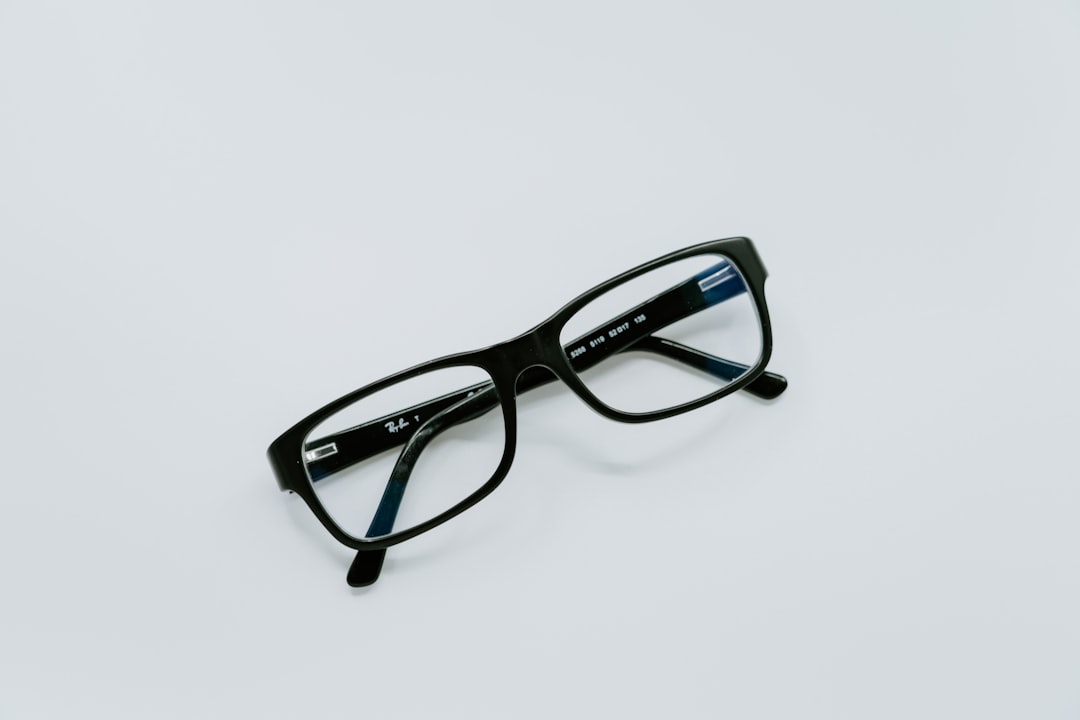
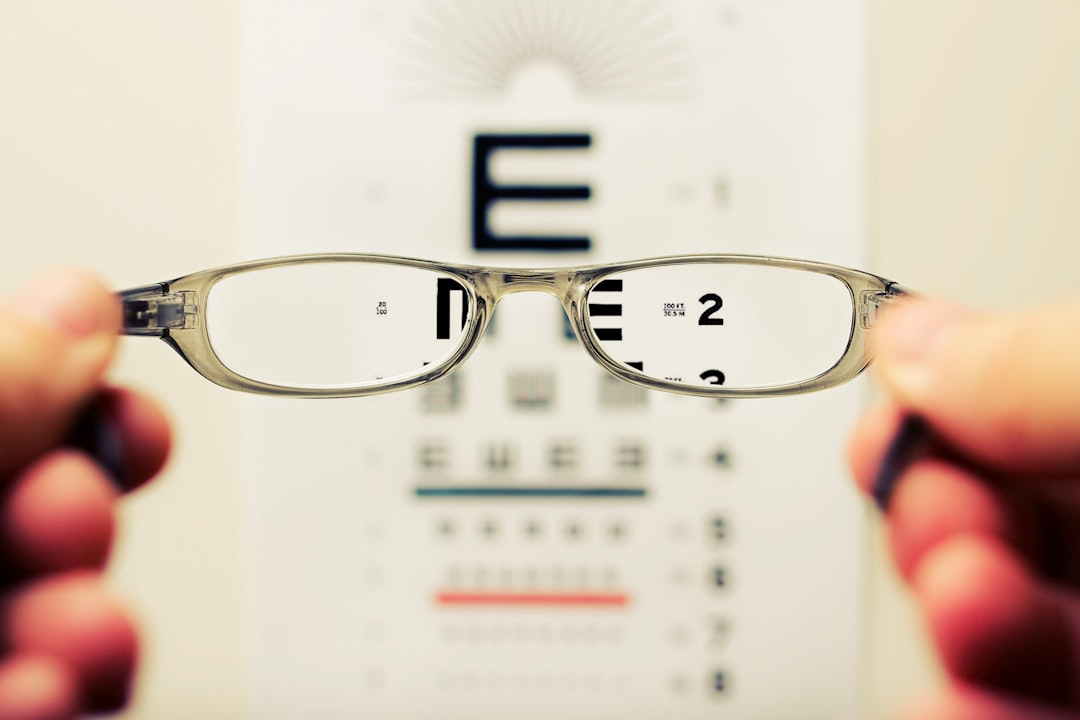
As temperatures drop and winter weather settles in, most people focus on prepping their homes for the cold season. Prioritizing home safety by insulating pipes, sealing windows, and stocking up on emergency supplies are common winter rituals. But one crucial item often overlooked in the seasonal checklist is your eyewear — an essential daily companion that also requires dedicated care to withstand the harsh winter weather.
Just like protecting your home from elements like ice and moisture, your prescription glasses or sunglasses need eyewear care strategies that ensure they stay functional, stylish, and undamaged throughout winter. This definitive guide dives deep into practical steps to prep your frames and lenses for cold, fog, snow, and everything in between — drawing parallels between simple home safety measures and the maintenance needed to keep your eyewear in top shape.
1. Understanding the Impact of Winter Weather on Eyewear
Cold Temperatures and Frame Durability
Extreme cold can cause many materials to contract and become brittle, which is why plastic and acetate frames are more prone to cracking or breaking in winter. Metal frames can become uncomfortably cold to touch and, if exposed to moisture, may even corrode if not properly protected.
Moisture, Snow, and Frame Warping
Similar to how homes can suffer moisture damage during winter storms (source), eyewear can warp when water from snow or rain seeps into the frame joints and freezes, compromising shape and fit.
Common Lens Issues: Fogging and Scratches
Winter brings the well-known problem of glass fogging due to temperature changes when moving between cold outdoors and heated indoors. Additionally, icy or snowy conditions can increase the risk of scratches if lenses come into contact with abrasive surfaces or harsh cleaning materials.
2. Daily Protective Measures for Your Glasses: Drawing Lessons from Home Safety
Storage Tips: Safe Zones for Your Eyewear
Just like placing insulation in vulnerable areas of your home, storing your glasses in a protective case reduces exposure to damaging elements. Keep your eyewear in a warm, dry space at home and avoid leaving them in cars where cold temperatures fluctuate.
Handling Frame Protection Like Weatherproofing Your Home
Consider periodically checking the screws and joints of your frames, comparable to inspecting home seals before winter. Tightened screws prevent loosening, and applying safe protective coatings can shield metal from winter moisture-induced rust.
Managing Lens Fogging with Science-Backed Solutions
Much like using weatherstripping to prevent drafts around windows, using anti-fog sprays or wipes designed for eyewear can drastically reduce lens fog. Certain lens coatings incorporate anti-fog technology and are highly recommended for winter months.
3. Seasonal Adjustments: Optimizing Your Eyewear for Winter Conditions
Switching to Frames Designed for Cold Weather
Just as homeowners might install storm windows, switching to frames made from flexible, durable materials like titanium or flexible plastic helps them better endure winter stresses.
Lens Coatings and Types for Optimal Winter Performance
Opt for lenses with blue-light protection for increased eye comfort during darker days, along with scratch-resistant and hydrophobic coatings that repel water and dirt. If you spend time outdoors, polarized lenses improve visibility on snowy surfaces by reducing glare (lens tech insights).
Consider Prescription Sunglasses for Snowy Glare
Winter sunlight reflecting off snow is intense and can strain your eyes. Prescription sunglasses help combine vision correction with UV protection, a combination we explore further in guides like seasonal eyewear technology.
4. Maintenance Tips to Extend the Life of Your Winter Eyewear
Regular Cleaning with the Right Techniques
Use microfiber cloths and gentle lens cleaners designed specifically for eyewear. Avoid harsh chemicals or household cleaners that can strip coatings — a basic preventive care principle similar to using the right materials for home cleaning.
Inspection and Timely Repairs
Inspect your glasses weekly during winter and address issues early, such as loose screws or lens scratches. Professional repair services can restore the frame integrity before damage worsens.
Protective Storage During Inactive Periods
If you have prescription glasses you rotate seasonally, store off-season pairs in climate-controlled areas with silica gel packs to control humidity, preventing corrosion or warping similar to household moisture absorbers.
5. Tips for Preventing Fogging Indoors and Outdoors
Use Anti-Fog Treatments
Many anti-fog sprays and wipes are available online and in stores, formulated to create a thin film preventing condensation. These are crucial when wearing masks or shifting between temperature zones.
Adjust Your Breath and Mask Fit
Improperly worn masks direct breath upwards, causing lens fog. Improving mask fit with nose clips or tape prevents breath leakage — a tactic as essential as sealing drafts in homes for warmth efficiency.
Keep Glasses Slightly Forward
Positioning frames a bit away from the face allows better air circulation and reduces fogging, simple enough to adopt yet effective for winter comfort.
6. Choosing the Right Frames for Winter Wear
Material Considerations: Metal vs. Plastic
Titanium and stainless steel frames hold up better against cold and moisture than many plastics. Flexible acetate frames, however, may snap if left in freezing conditions.
Frame Size and Fit in Layered Clothing
Winter outerwear like scarves and hats can interfere with frame positioning. Lightweight, snug-fitting frames reduce slippage and maintain comfort.
Designer and Budget-Friendly Options for Winter
Find the balance between style and durability on a budget with materials that resist winter wear without compromising aesthetic appeal, as recommended in our affordable eyewear deals guide.
7. Preventive Care Parallels: Lessons from Home Winterization
Regular Inspections and Early Fixes
Just like checking heating systems or roofing for issues before winter strikes, routinely inspect your eyewear for wear and tear to avoid winter mishaps.
Protective Accessories as Winter Shields
Use of protective cases and microfiber pouches is akin to weatherproofing doors and windows. These accessories block dust, moisture, and impact.
Planning for Emergencies
Have a backup pair of glasses or contacts just like having emergency home kits ready. Unexpected damage or loss in winter can disrupt daily life, so prepare in advance.
8. Handling Common Winter Eyewear Problems
Dealing with Lens Scratches and Chips
Minor scratches can be addressed by polishing kits or professional services. For progressive or specialty lenses, consult experts before DIY treatments.
What to Do if Frames Warp or Snap
For warped frames, gentle heating and reshaping tools used by opticians can restore their form. If snapped, repairs depend on material; some plastics require replacement.
Fogging Solutions for Masks and Face Coverings
Specialized mask designs and anti-fog wipes are best combined for reliable fog prevention.
9. Detailed Comparison Table: Best Lens and Frame Materials for Winter
| Material | Durability in Cold | Fog Resistance | Comfort | Maintenance Ease |
|---|---|---|---|---|
| Titanium Frames | Excellent — resists corrosion and warping | Moderate, depends on lens coating | Lightweight and comfortable | Low maintenance |
| Plastic (Acetate) Frames | Moderate — can become brittle in extreme cold | Low without coatings | Comfort varies with design | Requires careful handling |
| Stainless Steel Frames | Good — solid and resistant to rust | Moderate | Heavier but durable | Easy to clean |
| Polycarbonate Lenses | High impact resistance, good for active winter use | Improved with anti-fog coatings | Lightweight and safe | Scratch-resistant coatings recommended |
| Glass Lenses | Very durable but prone to fogging | Poor without treatment | Heavier, can be uncomfortable | High maintenance for scratches |
10. Pro Tips for Seamless Winter Eyewear Use
Keep a microfiber cloth and anti-fog wipes in your winter coat pocket for quick lens cleaning anytime—simple habits make a big difference.
Apply protective silicone nose pads to prevent slippage caused by winter hats and scarves.
Schedule an eyewear checkup before the first snow to ensure your frames and lenses can endure the season’s challenges.
FAQ: Winter Eyewear Care and Home Safety Comparisons
Q1: How can I reduce my glasses fogging while wearing a mask this winter?
Use anti-fog sprays or wipes on your lenses and ensure your mask fits snugly over the nose, possibly with a metal nose clip to direct breath downward. Slightly pulling your glasses away from your face can also help.
Q2: What material is best for frames in freezing temperatures?
Titanium or stainless steel frames offer excellent durability and are more resistant to cracking or warping than most plastics during winter.
Q3: Are there lens coatings recommended specifically for winter?
Yes, anti-fog, scratch-resistant, and hydrophobic coatings help lenses repel moisture and prevent condensation, improving clarity during cold weather.
Q4: How should I store my eyewear to prevent winter damage?
Store glasses in protective cases away from moisture and extreme temperatures, ideally in a dry, temperature-stable indoor location like a bedroom or office.
Q5: Can winter weather affect prescription accuracy?
While temperatures don’t directly affect prescription, damage or warping of frames can alter fit and positioning, which impacts vision clarity. Regular checks ensure accuracy is maintained.
Related Reading
- Unlocking Coupons: How to Maximize Savings on Your Next Tech Purchase - Strategies to save on high-quality eyewear and accessories.
- Top Tech Gifts for Hijabis - Insights on tech-integrated fashion, including eyewear innovations.
- What Winter Storms Mean for Your Next Move - Essential home winter safety advice to complement your eyewear care.
- Comparing Gaming Hardware: Do Filters Affect Performance? - Understanding lens filters and coatings relevant to eyewear.
- Winter Wonderland: Your Complete Guide to Dubai's Seasonal Events in 2026 - Inspiration for winter outdoor activities that call for reliable eyewear.