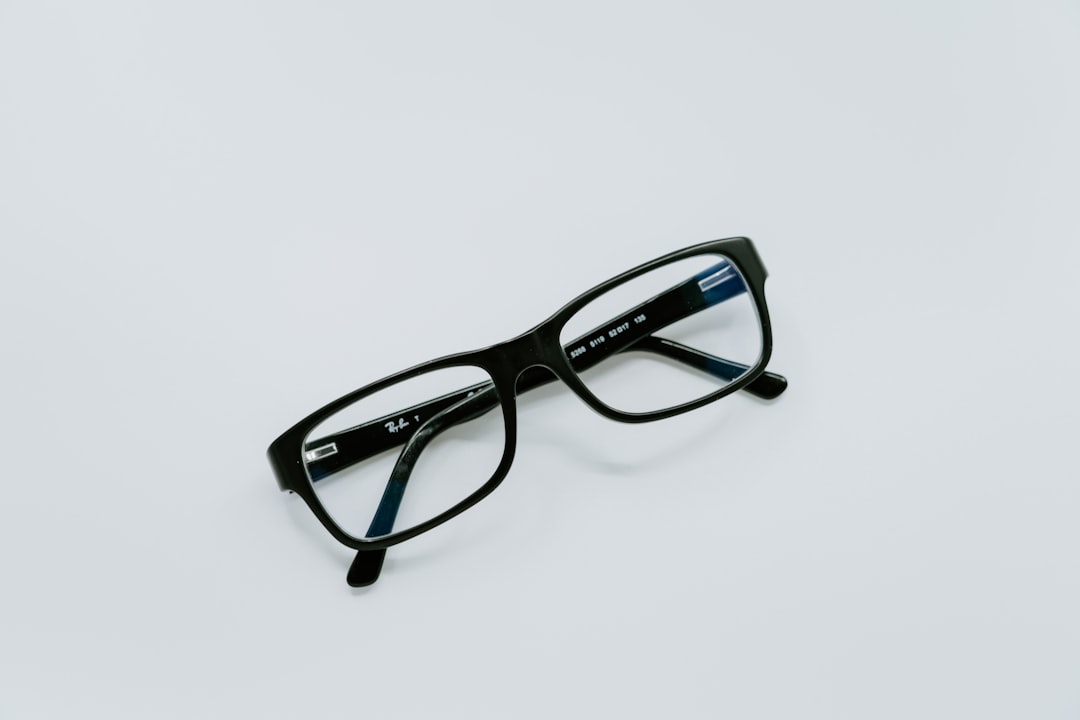
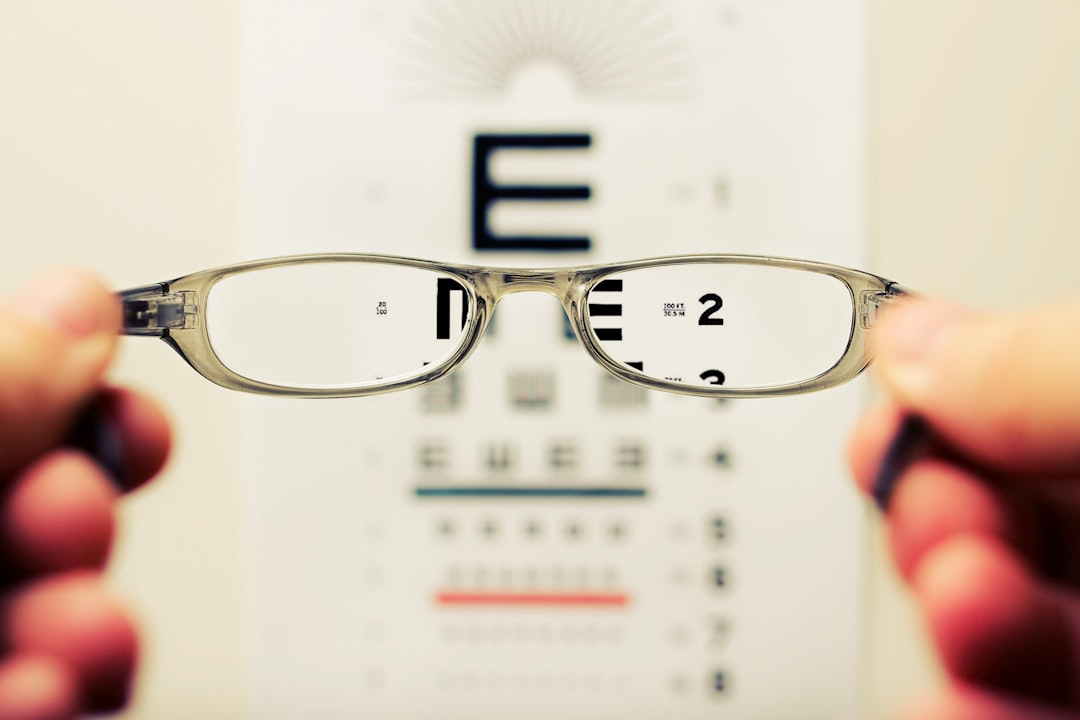
If you spend hours at the monitor—whether grinding ranked matches, streaming to an audience, or developing the next indie hit—your eyes are one of your most valuable peripherals. This definitive guide dives into gaming eyewear and prescription glasses choices that reduce fatigue, preserve long-term eye health, and can even sharpen in-game performance. We'll treat frames and lenses like performance tech: measuring specs, matching features to use-cases, and showing exactly how to choose, fit, and care for glasses built for extended sessions.
1. Why Gamers Need Specialized Eyewear
Digital workload and eye physiology
Extended screen time imposes unique demands: reduced blinking, sustained near focus, and sensitivity to contrast and glare. These translate into eye strain, headaches, and disrupted sleep for many players. Unlike casual device use, marathon gaming sessions often push contrast, refresh rates, and brightness to extremes—so eyewear needs to address sustained near vision and fast pupil changes.
Performance parallels: treat eyewear like a hardware upgrade
Think of prescription lenses as a display upgrade. Just as gamers choose a high-refresh monitor to reduce motion blur, they can choose lens tints, AR coatings, and prescriptions that change how visual information is delivered to the brain. For a broader look at performance tradeoffs in gaming hardware, see coverage on the best TV panels for competitive play in our guide to gaming excellence: the best 4K TVs.
Why one-size-fits-all eyewear fails
Generic blue-light clip-ons and off-the-shelf frames treat every user the same. Gamers have varied needs: distance spotting in FPS games, fast saccades in RTS titles, and precise reading of small HUD elements in MMOs. Prescription glasses tailored to your visual demands will outperform generic solutions in clarity, comfort, and durability.
2. Lens Options Explained (and Which Gamers Should Choose Each)
Single-vision lenses: the simplest starting point
Single-vision lenses provide one focal power across the lens and are perfect for gamers who need a single prescription for near or distance. If you use separate monitors for close-up UI and distant viewing, single-vision lenses for near work are often the most affordable and comfortable choice.
Progressive and bifocal lenses: pros and tradeoffs for mixed tasks
Progressives let you see at multiple distances without swapping glasses, but they have an adaptation zone and subtle peripheral distortions. Pros who switch between monitor and TV or stream with multiple camera angles sometimes prefer progressives; for a guide to designing multi-stream setups, the article on game day livestream strategies has useful parallels in workflow planning.
Gaming-specific lens tints and contrast filters
Tints (amber, rose, or yellow) can increase contrast in certain game environments and reduce glare from bright HUDs. Competitive gamers may opt for minimal tint to avoid color distortion, while casual or color-sensitive gamers might choose mild contrast-enhancing tints to reduce eye strain during long sessions.
3. Blue Light Blocking: Science, Myths, and Practical Guidance
What blue light does and what it doesn't
Blue light influences circadian rhythms and can cause transient discomfort at night, but it's not proven to cause permanent eye damage at typical device levels. Studies show behavioral effects on sleep latency; for strategies on managing your streaming schedule and ensuring consistent performance, the ultimate guide to streaming and subscribing on a budget offers practical scheduling tips that pair well with nighttime lens choices.
When to pick blue-light coatings vs. software solutions
If your sessions extend into the early hours, consider blue-light coatings or warmer tints. However, software solutions (night mode, f.lux) and monitor adjustments are cost-free first steps. Combine measures for better results: software filtering, warm ambient lighting, and lenses with subtle blue attenuation for the best sleep and comfort outcomes.
Real-world testing: experience vs. lab data
Many gamers report subjective comfort improvements with blue-light lenses, even when clinical benefits are small. Experience matters—test a set during a week of regular play and compare sleep, blink rate, and headache frequency. For more on protecting your digital experience across devices and power management during long events, check this practical review of portable power solutions and power banks.
4. Anti-Reflective Coatings, Polarization, and Anti-Fog for Gaming
Anti-reflective (AR) coatings: why they matter for monitors
AR coatings reduce reflections from room lights and monitor glare so contrast appears truer. For streamers who spend time under softbox lights or in multi-screen setups, AR coatings reduce distracting ghost reflections in camera footage—this ties into camera and stage planning best practices discussed in the piece on creating the ultimate fan experience, where visual clarity for an audience is critical.
Polarization: useful? not for close monitors
Polarized lenses cut reflected glare from horizontal surfaces, which helps outdoors and in racing games with reflective dashboards, but they can interfere with LCD monitors and heads-up displays. Polarization is a double-edged sword—excellent for outdoor gaming sessions on portable devices, but often unnecessary for stationary setups.
Anti-fog and hydrophobic coatings for mixed environments
Streamers who wear masks, gamers in humid rooms, or those who move between environments benefit from anti-fog coatings. Hydrophobic layers also make cleaning faster and reduce smudging during long sessions. For practical cleaning tech advice that complements lens care, see recommendations in the must-have cleaning tech.
5. Frame Fit and Comfort for Marathon Sessions
Lightweight materials and weight distribution
Choice of frame material—TR-90, titanium, acetate—affects weight and flexibility. For marathon sessions, prioritize lightness and even weight distribution across nose and temples to prevent pressure points. Adjustable nose pads and spring hinges are small features that make a big difference during 6+ hour sessions.
Compatibility with headsets and VR gear
Not all frames play well with over-ear headsets or VR rigs. Low-profile temples and thin temple tips reduce pressure and interference. If you frequently use headsets, test frames with your equipment or choose designs optimized for headset comfort.
Design choices that reduce adjustment breaks
A frame that needs constant nudging increases total downtime. Look for frames with secure temple grip and a stable bridge fit. For game studios optimizing player comfort, similar iterative improvements are discussed in optimizing your game factory, where ergonomics and workflow are prioritized.
6. Prescription Logistics: Getting the Right Fit Remotely
Measuring and confirming your PD (pupillary distance)
Pupillary distance is essential for accurate lens center placement. Many online retailers provide easy PD measurement guides and virtual tools. If you stream or switch positions often, double-check PD accuracy before ordering to avoid performance issues and unnecessary returns.
Uploading and verifying prescriptions
Most online stores let you upload images of your Rx. Verify the prescription's date, sphere/cylinder, axis, and prism info if applicable. If you're unsure, services that offer live verification or tele-optometry checks can be worth the small premium.
Virtual try-on and trial periods
Virtual try-on tools reduce the uncertainty of buying online, but they aren't perfect. Choose vendors with generous trial windows and clear return policies so you can test comfort with your headset and desk setup. For broader advice on balancing budget and quality while building your setup, review the budget smart speakers guide for a model of buying for value.
7. How Eyewear Can Improve Gaming Performance
Contrast, color perception, and reaction time
Lenses that slightly boost contrast can make enemies and important UI elements pop, potentially improving detection speed. But be cautious: aggressive tinting can alter color cues in competitive games, giving a false sense of visual fidelity. The best approach is subtle enhancement paired with practice.
Reducing micro-distractions to maintain focus
Reflections, glare, and smudges cause micro-breaks that add up over a session. AR coatings and easy-clean hydrophobic layers reduce those distractions. Streamers should consider how cameras and lighting interact with lenses—insights on lighting setups and audience experience can be found in gaming meets music, which explores immersive production values.
Ergonomic gains: fewer breaks, more consistent practice
Good eyewear reduces fatigue, enabling longer, higher-quality practice without the diminishing returns of tired eyes. This parallels strategies used by content creators to maintain consistent scheduling and output, detailed in betting on live streaming, which highlights preparation and equipment reliability.
8. Specialized Use Cases: Streamers, Esports Pros, and Developers
Streamers: balancing on-camera appearance with function
On-camera reflections are a major concern for streamers. Prioritize high-quality AR coatings and frame styles that complement your lighting setup. Learn how pro events optimize viewer experience in the guide on creating the ultimate fan experience to borrow staging ideas for your stream.
Competitive players: minimal tint, maximal clarity
Esports athletes often prefer neutral lenses with excellent coatings and precision prescriptions to ensure fastest reaction times and true color perception. For players building a high-performance setup, check hardware and display advice in our 4K TV guide to align display choices with lens specs.
Developers and creators: lenses for long coding or art sessions
Developers benefit from rimmed frames with close-to-face fit and mild contrast boosts to reduce eye strain during extended coding or design sprints. Operational parallels in process optimization are explored in AI supply chain evolution, highlighting how tooling affects output quality.
9. Care, Maintenance, and Cost Considerations
Cleaning and lens longevity
Daily cleaning with microfiber cloths and approved sprays extends lens life. Avoid household glass cleaners that can strip coatings. For recommended cleaning accessories and portable solutions, see the practical tips in must-have cleaning tech.
Understanding warranties and scratch policies
Look for scratch-resistant coatings and clear warranty terms. Some retailers offer accidental-damage protection or discounted replacements for a period after purchase; this can be valuable for heavy users who travel to LAN events or conventions.
Balancing cost and longevity
Higher upfront cost often buys better coatings, thinner lenses, and more durable frames—reducing lifetime cost. If you're building a budget streaming setup, tie eyewear spending into the overall cost-benefit analysis like the one in the ultimate streaming budget guide.
Pro Tip: Prioritize anti-reflective coatings and precise PD measurements—these two upgrades typically yield the biggest real-world improvement in comfort and visibility for gamers.
10. Buying Guide & Comparison Table
Below is a practical comparison of common lens choices for gamers. Use it to match your typical session length, gaming genre, and whether you stream or just play.
| Lens Type | Best For | Key Benefits | Typical Cost | Drawbacks |
|---|---|---|---|---|
| Single-vision (near) | PC gamers who sit close | Sharp near focus, low cost, minimal distortion | $50–$200 | Limited to one working distance |
| Progressive | Multi-distance tasks (monitor + TV) | All-in-one solution, no swaps | $150–$500 | Adaptation period, peripheral distortion |
| Blue-light coated | Late-night gamers, streamers | Improves sleep, reduces glare (subjective) | $30–$150 extra | Clinical benefit debated |
| Contrast-tint (amber/yellow) | Casual gamers, low-light play | Boosts contrast, reduces glare | $50–$200 | Alters color accuracy |
| AR + anti-fog + hydrophobic | Streamers, marathon players | Less reflection, easier cleaning, stable image | $80–$300 | Increases cost |
11. Practical Shopping Checklist (Step-by-step)
Step 1 — Know your use case
Are you a pro who needs neutral color, a streamer who needs AR coatings, or a casual gamer who benefits from contrast tints? Define primary tasks before shopping.
Step 2 — Record your Rx and PD
Get an updated prescription and measure PD. Many problems stem from inaccurate PD placement, so this is non-negotiable.
Step 3 — Choose lens features and a compatible frame
Match lens coatings, tinting, and frame fit to your headset and streaming setup. If you travel to events, consider how frames fit under different headsets and masks; travel and logistics guidance can be found in our portable power and event preparation references like power up for less and betting on live streaming.
12. Pro-Level Considerations and Future Trends
Adaptive lenses and light-adapting tech
Photochromic lenses and emerging adaptive tech can change tint based on ambient light. For players who move between bright arenas and dim studios, these offer convenience—but they can be slower to respond to rapid light changes on-screen.
Integration with AR/VR and mixed-reality hardware
As AR/VR headsets proliferate, manufacturers and eyewear brands are developing compatible inserts and prescription adapter solutions. If you're building a VR setup for both gaming and live events, look into recent hardware and software trends covered in analysis of new Apple features and rumors like what's next for Apple.
The role of ergonomics and workflow optimization
Long-term, eyewear is part of an ecosystem that includes monitor selection, lighting, seating, and power management. Gamers who tune every piece of the setup—similar to how studios optimize fan experiences and live broadcasts—get the best returns. For process-level lessons, see optimizing your game factory and game day livestream strategies.
FAQ — Common Questions from Gamers
Q1: Do blue-light glasses actually improve gameplay?
A1: Blue-light glasses can improve comfort and sleep quality for late-night players, but they don't directly increase in-game stats. Comfort translates to longer, higher-quality practice sessions, which indirectly supports performance.
Q2: Should I get tinted lenses for FPS games?
A2: Use a mild contrast tint cautiously. Some players prefer neutral lenses to preserve color cues, while others prefer mild tints for better contrast. Test before committing.
Q3: Can I wear glasses with VR headsets?
A3: Yes—but check headset clearance and consider thin-frame designs or prescription inserts specifically for VR to avoid pressure and fogging.
Q4: Are expensive coatings worth it?
A4: High-quality AR, scratch-resistant, and hydrophobic coatings often pay off through better visual clarity and longer lens life. For heavy users, they are usually worth the added cost.
Q5: How do I test glasses with my headset before finalizing?
A5: Use retailers with trial periods, or borrow frames to check compatibility with your headset. When buying online, verify return policies and choose vendors that offer virtual try-ons and live help.
13. Final Recommendations and Next Steps
Start by auditing your gaming routine: session length, primary games, lighting, and whether you stream. Prioritize precise PD measurement and AR coatings. If you stream, test for camera reflections and choose frames that minimize glare. For those building a complete streaming or competitive setup, balance eyewear investment against improvements in monitor quality, lighting, and audio—use the budgeting frameworks in the streaming budget guide and power recommendations in power up for less.
Finally, treat eyewear like a hardware upgrade: research specs, test in real-world sessions, and iterate. If you're optimizing production values for viewers, incorporate staging lessons from fan experience and interactive concert analyses like gaming meets music and creating the ultimate fan experience.
Related Reading
- Rethinking Battery Technology - Deep-dive into cooling tech and battery life improvements relevant to portable gaming rigs.
- Navigating Health Podcasts - How to find trustworthy wellness advice for screen fatigue and sleep hygiene.
- Peer Review in the Era of Speed - Insight into how fast-moving research affects health guidance like blue-light studies.
- What Makes the New Coway Air Purifier a Must-Have - Air quality considerations for long sessions in small rooms and studio spaces.
- Rhetoric and Realities - A case study in perception management that can be repurposed for branding and on-stream presentation strategies.