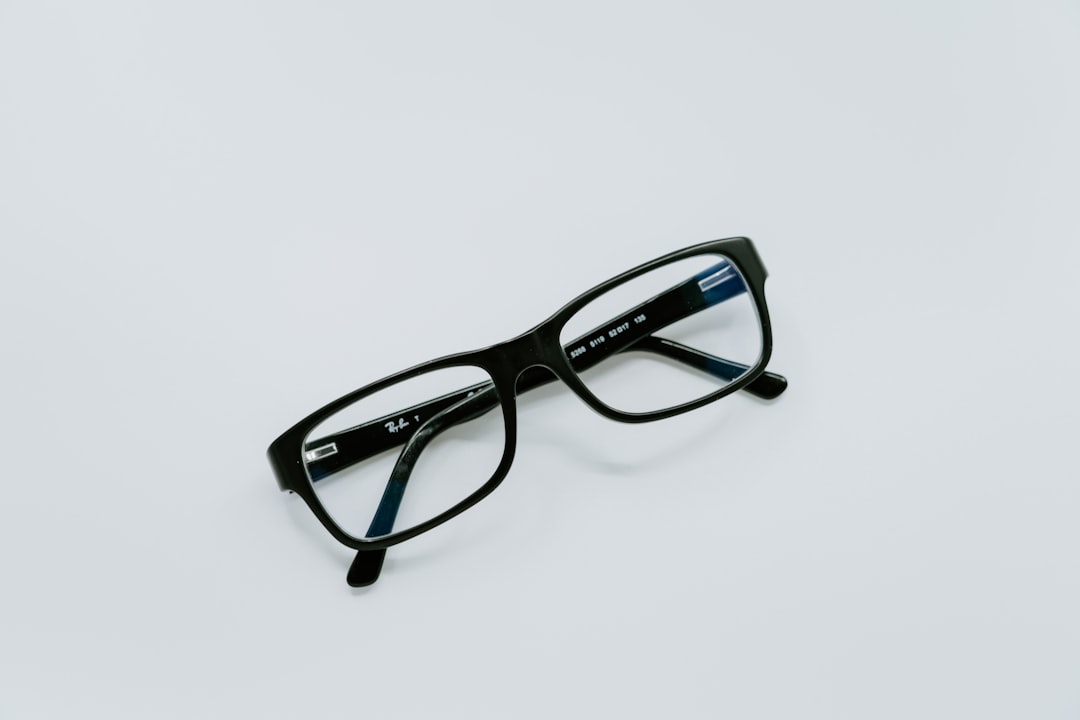
Buying glasses used to be a binary choice: cheap frames for looks, expensive frames for durability and optics. Today that line has blurred. Advances in manufacturing, lens tech, virtual try-on and sustainable sourcing mean entry-level eyewear can deliver premium features—without the premium price. This guide explains how, with practical checks, shopping strategies and tech-savvy tips so you get stylish, well-fitting glasses that perform.
Across this article you'll find actionable steps, comparisons and real-world examples. For inspiration from adjacent tech trends that shape eyewear experiences, see how iOS 26 features influence AR and UI expectations and how the Apple ecosystem in 2026 creates smoother device-to-store workflows for try-on and ordering.
1. Why entry-level eyewear now includes premium features
Industry forces: scale, automation and smarter supply chains
Mass production used to mean lower quality. Now, automation, laser cutting and improved QC let manufacturers produce consistent results at scale. Improvements in production software and standards—similar to what developers learned from modern OS releases—have accelerated quality gains; for a parallel read on how platform updates change product delivery, check iOS 26 features.
Lens innovation trickles down fast
High-volume lens labs now offer anti-reflective coatings, blue-light filters and thinner index options at lower cost. That availability means budget frames can be paired with surprisingly advanced lenses at checkout, making the end product feel premium while keeping price competitive.
Consumer expectations and UX improvements
Shoppers expect frictionless buying and accurate previews. Retailers that integrate better virtual try-on, clearer specs, and user-friendly return policies meet that demand. See how messaging and communication features in recent OS updates have reshaped customer interactions at scale in iOS 26.3 messaging features.
2. What “premium features” mean in budget frames
Materials: better plastics and lightweight metals
Premium feels often start with material choice. TR-90 nylon, cellulose acetate blends and high-grade stainless steel provide durability and comfort. Learn how artisans and small-scale makers source responsible materials in pieces such as Artisans of Newcastle, which highlight craft-forward material choices.
Lens treatments and optical quality
Anti-scratch, anti-reflective and hydrophobic coatings used to be reserved for top-tier options. Today, many entry-level offerings include these as selectable add-ons. When shopping, prioritize multi-coat AR and basic scratch protection—the difference is noticeable in glare and longevity.
Smart design: fit and modularity
Design features like adjustable nose pads, spring hinges, and easy-lens swapping increase comfort and lifespan. Smart, simple engineering that's inexpensive at scale provides value typically associated with pricier frames.
3. Technology that makes budget frames feel premium
Virtual try-on powered by AI and video
AR try-on is now standard on many sites. The future of video creation and real-time AI has improved facial mapping, letting virtual try-on better predict fit and appearance—read how AI will change streaming and video experiences in retail at The Future of Video Creation.
Local AI and privacy-first experiences
Privacy concerns are real when uploading face images. Implementing on-device AI similar to what’s described for Android in Implementing Local AI on Android 17 reduces data transfer and keeps sensitive biometric data on your phone—an important trust factor for shoppers.
Integration with phones and ecosystems
Seamless sign-in, saved prescriptions, and mobile payments reduce friction. Retailers that lean into the broader phone ecosystem—like the link between apps and desktop workflows discussed in Apple’s ecosystem—offer faster, more convenient purchases.
4. Design and trendy styles that elevate budget frames
Timeless shapes reinterpreted affordably
Classic silhouettes (wayfarer, round, aviator) are reissued each season with color pops and mixed materials. These reissues let budget brands offer fashionable frames that read high-end at a glance.
Color, texture and finish innovations
Matte finishes, tortoiseshell laminates and translucent frames are now produced with lower-cost materials without sacrificing the visual cues of luxury. Brands use textured acetate and color layering to create depth that looks premium in photos and in-person.
Unisex and hybrid styles
Blurring gender lines in eyewear increases appeal and reduces SKU complexity—allowing manufacturers to focus investments on finishes and fit rather than endless variants. For merchandising inspiration on cross-category styling, see how athleisure blends styles at scale in pieces like The Power of Playlists—retail ambiance matters.
5. How to choose quality: a buyer checklist
Inspect materials and construction details
Look for published material specs (acetate, TR-90, stainless steel) and hinge descriptions (spring hinge vs fixed). Brands that publish these specs demonstrate transparency; if a product page lacks basics, ask customer service or opt for a brand that does.
Read lens specifications closely
Key lens specs include index (1.5, 1.6), coatings (AR, hard coat), and specific blue-light filters. If those specs are hidden, the frame may be entry-level in name only.
Try virtual tools and check return policy
Using an accurate virtual try-on can reduce risk; also prioritize retailers with easy returns. Communication features that replicate in-store help—see how updated messaging expectations shape customer support in iOS 26.3 messaging features.
6. Virtual try-on: tips to make it accurate at home
Lighting, hair and look angles
Place yourself in soft, even lighting (natural window light). Pull hair away from temples so AR can map the frame position correctly. Take straight and three-quarter photos for the cleanest results.
Calibrate measurements: PD and frame width
Know your pupillary distance (PD) and temple-to-temple width. Good virtual try-on tools accept PD inputs for more realistic rendering. For a better home setup when testing frames virtually, simple workspace ergonomics make a difference—see Desk Essentials for Every Coffee Lover to optimize light and camera angle.
Privacy-safe try-on options
If privacy matters, choose retailers that offer local-device processing or temporary image storage policies. Learn why local AI matters for user privacy in Implementing Local AI on Android 17.
7. Lens options explained for budget buyers
Single vision vs progressive: which to pick
Single vision covers distance or near. Progressives add multiple prescriptions in one lens. Modern progressive designs are available as add-ons for many budget frames—check lens design specs before buying.
Blue-light filters and when they matter
Blue-light coatings can reduce screen glare and perceived eye strain. While the clinical benefit for long-term eye health is debated, many shoppers appreciate the comfort boost. Choose a filter that's optically clear to avoid color shift.
Coatings and maintenance costs
Anti-reflective and hydrophobic coatings improve clarity and reduce cleaning time. Some retailers offer first-year coating warranties even on low-cost packages—always compare warranty fine print.
8. Sustainability and responsible sourcing in affordable eyewear
Natural vs synthetic materials
Natural acetate and plant-based plastics are becoming more common at entry price points. Learn how ingredients and material choices compare in Natural vs. Synthetic; similar logic applies to frame materials and finishes.
Sustainable product appeal and practices
Brands that publicize recycled packaging, reduced waste, or local production often invest savings from streamlined supply chains back into better materials. For tips on integrating sustainability into product appeal, see Boost Your Product Appeal.
Small-batch and artisan collaborations
Collaborations with artisans allow budget brands to offer distinctive details—check stories like Artisans of Newcastle for inspiration on how craftsmanship can appear in accessible products.
9. Care, warranty and return policies that protect value
Understanding warranty language
Warranties vary: look for coverage of manufacturing defects vs normal wear. Some entry-level brands provide one-year coverage or low-cost repair services that extend usable life.
Easy returns: a critical safety net
Free returns and exchanges are especially valuable for first-time online buyers. If a retailer lacks a clear returns policy, you’re taking on unnecessary risk—prioritize stores with generous, transparent policies.
DIY fixes and care tips
Simple fixes (tightening screws, replacing nose pads) keep frames usable long-term. Pack a small repair kit and learn basic adjustments—these small habits extend the life of any frame significantly.
10. Pricing, deals and how to save without sacrificing quality
Where savings come from
Cost reductions come from direct-to-consumer models, simplified SKUs, and optimized optics labs. That means similar-looking frames and competent lenses for much less money than legacy retail channels.
Pre-owned and refurbished options
If you don’t mind gently used frames, reputable pre-owned channels offer designer styles at a fraction of the new price. For what to watch in 2026 on pre-owned deals, see Exclusive Deals on Pre-Owned.
Limited editions and drops
Brands sometimes release limited runs or collaborations that add collectible value. Marketers are experimenting with scarcity tactics like NFTs to build hype—an overview of those promotional strategies is at Building Anticipation: NFTs. Use caution and evaluate inventory utility versus resale value.
11. Step-by-step buying guide for entry-level eyewear
1) Measure and confirm your prescription
Get an up-to-date prescription and PD. Many online retailers accept photos for simple measurement, but a professional refraction is ideal for accuracy.
2) Use virtual try-on and filter options
Filter by frame width, material and lens options. Use AR to preview looks and compare side-by-side. Vendors improving their virtual feature sets are often learning from broader video and streaming tech trends (see AI & video creation).
3) Confirm fit, warranties and returns before checkout
Double-check frame measurements, return window, and warranty. If you travel often, consider durable finishes and packing solutions inspired by travel lighting and accessory guides like Transform Your Travel with Smart Lighting—small features improve day-to-day convenience.
12. Comparison: Budget vs Mid-Range vs Premium
Use this table to compare typical features across price tiers. It highlights what to expect and where to spend when upgrading.
| Feature | Entry-Level (Budget) | Mid-Range | Premium |
|---|---|---|---|
| Frame Material | TR-90, basic acetate | Higher-grade acetate, brushed metals | Premium acetate, titanium, custom metals |
| Lens Index Options | 1.5–1.6 | 1.6–1.67 | 1.67–1.74+, high-index custom |
| Coatings | Optional AR, basic hard coat | Multi-coat AR, hydrophobic | Top-tier multi-layer AR, oleophobic + nano coatings |
| Fit Features | Standard hinges, adjustable nose pads sometimes | Spring hinges, refined nose pads | Custom fitting, modular temples and nose bridge |
| Warranty & Service | 30–90 day return, limited warranty | 1-year warranty, low-cost repairs | Multi-year warranty, concierge service |
| Design Collaborations | Occasional capsule drops | Frequent designer collaborations | High-fashion designers, bespoke lines |
Pro Tip: Don’t assume higher price = better fit. Focus first on size and PD, then lens specs, then materials.
FAQ: Frequently asked questions
Q1: Are budget frames worth it?
A1: Yes, if you verify materials, lens specs and return policy. Many modern budget frames use the same optical labs as mid-range brands and can offer similar performance for everyday wear.
Q2: Can I get progressive lenses on entry-level frames?
A2: Often yes. Progressive options are widely available as upgrades. Confirm the recommended frame size and lens blank suitability with customer support.
Q3: How accurate are virtual try-ons?
A3: Accuracy varies. High-quality AR with accurate PD input and photos produces reliable visual previews. For best results, follow the retailer's photo and lighting guide and review return options.
Q4: Are recycled or plant-based frames durable?
A4: Many recycled or plant-derived materials meet durability standards; performance depends on formulation. Look for published stress ratings or customer reviews.
Q5: How long should budget frames last?
A5: With proper care, 1–3 years is realistic for daily wear; better materials and coatings extend that. Warranties and repair services add useful protection.
Conclusion: Smart spending beats sticker shock
Entry-level eyewear in 2026 offers unprecedented value: durable materials, advanced lens coatings, convincing virtual try-on and responsible sourcing—all without an inflated price tag. The key is knowing what to check—materials, lens specs, fit dimensions and return policies—and using modern tools (AR, on-device AI) to reduce uncertainty.
Brands that invest in transparent specs, easy returns and privacy-first virtual try-ons deliver the most consistent value. For those building a shopping strategy or a small retail business, learning how to present product stories and build trust online is crucial—start with approaches inspired by documentary-style storytelling in marketing at How Documentaries Inspire Engaging SEO Content Strategies.
Finally, don’t forget accessories and aftercare: a compact repair kit, microfiber cloth, and a protective case go a long way. For curated accessories that pair well with travel and on-the-go lifestyles, see Power Bank Accessories You Didn’t Know You Needed and travel lighting that protects eyewear in transit at Transform Your Travel with Smart Lighting.
When shopping, use this guide as your checklist. If you want a short action plan: measure PD, choose 2–3 frames in your size, pick lenses with AR and basic scratch coating, and order from a store with clear returns. With that approach, you’ll often get 'premium' performance from 'entry-level' frames.
Additional resources and retail tips
- For accessory cross-sell ideas and positioning in mobile markets, see How to Navigate the Mobile Accessory Market.
- For improving customer in-store/online transitions, read about workspace and digital workflows in The Digital Workspace Revolution.
- Brand and product storytelling can lift perceived value—get creative guidance from limited-run promotion ideas such as Building Anticipation with NFTs.
- On merchandising and consumer experience, learn from adjacent retail fields that use atmosphere to sell: The Power of Playlists.
- If sustainability matters, apply practical steps from small-business takes in Boost Your Product Appeal and material sourcing insights from Artisans of Newcastle.
Related Reading
- The Zero-Waste Kitchen - Practical steps for reducing waste that apply to packaging choices and returns.
- What to Learn from Sports Stars - Leadership lessons for creators and small brands building trust.
- Rescue the Day: Thrifting - How to thrift safely, useful if considering pre-owned frames.
- The Future of Artistic Engagement - Inspiration for collaborations and artisan partnerships for limited eyewear lines.
- Unlocking Gaming's Future - Insights on younger consumer trends that influence style cycles.