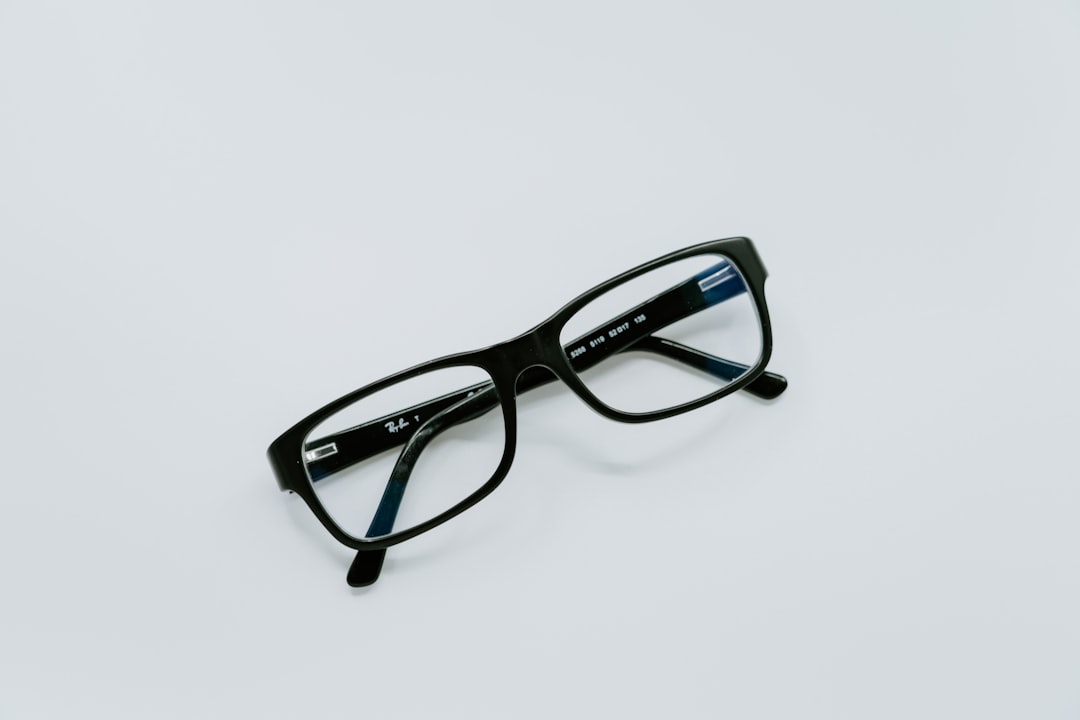
Battery Care 101 for Smart Eyewear: Practical charging, power management and replacement planning in 2026
Hook: You love the look and convenience of smart frames, but the creeping anxiety about battery life, charging routines and eventual replacement can spoil the experience. This guide cuts through the confusion with proven lessons from smartwatches and portable speakers so your smart eyewear gives reliable performance for years, not months.
Top takeaways up front
- Adopt 20 to 80 charging habits for daily use to slow chemical aging.
- Avoid heat during charging and storage to preserve battery lifespan.
- Use original or certified chargers and follow manufacturer power management features.
- Plan for replacement: expect out of warranty battery or module service in the range of modest to significant cost depending on model design.
- Firmware and settings updates can be as important as batteries themselves; compare vendor update promises like in OS update comparisons.
Why battery care matters for smart eyewear in 2026
The smart eyewear category matured fast through 2024 and 2025 with thinner frames, integrated audio, cameras and augmented reality sensors. Late 2025 product cycles brought improved batteries and smarter power management, but the tight form factor still forces tradeoffs compared with larger wearables like smartwatches and portable speakers.
That means good battery care is less optional and more essential. Unlike a phone you charge nightly, many smart frames are used intermittently for calls, media, navigation and notifications. Bad charging habits accelerate capacity loss, and non modular designs can make battery replacement a service event rather than a simple swap.
What we learned from smartwatches and portable speakers
Wearables and portable speakers have been through the battery learning curve already. Here are four lessons smart eyewear owners should adopt now.
1. Charging window matters more than you think
Smartwatch makers pushed the 20 80 rule as the best balance between convenience and longevity. Portable speaker owners learned that repeated 0 100 cycles wear batteries faster because the lithium chemistry experiences more stress near full charge. Applying this to smart eyewear means daily top ups are better than letting the device die and then fully charging to 100 each time.
2. Heat is a battery killer
Speakers with long playback times often fail early when left charging in hot cars. Smartwatches throttle or pause charging if cases overheat. Smart frames with electronics close to the temples are vulnerable when worn during charging or stored in direct sun. Keep chargers and frames in cool, well ventilated spots and avoid charging on pillows or under direct sunlight.
3. Fast charging trades speed for long term health
Fast charge tech is ubiquitous by 2026, and MagSafe and Qi2.2 wireless standards made wireless top ups much easier. But fast charge raises battery temperature and cycles lithium cells aggressively. Use fast charge only when you need a quick top up. For overnight or long charges prefer slower, controlled charging if the device supports it.
4. Firmware and power management can extend real world lifespan
Manufacturers learned from wearable updates: software optimizations delivered significant gains. Bluetooth stack improvements, adaptive sampling for sensors, and low power audio codecs can reduce battery draw dramatically. Keep your frames updated and review power modes introduced in 2025 and 2026 updates as they often add tangible runtime improvements. For guidance on firmware and update expectations, see comparisons of vendor update behaviour: OS update promises.
Practical battery care rules for smart eyewear
Below is an actionable routine that borrows from the best practices in smartwatches and speakers, adapted for the smaller batteries and unique use patterns of smart frames.
Daily routine
- Top up during low draw windows such as while dressing or preparing coffee. Short 10 30 minute boosts prevent deep discharges.
- Charge to around 80 percent for daily use and unplug. If you need a full day of heavy use, charge to 100 percent ahead of time but avoid this habit nightly.
- Prefer wired charging for overnight if your frame supports it and the manufacturer recommends it. If using wireless such as MagSafe compatible docks, ensure alignment is correct to reduce heat from inefficient coils.
Weekly routine
- Perform one controlled full cycle each week to exercise calibration sensors and battery meter accuracy. Let the battery drop to around 20 percent, then charge to 100 percent and immediately unplug.
- Inspect connectors and case for debris or damage that could cause poor charging contact and heat.
Long term storage and travel
- Store at around 50 percent charge when you will not use frames for weeks. This is the chemical sweet spot that prevents stress during storage.
- Avoid leaving frames in hot cars or luggage in direct sun during travel. Consider carrying them in an insulated case such as a compact weekend tote or a dedicated insulated pouch if you expect extreme temperatures.
Power settings to use
- Enable low power modes for extended day use. Many frames introduced aggressive low power audio paths in 2025 that reduce draw by 30 percent for calls and notifications.
- Turn off always on sensors like continuous head tracking or ambient camera features if you do not need them.
- Use scheduled do not disturb to prevent the device from waking repeatedly overnight.
Charger and cable best practices
Using the wrong charger or a cheap third party puck can heat the battery or deliver inconsistent power. Follow these practical rules.
- Use the original charger or a certified alternative when possible. Many 2025 and early 2026 frames adopted USB C and Qi2.2 compatibility so certified chargers are widely available; check accessory roundups like home tech bundles for reputable power bricks.
- For wireless charging, align the puck precisely. Misalignment causes higher power loss as heat. New MagSafe style collars introduced in 2025 help alignment for certain frames, and using magnetic docks reduces inefficient charging and heat.
- Keep cables and docks clean and replace frayed cords. A damaged cable can throttle current and stress batteries.
Monitoring battery health
Smart eyewear today often exposes battery metrics in companion apps. Use them proactively.
- Check battery cycles when available. More cycles correlate with reduced capacity over time. Frame makers typically report cycle counts in support diagnostics.
- Compare day to day discharge curves. A sudden drop in runtime after an update may indicate a bug that can be fixed via firmware or settings adjustments.
- Run diagnostics before warranty ends. If capacity declines quickly in year one, contact support while warranty coverage still applies. Basic troubleshooting and diagnostics are analogous to technical testing guides such as testing and diagnostics playbooks.
Battery replacement and cost planning
Replacement cost is a realistic concern for smart eyewear owners in 2026. Designs vary widely. Here is how to plan.
Types of replacement approaches
- Module swap. Some newer frames introduced in late 2025 have modular temples with replaceable battery/audio modules. These make replacement straightforward and often cheaper.
- Service replacement. Many designs still require returning frames to authorized service centers for battery replacement. This can include disassembly and resealing which increases cost.
- Complete frame replacement. In a few ultra thin models the battery is non replaceable separately and the company may offer a refurbished frame as replacement; think through the tradeoffs similar to refurbished electronics guidance such as refurbished laptop reviews.
Typical cost ranges in 2026
Costs depend on design and brand. Based on market trends and service pricing across wearables and audio devices in late 2025 and early 2026, expect these ballpark ranges.
- Modular battery or temple module swap: $50 to $150 including parts and simple user swap or mail in.
- Authorized service battery replacement: $100 to $250 depending on the complexity of the frame and shipping.
- Full frame replacement: $200 to $500 for premium models where battery is integrated and manufacturer offers refurbished replacements. For advice on when to buy new vs refurbished, see value comparison guides.
Note that some brands bundle extended warranties or care plans with battery service. These plans can reduce out of pocket replacement cost significantly if you plan to keep frames beyond two years.
Warranty, extended plans and trade ins
Check the fine print. Warranties often cover manufacturing defects but not capacity loss from normal use. In 2025 many manufacturers started offering optional extended care plans that include one discounted battery replacement or module swap within three years. Trade in programs are also common and can offset the cost of a new pair if batteries are degraded.
- Register your device with the manufacturer after purchase to ensure warranty tracking.
- Buy an extended plan if you plan to keep frames 3 years or longer. The cost of the plan is often lower than a single out of warranty replacement.
- Ask about trade in credit when buying a next generation model. Brands saw high trade in participation in 2025 and 2026 as consumers upgraded to frames with better battery tech and improved power management.
Troubleshooting common battery issues
Before sending frames in, try these troubleshooting steps which often solve the problem quickly.
- Reboot and update. Reboot the frames and companion app. Install the latest firmware which often includes battery related fixes; vendor update reliability is covered in OS update comparisons like OS update promises.
- Reset power draw features. Disable always on sensors and test runtime again to isolate the culprit.
- Test another charger. Use a certified alternate charger or cable to confirm whether the original charger is failing.
- Run diagnostics in the companion app and capture logs before contacting support. Support teams can often identify battery condition and advise replacement needs faster with logs.
Case studies and real world examples
These short snapshots show how small changes made a measurable difference for real users.
Case 1: The commuter who swapped charging habits
A commuter used smart frames daily for calls and music and charged only when the device died at the end of the day. After switching to two 20 minute top ups during the day and avoiding full overnight charges, the user reported no noticeable decline in battery runtime after 14 months and a steadier daily experience.
Case 2: Firmware fix restored hours of life
In early 2026 a firmware update introduced a more efficient Bluetooth audio codec for a popular frame. Users saw a 20 to 30 percent improvement in runtime for music playback without hardware changes. This underscores that keeping firmware updated can deliver value similar to a battery upgrade.
Case 3: Modular temples reduced replacement costs
A mid tier brand introduced replaceable temple modules in late 2025. Owners reported lower service friction and paid about 75 dollars to replace aging modules at year three instead of $220 for full service replacements common in 2024 models.
Future trends to watch in 2026 and beyond
Battery and power management technologies are evolving quickly. Watch for these developments that will affect how you care for smart eyewear.
- Better battery chemistries: Solid state and silicon anode research advanced in 2025. Expect gradual improvements in energy density for thin frames in 2026 2027 models.
- Wider adoption of Qi2.2 and MagSafe like magnetic alignment: These standards reduce heat and inefficiency for wireless top ups.
- More modular designs: Brands responded to service complaints and some 2025 designs prioritized swappable modules to lower lifecycle costs.
- Smarter OS level power management: AI assisted power scaling will dynamically turn off subsystems when not needed to extend daily runtime.
Bottom line: Good battery care combines smart charging habits, temperature control, firmware maintenance and planning for replacement costs. Small daily choices yield big lifespan benefits.
Quick checklist you can follow today
- Charge in the 20 to 80 percent window for daily use
- Use certified chargers and align wireless docks carefully
- Avoid charging in hot environments and remove case covers that trap heat
- Enable power saver modes when you need extra hours
- Keep firmware updated and run diagnostics if runtime drops suddenly
- Register your device and consider extended warranty or an extended care plan
Final thoughts and next steps
Smart eyewear merges fashion with powerful computing, and maintaining battery health is a core part of preserving that experience. The best approach in 2026 is proactive: use the charging habits and power management techniques outlined here, stay current with firmware, and plan for replacement costs by understanding your model design and warranty options.
If you are buying new frames, ask the retailer about battery replaceability, service pricing and any bundled care plans. If you already own frames, adopt the 20 to 80 routine, avoid heat, and check whether a firmware update can boost runtime now.
Call to action
Ready to protect your investment and extend the life of your smart frames? Check your companion app for firmware updates, register your device, and visit our care center for certified charging accessories and expert service options. Need help estimating replacement cost for your model? Contact our repair team for a free consultation and quote.
Related Reading
- Comparing OS Update Promises: Which Brands Deliver in 2026 (firmware & update reliability)
- New Year, New Setup: High‑Value Home Office Tech Bundles Under $800 (chargers & accessories)
- Value Comparison: Buy New, Refurbished, or Import Cheap (planning replacement & refurb tradeoffs)
- Hands‑On Review: Smart365 Hub Pro — The Modular Controller for Hobbyists and Pros (modular design lessons)
- Weekend Tote 2026 Review & Travel Packing Hacks (insulated cases & travel tips)
- Cut Tool Overlap: A Decision Matrix for Choosing Scheduling, Payroll and Communication Apps
- Map-Making 101: What Arc Raiders Devs Should Learn from Old Map Complaints
- PowerBlock vs Bowflex: Cheapest Way to Build a Home Gym in 2026
- Don’t Let AI Ruin Your Newsletter Voice: Brief Templates and Human Review Workflows
- Stay Warm on the Road: Car‑Safe Heated Accessories and Winter Comfort Tips