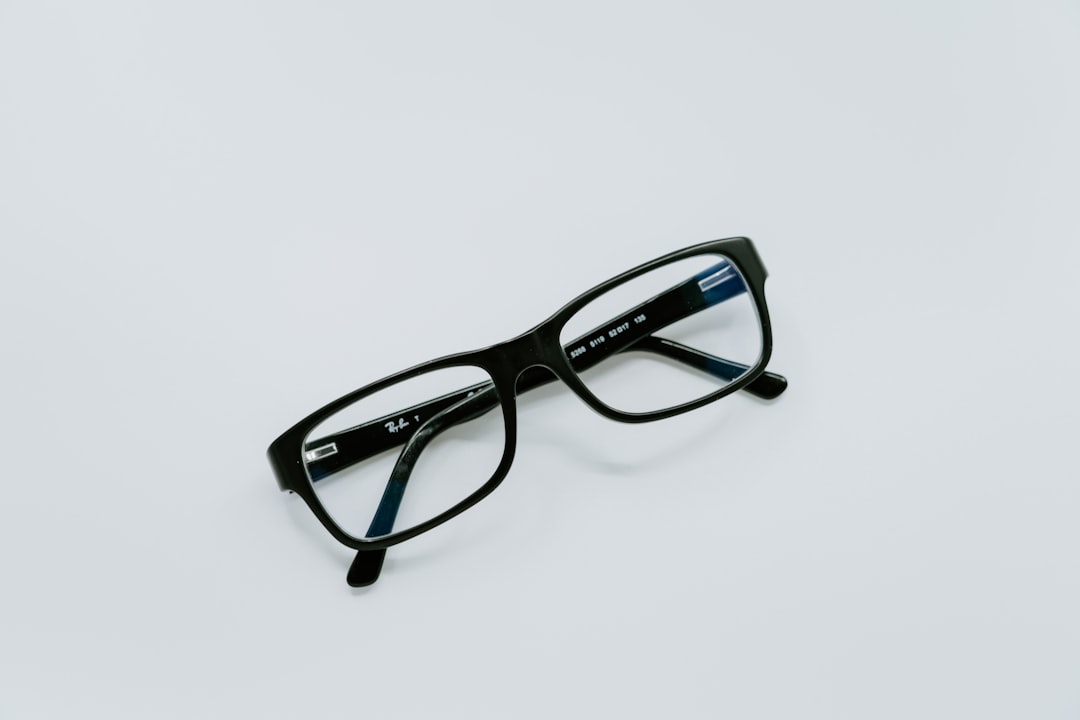
Stop losing sales to bad lighting, wrong screens and noisy videos — practical ecommerce merchandising for frames
Buying frames online is an exercise in trust. Shoppers worry that frames won't match the color on their screen, that lenses won't sit the same way, or that a product video will blast music and make them click away. In 2026, small and mid-size eyewear retailers can close that trust gap with three technical levers that are easy to implement: accurate lighting during photography, proper monitor calibration for every image editor and merchandiser, and speaker‑free, distraction‑free media on product pages. Do these three things and you'll reduce returns, improve conversions and build lasting buyer confidence.
Why this matters now (2026 context)
Two developments changed the game starting in late 2024 and through 2025–2026: first, web and mobile UX expectations tightened — browsers and platforms increasingly block autoplay audio, and consumers expect immediate clarity without distractions. Second, affordable pro hardware is everywhere: color‑accurate monitors and smart RGB lamps are now budget‑friendly, allowing merchants to produce studio‑level assets without enterprise budgets. Finally, visual AI and virtual try‑on adoption accelerated in 2025; but even the best AR fails when photos and product imagery aren't color‑accurate or consistent. The result: investment in simple studio discipline (lighting + calibrated viewing + silent media) yields outsized conversion returns.
Most important actions first: a three-step merchandising playbook
- Photograph frames under controlled, consistent lighting
- Calibrate every screen used to edit and approve images
- Publish audio‑free videos and silent media, or make sound optional
Step 1 — Lighting tips that make frames look accurate and appealing
Lighting is the single biggest visual lever for eyewear. Frames are all about finish, texture and color: tortoise patterns, polished metals, matte acetates. Your lighting has to do two things at once — show accurate color and highlight material detail.
Practical studio setup (budget to pro)
- Dedicated color‑correct lights for product shots: Use continuous LED panels with CRI 95+ (e.g., Aputure, Godox panels) or daylight strobes. Set color temperature to D65 / 6500K (industry standard) for color‑critical photos. For jewelry‑like highlights on metal frames, add a small LED accent at lower intensity. If you need mobile lighting and portable fans for market or pop-up shoots, see compact field lighting reviews that cover CRI and portability (compact lighting kits).
- Soft, even key and fill: Use a softbox or diffusion panel as the key light to avoid harsh reflections on lenses and frames. A gentle fill (reflector or second softbox) keeps shadow detail visible without flattening texture.
- Backlight for separation: A low‑power rim/backlight adds dimensionality and separates frames from the background — especially important for thin metal frames.
- Smart lamps for lifestyle accents: Smart RGBIC lamps (budget‑friendly options gained traction in 2025–26) are great for background mood or contextual lifestyle shots. If you want a primer on how smart RGBIC lamps can be used (and when to avoid them for color‑critical shots), see a practical smart lamp guide (smart RGBIC lamp guide).
- Neutral, consistent backgrounds: Use gray (18% neutral gray) or white sweep backdrops for catalog images. For model or lifestyle images, keep background colors muted and consistent across a collection.
- Avoid mixed lighting: Turn off ambient room lights — mixed color temperatures (tungsten + daylight) confuse white balance and increase post‑production work.
How to control reflections on lenses and frames
- Use polarizing filters on the camera lens to reduce glare from lens coatings when shooting flat lay or on a mannequin.
- Shoot at small angles (10–20°) for full‑frame product shots to keep both temple and front visible without strong specular highlights.
- Clean every lens and frame between shots — fingerprints and dust read as poor quality online.
Image specs that increase conversions
- High resolution (2,000–4,000 px on the long edge) with zoom functionality — shoppers want to inspect hinge details and finish.
- Neutral color target included on at least one reference image (X‑Rite ColorChecker or similar). This helps with later color verification and returns handling.
- Multiple angles: front, 45° three‑quarter, temple detail, hinge closeup, and on‑face shots (model or neutral mannequin).
- Consider a short, silent 6–10 second 4K loop (muted) showing the frame rotating for tactile sense — but keep it muted by default. For turntable and loop workflows, see gear roundups and field kits that include motorized turntables (compact lighting kits).
Quick checklist — on shoot day
- Set lights to 6500K and confirm CRI 90+
- Include color target in at least one frame
- Use soft light + subtle backlight
- Record a silent turntable video for each SKU
Step 2 — Monitor calibration: make sure what you see is what customers see
One of the most overlooked sources of product misrepresentation is uncalibrated screens. Designers, photographers and merchandisers approving images on different monitors is a recipe for mismatched colors. In 2026, affordable calibration hardware and cloud color management tools make a professional workflow accessible to every ecommerce team.
Why calibration drives conversion
If frame color or finish looks different on a customer's phone than it did on your product page, the shopper loses trust — and often returns the item. Calibrated monitors reduce that mismatch. The goal is to standardize editing so exported images are predictably consistent on average consumer devices.
Essential calibration workflow
- Warm up your monitor: Turn it on 30 minutes before calibration.
- Use a hardware calibrator: X‑Rite i1Display Pro and Datacolor SpyderX are still the industry standards in 2026 for SMBs. These devices create an ICC profile for each monitor.
- Set target values: Gamma 2.2, white point D65 (6500K), brightness in the 80–120 cd/m² range for typical office-lit editing rooms (lower for darker rooms). Use sRGB as the working color space for ecommerce exports unless your workflow requires ProPhoto/Adobe RGB for advanced printing.
- Maintain a color‑managed pipeline: Edit RAW files in color‑aware software (Lightroom, Capture One) with the monitor profile active. Embed sRGB ICC profiles on export for web delivery.
- Recalibrate regularly: Weekly or monthly depending on studio volume; at minimum once per month.
Practical tips for teams
- Buy at least one calibrated reference monitor per team. For multi‑editor workflows, have a second calibrated display for QA on a different panel type (IPS vs VA) to catch off‑axis shifts.
- Keep an online color reference: archive the color‑target image from each shoot and reference it when a customer reports a color issue.
- Train merchandisers: before approving a batch, verify exported files on a calibrated laptop and a phone—mobile rendering often differs.
Monitor recommendations (2026)
In 2026, budget pro displays and large value gaming monitors with good color accuracy are common. Look for displays with at least 99% sRGB coverage, factory calibration options, and support for hardware LUTs. Large 32" panels can be helpful for detailed retouching and 1:1 zoom checks — they’ve become more affordable in recent years. If you’re choosing a large reference panel, consider recent analysis of the Samsung 32" class and tradeoffs when picking a value flagship display (monitor recommendations).
Step 3 — Speaker‑free backgrounds and distraction‑free media
Product videos and animated hero media should inform and convert — not distract. One easily fixable conversion killer is noisy, autoplaying audio or busy background music. In 2026, users and browsers prefer silent, controlled media experiences.
Rules for product video sound
- Default to muted: Autoplay content should be muted by default. If sound is necessary (voiceover explaining fit), add clear play controls and captions.
- No background music on product detail pages: Ambient music can compete with shopper focus and increase bounce rates. Keep music for brand videos or social content, not the product page.
- Offer optional audio tracks: Provide a single click to enable audio, and persist user preference via cookie so returning shoppers don’t get surprised.
- Accessibility: Include captions or on‑screen text for any spoken content. Silent videos with descriptive captions often outperform audio‑dependent ones for conversions.
Browsers and platforms have made it easier to create silent, high‑impact visual experiences — use that to your advantage on product pages.
Practical video formats and loading
- Use short, muted MP4 or WebM loops for product rotations, and serve AVIF/WebP for stills to balance quality and performance.
- Lazy‑load secondary media and use responsive media (srcset) so mobile users aren't penalized.
- Keep the visual focus tight: a 6–10s loop with a slow 360° pan and one closeup is enough for a product quick‑scan.
Integrating lighting, calibration and silent media into your merchandising workflow
It’s not enough to do each step in isolation. The conversion lift comes when lighting best practices feed a color‑managed editing workflow and the final media is published in an attention‑respecting format.
Sample production pipeline (daily ops)
- Pre‑shoot: set lights to 6500K, verify color target is ready, ensure studio blackout pulled.
- Shoot: capture RAW files + one reference with ColorChecker + silent 360° turntable video.
- Post: import RAW into color‑managed editor, apply consistent presets, verify color target match using software or reference image.
- Export: sRGB JPEG/WebP stills at multiple sizes; muted MP4/WebM loops for product pages; embed ICC profile for archival files.
- QA: Verify on a calibrated monitor and a common mobile device. Confirm no autoplay audio and add captions if needed.
- Publish: enable responsive srcset, lazy loading and clear mute/play controls for any video.
Metrics to track
- Conversion rate by SKU before/after visual refresh
- Return rate reduction for color/fit complaints
- Time on page and scroll depth on product detail pages
- Engagement with product videos (play rate, unmute rate)
Advanced strategies and 2026 trends to watch
As ecommerce evolves, the disciplines of lighting and calibration will intersect with AI, AR and personalization. Here are advanced plays to stay ahead.
1. AI color verification
In 2025–26, tools that compare product pixel values to the brand's color standard automatically flag mismatches before publishing. Add an automated color QA step that runs on exported images — it catches accidental hue shifts from batch processing. For thoughts on running AI-powered checks and pre-publish tests, see related testing playbooks (tests to run before you send).
2. AR-friendly capture
Virtual try‑on systems (AR) rely on accurate texture and color maps. Capture PBR‑friendly assets (diffuse, specular, normal maps) or high‑quality photogrammetry scans for hero SKUs to improve AR realism and reduce decision friction. Large asset sets and PBR textures benefit from robust object stores and media pipelines reviewed for AI workloads (object storage providers).
3. Personalization and dynamic media
Serve images tailored to the user's device and context: warmer tones for lifestyle emails, neutral color‑accurate assets for product pages. Use server‑side image transforms to keep file sizes low while preserving detail. Tie visual personalization to commerce systems and CRM workflows so merchandising changes can be measured end-to-end (CRM & ads integration).
Case study (real‑world example)
One mid‑sized online eyeglass retailer in 2025 implemented these three pillars: they switched to 6500K LED panels, added color targets to every shoot, invested in two X‑Rite kiosks and replaced autoplay product videos with muted 360° loops. Within three months they reported a 12% lift in product page conversion for refreshed SKUs and a 9% drop in returns tied to color/fit complaints. Their win came from predictable visual representation and a calmer, more focused shopping experience. For broader marketing and shop-level lessons, see optician-focused marketing playbooks (optician marketing lessons).
Tools and budget guide (2026)
- Lighting: Softbox + 2 LED panels with CRI 95+ — $300–$1,200 range
- Smart lamp (for background accents): RGBIC smart lamp — $40–$120
- Monitor calibration: X‑Rite i1Display Pro / Datacolor SpyderX — $150–$300
- Reference gear: ColorChecker Passport or similar — $100–$200
- Turntable for 360° videos: $80–$500 depending on motor and size
Actionable 30‑day checklist
- Audit three top‑selling SKUs: review photos, videos and color accuracy.
- Buy or borrow a color target and calibrator; calibrate one monitor and create a standard export profile.
- Re‑shoot one SKU using 6500K lighting and a neutral background; include ColorChecker slide.
- Replace autoplay audio on product pages with muted loops and add captions where voiceover is used.
- Measure conversions and returns for the refreshed SKU versus control SKUs for 30 days.
Final takeaways
- Lighting quality and color temperature control set the foundation — use 6500K, CRI 90+ light for product shots and move smart lamps to lifestyle accents only.
- Monitor calibration removes guesswork — train your team and recalibrate often to keep a consistent brand palette.
- Silent, focused media respects shoppers — default to muted loops, optional audio, and clear controls to keep attention on the product.
Next step — convert these tactics into sales
Ready to lift conversions with a practical merchandising overhaul? Start with one SKU and apply the three‑step playbook: controlled lighting, calibrated monitors and speaker‑free media. Track conversions and returns and scale what works.
Want a free, printable checklist and a short video walkthrough of a calibration workflow tailored for eyewear teams? Contact our merchandising team or download the checklist from your admin dashboard to get started this week. If you need portable capture or creator kits for market or pop-up shoots, review compact creator and field kits (compact creator kits).
Related Reading
- Review: Best compact lighting kits and portable fans for underground pop-ups (2026)
- How Smart RGBIC Lamps Improve Your Makeup (and Which Ones to Buy)
- Review: Top Object Storage Providers for AI Workloads — 2026 Field Guide
- Why the Samsung 32" Odyssey G5 Deal Is a No‑Brainer — Or Is It?
- From Podcast to Pay-Per-View: Monetizing Episodic Audio with Live Events
- Banks' Earnings Miss: What BofA, Citi, JPM and Wells Fargo Say About Credit Risk and Consumer Health
- How to Host a Safe, Legal BTS Block Party: Community Outreach and Cultural Sensitivity Tips
- Ethical Framework for Clinicians Reviewing AI-Generated Mental Health Material
- Photographing Small Artworks and Keepsakes for Insurance or Sale