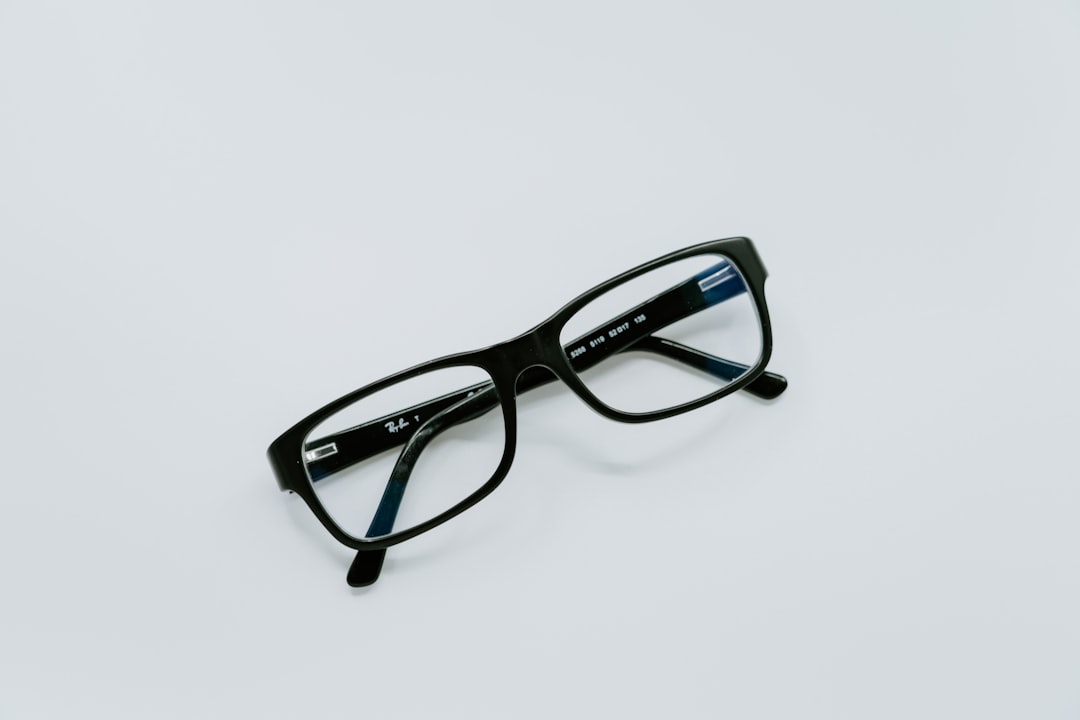
Local Frame Makers Go Big: Trend Playbook for Small‑Batch Eyewear in 2026
Hook: In 2026, small-batch frame makers are no longer the footnote of the optical industry — they're a predictable revenue engine. If you design, make, or sell indie frames, this playbook maps the advanced strategies proven this year to scale production, launch profitable pop-ups, and keep margins while avoiding the common pitfalls of rapid growth.
The new context: why 2026 is different
Three structural shifts changed the playing field this decade: tighter consumer demand for provenance and fit, the mainstreaming of microevents as a sales channel, and lower-cost, market-ready portable display technologies. These forces favor small-batch makers who can deliver story-driven products and high-touch experiences.
"Customers buy the craft and the context — not just the frame. In 2026, the best small‑batch makers sell both."
Core tactics that separate survivors from hobbyists
- Design for local production scale — modularize your frame families so a single tooling run covers multiple SKUs. This reduces per-unit setup costs without derailing the creative intent.
- Batch economics and pre-order windows — combine scarcity with predictability: publish a two-week pre-order window before each run to lock demand and reduce stock risk.
- Build a pop-up playbook — stop improvising. Use predictable event formats that convert foot traffic into email captures and purchases.
- Optimize the checkout and returns flow — portable POS and easy returns are now table stakes for on-site sales.
- Image-first product pages — deliver fast, optimized product imagery tailored for mobile and AR previews.
How to make pop-ups predictable revenue channels
Pop-ups are no longer one-off marketing stunts. Brands that win in 2026 run repeatable, measured conversions per square metre. If you want a step-by-step field playbook, the industry has consolidated best practices for hosts and makers — from footprint planning to margin modeling — in the How Genies Power Pop‑Up Markets: Playbook for Hosts and Makers (2026). Use it as a checklist for site selection, promotion windows, and partner splits.
From microevents to mainstage: program design
Microevents — 48–72 hour focused drops — work well for limited-edition frames. But if you want repeatable monthly revenue consider the playbook behind scaling microevents into predictable retail: Micro‑Events to Mainstage: How Brand Pop‑Ups Became Predictable Revenue Channels in 2026. The core insight: standardize the layout, staffing, and kit so each pop-up runs like a franchise operation.
Portable displays and POS: practical choices
Investment in a compact, market‑ready display can transform conversion. Field tests of portable setups that include integrated POS, merchandising surfaces, and transportability are now available — for example, the Highland Maker Kettle — Market‑Ready Portable Display and POS Setup (2026 Field Test) shows how a single kit can reduce setup time and increase average order value on-site. When selecting a kit, prioritize:
- Setup time under 20 minutes
- Secure product display for try‑ons
- Integrated POS or easy integration with modern payment terminals
- Transport size compatible with airline carry-on (for traveling makers)
Sustainable packaging without premium sticker shock
Packaging plays an outsized role in perceived value. In 2026, shoppers expect traceability and low-impact materials. Follow tactical playbooks that balance cost with sustainability — from minimal padding to certified compostable sleeves — summarized in the Sustainable Packaging and Shipping Playbook for Small Apparel Brands (2026). Many of the same rules apply to eyewear: keep weight low, reduce volume, and make the unboxing deliberately shareable.
Image workflows and conversion
Product photography must be fast and page-weight conscious. Use modern image optimization workflows — convert master files to responsive formats, serve AVIF/WebP where supported, and predetermine crop and zoom sequences for virtual try-on. The industry reference on modern imaging pipelines is Image Optimization Workflows in 2026: From mozjpeg to AI-Based CDN Transforms, which breaks down transforms you can automate in your CDN to reduce load times and preserve detail in lens and frame texture.
Retail economics: margins, pricing, and community
Small-batch margins must factor in lower volume production, higher customer acquisition cost for niche products, and returns. Advanced strategies in 2026 include:
- Bundled services (fitting session + anti-reflective upgrade) to increase AOV
- Membership cohorts that reward repeat buyers with early access to runs
- Localized collaborations with opticians to drive sampling and in-person fittings
Operational checklist before your next run
- Define SKU families for modular tooling (reduce setup costs)
- Prepare a two-week pre-order window and forecast with a 15% buffer
- Book a compact display kit and test setup; consider market‑ready kits like the ones evaluated in the field review above
- Prepare image assets with responsive outputs per the image optimization playbook
- Publish sustainable packaging specs on product pages to capture eco-focused searches
Case vignette: a 6‑month growth loop
A small frame maker in Glasgow used a six-month program of alternating micro-drop pre-orders and monthly local pop-ups. They standardized their display kit, cut pre-order lead time from eight to four weeks by modularizing tooling, and reduced return rates with an in-person fitting partner. Their monthly revenue became predictable enough to subsidize a part-time apprentice — classic evidence that small-batch craftsmanship can scale without losing craft.
Where to go from here
If you run or work with small-batch frames in 2026, your immediate work is operational: lock a repeatable pop-up format, invest in a market-ready portable display, and automate imagery to speed product launches. For tactical deep-dives, bookmark the trend report that tracks small-batch frame makers and local retail shifts: Trend Report: Small-Batch Frame Makers and Local Retail in 2026.
Quick links for implementers:
- Pop-up playbook for hosts and makers: genies.online
- Scaling microevents into predictable revenue: thebrands.cloud
- Portable display field test: scots.store
- Sustainable packaging playbook: panamas.shop
- Small-batch frames trend report: opticians.pro
Final note: The economics of craft changed in 2026. Systems and predictable event formats now allow small makers to plan capacity, manage cashflow, and scale without diluting design. Use this playbook to operationalize the craft.
Related Reading
- How to Photograph Your Kids' Coloring Pages Using an RGBIC Smart Lamp
- Top Rental Cars for the 17 Best Places to Travel in 2026
- Should West Ham Launch an Official Video Channel on YouTube Like Broadcasters Are Doing?
- Credit Union Perks for Vacation Rentals: How to Use HomeAdvantage and Similar Programs for Family Trips
- Local vs Global Sourcing: How Luxury Beauty Market Moves Impact Natural Ingredient Producers