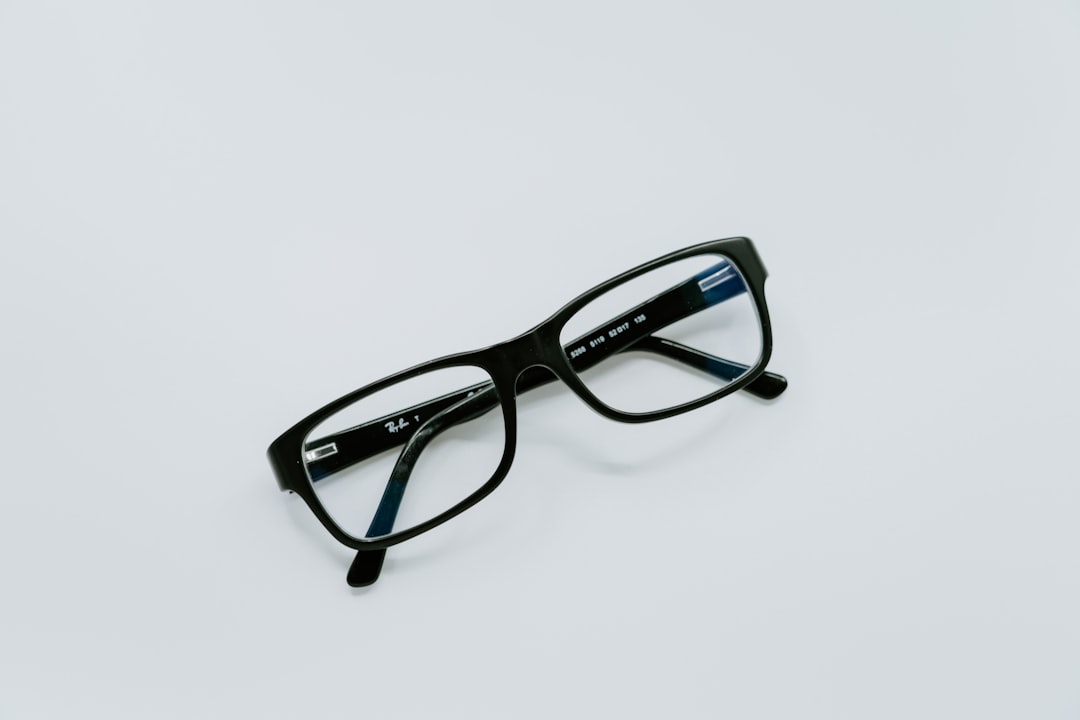
Think of the eyewear world as the smartphone market ten years ago: most options are useful, some are stylish, and a few models create moments — the iPhone-like products that change expectations. "Ultra" eyewear is the same idea: frames and lenses with extraordinary features that make buyers feel like they own something next-level. This guide walks through the design, tech, retail and styling signals that elevate a pair from "nice" to "iconic." It combines practical buying advice with retail and creator-led strategies so brands and shoppers both win.
For a sense of how product launches and social channels amplify premium offerings, see how live commerce and API-driven social channels are shaping retail presentations: live social commerce APIs will shape creator shops. For brands building buzz offline — pop-ups and neighborhood drops still matter — check the modern playbook for local activations: neighborhood pop-ups and short-form strategies.
1. What “Ultra” Means in Eyewear Today
Clarity of purpose: premium eyewear as a statement
Ultra eyewear is purposeful: it solves a problem (fit, vision, comfort) while also making a fashion statement. Premium eyewear mixes function and form — higher-grade metals for durability, bespoke finishes for individuality, and advanced lens tech for optical clarity. The effect is similar to limited-edition tech hardware that commands attention because it blends utility and prestige.
Experience, not just product
Buyers of ultra products expect experience: curated collections, superior packaging, helpful try-on tools and fast follow-up service. Brands that pair product with story and frictionless purchase flows convert higher — a dynamic seen in other creator-led product launches and monetization case studies: how better flows increase ARPU.
Why trend signals matter
Feature sets and launch formats send signals. Limited drops, curated collaborations and community shoots make frames feel special. See how community photoshoots and local storytelling boost boutique sales in case studies: community photoshoots for boutiques.
2. Materials That Define Luxury: Frames, Hinges & Lenses
Frame materials: what to look for
Top-tier frames use materials that balance weight, strength and finish. Titanium and beta-titanium offer a high strength-to-weight ratio and exceptional corrosion resistance. Premium acetates are hand-cut and polished, delivering depth and color complexity that cheap plastics lack. For traveling or active wear, flexible polymers like TR-90 give resilience without sacrificing style.
Hinges & fit tech
Look for integrated spring hinges, custom-adjusted temple tips, and multi-point nose pads — features that improve fit without compromising aesthetics. Brands that treat fit as an engineering problem (not an afterthought) produce glasses that feel bespoke even off-the-shelf.
Lens choices and coatings
Premium lenses combine optical-grade materials with advanced coatings: anti-reflective, hydrophobic, oleophobic and scratch-resistant layers. Transition and polarization technologies add functional value for outdoor wear. Because coatings wear differently by use, consider maintenance and warranty terms when you invest.
3. Fashion Technology: When Eyewear and Tech Collide
Smart features that matter
The definition of "smart" in eyewear has broadened beyond audio to include integrated sensors, heads-up display prototypes, and adaptive optics. These features must add daily value — like auto-dimming lenses, health sensors or discreet bone-conduction audio — instead of being gimmicky.
AR, XR and the aesthetics of augmentation
Augmented reality influences frame design and virtual try-on tools. Brands that align frame silhouettes with AR overlays create a more believable try-on experience. If you're tracking where XR is headed in retail and wearables, the shift from standalone VR to cross-platform wearables is worth reading: pivoting XR content strategy.
Operational considerations: cloud, edge & AI
Delivering real-time virtual try-on and image-based recommendations depends on smart infrastructure. Lessons from cloud partnerships and edge strategies show how brands can scale advanced features without sacrificing latency: cloud partnerships in AI and edge lessons and practical creator-ops guidance: Behind the Edge creator ops playbook.
4. Signature Design Moves That Elevate Style
Unique silhouettes and proportion plays
Designers creating ultra frames play with proportion — made-up bridge heights, exaggerated temples, or subtle asymmetry. These moves help frames read as fashion pieces, not commodity items. The best designs also remain wearable across face shapes.
Material combinations and finishing touches
Mixing metals with acetate inlays, brushed versus polished contrasts, and micro-engraving on temples (serial numbers, maker marks) signal craft. Small details communicate value and are often the first elements fashion-conscious buyers notice when deciding between two similar-priced options.
Limited colorways and collaboration drops
Scarcity and storytelling elevate perceived value. Limited colorways, artist collaborations and capsule collections reward collectors and drive social shares. For brands planning micro-drops and curated launches, advanced pop-up and drop strategies can increase demand: advanced micro-drop strategies.
5. Curated Collections: How Retail Formats Add Luster
Collections with a point of view
A compelling collection is curated around a narrative — travel-ready frames, eco-conscious materials, or a tribute to a design era. Collections help shoppers navigate choices and position premium items against entry-level catalog products.
Micro-launch tactics for maximum impact
Micro-launches concentrate marketing energy on a small set of SKUs to create urgency. The playbook used by indie brands pairs tight inventories with creator previews and timed drops. For brands scaling these tactics, the micro-launch playbook is essential: micro-launch playbook for live commerce and edge AI.
Pop-ups, sampling and hands-on discovery
Brick-and-mortar activations give premium eyewear its tactile advantage. Sampling kits and portable displays let brands bring frames to targeted neighborhoods. Practical kits and sampling strategies are covered in guides for physical activations: pop-up sampling kits and portable displays.
6. Digital Tools That Reduce Uncertainty for Shoppers
Virtual try-on technologies
Realistic virtual try-on reduces returns and increases conversion. The best implementations use true face-mapping, multiple lighting simulations and optical distortion correction to show accurate frame scale. Investing in great capture produces better long-term ROI than clipping low-quality 3D assets into the product page.
Fit measurements and AI sizing helpers
Measure-first workflows (pupillary distance, temple length, nose width) combined with AI-suggested sizes simplify purchasing. Brands that offer these tools and human-in-the-loop QC reduce the friction of buying prescription lenses online: building resilient human-in-the-loop flows.
Content that complements tech: creative assets and shoots
High-quality product photography and community shoots translate design details to buyers. Practical guides on portable capture kits and creator-led content help retailers produce consistent imagery for e‑commerce: portable studio kits for traveling makers and compact travel capture reviews: compact travel capture kits.
7. Pricing, Value Perception & Positioning
How to price for premium without alienating customers
Pricing premium eyewear is about signaling and fairness. Consumers accept higher price tags when the brand is transparent about materials, labor and warranty. Consider tiered offerings with clear upgrade paths (basic, premium, ultra) so buyers can upgrade in stages.
Monetization & bundle strategies
Bundles (frame + polarized sun lens + case) increase AOV while delivering perceived value. Lessons from creators and broadcasters show that thoughtful bundling and pricing tiers lift conversion: monetization checklist and content tiering.
Communicating long-term value
Long-term value is conveyed through warranty, free adjustments and easy lens replacement programs. Brands that invest in post-purchase service reduce churn and generate word-of-mouth referrals, similar to service plays in other premium categories.
8. Retail & Marketing Tactics that Make Frames Feel Exclusive
Launch events and creator partnerships
Partnering with creators for launches and limited runs creates authentic reach. Live demos and short-form video content convert quickly when creators show fit and real-world use. Predictive APIs and social commerce trends show this is a durable pathway: how live social commerce APIs influence shopfronts.
Community-first merchandising
Community shoots and local ambassadors create culturally resonant messaging. Case studies show small boutiques grow loyalty by featuring local faces and stories: community photoshoot case studies.
Sampling, pop-ups and field activations
Portable kits and pop-up-ready displays reduce the cost of trial. Brands that test limited geographical runs refine assortments and messaging faster — learn from sampling kit reviews and pop-up playbooks: pop-up sampling kits and advice for micro-drops: microdrops & pop-ups strategy.
9. Operations: Fulfillment, Quality Control & Post-Sale Care
Speed and accuracy in prescription fulfillment
Premium buyers expect fast turnarounds and precise prescriptions. Implementing human oversight in the final approval stage lowers errors and returns. The human-in-the-loop playbook applies directly to optical QC: human-in-the-loop approval flows.
Warranty, repairs and lifetime value
Clear warranty policies and accessible repairs add long-term trust. Offer repair credits or discounted replacement lenses to turn one-time purchasers into repeat customers. This focus on aftercare often differentiates premium brands from mass-market competitors.
Data-driven improvements
Track returns reasons, fit complaints and lens performance to refine SKUs. Brands that feed that data back into design and materials choices iterate faster and reduce costly inventory mistakes. Operational playbooks for creator-focused brands provide helpful frameworks: creator ops & edge playbook.
10. How to Choose an ‘Ultra’ Pair: A Shopper’s Checklist
Measure, match, and try
Start with measurements (PD, temple length, bridge width). Use virtual try-on and at least two real-world images to judge scale. If possible, test in a pop-up or at a local retailer to confirm comfort and balance.
Ask about materials and warranties
Always ask what metal grade or acetate type is used and check warranty length. Premium frames will disclose origin, manufacturing techniques and care instructions. Transparent brands earn trust faster.
Consider resale and modularity
Some ultra frames are modular — replaceable temples, swappable nose pads, or convertible sunglass clips. Modularity increases value over time and supports sustainable consumption.
11. Comparison: Popular Frame Materials & Their Trade-Offs
Use the table below to compare common premium materials and when they’re the best choice.
| Material | Why it elevates | Typical price impact | Best for |
|---|---|---|---|
| Titanium | Ultra-light, corrosion-resistant, premium matte finish | High (+30–60%) | Daily wear, travel, allergy-prone skin |
| Beta‑Titanium | Flexible, springy fit that resists bending | High (+35–65%) | Active users, long-term comfort |
| Acetate (Hand-finished) | Rich color depth, custom patterns, robust feel | Medium–High (+20–50%) | Fashion-forward styles, bespoke colorways |
| TR‑90 / Nylon | Durable, lightweight, flexible — practical luxury | Medium (+10–30%) | Sports, travel, kids’ premium lines |
| Stainless Steel (Brushed/Polished) | Polished luxury look, durable and hypoallergenic | Medium (+15–40%) | Classic silhouettes, mixed metal finishes |
Pro Tip: Treat fit and finish as your first filter. A slightly cheaper frame that fits perfectly and has good lenses will often outperform an expensive ill-fitting one in comfort and daily use.
12. Bringing It Home: Packaging, Unboxing & Aftercare
Packaging as part of the product
Premium packaging should protect but also feel intentional: soft-lined cases, microfibre cloths with brand embroidery, and a quick care card. Unboxing is a touchpoint that extends the product experience — don't underinvest.
Care and maintenance guidance
Provide clear, simple care steps: rinse vs wipe guidance, how to tighten screws, and when to seek a pro adjustment. A care-first approach reduces returns and builds customer trust.
Warranties and service options
Offer clear warranty lengths, transparent repair pricing, and trade-in credits. Brands that make aftercare easy earn repeat customers — a practice we see across successful creator-product models and pop-up-first brands: micro-launch brand strategies.
13. Final Checklist for Brands: Launching an ‘Ultra’ Collection
Test infrastructure and creative workflows
Before scaling, test virtual try-on, fulfillment, and returns processes. Use portable capture kits to produce on-brand imagery and iterate quickly: portable studio kits for makers and travel capture reviews: compact travel capture kits review.
Plan your retail cadence
Map out drops, partnerships, and pop-ups. Limited runs and creator premieres can help with discoverability — plan logistics carefully so scarcity feels intentional, not accidental: micro-drop and pop-up playbook.
Measure and iterate
Track sales, fit feedback, and returns. Use these signals to refine both product and the experience; successful creators optimize quickly using data-informed workflows: monetization case learnings.
Frequently Asked Questions
1. What qualifies eyewear as "premium"?
Premium eyewear uses higher-grade materials (e.g., titanium, hand-finished acetate), superior lens optics, thoughtful fit engineering, and a frictionless purchase and service experience. It is backed by clear warranties and an attention to small, differentiating details.
2. Are smart features worth the premium?
Only if they solve everyday problems — e.g., adaptive lenses that cut glare, discreet audio with long battery life, or accurate health sensors. Avoid features that add complexity without clear daily value.
3. How do I assess fit online?
Use precise measurements (PD, temple length, bridge width), realistic virtual try-on tools, and size guides. When in doubt, try frames in a pop-up or with a sampling partner to confirm comfort before committing.
4. Do limited drops increase resale value?
Yes, scarcity and strong storytelling can increase collector interest and resale value, especially when combined with high-quality materials and notable collaborations.
5. What should I consider for long-term care?
Follow care instructions, keep lenses clean with the provided cloth, schedule occasional professional adjustments, and keep documentation for repairs/warranty. Brands that offer easy repair and replacement options increase product longevity.
Closing Thoughts
“Ultra” eyewear is not a single feature — it’s a combination of craft, tech, retail savvy and post-sale care. Whether you’re a brand designing a new collection or a shopper deciding where to invest, focus on fit, materials, service and storytelling. These are the signals that turn a good pair of glasses into an extraordinary one.
Want tactical next steps? Practice the three-move launch: (1) small curated capsule, (2) creator preview + live commerce demo, (3) neighborhood pop-up sampling run. For how live commerce and creator-first approaches scale, revisit the prediction on API-driven social commerce: live social commerce APIs. If you plan to move fast on production and capture, use portable kits to cut creative cycle time: portable studio kits.