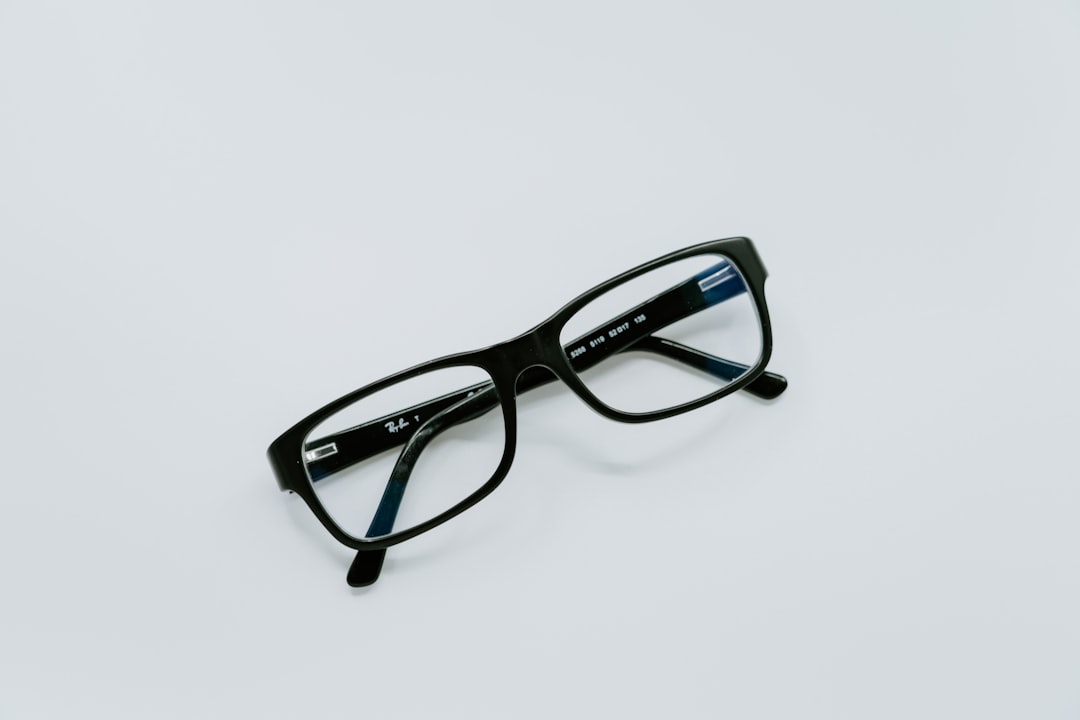
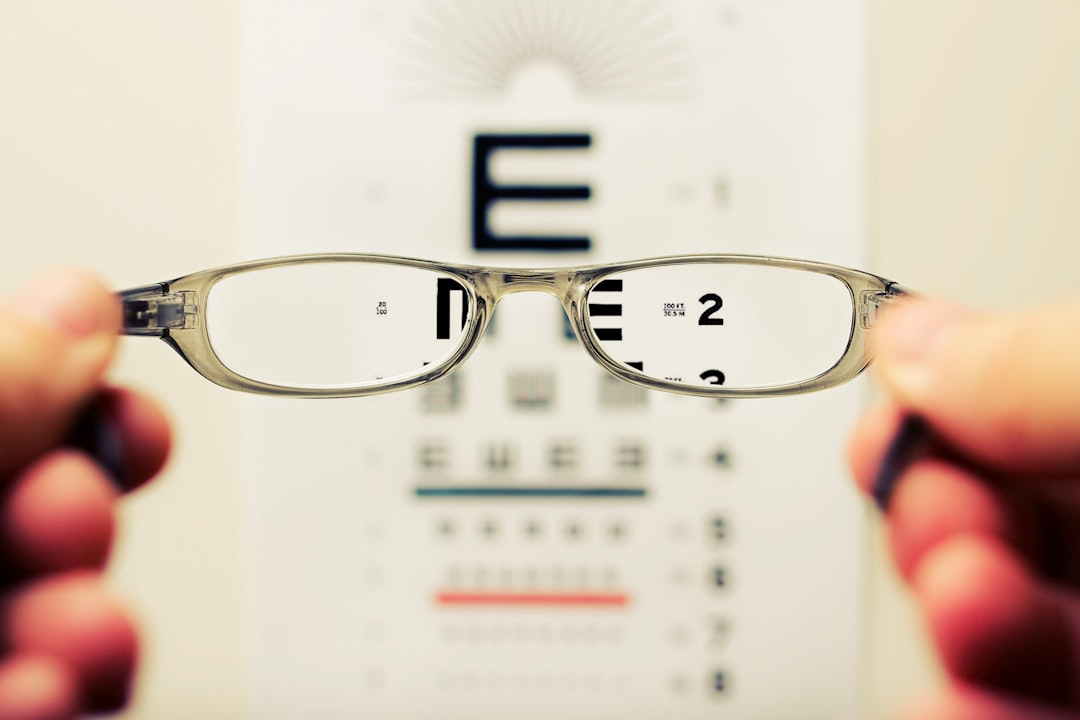
As technology evolves rapidly, industries throughout the globe continue to adapt and enhance their offerings. Eyewear, often seen simply as a practical solution for vision correction, is experiencing a technological renaissance that emphasizes comfort, style, and functionality. In this definitive guide, we will explore the latest innovations in eyewear technology that are reshaping how consumers perceive and interact with glasses and sunglasses. From smart eyewear to cutting-edge lenses, let’s dive into the advancements creating waves in the optical industry.
1. The Rise of Smart Eyewear
Smart eyewear represents a significant leap forward in the optical realm. These technologically advanced glasses combine style, functionality, and connectivity, allowing users to access information, navigate environments, and interact with the digital world seamlessly.
1.1 Features of Smart Glasses
Modern smart eyewear may include augmented reality (AR) features, voice-activated assistants, built-in cameras, and even health monitoring capabilities. For instance, virtual try-on tools have emerged as a game changer, enabling users to visualize how frames will suit their faces before making a purchase.
1.2 Popular Brands Leading the Charge
Brands like Google, Facebook, and Snap have introduced smart glasses that blend technology with eyewear fashion. Facebook's Ray-Ban Stories and Google's Pixel Buds integrated with glasses demonstrate how the lines between daily accessories and tech are blurring.
1.3 Addressing Consumer Concerns
Despite their benefits, smart eyewear has faced skepticism. Concerns regarding privacy, comfort, and battery life are paramount. Many brands are prioritizing user education and clear information on their warranty and care policies to help mitigate these doubts.
2. Enhanced Vision: Advancements in Lens Technology
Advancements in lens technology have revolutionized vision correction and comfort for wearers. Companies are focusing on both corrective function and enhanced experiences through innovative materials and coatings.
2.1 Varied Lens Options
Modern eyewear now offers a variety of lens options including blue light filtering, photochromic lenses, and high-index lenses that are thinner and lighter for stronger prescriptions. Understanding these choices is vital for consumers. For a more detailed exploration, check out our comprehensive guide on buying guides.
2.2 The Role of Anti-Reflective Coatings
Anti-reflective coatings enhance visual clarity by minimizing reflections off the lens surface and improving light transmission. This advancement can lead to less eye strain, especially for individuals who spend long hours in front of digital screens. To learn more about lens care, visit our section on lens care.
2.3 Customization for Individual Needs
Customized lens solutions tailored to individual prescription requirements have become more accessible, allowing for precise customization based on face shape and frames. This customization ensures not only comfort but an aesthetic appeal that resonates with personal style.
3. Innovative Frame Materials
The materials used in frame production have seen significant developments aimed at enhancing durability, comfort, and lightness. Different materials influence how glasses feel and look, and understanding these options can empower consumers.
3.1 Types of Frame Materials
From traditional metal and plastic to newer materials like titanium and recycled composites, the diversity in eyewear frames allows for a personalized selection. Lightweight materials like nylon are perfect for active wearers.
3.2 Sustainability Trends in Eyewear
Sustainability is a growing trend in eyewear manufacturing. Companies are now prioritizing eco-friendly materials and practices while maintaining quality and style. This shift not only creates a positive brand image but also appeals to eco-conscious consumers.
3.3 Case Studies of Successful Brands
Brands making strides in sustainable eyewear include Warby Parker and Krewe, which utilize recycled materials in their products. Their commitment to sustainability enhances consumer trust and loyalty.
4. Virtual Try-On Technology
One of the most impactful innovations in eyewear retail is the virtual try-on technology. By utilizing augmented reality, consumers can see how different frames look on their faces right from their devices.
4.1 The Mechanics of Virtual Try-On
Virtual try-on features use facial recognition and 3D modeling to display glasses on a user's image. These technologies create a lifelike representation of how frames will fit and look. For an in-depth look at how this technology works, check out our virtual try-on guide.
4.2 User Experience and Adoption Rate
Customer engagement has increased significantly with the adoption of virtual try-on technologies, as they reduce uncertainty about fit and style preferences. Businesses report improved conversion rates and reduced return rates due to this technology.
4.3 Future Trends in Virtual Try-On
Expect to see advancements like photorealistic simulations and advanced personalization options in the future of virtual try-on technology, further enhancing user experiences.
5. Eye Health Monitoring Technology
As smart eyewear develops, the integration of eye health monitoring features is becoming more prevalent. These innovations not only enhance vision but also promote overall ocular health.
5.1 How Eye Health Monitoring Works
Some smart glasses now include sensors that can monitor various eye health metrics, including eye fatigue and prescription stability over time. Integrating these features lends credence to the role eyewear can play in maintaining eye health.
5.2 The Importance of Regular Eye Health Checks
Despite these advancements, regular comprehensive eye exams remain essential. For a detailed rundown on lens types and prescribed needs, take a look at our informative lens education guide.
5.3 Impact on Consumer Behavior
As consumers become more aware of their eye health and related technologies, they are inclined to choose eyewear that supports these advancements, making health-focused eyewear more desirable.
6. Data Privacy and Security in Smart Eyewear
Smart eyewear is not just about comfort and vision; it also raises significant concerns regarding data privacy and user security. Understanding how to navigate these concerns is crucial for both manufacturers and consumers.
6.1 Privacy Regulations and Consumer Rights
As smart devices proliferate, regulations surrounding data privacy evolve. Brands must ensure compliance with relevant laws and disclose how data is used and secured. Consumers should look for transparency when purchasing smart eyewear.
6.2 Best Practices for Data Security
Users should regularly update their software and be mindful of permissions granted to applications associated with smart eyewear. For a broader view on securing digital identities, explore our insights on privacy and security tips.
6.3 Building Consumer Trust
By educating consumers and being transparent about data practices, eyewear brands can foster trust, promoting the successful adoption of smart eyewear technology.
7. Custom Frame Solutions Through AI
Artificial intelligence is playing an increasingly important role in customizing eyewear. Integrated AI technologies can analyze consumer preferences and provide tailored recommendations.
7.1 How AI Enhances the Shopping Experience
AI tools can help streamline the selection process by suggesting frames that will suit the user based on facial recognition and style assessment. This personal approach improves customer satisfaction and sales performance.
7.2 Behavioral Insights and Data Utilization
Eyewear businesses that leverage AI analytics can better understand consumer behaviors and trends, allowing for targeted marketing and product offerings. Refer to our article on trend analysis for further insights.
7.3 The Future of AI in Eyewear
As AI technology further develops, expect personalized eyewear suggestions to become more intuitive, leading to better customer experiences in the online shopping space.
8. Conclusion: The Future of Eyewear Technology
The landscape of eyewear technology is continuously evolving, offering exciting innovations that enhance vision, comfort, and style. As consumers increasingly prioritize health, customization, and connectivity, brands that adapt to these changes will thrive.
Investing in eyewear technology is no longer just about correcting vision; it's about embracing a lifestyle complimented by cutting-edge functionality. Stay ahead of the trends and explore our curated collections online for the latest and most stylish eyewear options available today!
Frequently Asked Questions (FAQs)
What is smart eyewear?
Smart eyewear includes glasses that have integrated technology, such as augmented reality and health monitoring features.
How do virtual try-on tools work?
These tools use augmented reality to overlay frames onto a user's image, enabling them to visualize how glasses fit and look.
What are the different types of lens technologies?
Common lens technologies include blue light blocking, photochromic lenses, anti-reflective coatings, and progressive lenses.
Can eyewear help monitor eye health?
Many smart glasses now feature monitoring capabilities that track eye health metrics and fatigue levels.
What should I consider when purchasing smart glasses?
Consider features, comfort, style, data privacy, and the brand's reputation for security and technology.
Related Reading
- Browse Our Product Catalog - Explore a curated selection of stylish eyewear options.
- Face Shape Guide - Learn what frames best suit your face shape.
- Lens Education Guide - Understand different lens options and their benefits.
- Prescription Options Explained - Get a breakdown of various prescription types.
- Sustainable Eyewear Practices - Discover how eyewear is becoming more eco-friendly.