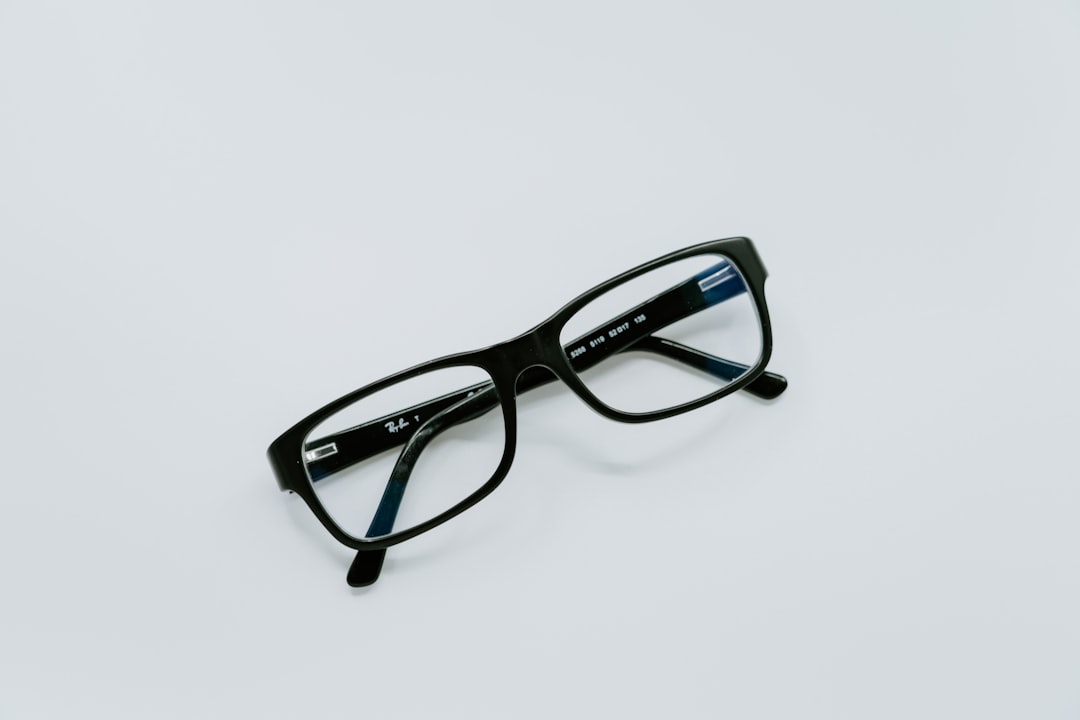
Style under different lights: why your frames look different and what to do about it
Shopping online for glasses is convenient—but nothing drains confidence faster than receiving frames that looked perfect on the screen and feel wrong in real life. One major culprit you can control: lighting. Warm table lamps, cool daylight, and even colored smart lighting change how frame color, texture, and contrast read against your skin. In 2026, with affordable RGBIC smart lamps like Govee in millions of homes and next-gen virtual try-on tools using advanced face-mapping, lighting has become the secret lever that decides whether a frame flatters—or fails you.
Hook: Your biggest worry, solved
If you're worried a frame will clash with your skin tone, look cheap, or change character once you walk outdoors—this guide is for you. I’ll show you how frames behave under warm, cool, and colored light, how to replicate real-world lighting with a smart lamp during virtual try-on, and step-by-step tactics you can use right now to pick frames that look great in every setting.
What changed in 2025–2026 (short version)
- Smart lamps became mainstream and affordable: updated RGBIC models from brands like Govee are common household items, often priced competitively with standard lamps (Kotaku coverage, Jan 2026).
- Virtual try-on evolved: AI-driven AR maps faces more accurately, but accurate color and context still depend on your ambient lighting.
- Retailers increasingly guide buyers to test frames under multiple light temperatures—an omnichannel approach that blends AR with real lighting simulation.
Why lighting matters for frame selection
Light affects three things you care about when choosing frames:
- Perceived color—Color temperature shifts warm or cool tones. A brown tortoise can look orange under warm light and muted under cool light.
- Contrast & definition—High-key daylight reveals frame details; soft warm light flattens texture and can hide delicate metals.
- Skin interaction—Frames either harmonize with or contrast against your skin tone depending on the light’s color balance.
Quick primer: warm vs cool vs colored light (practical labels)
- Warm (2700K–3500K): soft, golden, flattering on warm skin tones, makes warm browns, ambers, and gold metals pop.
- Neutral/daylight (4000K–5000K): closest to indoor natural light—good baseline for shopping and taking photos.
- Cool (5000K–6500K): bluish, crisp—best for showing contrast, making blacks look deeper and cool-toned frames sharper.
- Colored RGB (any hue): stylish and dramatic—useful to preview statement frames or see how a frame interacts with evening lighting/vibes.
How different frames read under different lights (guide by material and color)
Acetate & bold colors
Acetate frames (solid colors and tortoiseshell) are highly reflective and their depth changes with temperature. Under warm light, red, amber and warm browns deepen and glow—making vintage or warm-toned faces look harmonious. Under cool light, saturated colors like deep blue and true black gain vibrancy and appear more modern and crisp.
- Tip: If you prefer a subtle look, try acetate frames under neutral daylight first; if colors feel intense, a slightly cooler temp will tame warmth.
Metals (gold, silver, gunmetal, copper)
Metals are about undertone. Gold and copper harmonize with warm light; silver and gunmetal feel sharper under cool light. In mixed or neutral lighting, metals read truer to their finish—important for matching jewelry.
- Tip: Use a warm lamp when you wear gold jewelry. If you often wear silver or steel, test frames under cool light.
Transparent & pastel frames
Clear or pastel frames pick up surrounding light and skin coloration. Under warm light, a transparent peach or cream can look almost skin-toned and subtle; under cool light it will feel fresher and more distinct.
Patterned & multi-tone frames
Patterns reveal or hide depending on contrast. Cool, high-CRI lighting enhances detail; warm, soft lighting blends edges and can make patterns appear more muted.
Skin tone + lighting: choosing flattering combinations
Forget the old “warm vs cool skin tone” dogma—now we think in practical pairings for everyday settings. Here’s how to combine your skin undertone with lighting to decide frame color.
Warm undertones
- Best in warm-to-neutral lighting for everyday wear.
- Try: amber tortoise, warm brown, gold metals, coral pastels.
- Use cool light when you want contrast or a modern edge (for evening or office photos).
Cool undertones
- Shine in cool-to-neutral lighting.
- Try: navy, true black, silver metals, muted blues and clear frames.
- Warm light can be used sparingly to soften look on camera.
Neutral/olive undertones
- Are flexible—both warm and cool lighting can work. Use neutral/daylight for accurate assessment.
- Try: tortoiseshell that reads both warm and cool, mid-tone greens, and mixed-metal frames.
Smart lamps: the practical tool to simulate real-world light
Smart lamps give you controlled, repeatable lighting. In 2026, you don’t need expensive studio gear—a mid-range RGBIC smart lamp (Govee and similar brands) can recreate warm home light, office daylight, or colorful evening vibes.
According to coverage in January 2026, updated RGBIC lamps from Govee emerged at prices competitive with regular lamps, making them accessible for shoppers who want better lighting at home.
“Govee Is Offering Its Updated RGBIC Smart Lamp at a Major Discount, Now Cheaper Than a Standard Lamp” — Kotaku, Jan 16, 2026
Key features to look for
- Tunable white range (2700K–6500K): allows warm-to-cool simulation.
- High CRI (≥90): shows colors more accurately—vital for frame color evaluation.
- RGBIC or full RGB: for colored scenes and evening looks.
- App presets and scenes: quickly switch between reading, daylight, and evening modes.
- Dimmability: lower brightness mimics cozy indoor light; higher brightness replicates daylight.
Step-by-step: Use a smart lamp during virtual try-on
Follow this workflow to get consistent, realistic results when trying frames online.
1) Set up your space
- Place the smart lamp 2–4 feet in front of you, slightly above eye level. Avoid strong backlight.
- Turn off overhead lights or direct sunlight that you can’t control.
- Use a neutral background (soft gray or white) to avoid color cast from walls.
2) Calibrate the lamp
- Start at neutral daylight (about 4500K–5000K) with brightness at 70% — this is your baseline.
- Switch to warm (3000K, 40–60% brightness) to simulate home lighting.
- Switch to cool (6000K, 80–100% brightness) to mimic office or daylight.
- Use a high-CRI preset if available; if not listed, check app specs or product page before buying.
3) Use the virtual try-on (or camera) correctly
- Open the virtual try-on in a laptop or phone that’s steady—use a tripod or propped device (see our field rig checklist if you want pro stability tips).
- Disable camera filters and portrait modes that alter color or soften skin.
- For photos, set white balance to auto but verify—if frames look off, try the app’s neutral white balance or use a grey card.
4) Test systematically
- Take a baseline: neutral daylight image of each frame.
- Switch to warm: note how frame color and skin interaction changes.
- Switch to cool: note contrast and crispness.
- Try 1–2 colored scenes (e.g., soft pink or deep blue) if you plan to wear frames in club/night settings or trendy content.
5) Compare side-by-side
Use the retailer’s compare tool or save photos into a folder and view them in a grid. Pay attention to:
- How the frame edge reads against skin (blends vs pops)
- How metals interact with jewelry or hair
- Whether frame color pulls out undesired tones (sallow, red, or gray)
Mini case study: Nina’s evening-to-office dilemma (real-world style test)
Nina works hybrid—corporate days and creative evenings. She loves a warm amber acetate but worries it may feel too casual for client video calls. Using a Govee RGBIC lamp at home, she did three quick virtual try-on tests:
- Neutral daylight (4500K): Amber looked balanced—good for daytime wear.
- Cool daylight (6000K): Amber tightened and appeared darker—cleaner for corporate calls.
- Warm evening (3000K + soft pink accent): Amber glowed—perfect for evenings but too warm for midday client shots.
Result: Nina kept the amber acetate and added a secondary neutral pair (navy acetate) for client-facing days. The mobile micro-studio and affordable portable power options made the tests practical for her on-the-go workflow.
Advanced tips for perfectionists and influencers
- Match your main use-case: If you’re buying frames primarily for video calls, set your lamp to the exact lighting you use on those calls and test live. Match webcam exposure settings.
- Mind the CRI: If you can, choose lamps with CRI ≥ 90—many budget lamps under 80 will skew colors unpredictably.
- Capture RAW or high-quality photos: For photo-heavy decisions, use a phone’s pro mode and keep ISO low for truer color (see our notes on advanced product photography).
- Check outside light: Take one quick shot outside in natural daylight—this is the final reality check.
- Use mixed-metal frames strategically: Evaluate them under both warm and cool light to ensure both metal tones are acceptable for your wardrobe.
Common mistakes and how to avoid them
- Relying on phone automatic filters—turn them off for accurate color.
- Using only one lighting scenario—test at least three: warm, neutral, cool.
- Ignoring CRI and app specs—cheap colored lamps can be fun but misleading for color-critical decisions.
- Neglecting frame finish—matte finishes show less change across temps; glossy acetate can shift dramatically.
2026 trends: what to expect next in lighting + eyewear
- Deeper integration between AR try-on apps and smart lamps—some retailers now offer presets you load into your lamp app to match the store’s studio lighting (learn about ambient lighting loops used for product demos).
- Retailers offering lighting guidance in product pages: “Best seen in warm light” or “Designed to pop in cool office light.”
- More affordable CRI-accurate lamps hitting mass market—making professional-looking try-ons accessible to more buyers.
- Virtual try-on platforms adding lighting simulation layers powered by AI to predict cross-light behavior—useful, but still best paired with real lamp testing.
Practical checklist before you click buy
- Set lamp to neutral daylight and take a baseline photo.
- Test warm and cool temps; save each image for comparison.
- Turn off camera filters and check white balance.
- Check frame in natural outdoor light as a final check.
- Confirm return policy in case the frame still behaves unexpectedly in real life.
Real-world examples: Which frames I’d pick in different lighting-first scenarios
Below are quick, scenario-based recommendations that work with modern lifestyles.
The remote worker who’s on camera all day
- Pick: neutral or cool-toned frames (navy, black, cool gray) that read crisp under 5000K–6000K.
- Why: Cool lighting reduces warm cast from screens and keeps edges sharp on webcam.
The creative who posts evening content
- Pick: bold acetate, colored frames, or high-contrast patterns.
- Why: RGBIC lamps let you preview how frames look with stage or mood lighting; choose frames that pop under colored scenes.
The hybrid professional
- Pick: versatile tortoiseshell or mixed-metal frames.
- Why: They read well across warm and cool light; field rig testing helps confirm balance.
Final thoughts: make lighting your competitive advantage
In 2026, lighting is no longer an afterthought. Affordable smart lamps from brands like Govee make it simple to simulate the exact environments where you’ll wear your glasses. Combine that with modern virtual try-on tools and a consistent testing routine, and you dramatically reduce the guesswork of online frame shopping.
Action plan — 5-minute version
- Buy or borrow a tunable smart lamp (look for 2700K–6500K range and CRI ≥ 90).
- Set three presets: warm (3000K), neutral (4500K), cool (6000K).
- Do virtual try-on or live webcam tests under each preset and save images.
- Compare photos side-by-side, then take one outdoors for confirmation.
- Choose the frame that performs best across your daily lighting mix—or pick two for different contexts.
Want help picking frames under real lighting?
We’ve built lighting presets you can load into many smart lamps and a guided virtual try-on flow that walks you through the steps in this article. Try it today and reduce returns, get the perfect frame color, and feel confident about your selection.
Call-to-action: Use the link on this page to try our guided virtual try-on with lighting presets, or chat with an eyewear stylist who will walk you through live lighting tests using your smartphone. Make your next frames look perfect in every light.
Related Reading
- Best Smart Lamps for Background B-Roll in 2026
- Packaging Ambient Lighting Loops for Product Demo Creators (Inspired by Govee and CES Gadgets)
- Advanced Product Photography for Highland Goods (2026): Lighting, Color, and CRI
- Mobile Micro-Studio Evolution in 2026: CanoeTV’s Advanced Playbook
- Leather Notes to Leather Straps: The Cultural Rise of Leather Goods as Status Symbols
- Personalized Health Coaching with AI: What Works and What to Watch For
- From Scan to Mold: Affordable Ways to Reproduce a Favorite Ceramic Design
- Best Smartwatches for Fans Who Train: Long Battery Life Meets Game-Day Tracking
- When Power and Allegation Collide: How Workplaces Should Respond to Sexual Misconduct Claims