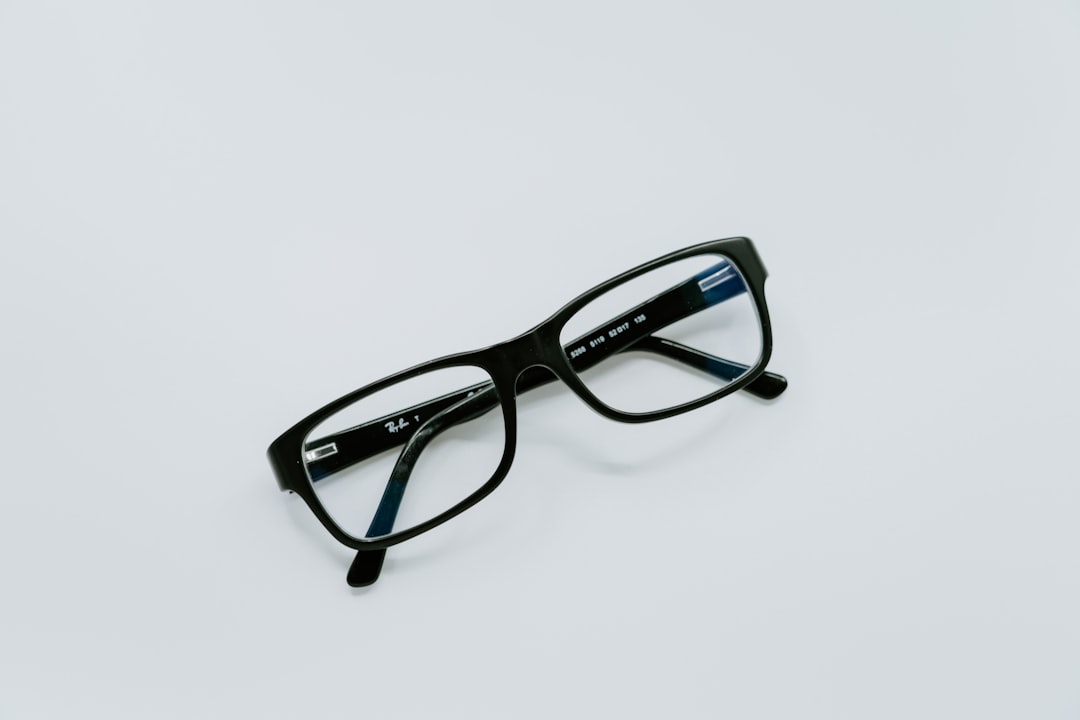
Hook: Your favorite headphones and your new frames should be partners, not enemies
Trying to balance comfort, sound and style is the most common complaint we hear from shoppers: over-ear headphones that crush your glasses' temples, earbuds that tangle with long temple tips, or high-tech audio glasses that won’t sit flush against frames. In 2026, with audio wearables everywhere—from affordable Bluetooth micro-speakers on Amazon to premium bone-conduction glasses—understanding frame fit and temple width is no longer a nice-to-have. It’s essential.
The state of play in 2026: why compatibility matters now
Late 2025 and early 2026 saw a surge of hybrid wearable devices: slimmer Bluetooth modules, modular temple designs, and updates to bone-conduction transducers that require reliable contact with the side of the head. Brands are compressing audio hardware into smaller packages, but the fundamental ergonomic rules remain the same. If your frames and audio device don’t physically cooperate, you lose comfort, sound fidelity and even frame alignment.
What’s changed since 2024–25
- Smaller, lower-power audio chips enable slimmer temples—but only if the frame supports them.
- Audio glasses (bone-conduction and open-ear designs) are now mainstream, so temple-width specs and geometry are a common filter in product pages.
- Virtual try-on and 3D measurements have improved; many retailers now offer precise temple-width specs so you can match frames to headphones before buying.
Quick primer: key terms you’ll see
- Temple width — the front-to-back thickness of the arm (measured across the arm’s cross-section at its thickest point).
- Temple length — the length from the hinge to the temple tip (usually 135–150 mm in adults).
- Bridge height — how high the frames sit; affects where a headband will meet the frames.
- Audio glasses — glasses with built-in speakers or bone-conduction transducers that sit on the temples.
- Over-ear headphones — usually have a padded band that compresses the temple area; fit is influenced by temple thickness and hinge placement.
How frame anatomy affects headphone fit — the practical rules
Start with the obvious: a headphone cushion presses against the side of your head. If a temple is thick, rigid or has a bulky hinge, the pad and temple fight for space. That fight shows up as pressure points, slippage, altered lens distance, and, ultimately, you taking off one or the other.
Rule 1 — For over-ear headphones, aim for low-profile temples
Why: Thin or tapered temples create a narrow contact zone so the headphone cushion sits comfortably above the frame without compressing it.
Recommended temple widths:
- Low-profile: 2–4 mm — best for consistent comfort with most over-ear headphones.
- Moderate: 4–7 mm — acceptable if the temple tapers behind the ear or the hinge is recessed.
- Wide: >8 mm — can cause pressure; pair with headphones that have a forgiving, soft band and a shallower clamp force.
Rule 2 — For bone-conduction audio glasses, favor a flat, slightly wider temple with rigid structure
Why: Bone-conduction transducers need a solid, flat surface that maintains contact with the temporal bone. Ultra-slim wire temples won’t work because they flex and lose contact, degrading bass and clarity.
Recommended temple widths and profile:
- Ideal: 8–12 mm flat or slightly oval temples with a non-flexible core (titanium or reinforced acetate).
- Minimum acceptable: 6 mm if the frame incorporates a rigid internal spine or visible transducer mount.
- Avoid: 1–3 mm ultra-thin metal wire temples for bone-conduction use.
Rule 3 — For earbuds and neckband-style audio, temple length and tip shape matter most
Why: Earbuds don’t press on the temple, but long temple tips can get tangled with cables or interfere with neckband clips.
Practical fit tips:
- Temple length of 135–140 mm is standard and pairs well with most in-ear cables and neckband-style audio.
- Rounded temple tips and silicone-coated ends reduce friction with cables and behind-the-ear earbuds.
- When using ear-hook earbuds, choose frames with shallow, short tip curves so the ear-hook and temple share space comfortably.
Frame shapes and headphone interaction — what flatters and what fights
Beyond width, the frame’s shape influences where a headband sits and how the glasses balance visually. Here are quick pairings that are proven in our fit lab and customer tests.
Round and oval frames
- Pros: Low vertical height often keeps the frame out of the headphone band zone.
- Best with: Over-ear headphones with a midline band — look for slightly tapered temples so the headphone pad can rest naturally.
Rectangular and square frames
- Pros: A steady fit for active use when paired with thinner temples.
- Best with: Slim-profile over-ear headphones and bone-conduction glasses with short temple tips; avoid if the frame has oversized, chunky temples.
Aviators and double-bridge styles
- Watch out for taller lenses and higher bridge placement — these can push the headphones’ band forward and create a gap behind the ear.
- Work well with: Adjustable headbands and flexible headphone wings that accommodate a higher frame position.
Oversized and fashion-forward frames
- Often include wide acetate temples — visually bold but a headache (literally) with tight over-ear headphones.
- Strategy: Choose headphones with a wider headband cushion or pick frames with tapered or undercut temple profiles.
Materials matter: what to pick depending on your audio setup
Material choice affects flexibility, weight and where hardware can be integrated.
- Titanium: Thin, strong, low-profile — great for over-ear headphones. Look for a slightly thicker temple if you want to clip bone-conduction hardware on externally.
- Acetate: Can be sculpted into wider, flat temples — ideal when integrated transducers require surface area.
- TR90/nylon: Flexible and light — works well with earbuds and neckbands but less ideal for fixed bone-conduction transducers unless reinforced.
- Composite/3D-printed frames: Rising in 2026—allow bespoke temple geometries and internal channels for wiring and tiny batteries.
Practical, step-by-step checklist to pick frames that work with your audio
- Identify your primary audio device — over-ear, earbuds, neckband, or bone-conduction audio glasses.
- Measure your current frames — lay a ruler across the temple at its thickest point. Note temple width (mm), length (mm), and where the hinge sits relative to the ear.
- Compare against these rules — if over-ear: temple ≤4 mm or tapered; if bone-conduction: flat 8–12 mm rigid temple.
- Use product filters — search for “temple width,” “flat temple,” “reinforced temple,” “temple profile” on retailer pages or ask chat support for exact specs. Some retailers now include VTO overlays and live previews to help.
- Virtual try-on and 3D fit — use VTO to check how the headphone band will sit relative to the frame’s crown and hinge. Look for headband overlap in the preview, and export measurement files where available.
- Try a sample — if available, order two frames with return labels; physically testing with your own headphones is the gold standard.
Real-world example: three shopper case studies
These quick case studies are based on in-store fittings and online styling consultations we performed across late 2025 and 2026.
Case 1 — Commuter with over-ear headphones (Marina)
Problem: Headphones left red marks and shifted lenses forward.
Solution: We recommend rectangular frames in titanium with 2.5 mm tapered temples and low bridge height. Result: Headphone pads nest above the temples; lens alignment stayed correct during walking and on transit.
Case 2 — Runner using bone-conduction audio glasses (Darnell)
Problem: Off-the-shelf sunglasses with wire temples dropped audio clarity—transducers didn't sit flush.
Solution: Swap to acetate sport frames with 9 mm flat temples and a reinforced internal core. Result: Improved contact yielded stronger bass and clearer voice calls while running.
Case 3 — Remote worker with earbuds and neckband (Leah)
Problem: Long temple tips tangled with earbuds and cable mic, creating noise during typing.
Solution: Choose frames with 135 mm temple length and short rounded tips; silicone-coated tips reduced cable friction. Result: No more cable tug, and frames stayed comfortable during long workdays.
Shopping filters and features to look for in 2026
As retailers adopt better specs and tools, these filters will help you zero in on compatible frames.
- Search filters: “temple width (mm),” “flat temple,” “reinforced temple,” “temple profile.”
- VTO overlays that let you simulate headphone bands or bone-conduction transducers.
- 3D measurement exporters — download a 3D model of your head/frames to test with headphone models if available.
- Try-before-you-buy and extended return windows — critical when testing compatibility.
Maintenance & modification tips to improve compatibility
If you already love a pair of frames but they don’t play nicely with your headphones, try these fixes before you replace them.
- Temple pads: add thin silicone sleeves (1–2 mm) to widen contact for bone-conduction or add soft padding where headphone pads meet.
- Micro-adjust hinges: have an optician reduce clamp force or slightly reshape temple angles for better clearance.
- Custom temple tips: swap long or pointed tips for short, rounded, silicone-coated replacements to reduce cable friction.
- Clip-on adapters: some bone-conduction brands sell adapters that make slimmer frames compatible; check for manufacturer-approved accessories.
Design tips: marrying style and function
Compatibility doesn’t mean sacrificing style. Use these design-focused strategies:
- Match finishes: choose frames whose metal or acetate finish complements your headphones’ metal accents for a cohesive look.
- Balance proportions: if you own oversized headphones, pick frames with medium lens heights so the headband doesn’t visually dominate your face.
- Contrast for emphasis: thin wire frames with bold headphones create a fashion-forward contrast—use it intentionally.
Comfort is the new luxury. In 2026, the best-wearing frames are the ones that disappear while you enjoy your audio.
When to consult a pro
Bring your headphones to a fitting if:
- You plan to use bone-conduction devices daily
- Your frames are expensive/designer and you want to avoid damage
- You find repeated pressure marks or slippage
Actionable takeaways — quick checklist you can use now
- Measure your temple width. If you use over-ear headphones, aim for thin/tapered temples (≤4 mm).
- If you use bone-conduction audio glasses, choose frames with flat, rigid temples 8–12 mm wide.
- Use virtual try-on to preview headband overlap; order two styles if unsure and use free returns.
- Consider material: titanium for slimness, acetate for surface area, TR90 for flexibility.
- Small mods (silicone sleeves, short tips) often solve fit problems without buying new frames.
Final thoughts and 2026 predictions
Expect tighter integration between eyewear and audio brands in 2026. Look for more frames designed with internal channels for wiring, plug-and-play temple modules, and retailer product pages that show audio-compatibility badges. For shoppers, the best defense is knowledge: measure, simulate, and test.
Call to action
Ready to find frames that work with your headphones or audio glasses? Try our virtual fitting tool, filter by temple width and material, or book a free styling consult. We’ll match frames to your audio gear and ship two pairs with free returns so you can test comfort, sound and style—risk free.
Related Reading
- The Evolution of True Wireless Workflows in 2026: Earbuds as Productivity Tools for GMs and Event Hosts
- Industry News: Major Wearable Maker Launches a Modular Band Ecosystem — What It Means
- Micro‑Pop‑Up Studio Playbook: Designing Low‑Friction Photo Experiences in 2026
- Cheap vs Premium Speakers: Amazon’s Micro Bluetooth Speaker at a Record Low
- Future Predictions: Microfactories, Local Retail, and Price Tools (2026–2030)
- Casting Is Dead, Long Live Second‑Screen Control: What Netflix’s Move Means for Streamers
- FedRAMP for Qubits: How Government Compliance Will Change Quantum Cloud Adoption
- Integrating Foundation Models into Creator Tools: Siri, Gemini, and Beyond
- Wearable warming tech for cold-weather training: hot-water bottles vs rechargeable heat pads
- Podcast Monetization in 2026: Subscriptions vs. Ads vs. Platform Deals