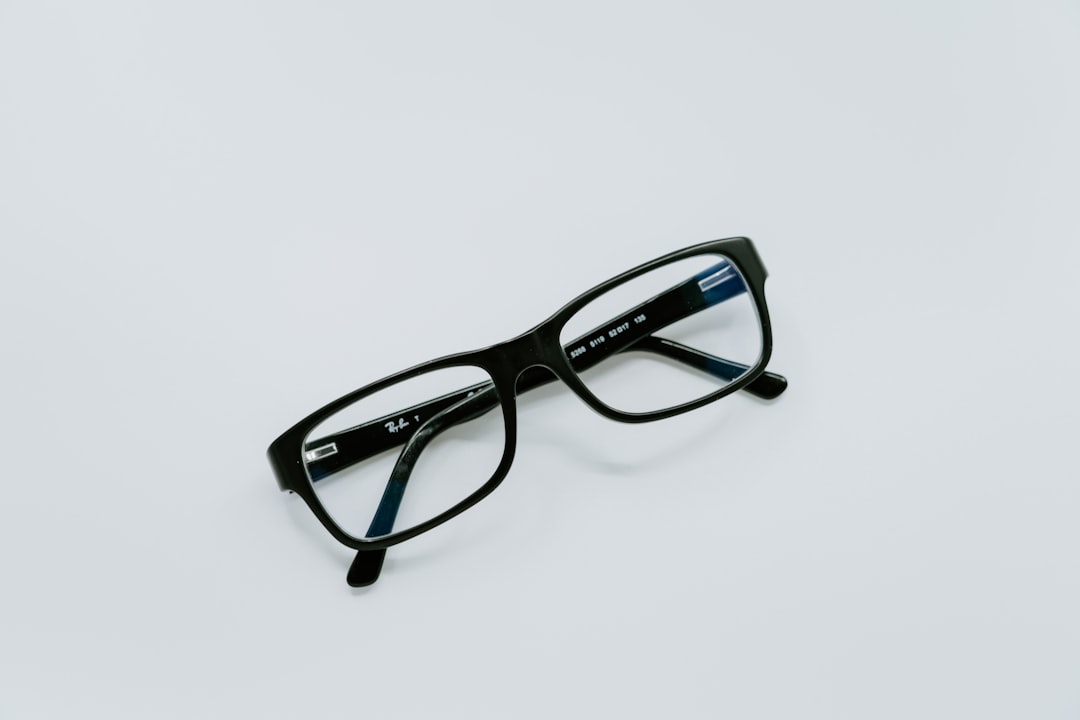
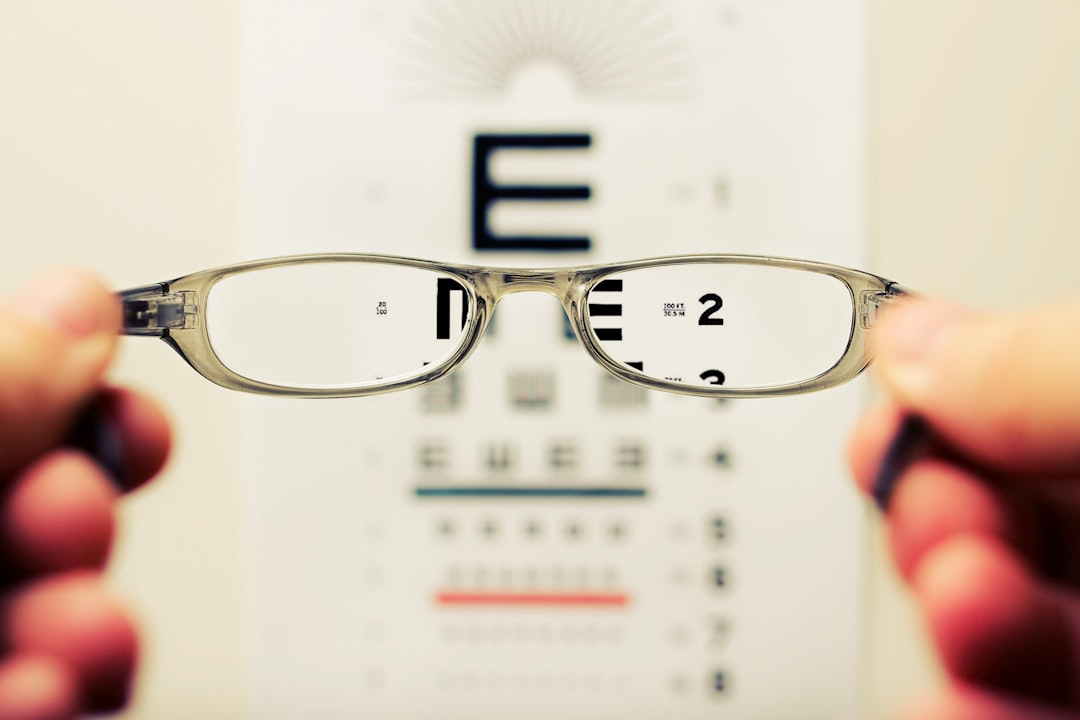
In a world increasingly dominated by portable technology—smartphones, tablets, laptops, and other digital screens—our daily visual demands have transformed dramatically. This shift has underscored an essential need: lens selection is no longer just about seeing clearly, but about proactively protecting your vision for the long haul aligned with modern lifestyle choices.
If you find yourself squinting after hours of screen time or struggling with headaches, choosing the right eyewear lens is critical. This eyewear education guide dives deeply into why lens selection matters profoundly for vision protection in today’s technology-driven lifestyle, and how making informed choices can significantly elevate eye comfort and health.
Understanding Today's Visual Landscape: Technology and Your Eyes
The Digital Revolution and Vision Stress
With the constant advance of portable devices, our eyes endure a unique kind of strain. Extended exposure to blue light, frequent focusing at close distances, and reduced blink rates cause digital eye strain, also known as Computer Vision Syndrome. Symptoms include dryness, blurred vision, headaches, and long-term vision degradation.
Research highlights that adults spend an average of up to 12 hours daily interacting with screens. This increased exposure necessitates more than just basic corrective lenses; blue-light-blocking lenses and lens coatings tailored for digital device users are more important than ever.
Lifestyle Choices Shape Lens Needs
Choosing lenses depends heavily on daily activities. For those continuously on handheld devices, outdoor commuters, or remote workers attending hours of video calls, lens requirements differ. Lifestyle-centric lenses consider factors like anti-reflective coatings to reduce glare, scratch resistance for durability in active lives, and transition lenses that adapt outdoors.
It's insightful to explore how style and fit affect lens performance, connecting aesthetic preferences with practical daily use.
The Role of Prescription Accuracy
Accurate prescriptions paired with customized lenses are vital to reduce eye fatigue. Progressive lenses, single vision, or bifocals must align with your vision correction needs and tech-heavy lifestyle. An expert eye exam combined with measurements tailored for device viewing distances helps optimize lens functionality.
To understand the importance of precise prescription lenses and the differences between types, see our detailed lens prescription guide.
Types of Lenses Optimized for Modern Tech Use
Blue-Light-Filtering Lenses
These lenses minimize exposure to high-energy visible blue light emitted by screens, which is linked to eye strain and sleep disturbances. High-quality blue-light lenses filter harmful wavelengths without compromising perception of colors.
Studies indicate users report reduced eye fatigue and improved sleep quality with consistent use. Learn about benefits and technology behind blue-light-blocking lenses.
Anti-Reflective (AR) Coatings
AR coatings reduce reflections, enhancing clarity and reducing glare from screens and lighting. This coating ensures sharper images and decreases eye strain, especially important during extended screen time or night-time use.
For those involved in night shifts or frequent late-night device interaction, this lens option notably improves comfort and vision quality.
Photochromic (Transition) Lenses
Adaptive lenses that darken outdoors protect eyes against UV rays while remaining clear indoors. For users switching between digital devices indoors and outdoor environments, photochromic lenses offer seamless visual comfort and full-spectrum protection.
Our latest guide on photochromic lenses helps you decide if this technology suits your daily routine.
Lens Materials: Balancing Durability, Comfort, and Vision Quality
Plastic (CR-39) Lenses
The most common and affordable lens material offering light weight and adequate optical clarity. However, it may scratch easier and have less impact resistance compared to alternatives.
Polycarbonate and Trivex Lenses
Highly impact resistant and thinner designs suited for active lifestyles or children. Polycarbonate lenses inherently block 100% UV rays, making them ideal for outdoor device users and athletes.
Trivex lenses offer similar properties with better optical clarity, often preferred for ultra-lightweight eyewear.
High-Index Lenses
Thin, lightweight lenses ideal for stronger prescriptions preventing thick, heavy eyewear. They reduce distortion and increase comfort during prolonged device use.
| Lens Type | Weight | Durability | UV Protection | Ideal For |
|---|---|---|---|---|
| Plastic (CR-39) | Light | Moderate | No (without coating) | Everyday use |
| Polycarbonate | Very light | High (impact resistant) | Yes (100% UV) | Active lifestyle, kids |
| Trivex | Very light | High (impact resistant) | Yes (100% UV) | Lightweight, clarity |
| High-Index | Lightest | Moderate | Yes (with coating) | Strong prescriptions |
Lens Options Tailored to Your Portable Device Use
Computer-Optimized Lenses
Designed especially for screen distance and posture, these are middle-distance lenses reducing strain from prolonged hours at laptops or desktops. They offer enhanced focusing capability at typical screen viewing distances of 20–26 inches.
Check our complete buying guide on computer glasses for detailed recommendations.
Blue-Light Filters for Mobile Devices
Handheld devices are closer to your eyes and emit significant blue light. Lenses with augmented blue-light filtration can protect the eye's retina during intensive smartphone and tablet use.
Progressive Lenses for Multi-Device Users
Many modern users alternate between devices at various distances. Progressive lenses integrate multiple viewing zones, allowing natural transitions from near (smartphones) to intermediate (laptops) and far distances without switching glasses.
Our progressive lens education article explains this complex option in detail.
How Lens Coatings Enhance Vision Protection in a Tech-Centric World
Scratch-Resistant Coatings
Essential for long-lasting lenses, especially given frequent device handling and frequent storage in bags alongside tech accessories. Scratch protection maintains clarity and prolongs eyewear life.
Anti-Fog Coatings
Helpful when moving between temperature zones, especially for commuters using devices outdoors. Anti-fog coatings ensure uninterrupted vision, aiding seamless device usage in all environments.
UV Protection
Regardless of time spent outdoors, UV protection is crucial. Extended exposure to sunlight damages eyes over time, raising cataract and macular degeneration risks. Many lens materials inherently block UV rays; some clear lenses come with enhanced UV coatings.
Practical Tips for Selecting the Right Lenses
Assess Your Daily Screen Exposure
Keep a log for several days: number of hours using devices, device types, indoor lighting, and screen brightness. This clarifies your unique lifestyle patterns affecting lens choice.
Consult an Eye-Care Specialist with Tech Use Focus
When getting your prescription, mention your screen habits explicitly. Specialist advice on fit and lens optimization will ensure maximum comfort and protection.
Leverage Virtual Try-On and Size Tech Tools
Embrace online tools to virtually try on frames with your prescription lenses and ensure you choose the right fit. Our article on advanced fit prediction strategies reduces post-purchase returns and enhances satisfaction.
Caring for Your Lenses to Extend Their Protective Benefits
Cleaning and Storage Best Practices
Use microfiber cloths and proper cleaning solutions; avoid household cleaners that damage coatings. Store glasses in hard cases when not in use to prevent damage.
Routine Lens Inspections
Check coatings for scratches or delamination; replace lenses as necessary to maintain optimal protection and vision clarity.
Warranty and Aftercare Options
Choosing eyewear from retailers offering transparent return policies and warranty ensures peace of mind against manufacturing flaws and accidental damage. Learn more about warranty and aftercare considerations.
Pro Tip: If you work extensively with portable devices, consider lenses with both blue-light filtering and anti-reflective coatings to maximize eye comfort during prolonged daily use.
Summary: Lens Selection Is a Vital Investment for Vision Protection
With technology reshaping our daily lives, selecting the right lenses tailored to your lifestyle and device use is more important than ever. From material choices, coatings, to specialized lens types, every detail contributes to protecting your eyes, reducing strain, and ultimately preserving vision health.
Explore more on lens education and buying guides to empower your lens choices with confidence.
Frequently Asked Questions
1. How do blue-light-blocking lenses protect my eyes?
They reduce exposure to high-energy blue light emitted by screens, which is linked to digital eye strain and can disrupt sleep patterns by influencing melatonin production.
2. Are photochromic lenses suitable for indoor device work?
While photochromic lenses adapt outdoors by darkening, most clear indoors. They provide UV protection but may offer limited advantage if you spend no time outside.
3. How important is an anti-reflective coating?
AR coatings reduce glare from screens and bright lighting, improving visual comfort and reducing eye strain during prolonged device use.
4. Can I get customized lenses for different devices?
Yes, some lenses are optimized for specific viewing distances like computer glasses, while progressives cover multiple ranges seamlessly.
5. How often should I replace my lenses?
Typically every 1-2 years or sooner if your vision changes or lenses become scratched or damaged, which impairs protection and clarity.
Related Reading
- Face Shape & Style Guides - Find frames that best complement your lifestyle and enhance lens effectiveness.
- Progressive Lenses Explained - Understand this multi-distance solution for tech-savvy vision needs.
- Blue-Light Filtering Lenses Benefits - Dive deeper into how blue-light lenses shield eyes from screen fatigue.
- Size Tech & Fit Prediction 2026 - Techniques to ensure your eyewear fits perfectly to complement lens function.
- Warranty & Aftercare Services - Protect your eyewear investment with comprehensive coverage and support.